
Used Water Trucks For Sale in Florida
Used water trucks for sale in Florida, including 2,000-gallon spray trucks for dust control, construction, municipalities, and site service.
Selling a used water truck? List your used water truck for sale and reach thousands of commercial buyers.
Used Water Trucks in Florida
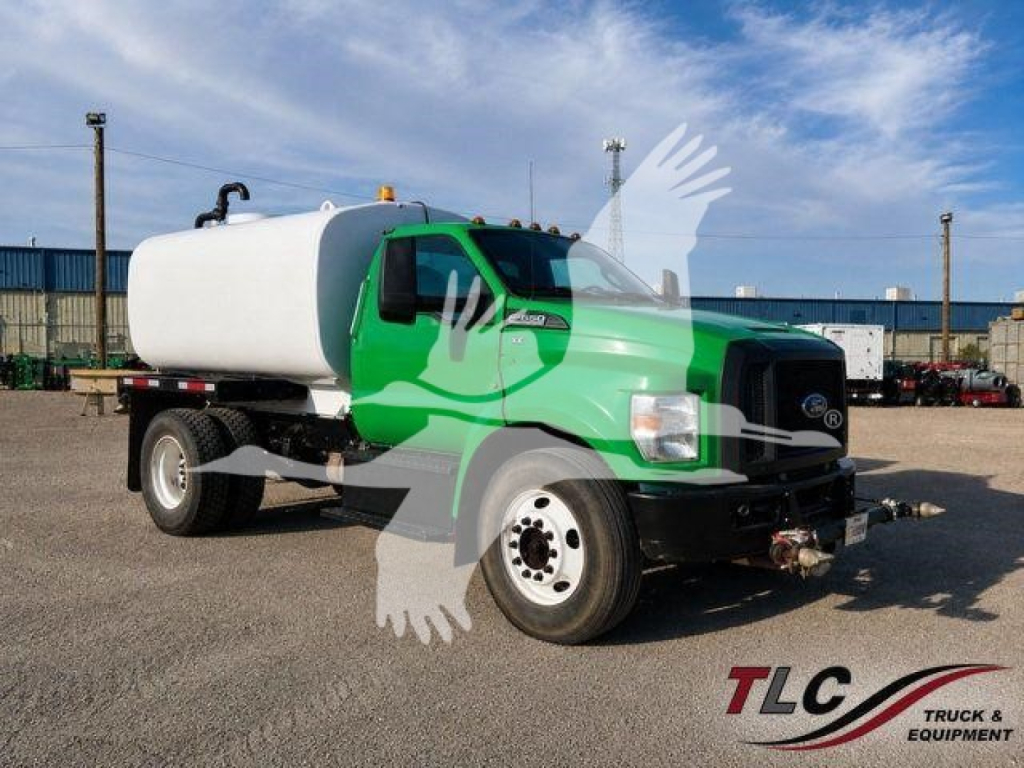
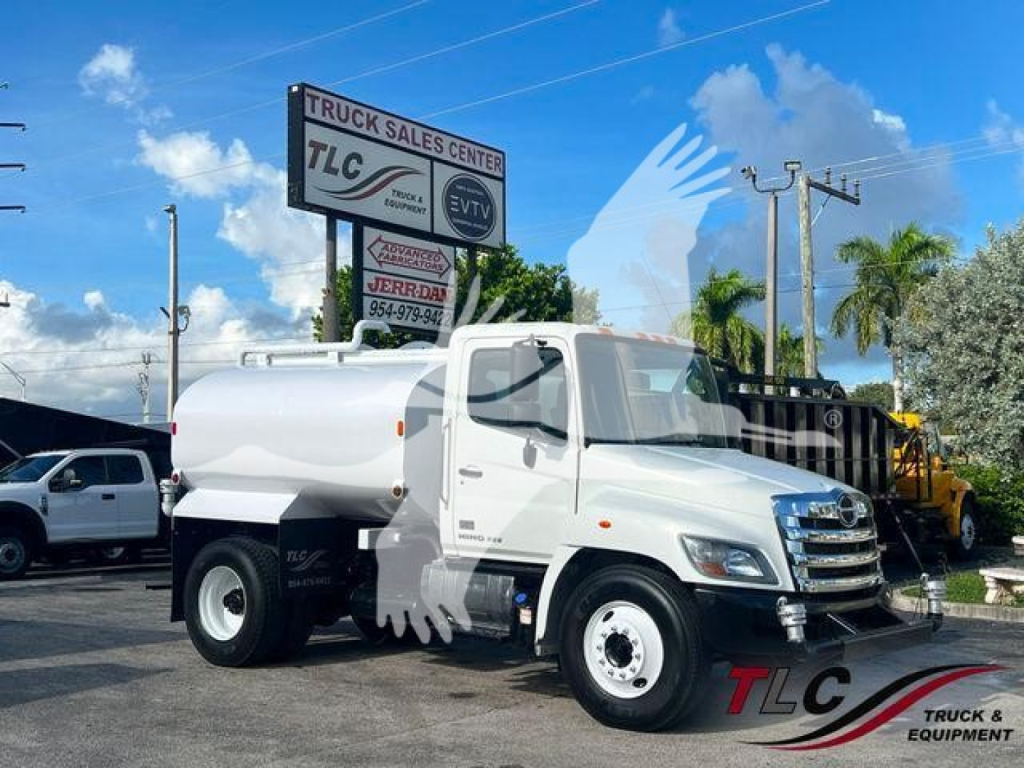
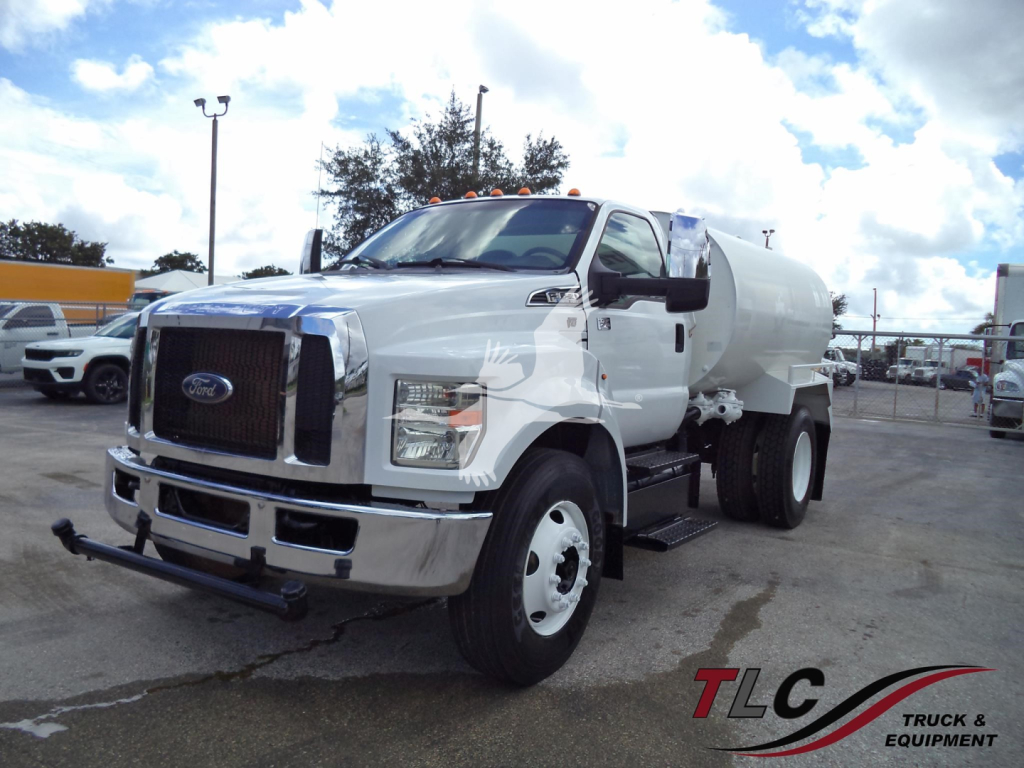
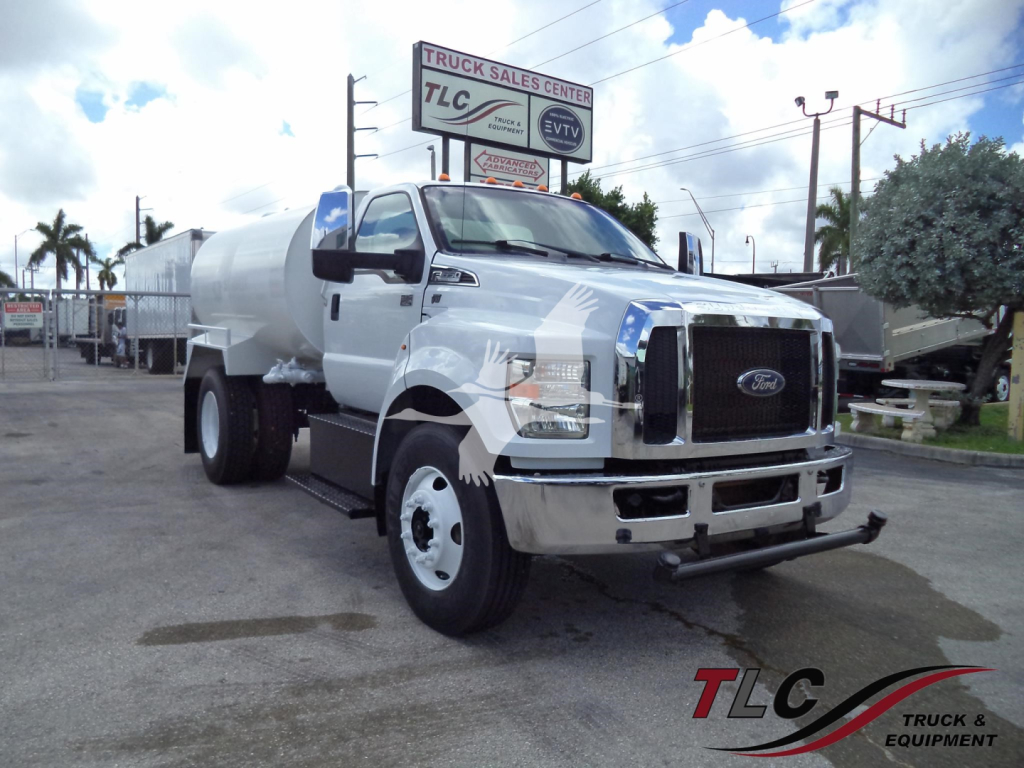
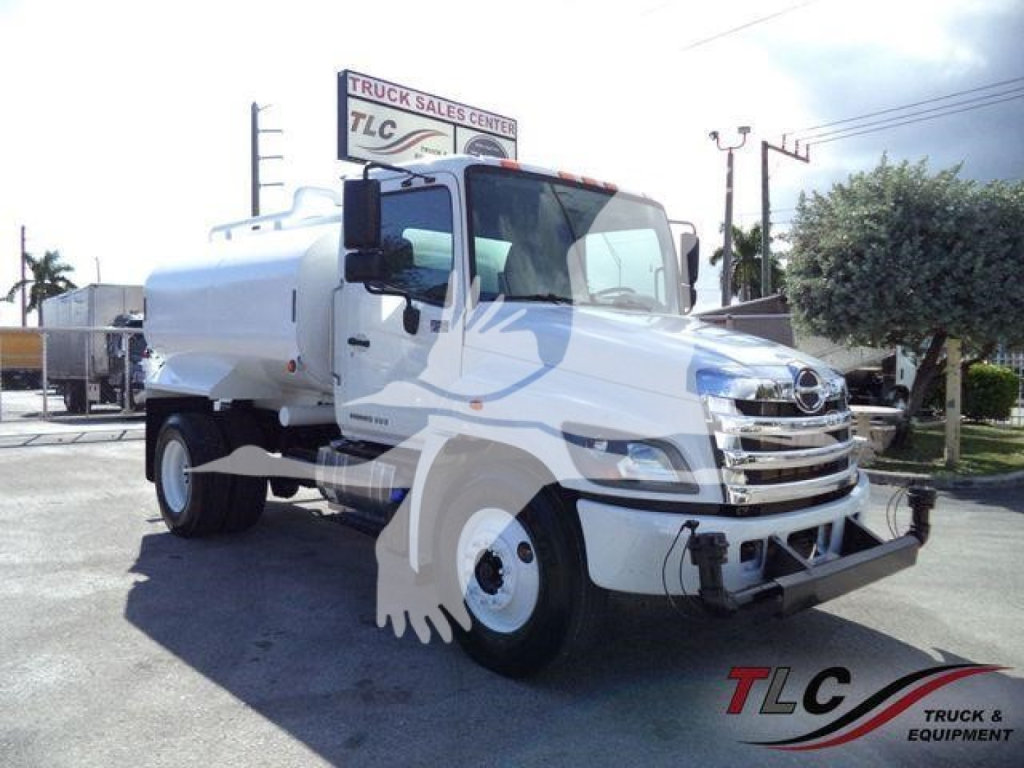
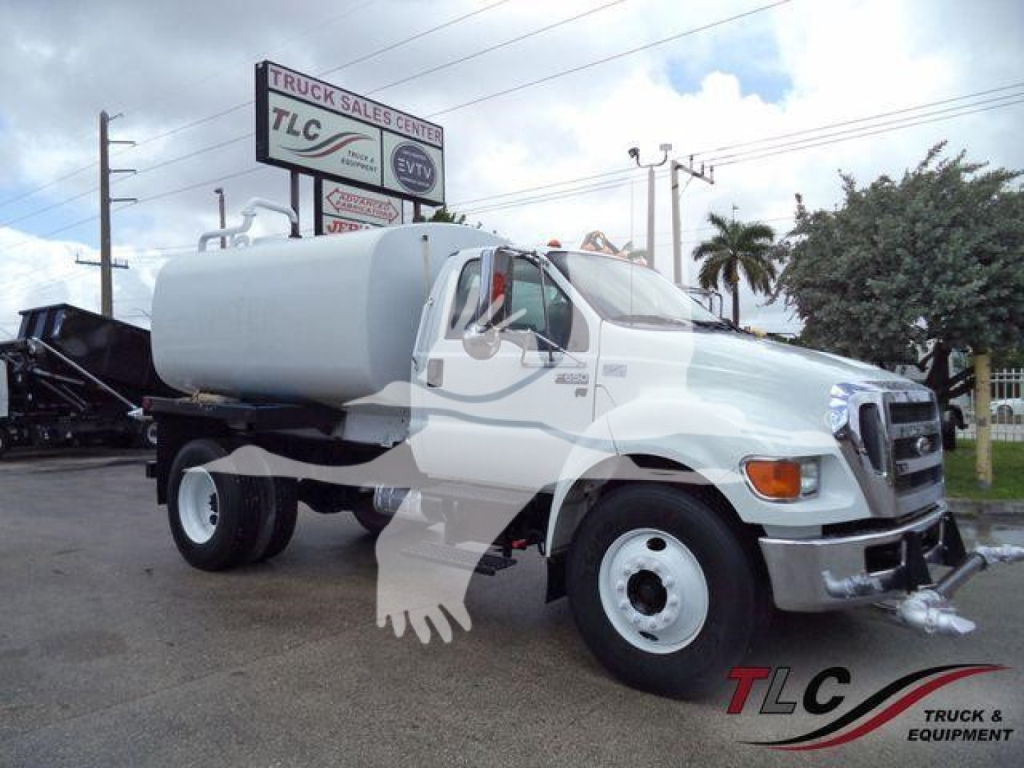
Tank material, pump layout, and chassis class should drive the buying decision. Steel tanks are common and durable, but the interior lining and exterior condition tell you a lot about remaining service life, especially in humid and coastal environments. A typical used water truck in this class may sit on a Ford F-650, Hino 338, or similar straight truck chassis with GVWRs from about 26,000 to 33,000 pounds, spring suspension, 11R22.5 tires, and an automatic transmission. Gas engines do appear in smaller Class 6 trucks, while diesel power is still the more common choice for heavier daily use and longer jobsite hours. Buyers should confirm axle ratings, wheelbase, and body balance, since water load shift and full-tank weight can affect handling and legal payload.
The spray package is what separates a basic water hauler from a useful jobsite truck. Front sprays help with visibility and light washing, rear sprays and spray bars handle dust suppression, and a hose reel gives the operator reach for trees, equipment washdown, trench work, or targeted wetting. Check pump output, nozzle condition, valve function, and PTO engagement under load. A truck with a 2,000-gallon tank and five-spray-head layout is well suited for small to mid-size jobs, but buyers running roadwork or mine support may need higher gallon capacity, stronger pump performance, or more advanced controls.
On a used water truck, the best value often comes from the condition of the upfit rather than the badge on the hood. Inspect tank saddles, mounts, baffles, plumbing runs, and any signs of leaks around fittings, manifolds, and pump seals. Ask if the tank has full baffles, what material the plumbing is made from, and whether the truck has been used for potable water, dust suppression, or other site fluids. Service history on the chassis still matters, especially transmission operation, cooling system health, brake wear, and PTO maintenance, but a clean, functional spray system will have the biggest effect on day-one usability.
Frequently Asked Questions about Used Water Trucks in Florida
What is the most common size for a used water truck in this category?
A common size in this category is around 2,000 gallons on a medium-duty straight truck chassis. That capacity works well for construction sites, utility crews, municipalities, landscaping support, and dust control without requiring a larger tandem-axle platform. It is a practical middle ground for buyers who need good on-site coverage, manageable operating costs, and easier maneuverability in tighter Florida job conditions.
What should I inspect first on a used water truck?
Start with the tank, pump, and spray system. Look for corrosion, failed interior coatings, leaking fittings, damaged plumbing, weak pump output, and spray heads that do not pattern correctly. After that, inspect PTO operation, tank mounts, baffles, hose reel condition, and valve controls. On the chassis side, pay close attention to brakes, suspension, tire condition, transmission behavior, and cooling system performance, since water trucks often spend long periods idling and operating in slow, hot jobsite conditions.
Are gas or diesel engines better for a water truck?
It depends on how the truck will be used. Gas engines can make sense on lighter-duty Class 6 water trucks with lower annual miles and simpler service needs. Diesel engines are generally preferred for heavier daily use, longer duty cycles, and higher GVWR applications because they offer better low-end torque and tend to hold up well in sustained vocational work. The right answer depends on route length, idle time, jobsite demands, and your maintenance setup.
Why do baffles matter in a water truck tank?
Baffles reduce water surge inside the tank during braking, turning, and acceleration. That helps improve stability, driver control, and braking feel, especially when the tank is partially full. A properly baffled tank is important on any water truck because shifting liquid load can affect handling more than many first-time buyers expect. When evaluating a used unit, it is worth confirming the tank design and checking for any internal damage or repair history if available.
Is a used water truck in Florida different from one in other states?
Florida buyers should pay closer attention to corrosion, humidity-related wear, and the condition of tank coatings, plumbing, and electrical connections. Coastal exposure can accelerate rust and fitting deterioration, even on trucks that look clean from a distance. Cooling system condition also matters more in Florida because these trucks often idle for long periods while running the PTO and spray system in high ambient temperatures.