
Used 2026 Commercial Trucks For Sale
Browse used 2026 trucks for sale, including day cabs, box trucks, reefers, and vocational models with key specs buyers compare most.

Selling a used 2026 commercial truck? List your used 2026 commercial truck for sale and reach thousands of commercial buyers.
Used 2026 Commercial Trucks
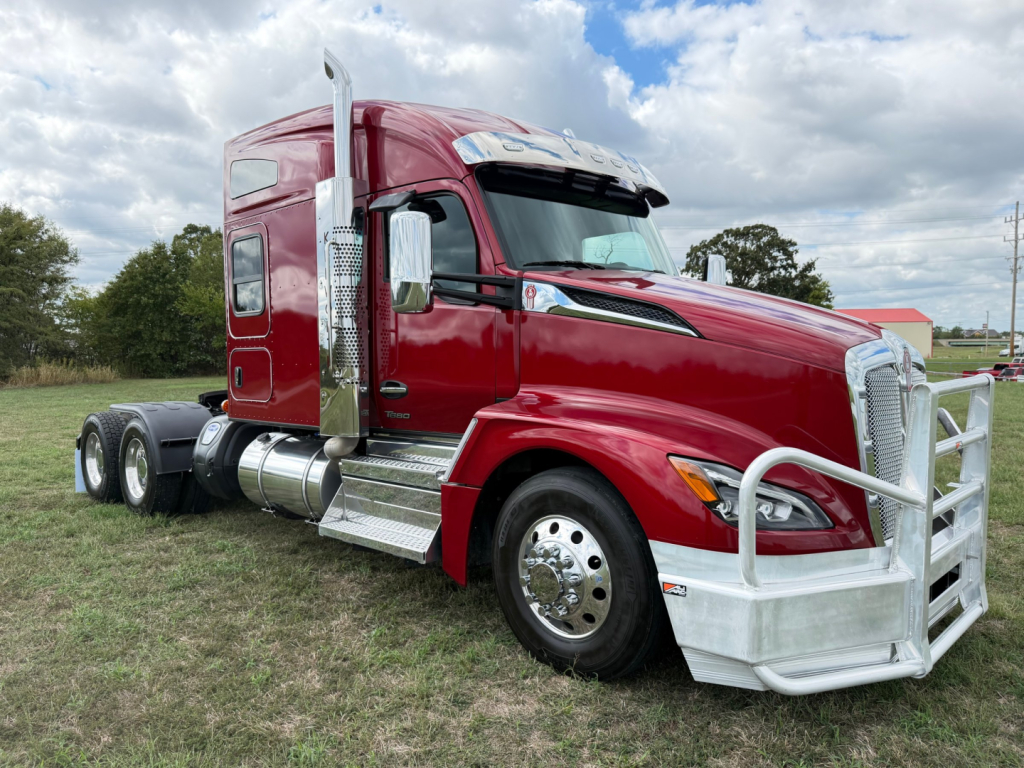
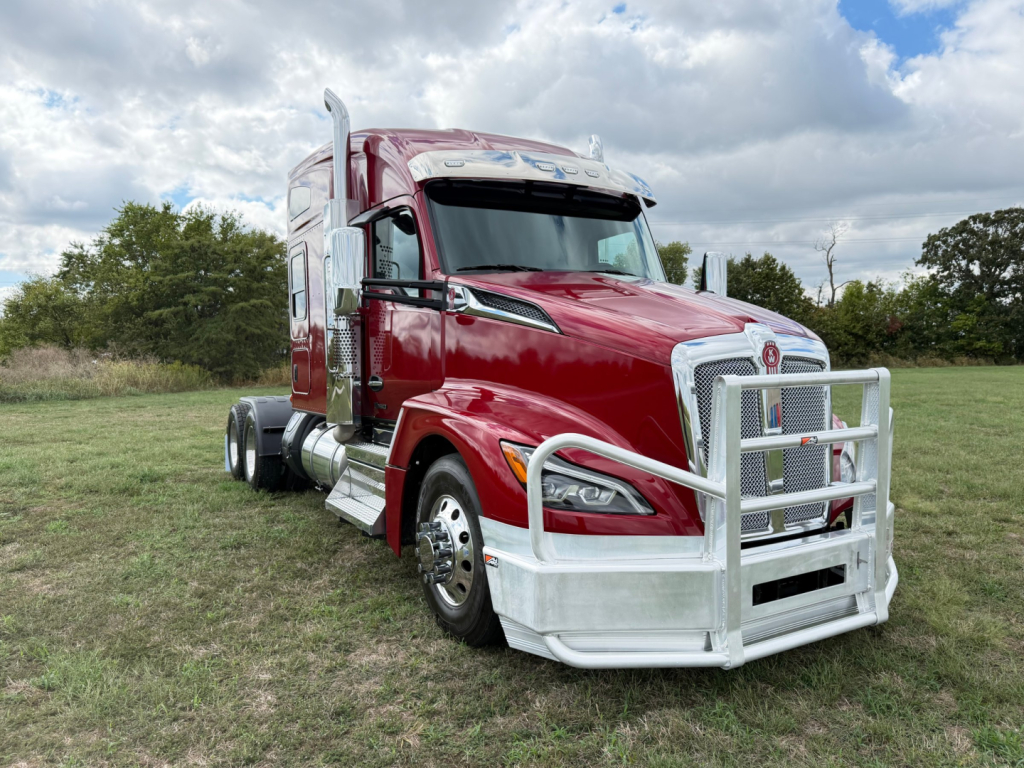
On highway and regional tractors, the most important specs usually start with engine rating, transmission type, rear axle ratio, and suspension. Late-model trucks commonly feature automated manual or fully automatic transmissions, air ride suspension, disc brakes, and aerodynamic packages that help fuel economy on longer runs. Day cabs often show up in 4x2 and 6x4 configurations, with tandem rears around 40,000 pounds and wheelbases set for maneuverability around yards, ports, and urban freight lanes. Buyers comparing used 2026 semi trucks should also review fifth wheel type, sliding versus stationary setup, fuel tank capacity, and any driver-assist or telematics systems that may still be onboard.
For straight trucks, the body matters as much as the chassis. Box trucks are commonly evaluated by body length, liftgate capacity, door style, floor condition, and under-CDL versus CDL-rated GVWR. Refrigerated trucks, also known as reefer trucks, add another layer of inspection because the refrigeration unit, ducted body, insulation integrity, scuff liners, and door seals directly affect performance. Medium-duty models often use gas or diesel engines depending on route density, idle time, and maintenance preference. In city delivery work, a shorter wheelbase and automatic transmission can be more valuable than raw horsepower, while higher payload operations benefit from stronger rear axle ratings and more durable suspension packages.
Condition is still the deciding factor on any used truck, even in a newer model year. Buyers should confirm engine hours, idle hours, service history, emissions system status, tire date codes, brake wear, and any signs of frame or body repair. On tractors, check kingpin-to-rear-axle placement, fifth wheel wear, and suspension bushings. On van bodies and refrigerated bodies, inspect the roof, floor, roll-up or swing doors, and interior wall condition. A well-documented used 2026 truck with the right application spec will usually outperform a newer-looking unit that has been mismatched, overloaded, or poorly maintained.
Frequently Asked Questions about Used 2026 Commercial Trucks
What types of trucks are commonly found in a used 2026 trucks category?
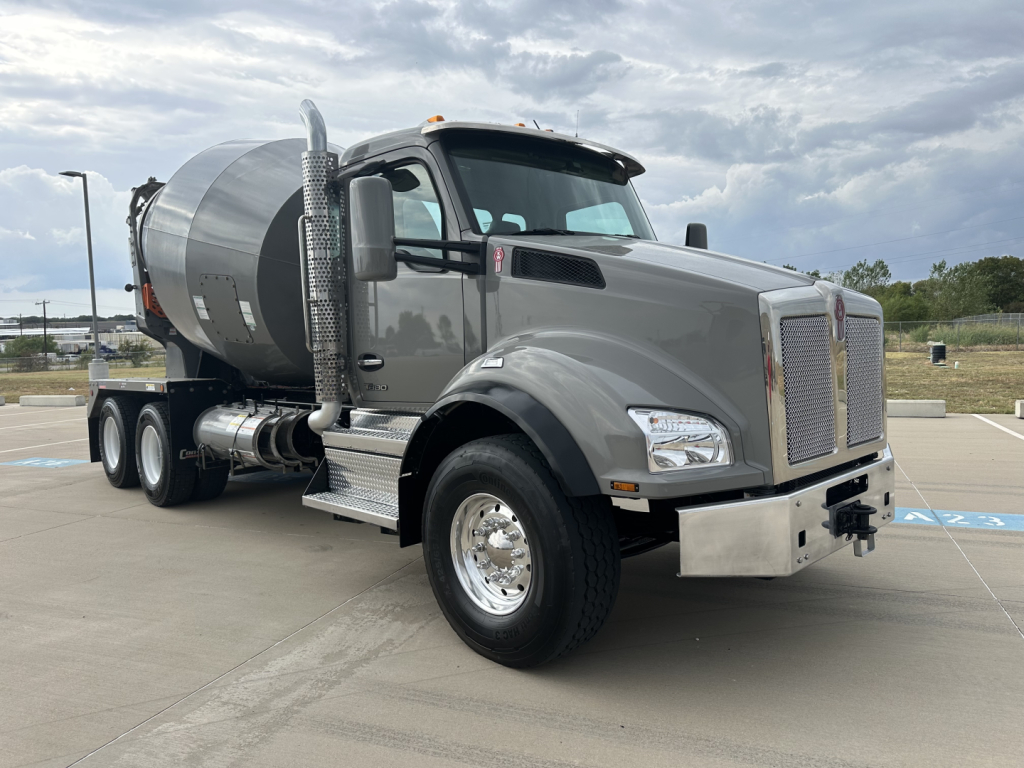
A used 2026 trucks category can include highway tractors, conventional day cabs, box trucks, refrigerated trucks, and other straight truck or vocational configurations. The exact mix depends on the market, but buyers should expect major differences in GVWR, axle layout, body equipment, and intended use. That is why the best first filter is application, not brand or appearance.
What should I check first on a used 2026 truck?
Start with the core operating spec and maintenance record. Confirm engine make and horsepower, transmission type, axle ratings, rear ratio, wheelbase, and GVWR, then review service history, fault codes, emissions status, and signs of accident or body repair. For body-equipped trucks, inspect the box, reefer unit, liftgate, floor, and door hardware just as closely as the chassis.
Are used 2026 trucks likely to have modern driver and fuel-efficiency features?
Many used 2026 trucks will have newer technology packages than older fleet equipment, including automated transmissions, aerodynamic fairings, collision mitigation systems, telematics, and disc brakes. Availability varies by original fleet spec and application. Buyers should verify which features are active and functional rather than assuming every late-model truck is equipped the same way.
How do I choose between a day cab, box truck, and reefer truck?
The right choice depends on freight type and route structure. A day cab is built for pulling trailers and fits regional or local tractor work. A box truck is designed for enclosed cargo and frequent stop delivery. A reefer truck is the correct choice when cargo needs temperature control, and buyers should evaluate both the truck chassis and the refrigeration system as a single package.
Why does wheelbase and axle configuration matter on used trucks?
Wheelbase and axle configuration affect maneuverability, bridge compliance, payload distribution, and body fitment. A shorter wheelbase usually helps in urban delivery or yard work, while tandem axle and longer wheelbase setups support heavier loads and trailer applications. Matching those dimensions to the route and freight is one of the most important steps in selecting the right used truck.