
Used Chipper Trucks For Sale
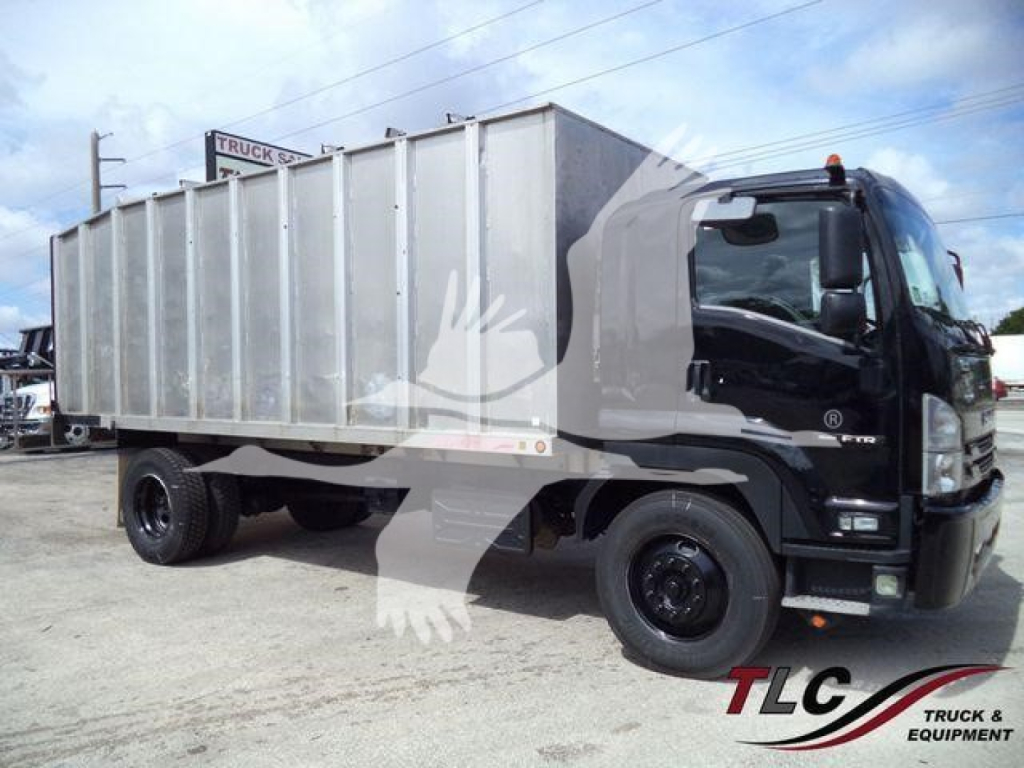
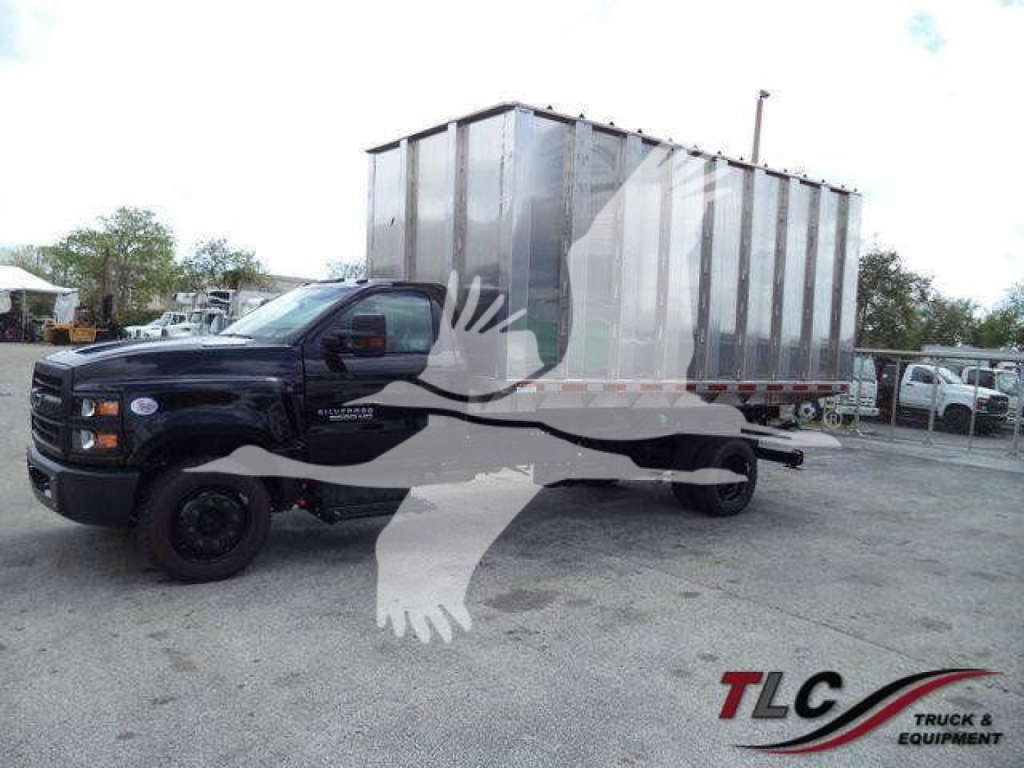
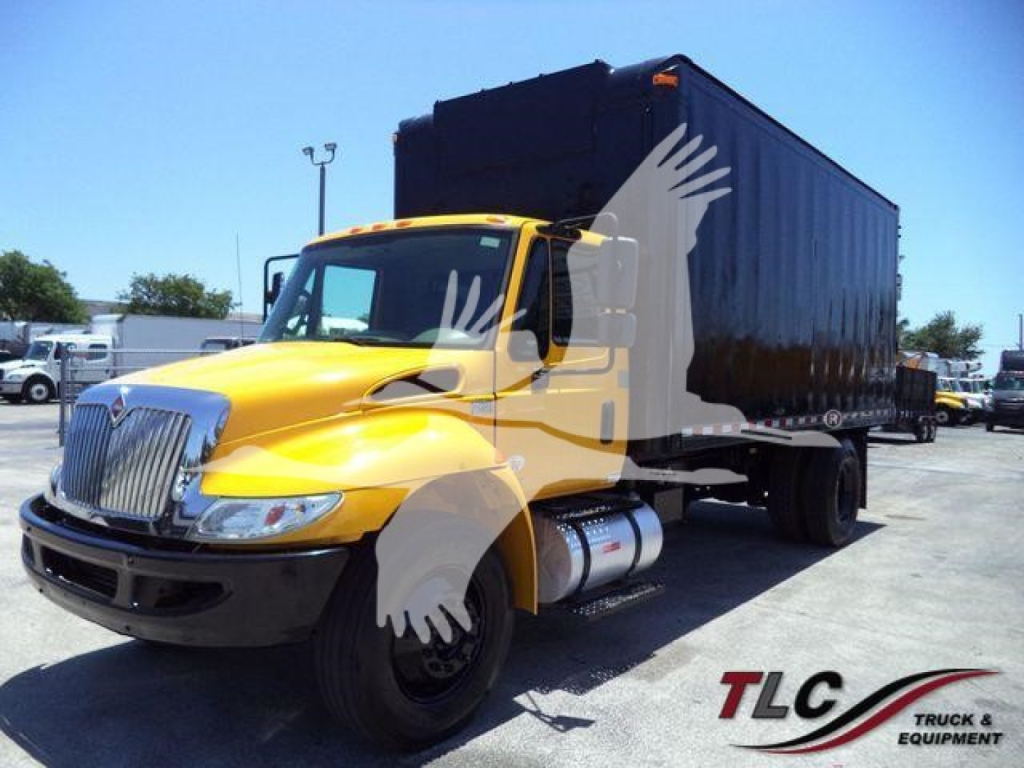
Shop used chipper trucks with strong floors, light tare weight, corrosion protection, reliable hoists, and arborist-ready specs for tree service work.
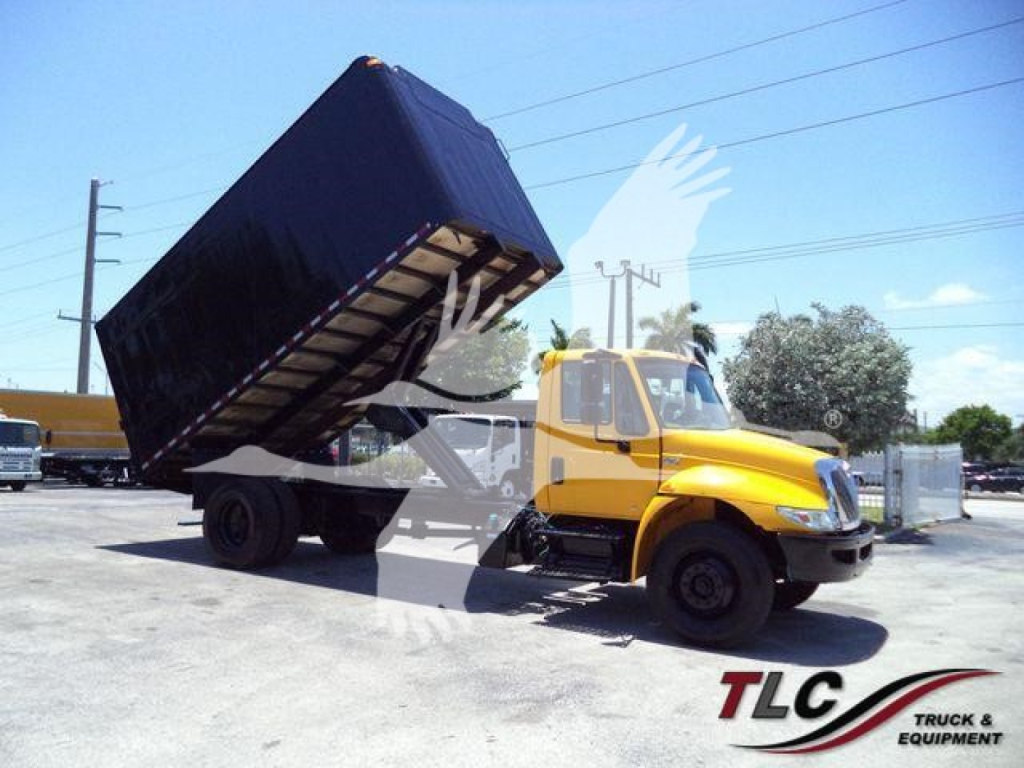
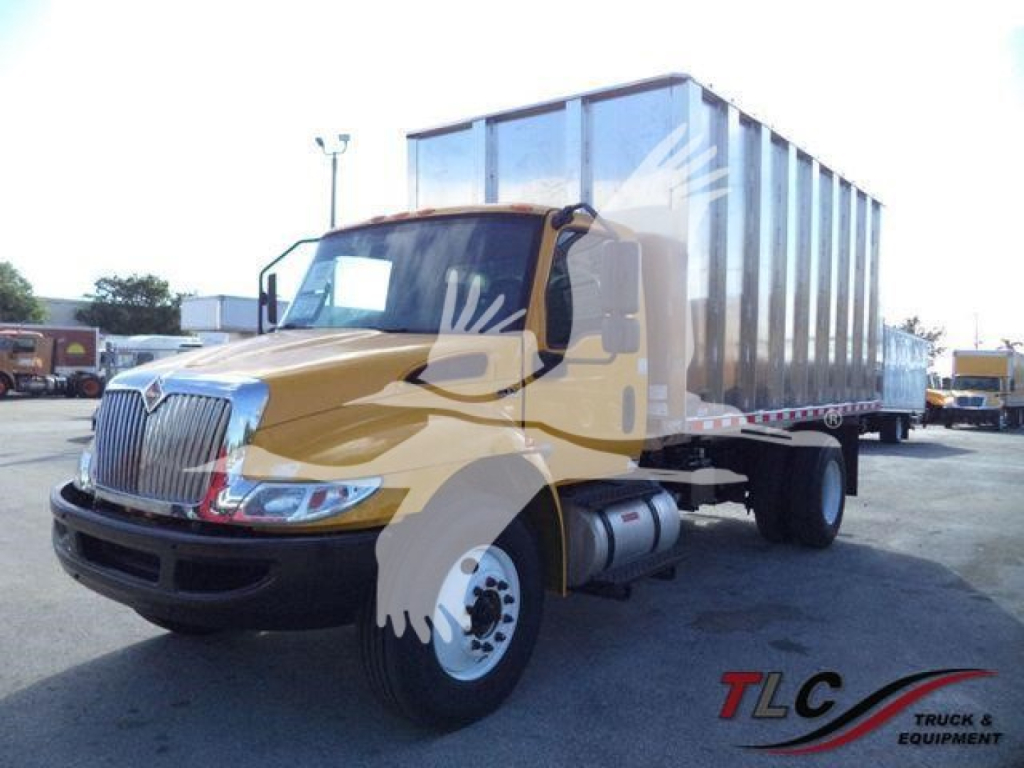
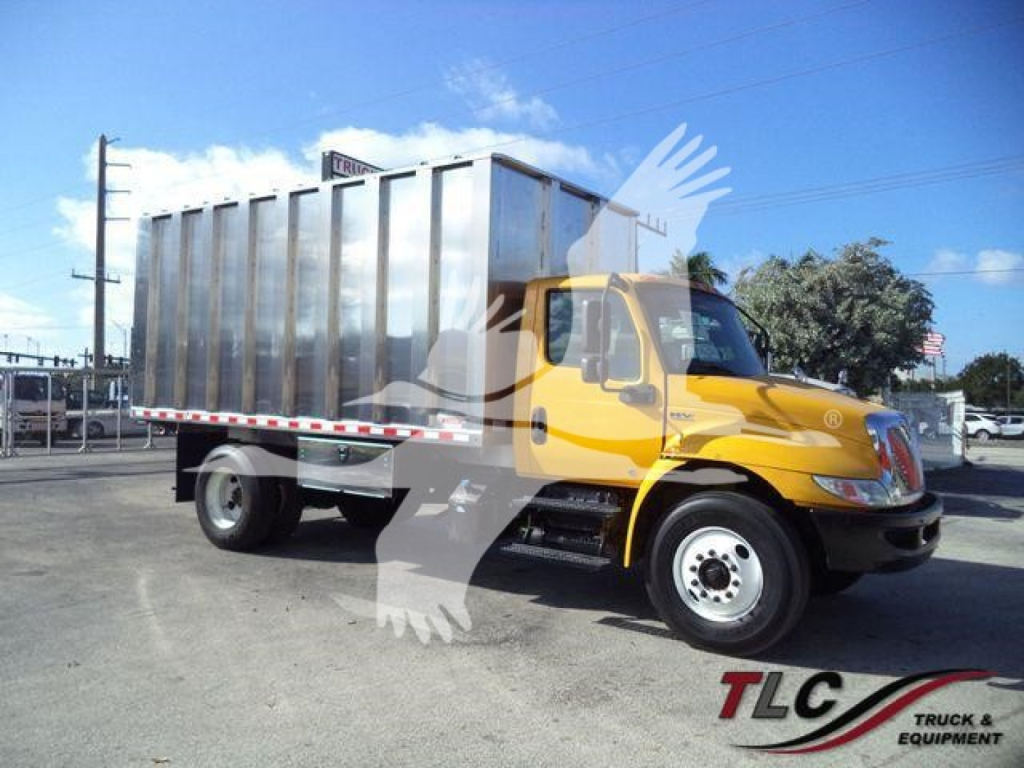
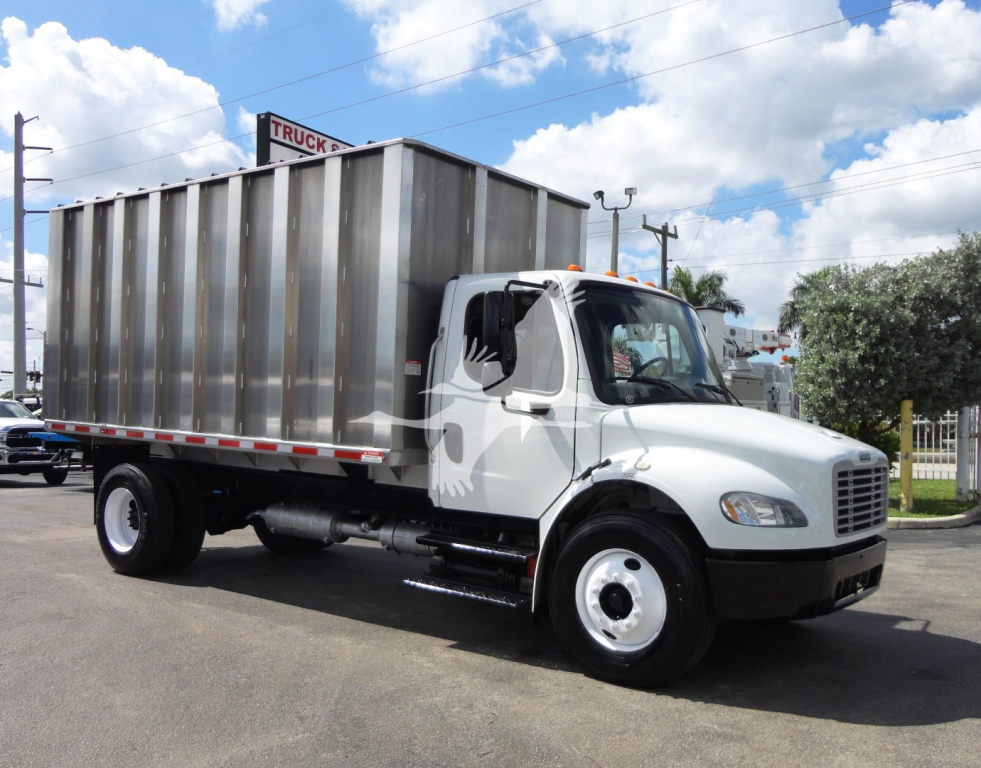
Selling a used chipper truck? List your used chipper truck for sale and reach thousands of commercial buyers.
Used Chipper Trucks
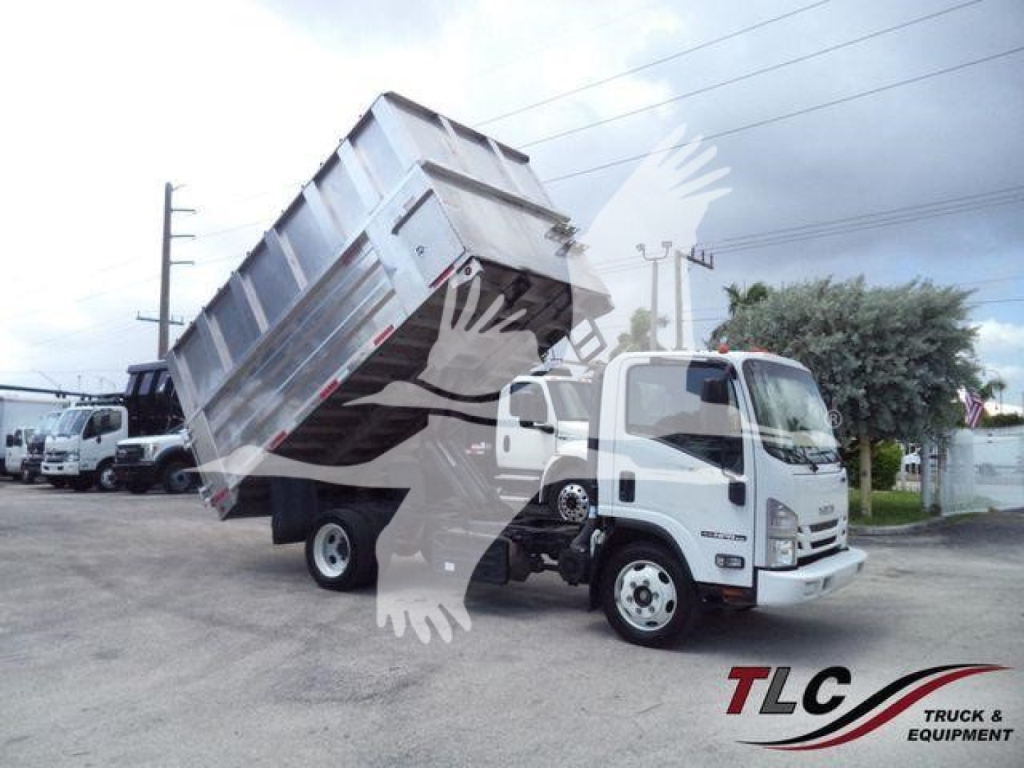
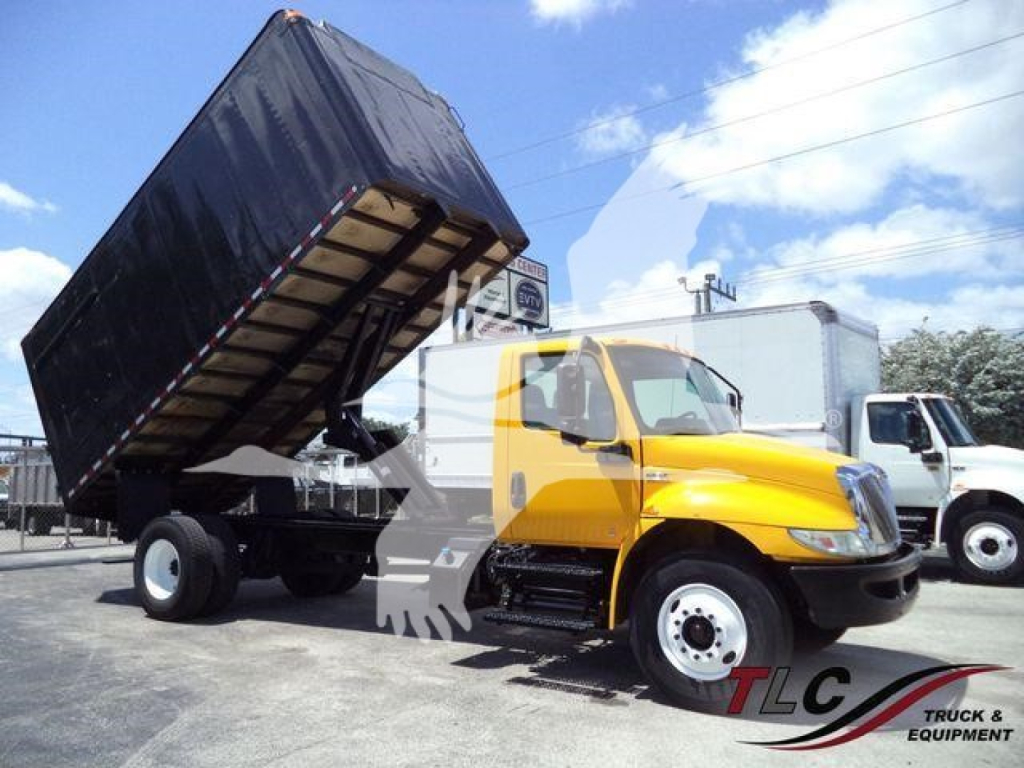
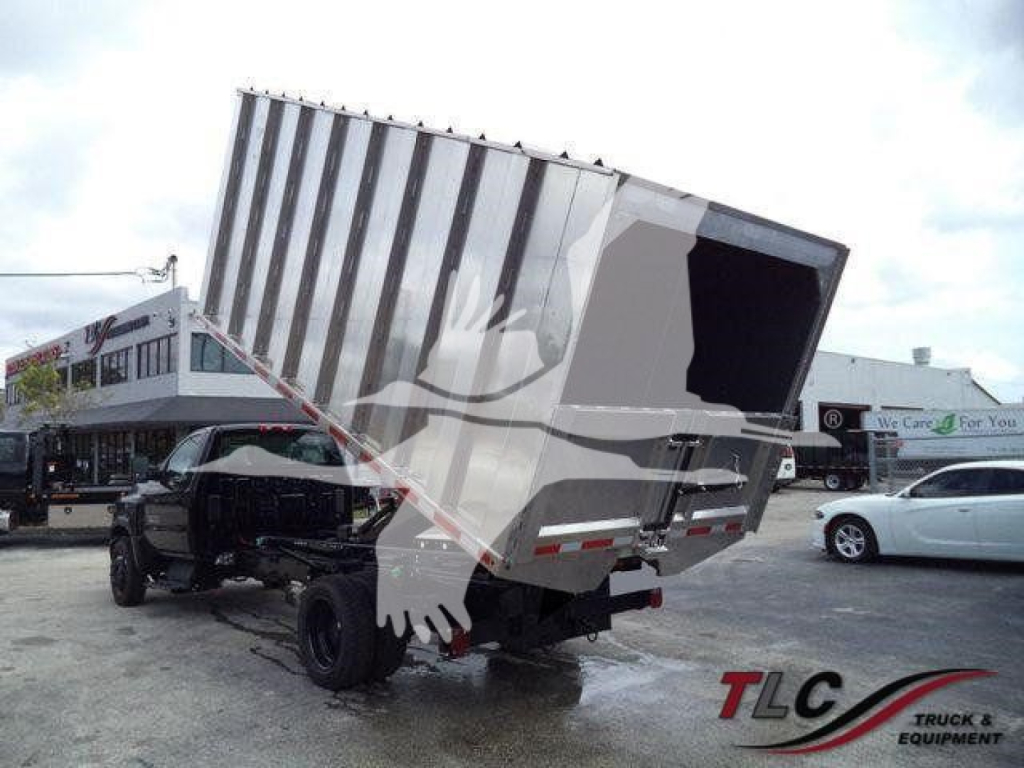
Floor strength drives durability and dump-out performance. Look for 10 or 7 gauge steel floors with crossmembers on 12 inch centers or closer, heavy long sills, and reinforced bulkheads. UHMW scuff liners or wear plates along the lower sides reduce abrasion from brush and logs. A 50 to 55 degree dump angle clears wet green chips more reliably than shallower hoists, and a high-lift or dual acting tailgate helps prevent bridging. Telescopic front-mount cylinders provide strong initial breakaway, a well designed scissor hoist offers compact packaging and stability, both require clean welds, tight pins, and dry hydraulics without seepage.
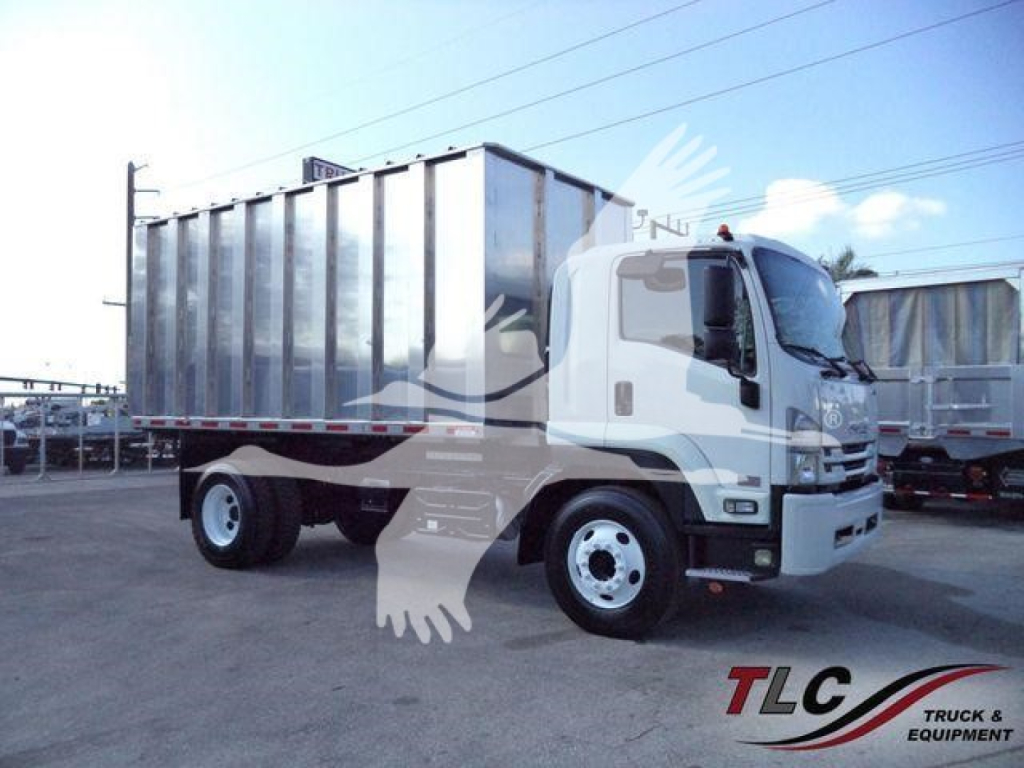
Tare weight is a major trade off. Aluminum chip bodies cut 800 to 1,200 lb compared to steel, which boosts legal payload or allows more tools and a heavier tongue weight, but aluminum dents more easily and demands careful crack inspection. Steel bodies carry a weight penalty, they resist impact and are easier to repair. Under CDL builds at 25,999 lb GVWR typically net 6,000 to 8,000 lb of real payload once you account for body, fuel, tools, and crew, CDL trucks at 33,000 lb can double that. Verify PTO configuration, pump size, and hydraulic flow, a 17 to 30 gpm system with proper relief settings yields faster cycle times under load without overheating. Gear ratios in the mid 4s to low 6s favor stop and go routes with a towed 12 to 15 inch chipper.
Corrosion resistance matters because chips hold moisture and tannins, plus road salt attacks seams and hardware. Favor e coated or powder coated bodies, stainless hinges and latches, sealed harnesses with heat shrink, and drain paths that keep water off the floor. Thermal integrity in this segment relates to how well the body resists heat, cold, and moisture intrusion that can swell chip loads and slow dump-out, tight roof panels or mesh with a well fitted tarp limit water ingress, stable seams and UV resistant coatings reduce heat cycling damage, and insulated hydraulic reservoirs help cold weather performance. For emissions systems, confirm clean DPF history and that PTO idle control works correctly so regeneration and exhaust temperatures do not conflict with stationary operation. In cold climates, 5W 40 CK 4 engine oil, winter grade hydraulic fluid, block heaters, and battery warmers improve start reliability and hoist responsiveness.
Frequently Asked Questions about Used Chipper Trucks
How do I size GVWR and body capacity for a chipper truck?
Match expected chip volume to a 10 to 20 yard body, then back into legal payload. A 26,000 lb GVWR chassis with a steel 14 foot body and typical tools often leaves 6,000 to 8,000 lb of payload, a 33,000 lb chassis can support 12,000 lb or more. Confirm front and rear axle ratings, tire load indexes, and the combined weight of crew, fuel, hitch load, and equipment before finalizing capacity.
Steel or aluminum chip body, which is better?
Steel offers higher impact resistance and simpler repairs, ideal if you frequently load chunky brush or firewood. It raises tare weight, reducing payload. Aluminum cuts 800 to 1,200 lb, improves corrosion resistance, and can increase legal payload, but it is more prone to denting and requires careful inspection for cracks around hinges, posts, and hoist mounts. Choose based on duty cycle, terrain, and repair resources.
What should I inspect on the hoist and body of a used chipper truck?
Check for straight long sills, tight crossmember welds, and a flat floor without oil canning. Inspect the cylinder rod for pitting, gland seals for leaks, hinge pins and tailgate hardware for play, and verify the dump angle reaches at least 50 degrees under load. Look for UHMW liners or scuff protection, test PTO engagement and hoist cycle time hot and cold, and scan the hydraulic filter for metal. Examine roof seams, doors, and tarp for water ingress that could add weight or promote corrosion.
Can an under CDL chipper truck tow a large chipper and stay within limits?
Often yes, but it depends on chassis ratings. Confirm GCWR, rear axle rating, hitch and pintle rating, and brake controller capacity. A typical 26,000 lb GVWR truck can tow a 7,000 to 14,000 lb chipper if the GCWR allows it, but tongue weight counts against rear axle and GVWR. Factor crew, tools, and chip load so you do not exceed any rating, and verify the cooling package and PTO idle control for extended stationary work.
How do I manage corrosion and cold weather performance on a chipper truck?
Select bodies with e coat or powder coat, stainless hardware, sealed connectors, and designed drain paths. Rinse tannin laden debris, keep the tarp and roof tight to limit water intrusion, and touch up chips promptly. For winter, use 5W 40 CK 4 engine oil, appropriate hydraulic fluid, block heat, and maintain batteries. Thermal integrity improves with UV resistant coatings and sealed seams, which reduce heat cycling damage and help preserve wiring, seals, and paint.