
Used International Chipper Trucks For Sale
Shop used International chipper trucks, optimized for payload, hoist performance, corrosion resistance, and durable chip boxes for tree service work.
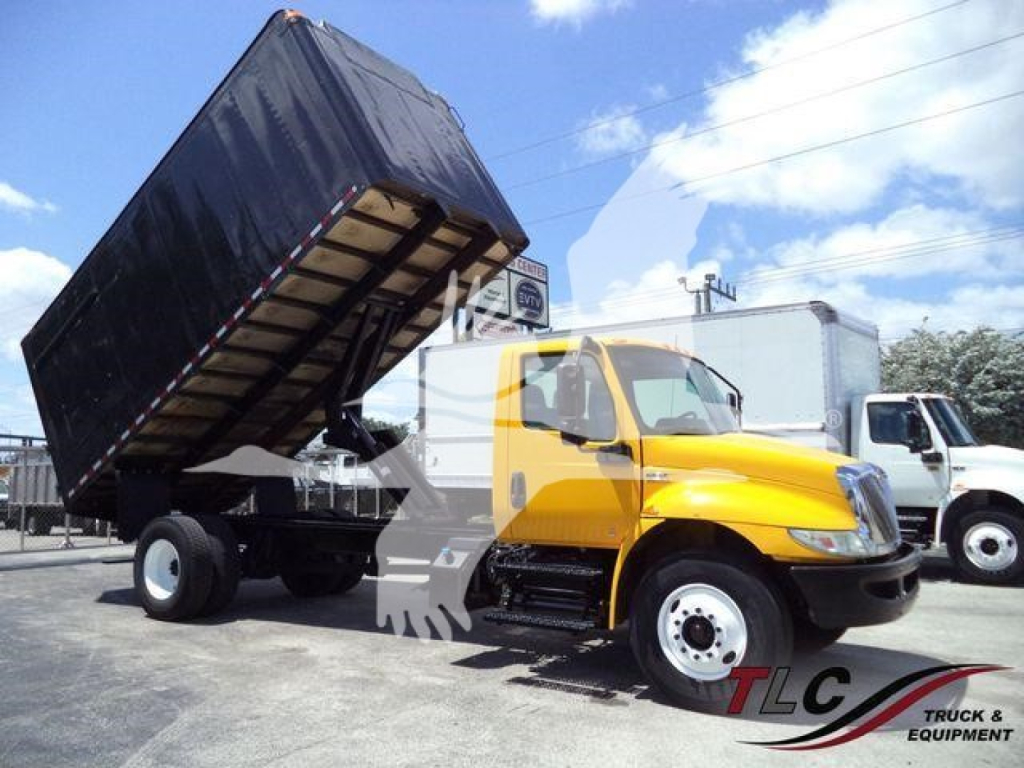
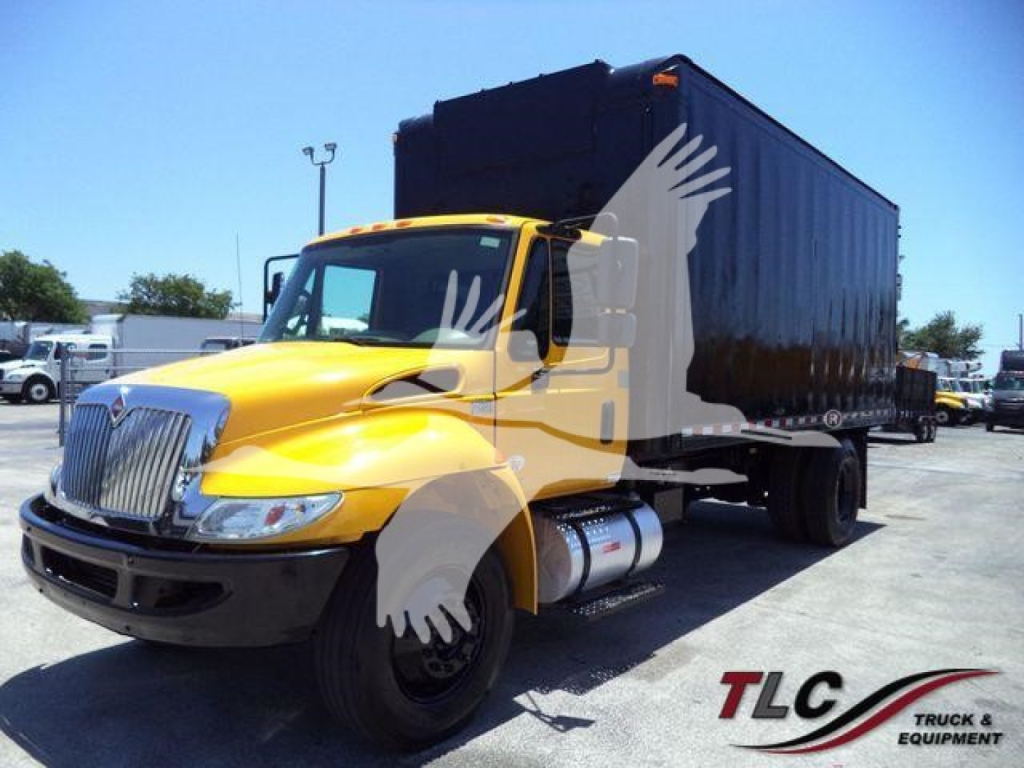
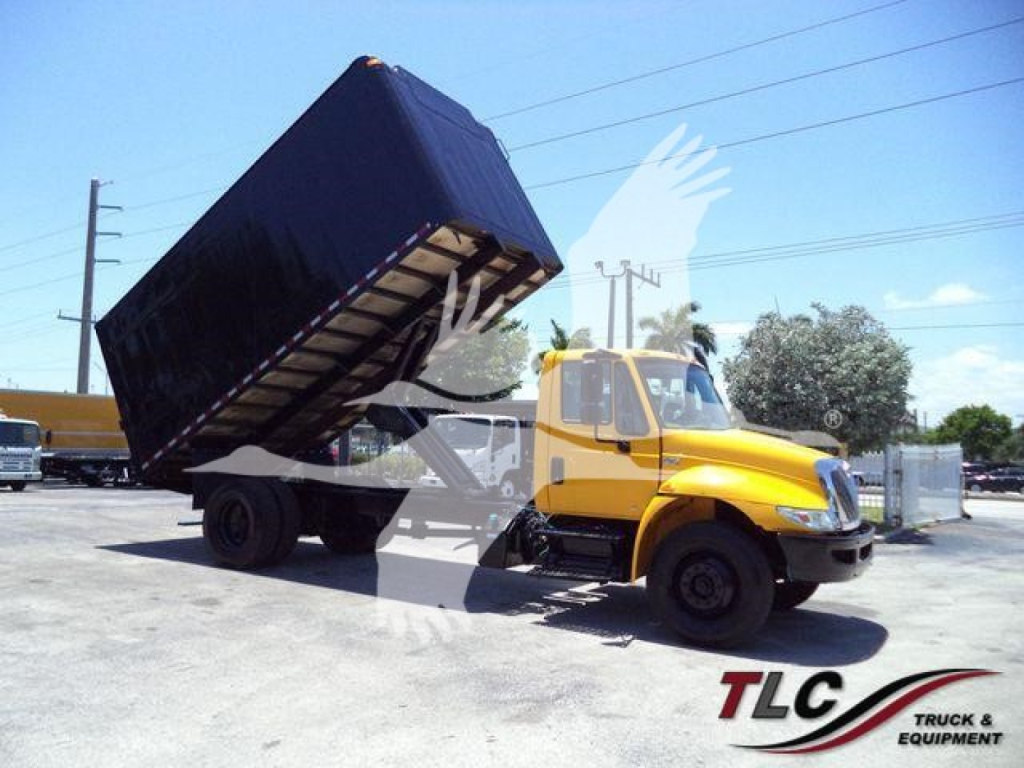
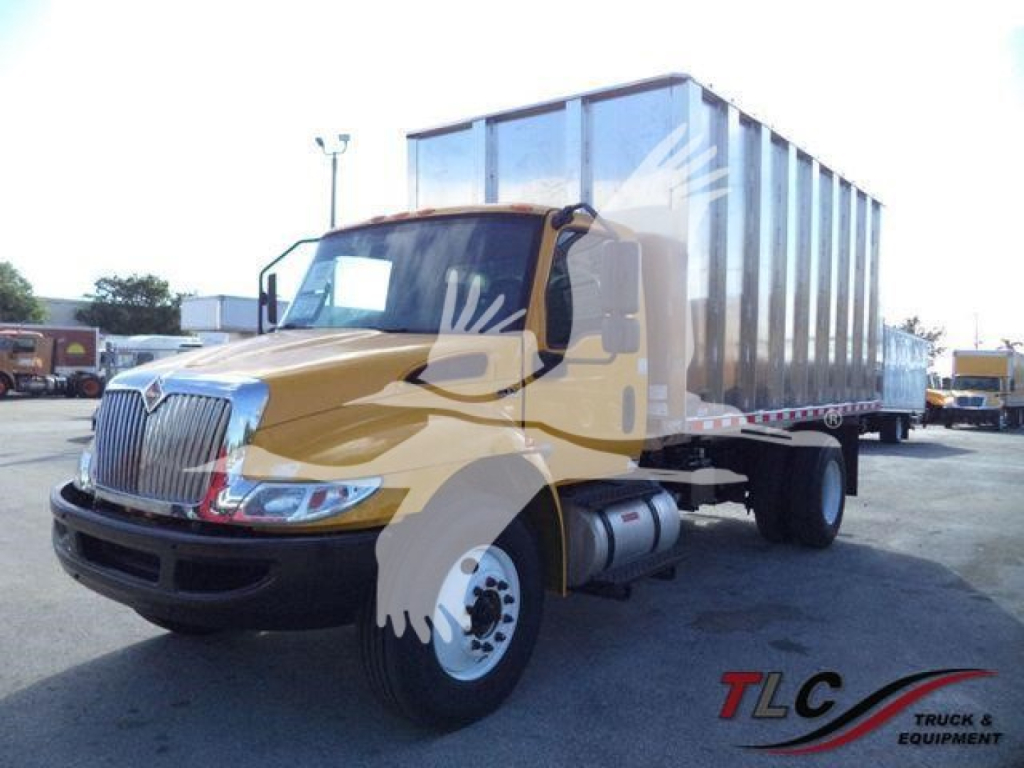
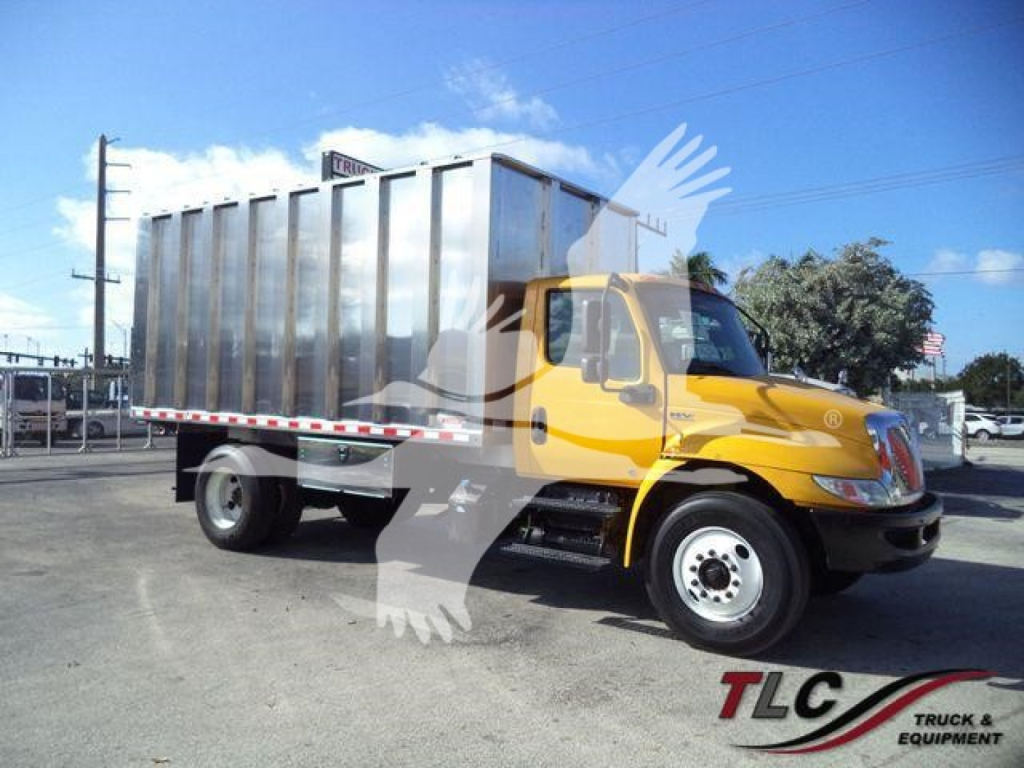
Selling a used international chipper truck? List your used international chipper truck for sale and reach thousands of commercial buyers.
Used International Chipper Trucks
Body construction matters more than it first appears because chips are light but loading is abusive. Floor strength should be at least 10 to 12 gauge steel with tight crossmember spacing and reinforced rear thirds, since rounds and stump sections hit hardest near the tailgate; abrasion resistant steel floors reduce denting and extend service life. Wall and roof panels vary by maker, from formed steel to aluminum to FRP composite; aluminum and FRP reduce tare weight, which increases legal payload and improves fuel economy, while steel tolerates impact better and is easier to repair. Thermal integrity affects panel stability and coatings over years of sun, rain, and compost heat from wet chips; UV stable FRP and quality powder or urethane coatings limit chalking and delamination, sealed roof seams and drip rails prevent heat and moisture cycling that can blister paint and rust seams.
Hoist selection drives reliability and dump speed. Underbody scissor hoists offer stable lift and easy service, telescopic front cylinders reduce subframe weight and can raise taller loads; match cylinder capacity to a full wet load plus safety margin, and verify body prop function, hinge pin fit, and subframe straightness. A hot shift PTO on an Allison 2500 or 3000 is common, confirm correct PTO ratio for the pump, hydraulic hose routing away from exhaust heat, and proper relief settings to avoid slow cycle times. Chipper boxes see constant moisture and sap, so corrosion resistance is critical; galvanized or epoxy primed bodies with stainless fasteners, non porous scuff liners, and sealed tailgate frames slow rust. Look for integrated toolboxes with guttered lids, walk up access with non slip steps, a mesh or solid tarp system, and a properly sized barn door or high lift tailgate that clears a heaped load.
On used units, inspect the floor from below for oil canning, ripples near crossmembers, and patch plates, check roof panels and vent doors for leaks, evaluate door seals and latches, and confirm that the tailgate meets the chipper shoot cleanly without blowback. Cycle the hoist to full height, listen for pump cavitation, and measure raise and lower times at operating RPM; any chatter or drift points to cylinder or valve wear. Review engine aftertreatment history, long PTO idle can increase DPF loading, confirm that high idle works, that DOC and DPF differential pressure are normal, and that stationary regen completes. Air brakes add durability at 33,000 GVWR, hydraulic brakes reduce tare and maintenance below CDL thresholds; match suspension to your routes, spring packs ride firm but are simple, air ride helps crew comfort and preserves box welds on broken pavement. Verify hitch rating, 7 blade or 6 round connector function, trailer brake controller output, and rear camera or work light placement for safe backing around trees and curbs.
Frequently Asked Questions about Used International Chipper Trucks
What body volume and GVWR should I target for a chipper application?
Most arborist crews work well with 12 to 16 cubic yard bodies on medium duty chassis. A 25,999 GVWR truck keeps you under CDL in many states but leaves less payload once you add the chip box, hoist, tools, and crew. Stepping to 33,000 GVWR increases legal payload and gives you air brakes and heavier axles, which matters if you often carry wet chips or stump rounds. Balance body size with wheelbase and rear overhang so the hoist geometry remains stable and axle loads stay within GAWR.
How do steel, aluminum, and FRP chip boxes compare for tare weight, floor strength, and corrosion resistance?
Steel offers the best impact tolerance and floor strength for the cost, especially with 10 to 12 gauge floors and close crossmember spacing, but it is heavier and requires diligent coating maintenance. Aluminum reduces tare weight significantly, which adds payload and improves fuel economy, and resists rust well, yet it dents more easily and needs proper isolation from steel to prevent galvanic corrosion. FRP composite panels combine low weight with good thermal stability and corrosion resistance, they are quiet and do not rust, but they rely on robust frames and sealed edges to avoid moisture intrusion. Many buyers choose steel floors with aluminum or FRP sides to blend strength and weight savings.
Which International engine and transmission pairings work best for hoist PTO use and stop start routes?
Allison 2500 or 3000 series automatics with PTO provisions are common and reliable for hydraulic hoists, choose a hot shift PTO and match the gear ratio to your pump to achieve quick dump cycles at moderate RPM. The DT466 and later Cummins B6.7 engines handle PTO duty well with strong low end torque and good parts availability. Emissions era engines need attention to aftertreatment, frequent low speed operation and long PTO idle increase DPF soot, so verify high idle is enabled, keep up with EGR and DPF maintenance, and review service records for regens and sensor replacements.
What hoist type and capacity should I look for, and what affects dump cycle time?
Underbody scissor hoists provide excellent stability and are easy to service, telescopic front mount cylinders can be lighter and lift higher for heaped loads. Choose a system rated to lift a fully saturated chip load with margin, consider body length, subframe rigidity, and hinge pin diameter. Dump cycle time depends on pump displacement, PTO ratio, hydraulic line sizing, relief valve setting, and engine RPM; weak batteries or poor grounds can also slow electric over hydraulic controls. Inspect for dry or cracked hoses, loose mounting bolts, and confirm the body prop locks securely.
What should I inspect on a used International chipper truck before committing to purchase?
Start with structural items, check frame rails for rust scale or drilled holes near high stress points, examine the subframe for twist, and inspect floor plates for waves or patch welds. Test the tailgate and chip door fit, look for roof leaks and soft spots around vents, and verify scuff liners are intact. Cycle the hoist to full height and time the raise and lower, listen for pump cavitation, and inspect hinge pins for play. Confirm PTO engagement, check for hydraulic leaks, and review engine aftertreatment history, high idle function, and any DPF or EGR work. Evaluate brakes, tires, steering components, and confirm hitch rating, trailer wiring, and brake controller output if you tow a chipper.