
Used International Chipper Trucks For Sale in Florida
Used International chipper trucks for Florida, with details on floor strength, tare weight, body thermal integrity, and coastal corrosion protection.
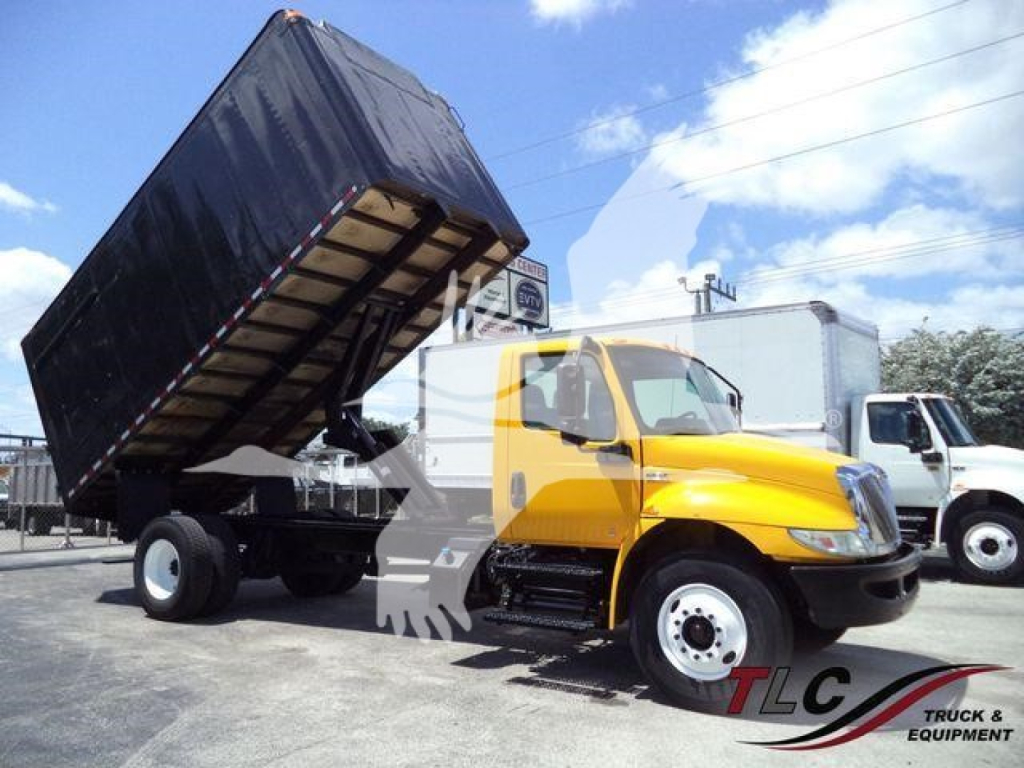
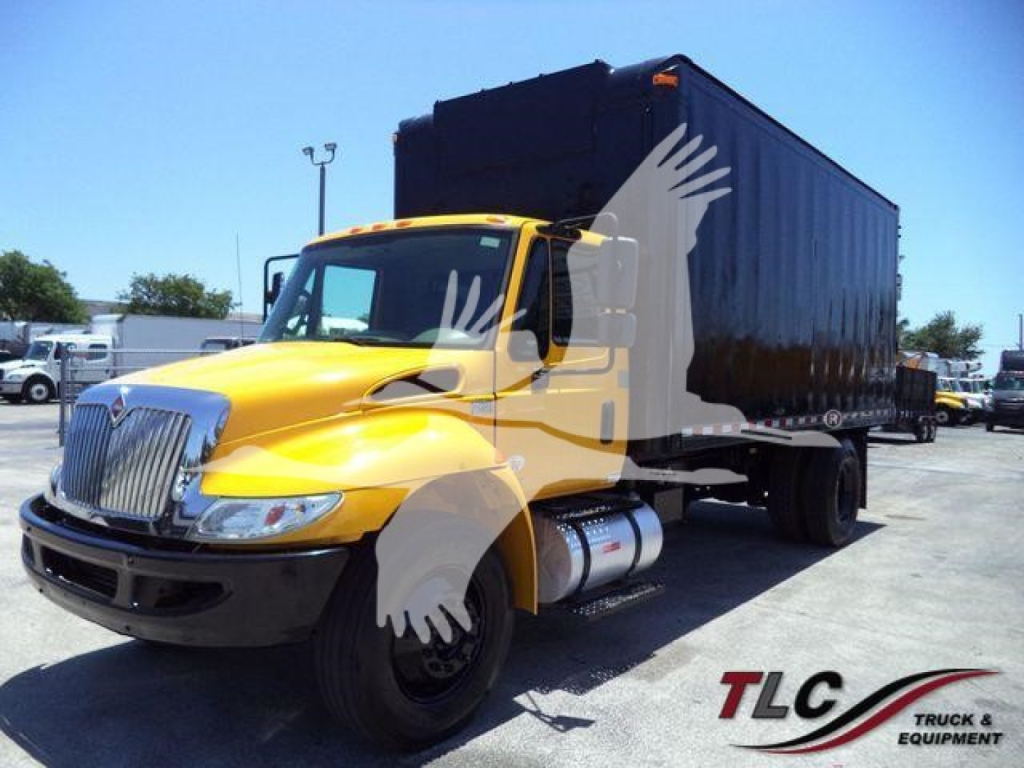
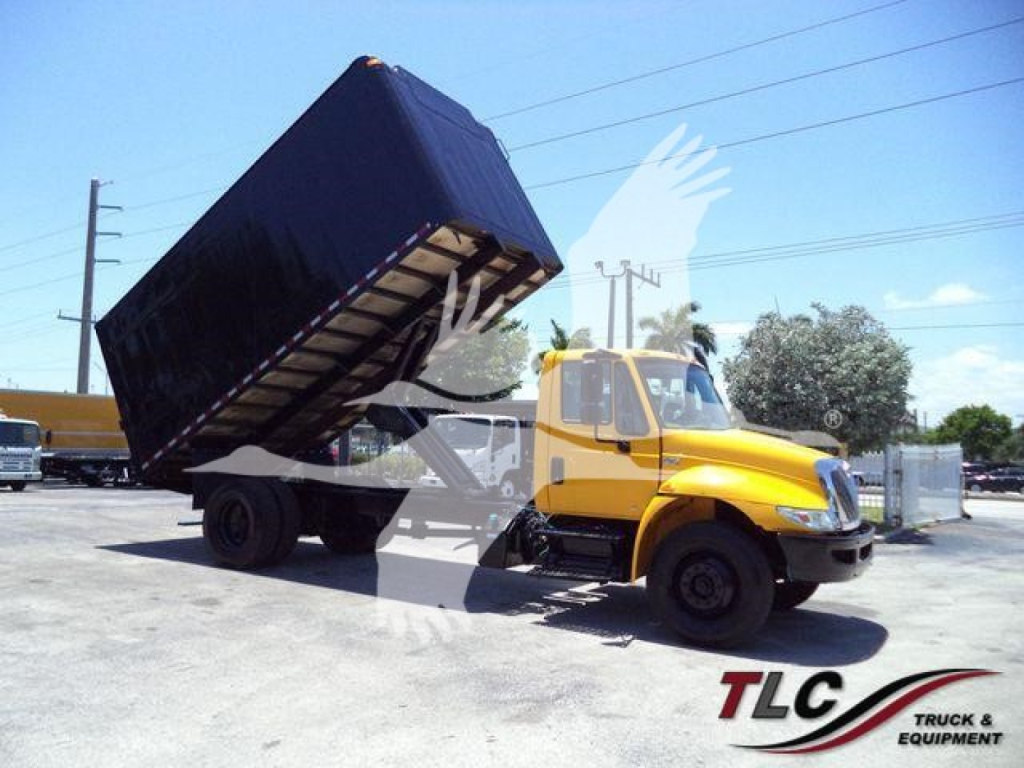
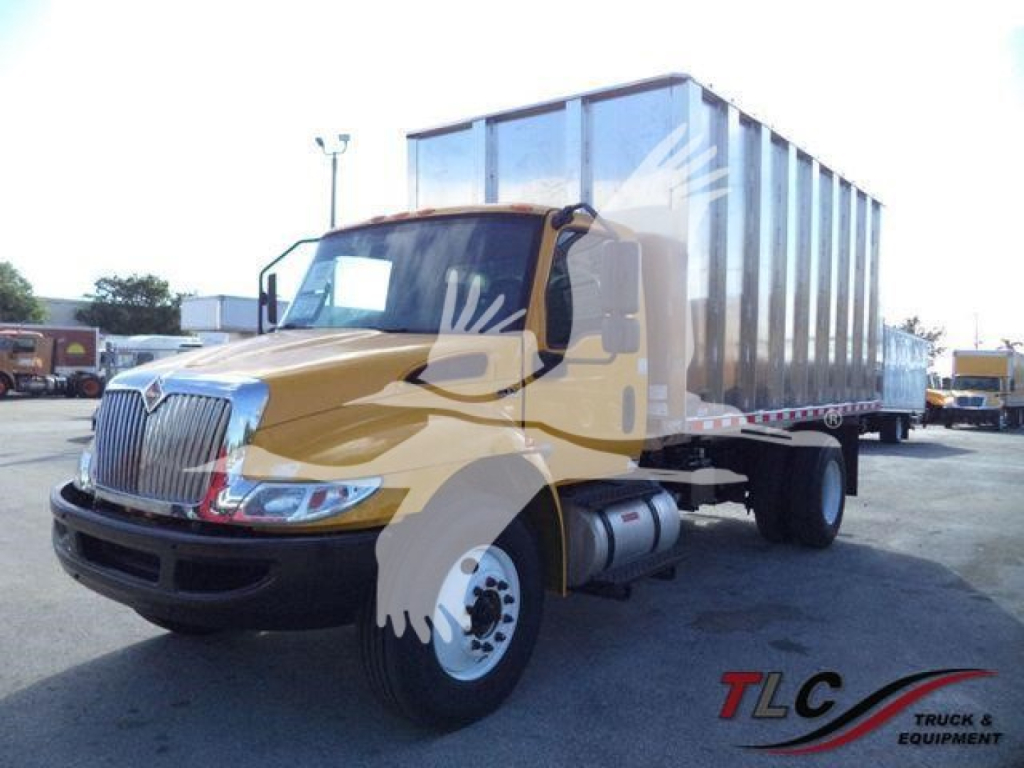
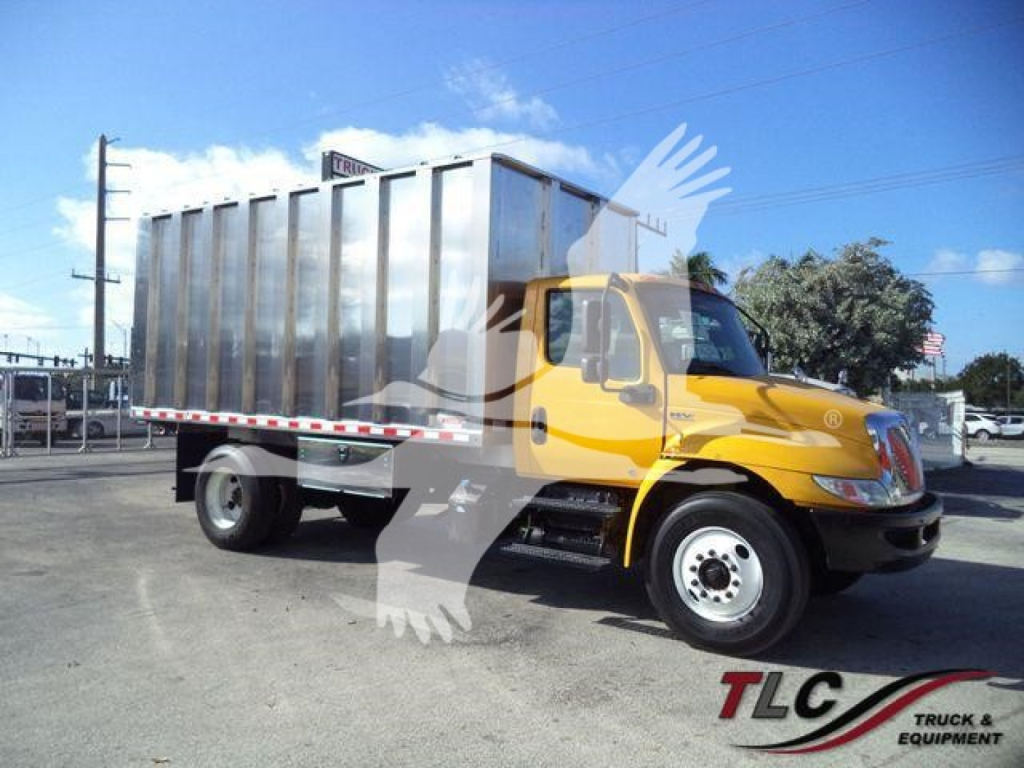
Selling a used international chipper truck? List your used international chipper truck for sale and reach thousands of commercial buyers.
Used International Chipper Trucks in Florida
Floor strength is central to reliability. Look for AR steel floors at 3/16 inch or thicker, or heavy 10 to 12 gauge with crossmembers on 12 inch centers. Full height scuff liners and reinforced beavertail corners reduce wall deformation where logs and knots hit. UHMW liners on the lower walls help wet chips slide, reduce hang up, and lower the dump angle needed to empty the box. Match hoist type and rating to the body length and expected load, scissor or telescopic systems with 20 to 35 ton ratings are common on 12 to 16 foot bodies. A tight rear chip door, curbside service door, positive latch barn doors, and a clean chute interface speed turnaround and cut spillage.
Tare weight drives legal payload and operating cost. Aluminum bodies can trim 800 to 1,200 pounds compared to steel, which helps keep a 25,999 lb GVWR truck productive and under axle limits, but aluminum is more prone to denting at the feed door and hinge posts. Steel bodies handle impact better and are easier to weld in the field, at the expense of weight and rust risk. Single frames keep tare down and suit most non CDL builds, while double frames and higher RBM rails stabilize longer boxes and tongue loads when towing a large chipper, although they add several hundred pounds. Verify axle ratings and distribution, 10k to 12k fronts with 19k to 23k rears are typical, and confirm pintle rating, safety chain points, tow wiring, and brake controller setup if you regularly pull a chipper.
Florida heat, sun, and coastal humidity test thermal integrity and corrosion resistance. Favor UV resilient paint or powder coat, sealed seams, and high temperature hydraulic hoses with abrasion sleeves near the hoist. Light colored roofs reduce heat soak and resin baking inside the body. Corrosion resistance improves with galvanized or e coated subframes, aluminum or stainless toolboxes, stainless hinges and latches, sealed harness connectors, and quality undercoating along frame rails and spring hangers. On International chassis, a healthy cooling package, clean DPF and SCR components, proper heat shielding around the exhaust and any PTO plumbing, and correct idle management keep temperatures in check during slow residential work. Automatic tire inflation systems are uncommon on straight trucks, but proper tire spec, inflation practices, and rotation reduce scrub on tight turns and protect body mounts over time.
Frequently Asked Questions about Used International Chipper Trucks in Florida
What body size and floor spec works best for residential tree service in Florida?
For residential routes, 11 to 14 cubic yard bodies on short wheelbase 4x2 chassis balance maneuverability and payload. A durable floor matters more than raw volume, target AR steel at 3/16 inch or a heavy 10 to 12 gauge floor with crossmembers on roughly 12 inch centers. Add full height scuff liners, reinforced corners, and a tight chip door for containment. A properly matched scissor or telescopic hoist with a 20 to 30 ton rating is typically sufficient for 12 to 14 foot bodies filled with wet chips and occasional log rounds.
Steel or aluminum chip body, which is better for Florida use?
Steel delivers higher impact resistance around the feed door and hinge posts, is easier to weld, and generally offers longer structural life under rough loading, but it adds weight and needs diligent rust control. Aluminum significantly lowers tare weight, which increases legal payload and fuel efficiency, and it resists red rust in coastal air, but it dents more easily and can suffer galvanic corrosion if mounted with dissimilar metals without proper isolation. In coastal Florida, aluminum with stainless hardware and isolated mounts works well for non CDL payload targets, while coated or galvanized steel bodies with undercoating are preferred when impact loads are heavy or the route includes frequent log chunks.
Which International chassis and engines are common on used chipper trucks, and what about emissions systems?
You will commonly see International MV and DuraStar 4300 or 4400 with Cummins B6.7 or L9 and Allison 2500 to 3500 automatics, plus older 4700 or 4900 and WorkStar or HV variants with DT466, MaxxForce DT, or N9 power. For emissions, verify DOC, DPF, and SCR service history, ash load, and that forced or passive regens complete promptly. Heat management is important in Florida, so confirm the cooling pack is clean, fan clutch engages, and heat shields are in place around the exhaust and any PTO plumbing. Healthy aftertreatment and proper idle practices reduce downtime when operating in stop and go tree work.
What towing setup should I look for if I pull a chipper daily?
A properly rated pintle hitch with reinforced rear frame extensions, certified safety chain points, and a 7 pin RV or 6 pin round connector is standard for towing a drum or disc chipper. Many International chipper trucks use hydraulic service brakes, so an electric trailer brake controller or an air to electric module is important when the chipper has electric brakes. Check pintle rating against the chipper’s GVWR, verify tongue weight does not overload the rear axle, and confirm lighting, breakaway, and safety chain clearances with the body’s barn doors and chip door.
What corrosion and heat related inspection points matter on a Florida truck?
Inspect the body roof seams, drip rails, and door frames for coating failure or pitting, and check under the chip door threshold where moisture collects. Look along the subframe and hoist mounts for rust jacking or galvanic corrosion where aluminum meets steel. Examine hydraulic hoses near the hoist for chafing and heat damage, confirm heat shields around the DPF and tailpipe are intact, and look for discoloration on nearby wiring or toolboxes. On the chassis, check frame rails, crossmembers, spring hangers, and the rear hitch structure for scale and previous repairs, and review undercoating condition along with stainless or coated hardware to gauge long term durability.