
Used Commercial Trucks For Sale in Colorado
Browse used trucks for sale in Colorado, including dump, box, bucket, and vocational trucks suited for mountain, municipal, and fleet work.
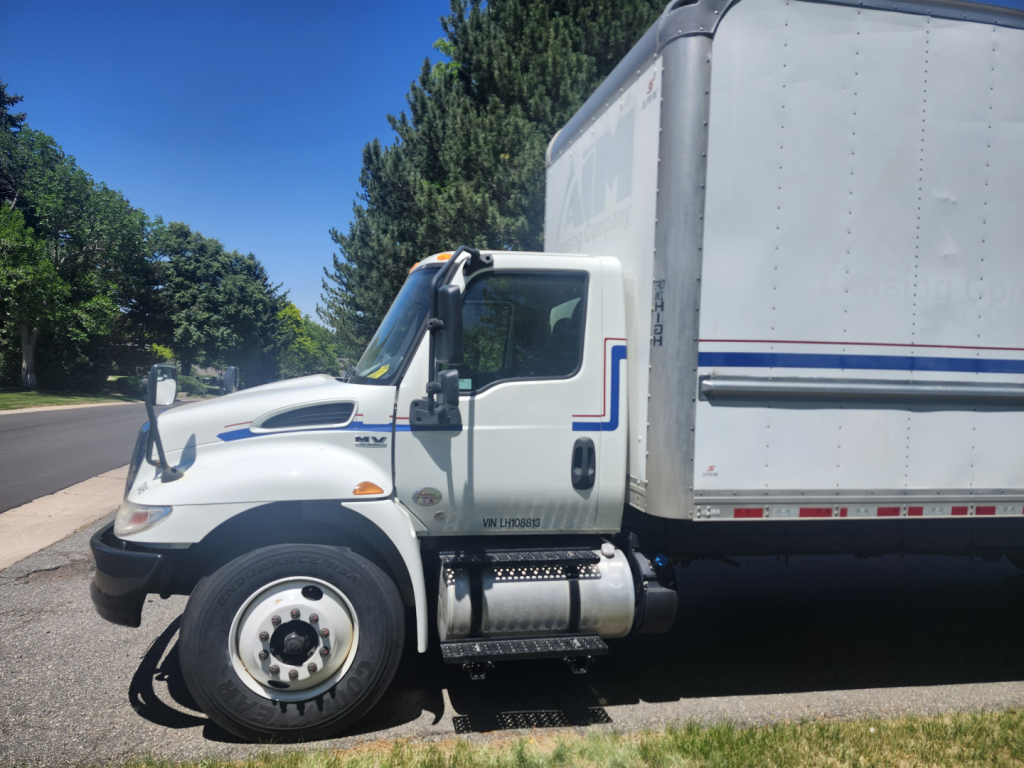
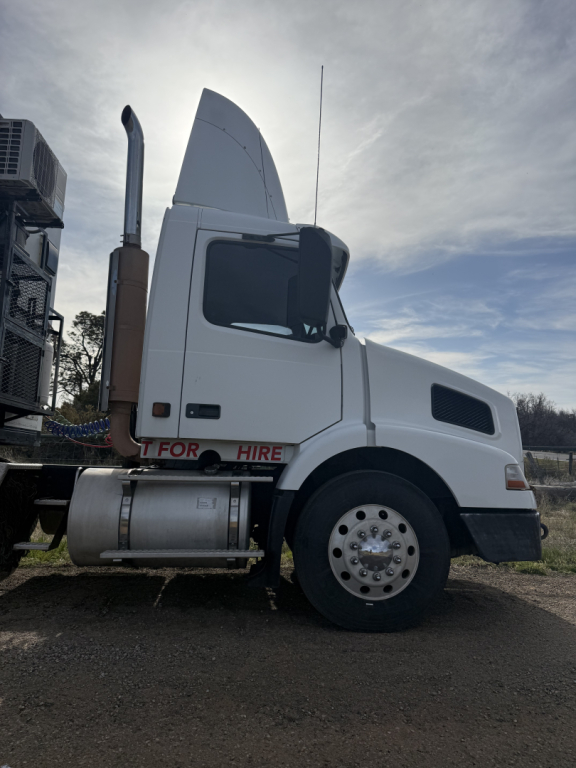
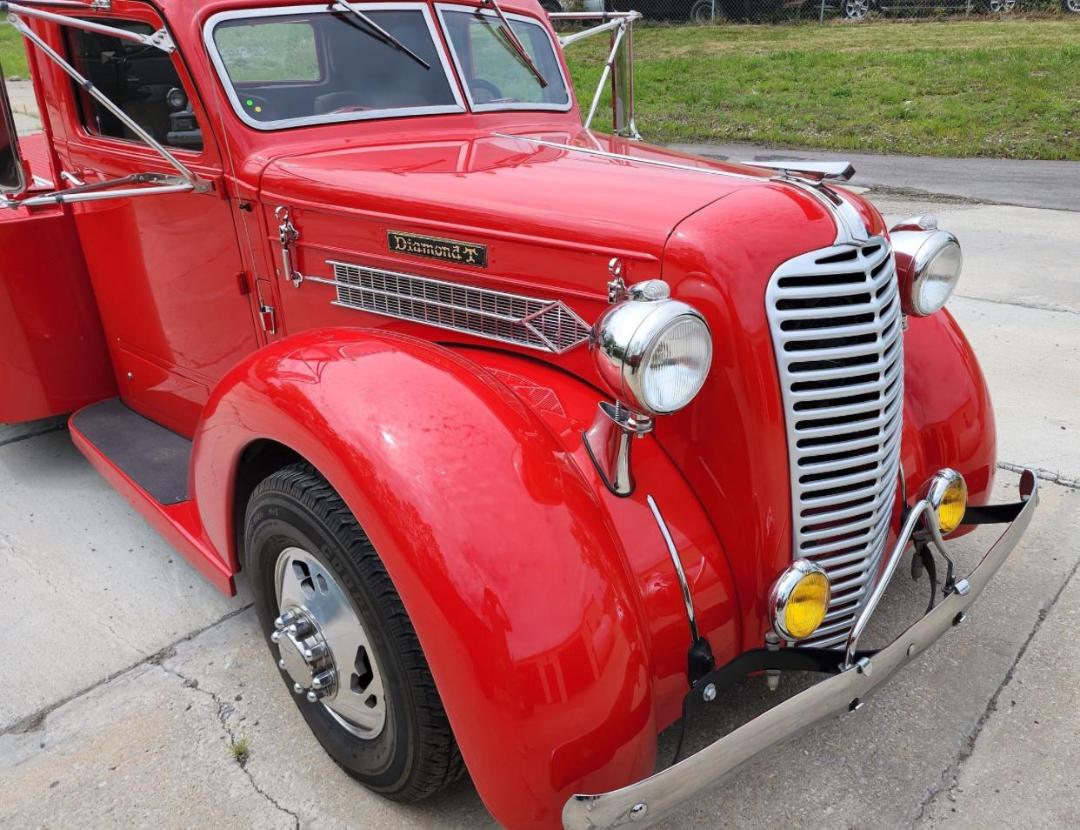
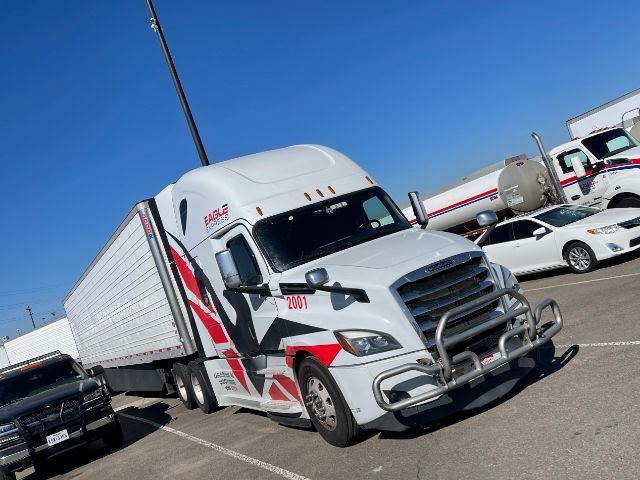
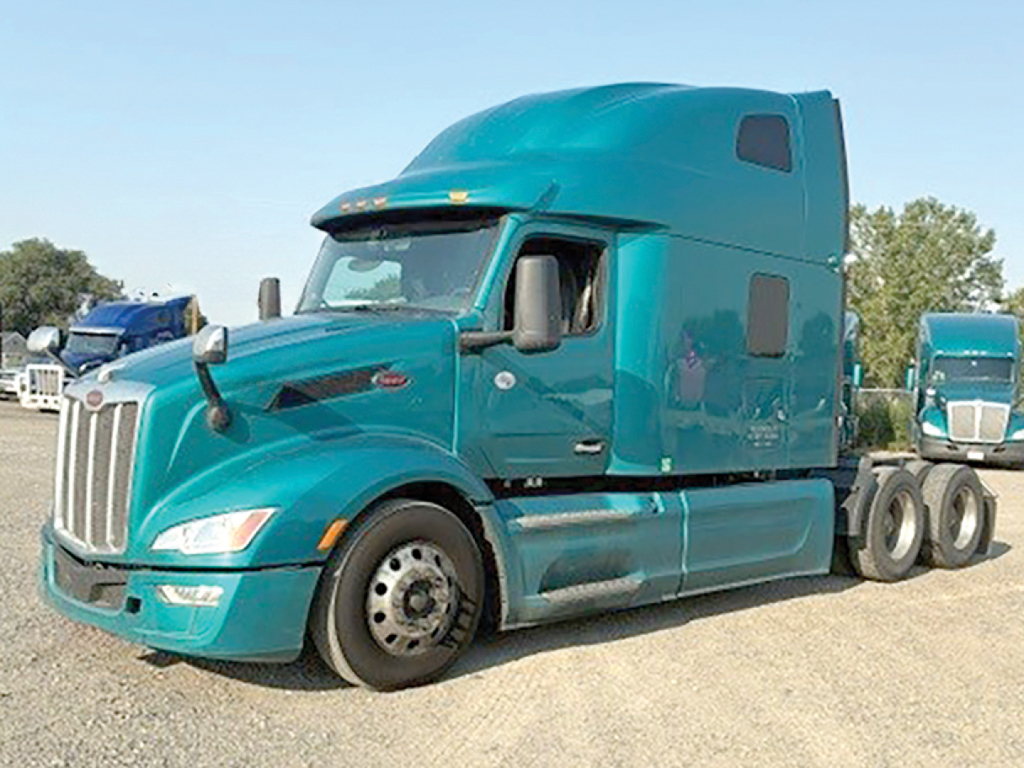
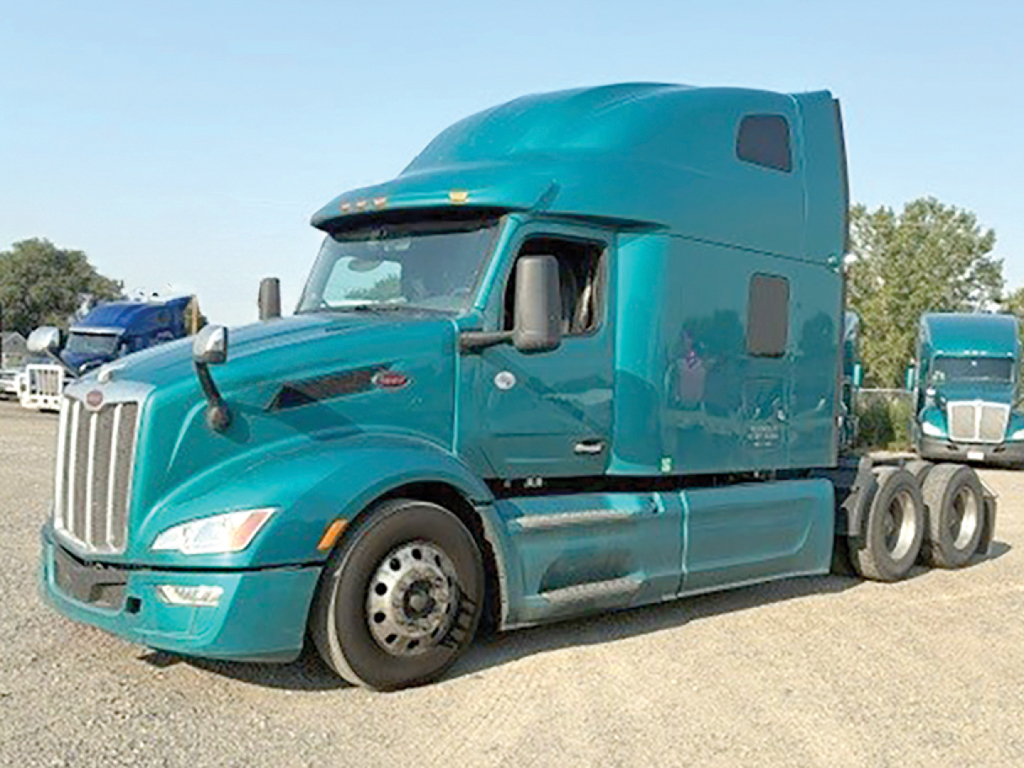
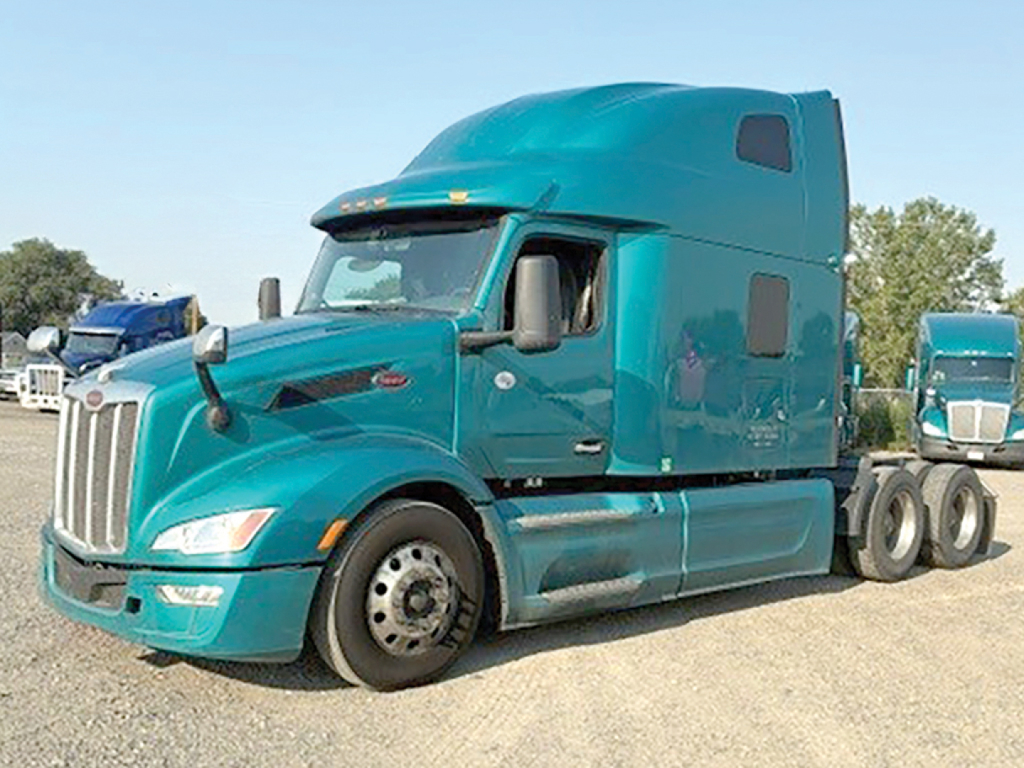
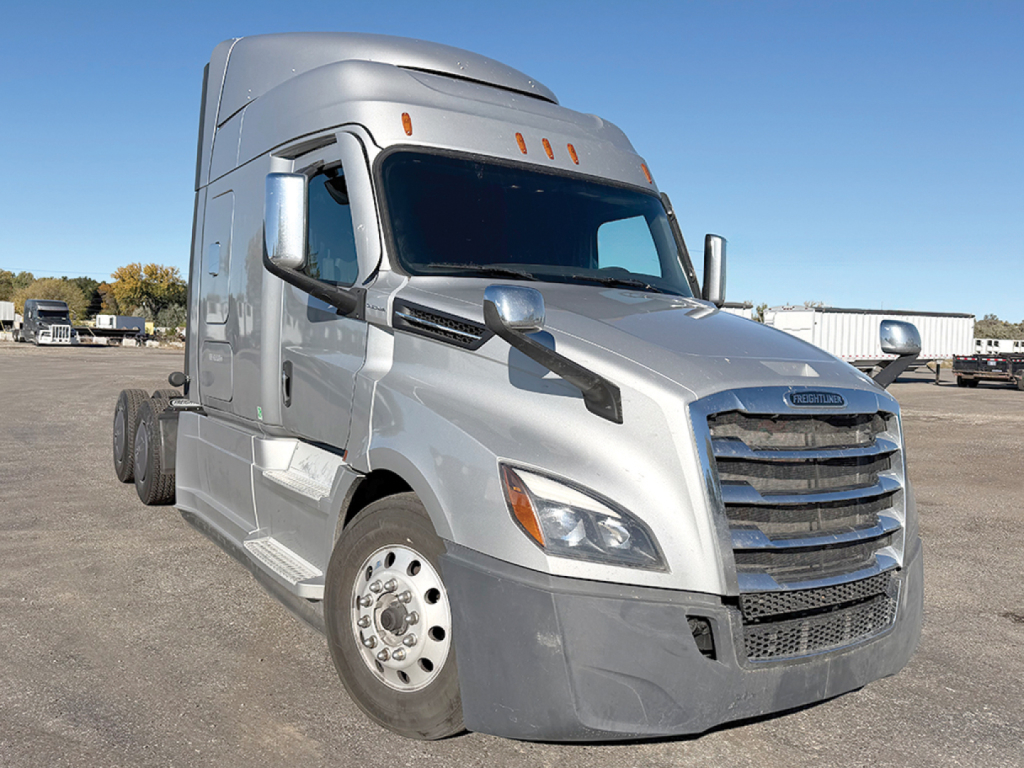
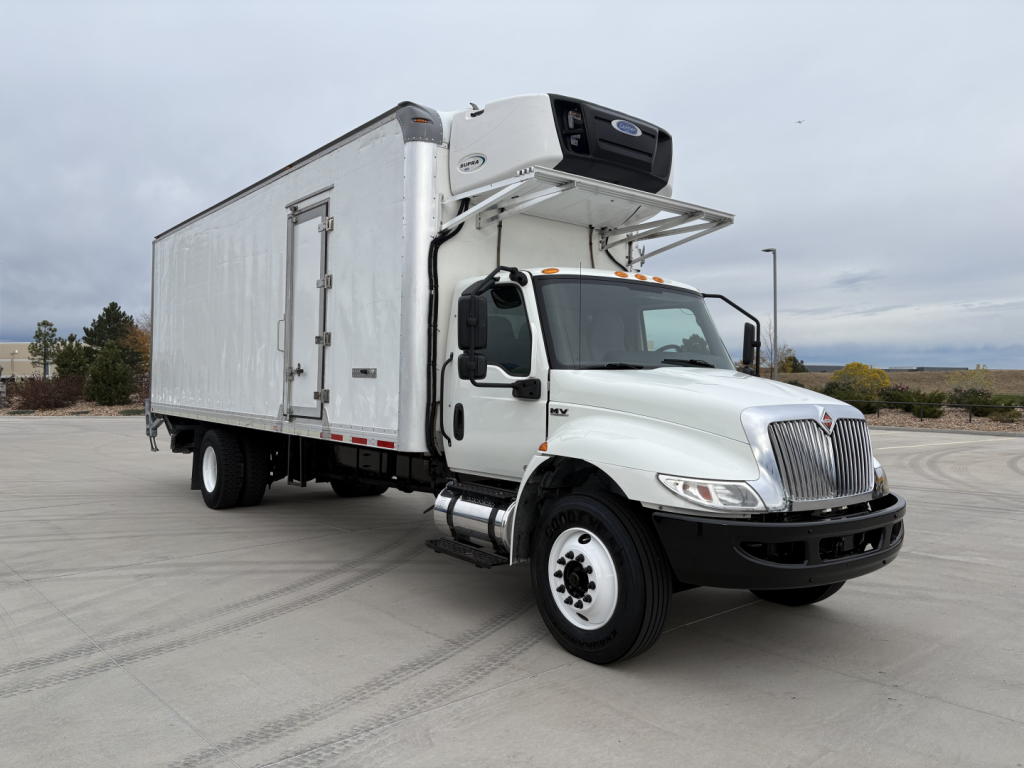
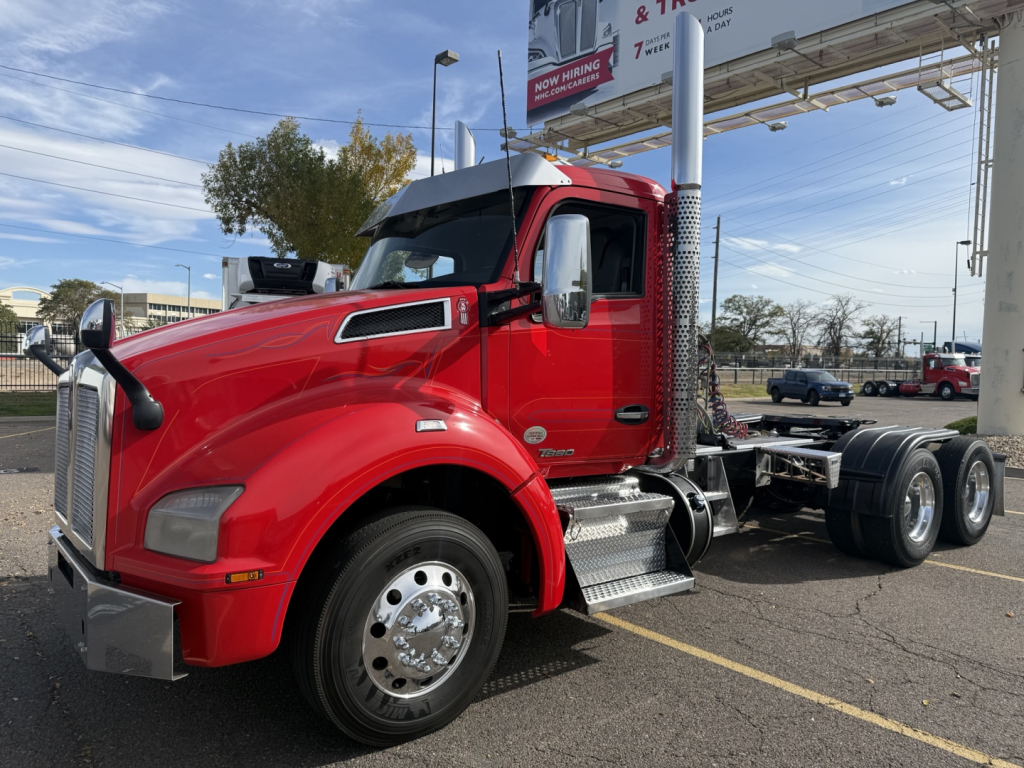
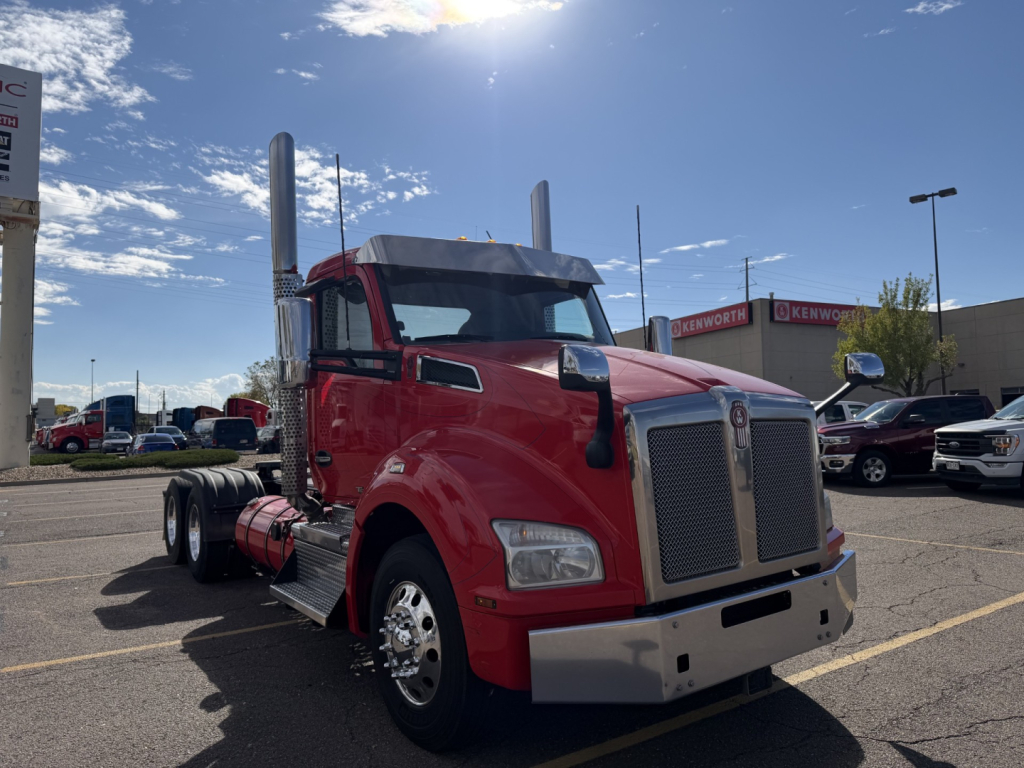
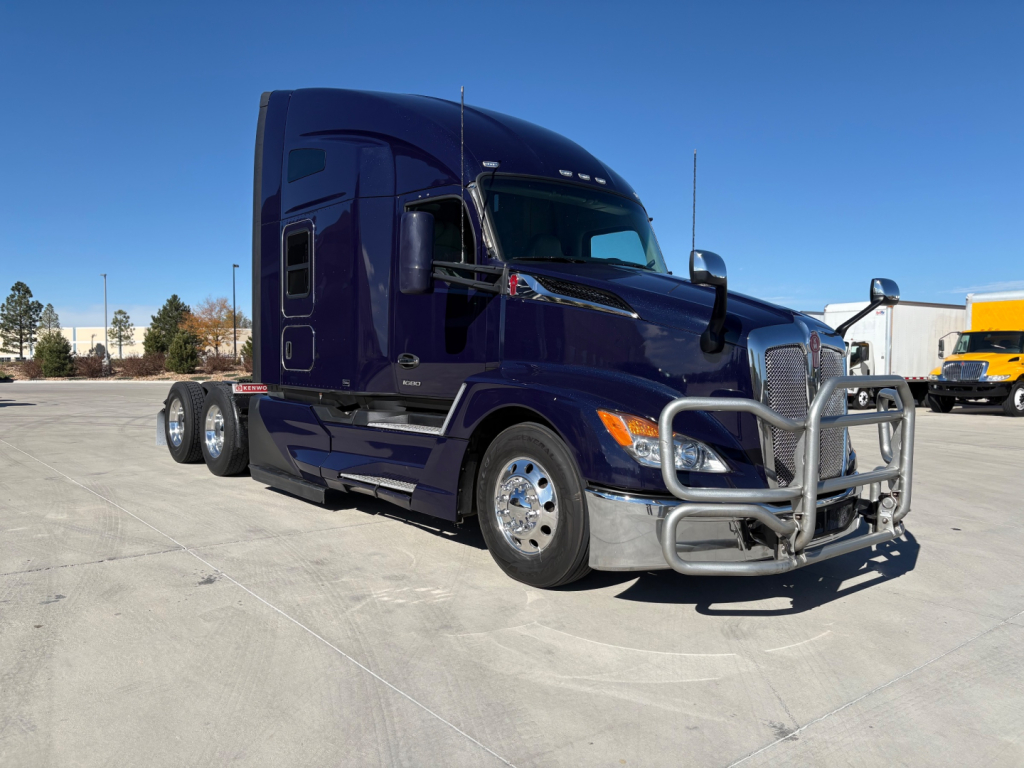
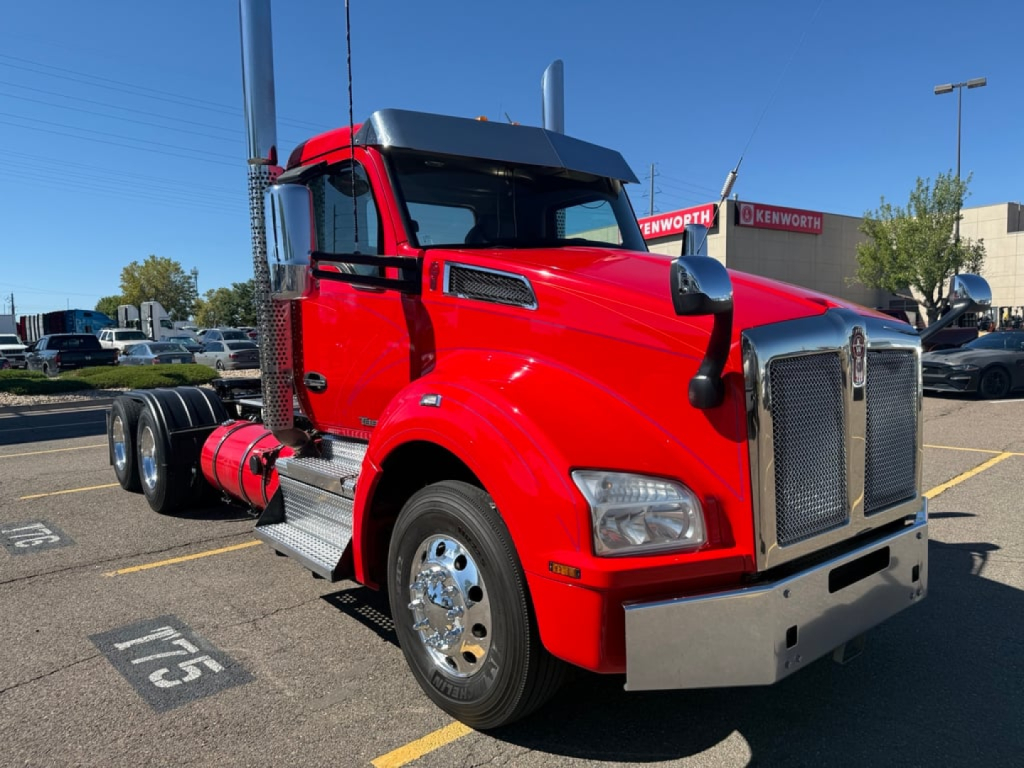
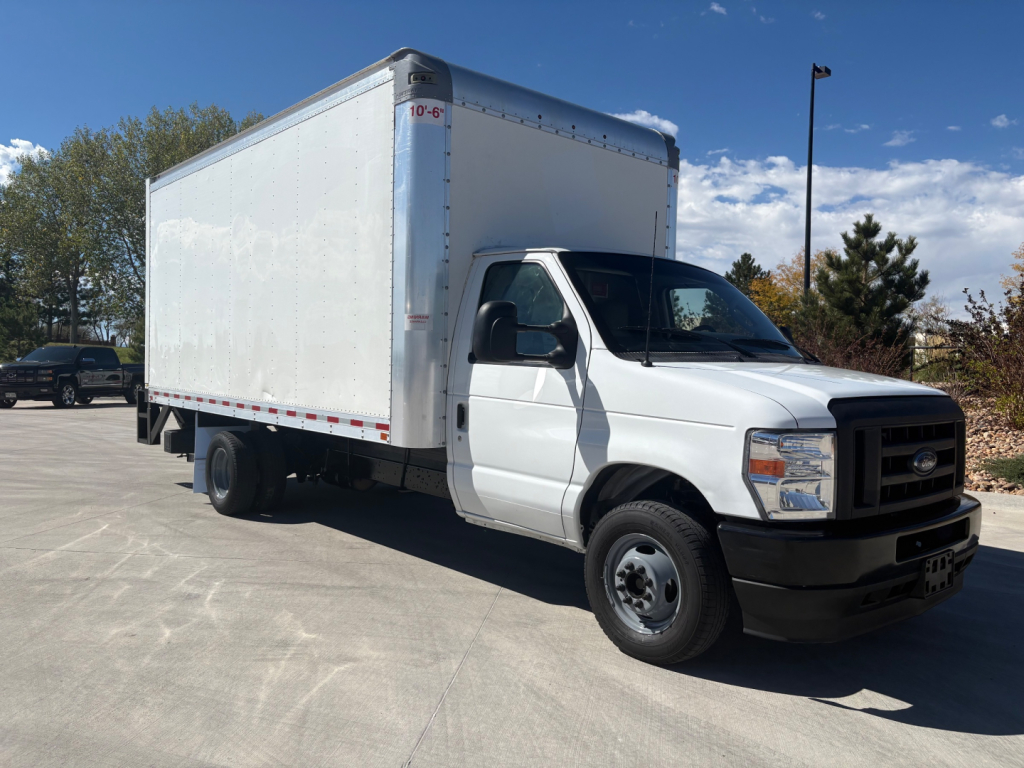
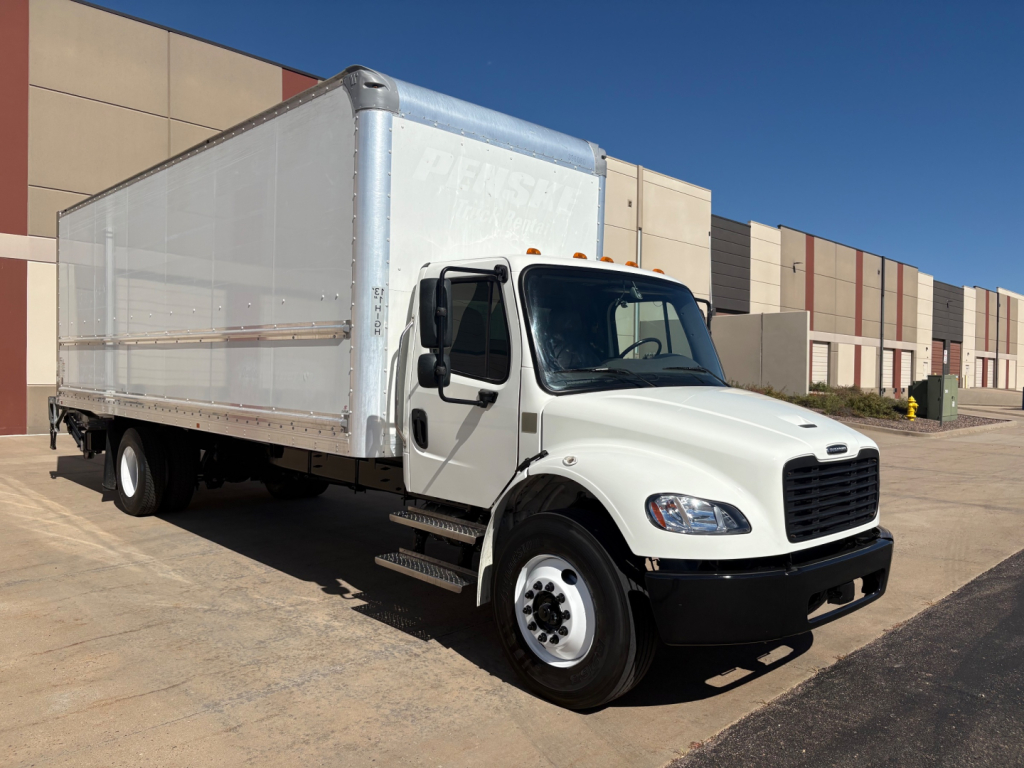
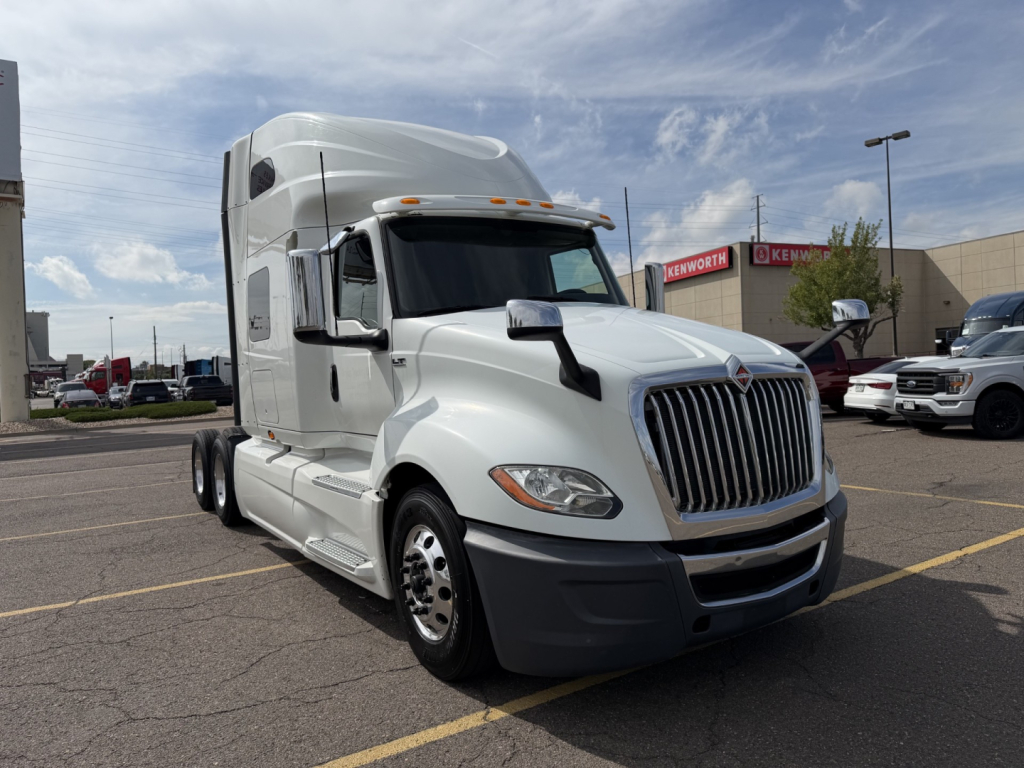
Showing 1 to 28 of 81 results
Selling a used commercial truck? List your used commercial truck for sale and reach thousands of commercial buyers.
Used Commercial Trucks in Colorado
For vocational trucks, body and equipment condition can matter as much as the chassis. On dump trucks, inspect hoist operation, bed floor wear, hinge points, PTO engagement, and any frame corrosion or cracking around body mounts. On bucket and utility trucks, verify boom hours, insulation rating if applicable, outrigger function, hydraulic leaks, and service documentation for the aerial device. Box trucks and delivery trucks should be checked for cube size, door type, floor condition, liftgate operation if equipped, and roof or wall leaks. Across all used trucks, common powertrain considerations include engine hours versus odometer miles, automatic versus manual transmission, rear axle ratio, suspension type, and brake system maintenance history.
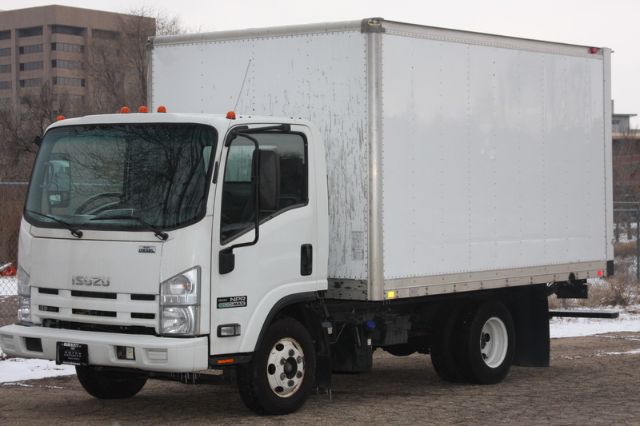
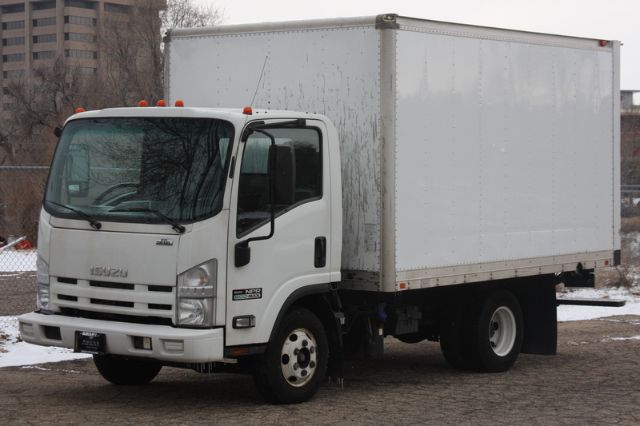
Colorado buyers also benefit from thinking through operating geography before narrowing down make and model. Front range delivery work may favor maneuverable cabover or medium-duty chassis such as Isuzu NPR-class trucks, while mountain service routes and construction work often call for heavier frames, higher GVWR ratings, locking differentials, and stronger grade-braking capability. Utility contractors may prioritize PTO-driven accessories, beacon and strobe packages, tool storage, and work-ready bodies. Heavy haul and specialty trucks should be matched to axle configuration, wheelbase, hitch setup, and legal weight requirements for the intended load.
A strong used truck choice is one that matches payload, body spec, and route demands without carrying unnecessary operating cost. Service records, DOT inspection history, tire age, suspension wear, hydraulic performance, and signs of hard vocational use should all be part of the evaluation. Buyers comparing used trucks in Colorado typically get the best long-term value by balancing acquisition price against remaining service life, ease of parts support, and how closely the truck's configuration fits the actual job.
Frequently Asked Questions about Used Commercial Trucks in Colorado
What types of used trucks are commonly found for sale in Colorado?
Used trucks in Colorado commonly include box trucks, dump trucks, bucket trucks, utility trucks, flatbeds, service trucks, and heavier vocational chassis. The market also includes medium-duty delivery trucks, municipal fleet units, and specialty trucks built for construction, telecom, and heavy haul work. Availability often reflects regional demand, so buyers will frequently see trucks equipped for snow, grades, and year-round commercial use.
What should I inspect first on a used vocational truck?
Start with the truck's application-critical systems. On a dump truck, that means the bed, hoist, PTO, and frame. On a bucket truck, focus on boom condition, outrigger operation, hydraulic performance, and inspection records for the aerial device. On a box truck, inspect the cargo body, floor, roof, roll-up door, and any liftgate. After that, review engine hours, transmission operation, brake condition, tire wear, suspension components, and maintenance records to judge remaining service life.
Is 4x4 important for a used truck in Colorado?
4x4 is important when the truck will regularly operate in snow, mud, undeveloped sites, mountain access roads, or utility right-of-way conditions. It is less critical for paved urban delivery or highway-based operations, where a 4x2 truck may offer lower weight, lower complexity, and reduced operating cost. The decision should be based on route conditions, seasonal use, and whether traction limitations would affect uptime or safety.
How do miles and engine hours affect used truck value?
Miles show road use, while engine hours help reveal total operating time, especially on trucks that idle extensively or run PTO-driven equipment. A utility or bucket truck can show moderate mileage but high PTO or engine hours because it spends long periods stationary while working. Buyers should evaluate both figures together, since hours often tell more about wear on the engine, hydraulics, and accessories than mileage alone.
Why does truck configuration matter so much on a used purchase?
Configuration determines whether the truck can actually perform the intended work efficiently and legally. GVWR, axle rating, wheelbase, body length, suspension, transmission, PTO capability, and rear axle ratio all affect payload, maneuverability, speed, and jobsite suitability. A truck that is priced well but mismatched to the application can create higher operating cost, reduced productivity, and expensive modifications after purchase.