
Used Peterbilt Trucks For Sale in Colorado
Shop used Peterbilt trucks for sale in Colorado, including 389, 379, and 579 models with sleeper and day cab specs for regional or long-haul work.
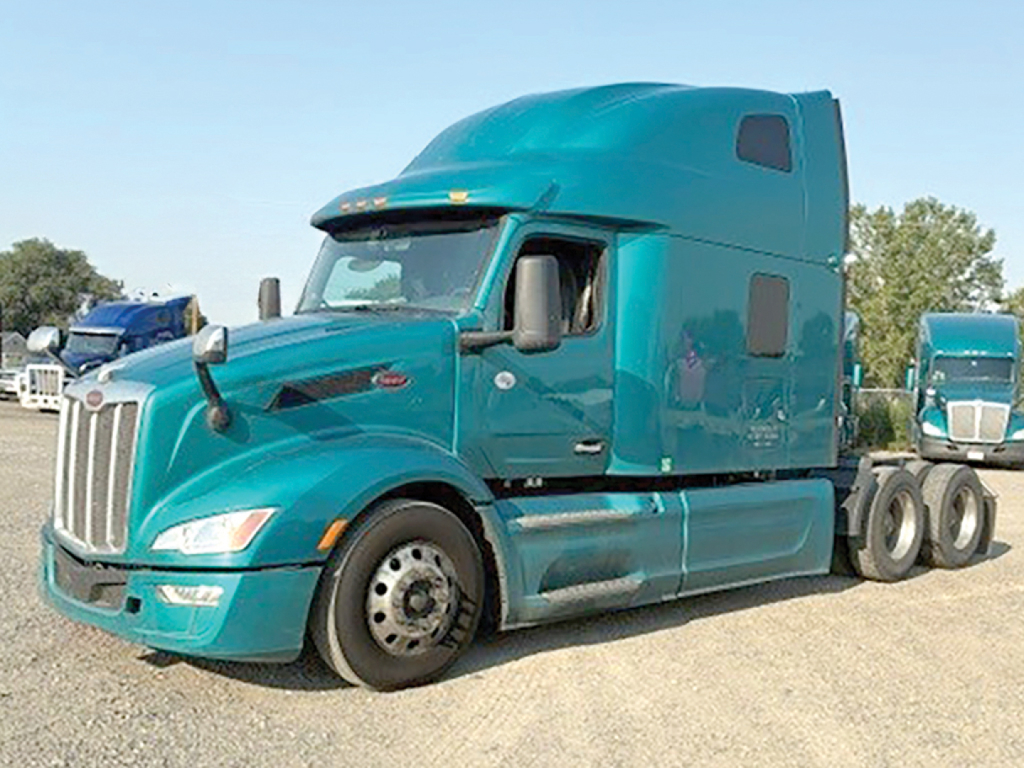
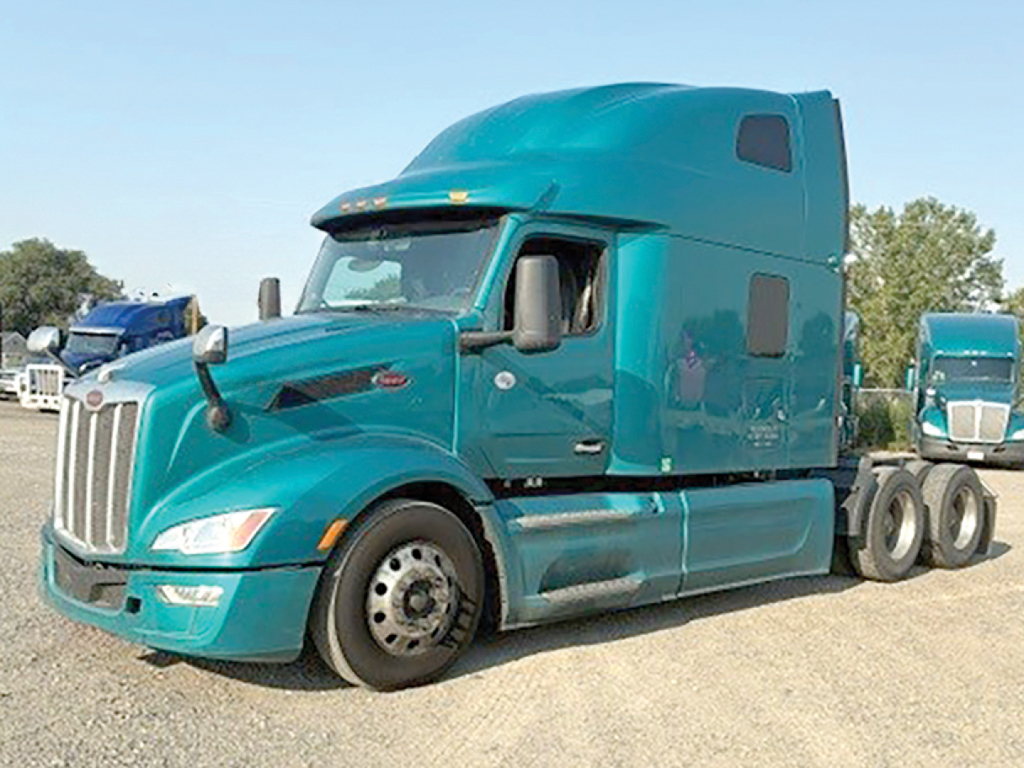
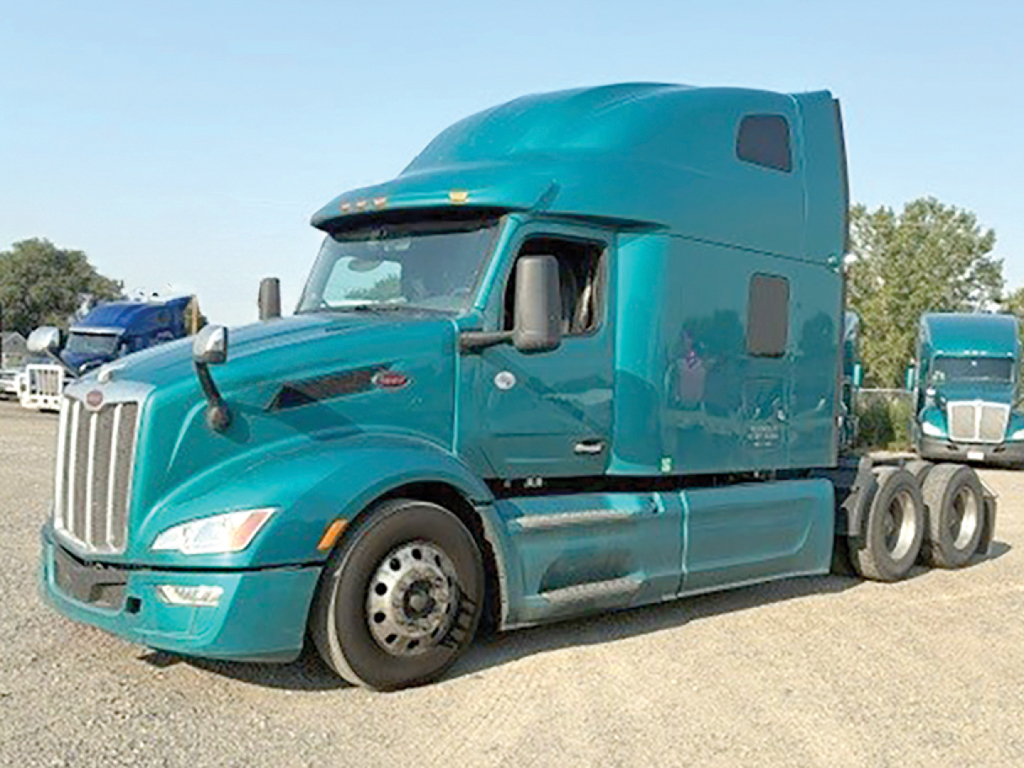
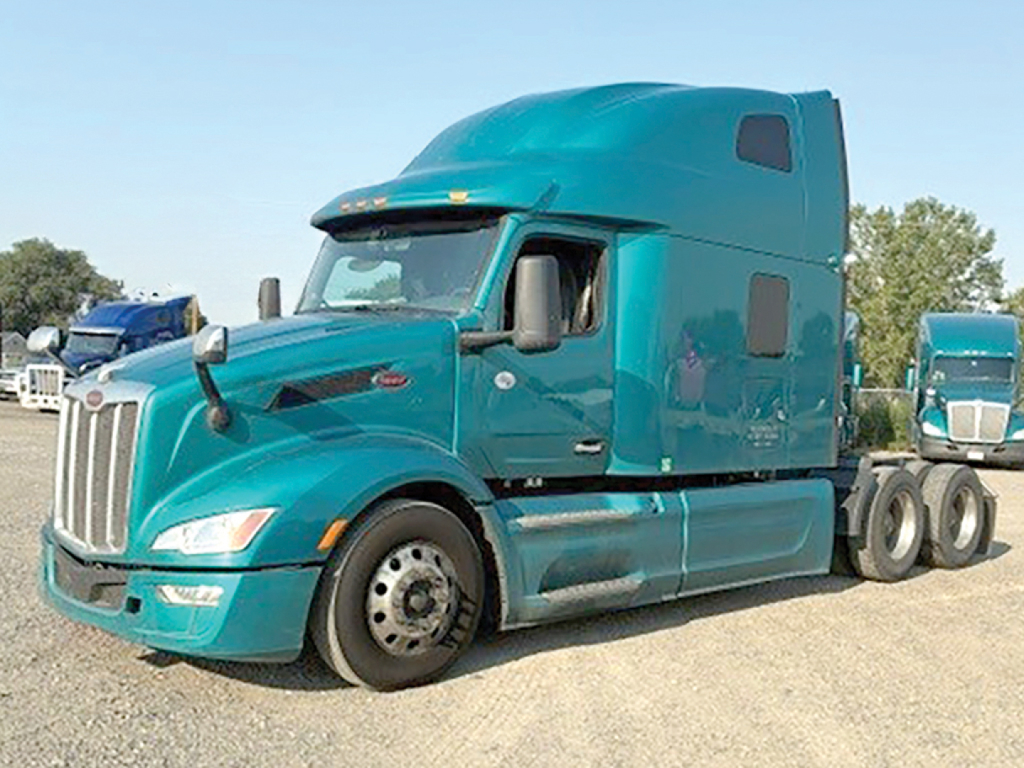
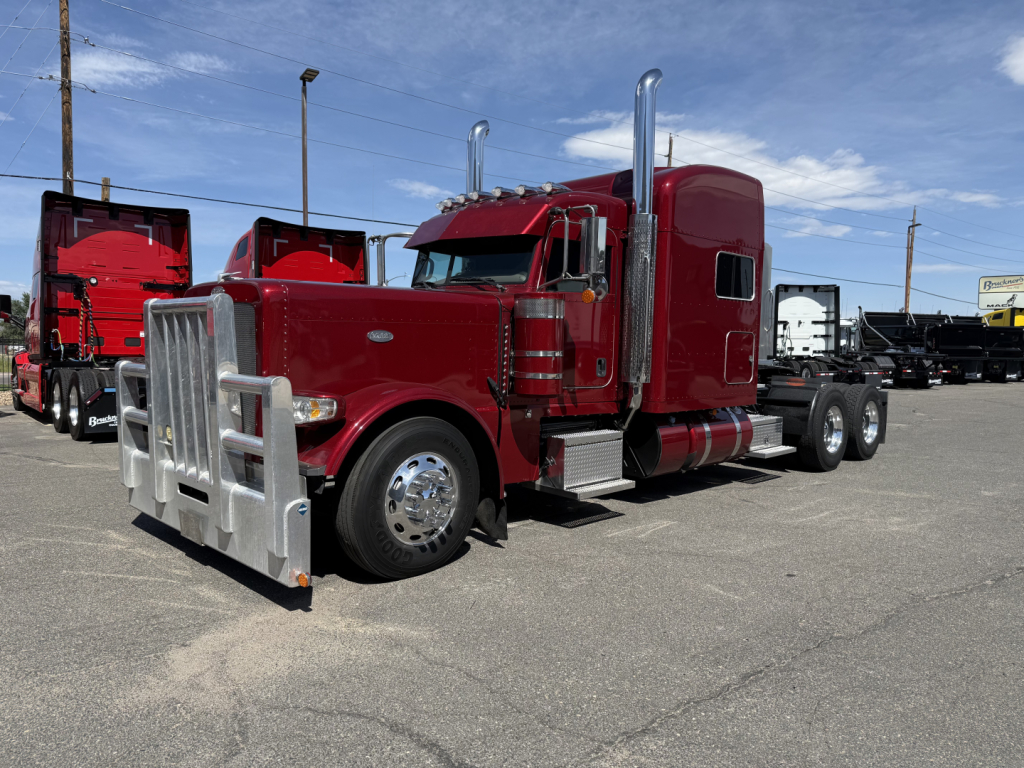
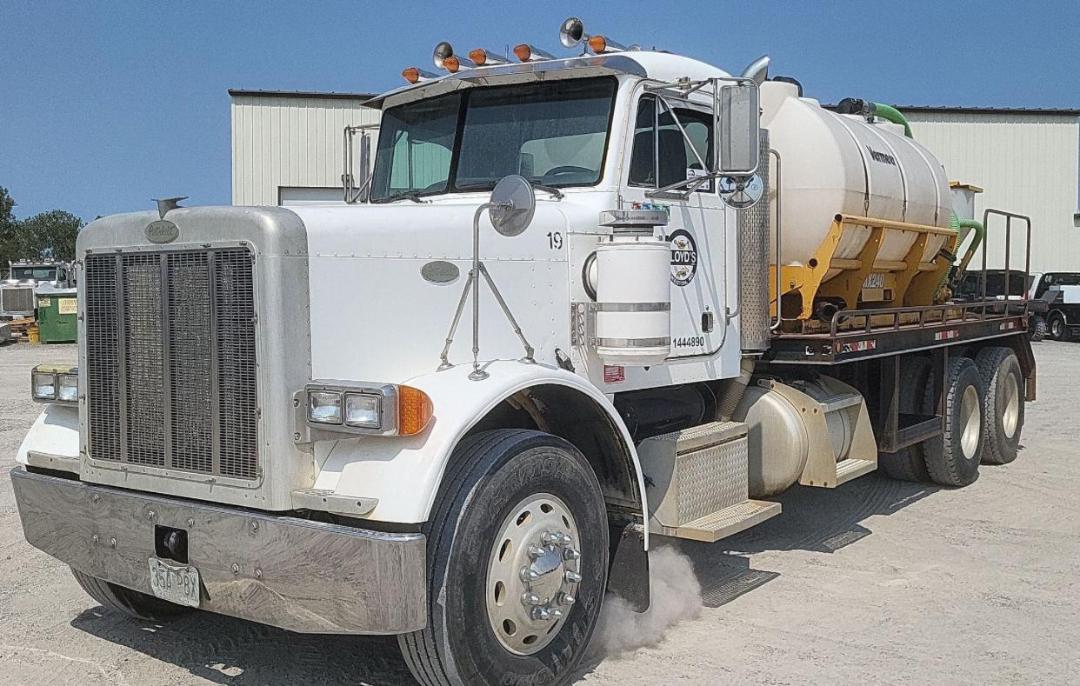
Selling a used peterbilt truck? List your used peterbilt truck for sale and reach thousands of commercial buyers.
Used Peterbilt Trucks in Colorado
The 579 is Peterbilt’s modern fleet and fuel-economy platform, commonly spec’d with PACCAR MX-13 or Cummins X15 engines, automated transmissions, aero fairings, and 2.64 to 2.85 rear ratios for over-the-road efficiency. Sleeper configurations such as the UltraLoft are built for teams or solo drivers needing stand-up room and better storage. The 389, by contrast, is the classic long-nose Peterbilt that remains popular with owner-operators hauling specialized freight, livestock, flatbed, and other lanes where appearance, serviceability, and traditional spec choices still matter. Older 379 models are still sought after for their mechanical familiarity, strong resale following, and suitability for heavy or custom applications, especially when paired with CAT power, manual transmissions, or tri-axle setups.
When evaluating a used Peterbilt, look beyond make and model and focus on how the truck was spec’d. Horsepower in this class often lands around 450 to 500 HP, with 40,000 to 46,000 lb rears being common depending on highway or heavier-duty use. A 3.36 or 3.73 ratio will pull and climb better than a fuel-miser highway spec, but it can cost road speed and efficiency. Wheelbase, fifth wheel type, suspension, brake spec, and sleeper layout all affect how well the truck fits the work. In Colorado and across the Rockies, many buyers prioritize engine brakes, disc brakes, bunk heaters, and proven emissions-system history. If the truck will spend time on I-70 or other steep corridors, that spec sheet matters as much as the badge on the hood.
Peterbilt trucks also tend to attract buyers who care about cab environment and long-term ownership. Features like air ride suspension, tilt and telescoping steering, premium interiors, APUs, refrigerators, and larger sleepers can make a real difference in driver retention and uptime on long runs. For day cab and non-sleeper units, pay close attention to axle configuration, PTO capability, pusher axles, and frame condition if the truck may be used for dump, equipment, or regional heavy-haul support. The right used Peterbilt is less about year alone and more about matching the truck’s engine, transmission, axle ratio, and chassis layout to the freight, terrain, and maintenance plan.
Frequently Asked Questions about Used Peterbilt Trucks in Colorado
What are the most common used Peterbilt truck models buyers compare in Colorado?
The most common comparisons are usually between the Peterbilt 579, Peterbilt 389, and older Peterbilt 379. The 579 is the aerodynamic highway tractor built for fuel economy and fleet-friendly long-haul service. The 389 is a traditional long-hood conventional that appeals to owner-operators and specialized freight haulers who want a classic platform with heavier visual and chassis presence. The 379 remains popular on the used market because many buyers value its simpler older design, strong aftermarket support, and reputation when properly maintained.
Is a Peterbilt 579 or 389 better for mountain hauling?
It depends on the exact spec, not just the model. For Colorado mountain hauling, horsepower, torque rating, transmission type, rear axle ratio, and engine brake effectiveness matter more than nameplate alone. A 579 with a strong engine brake, proper gearing, and an MX-13 or X15 can be an excellent mountain truck while still delivering better aerodynamics on the highway. A 389 often appeals to buyers who want a heavier traditional spec, manual transmission options, and gearing that favors pulling performance on grades.
What should I inspect first on a used Peterbilt truck?
Start with the powertrain and chassis match. Confirm engine model, horsepower, transmission, rear axle ratio, axle ratings, wheelbase, and fifth wheel setup. After that, review service records, emissions-system history, brake condition, suspension wear, tire wear pattern, and signs of frame damage or corrosion. On sleeper trucks, inspect HVAC performance, bunk heater operation, APU condition if equipped, and all cab electronics. A used Peterbilt can look excellent cosmetically while still being wrong for the intended freight if the gearing or axle spec is off.
Are older Peterbilt 379 trucks still a good buy?
They can be, especially for buyers who want a classic conventional with strong aftermarket support and proven heavy-duty appeal. Many 379 buyers specifically look for Caterpillar or Cummins engines, manual transmissions, and simpler configurations that are easier to understand and maintain than newer emissions-era trucks. The key is condition and documentation. An older 379 with a sound frame, healthy drivetrain, and clear repair history can still be a productive truck, but age makes inspection quality even more important.
What sleeper size and configuration should I look for in a used Peterbilt?
That depends on lane length, driver schedule, and how the truck will be staffed. High-roof sleepers in the 78-inch to 80-inch range are common on long-haul Peterbilt trucks and give better storage, standing room, and space for upper bunks, refrigerators, or driver comfort options. For regional work, a smaller sleeper or even a day cab may be the better fit because it reduces weight and can improve maneuverability. Buyers should compare sleeper size together with wheelbase, fuel capacity, and payload requirements instead of treating sleeper length as a standalone feature.