
Used Peterbilt Conventional Daycab Trucks For Sale in Colorado
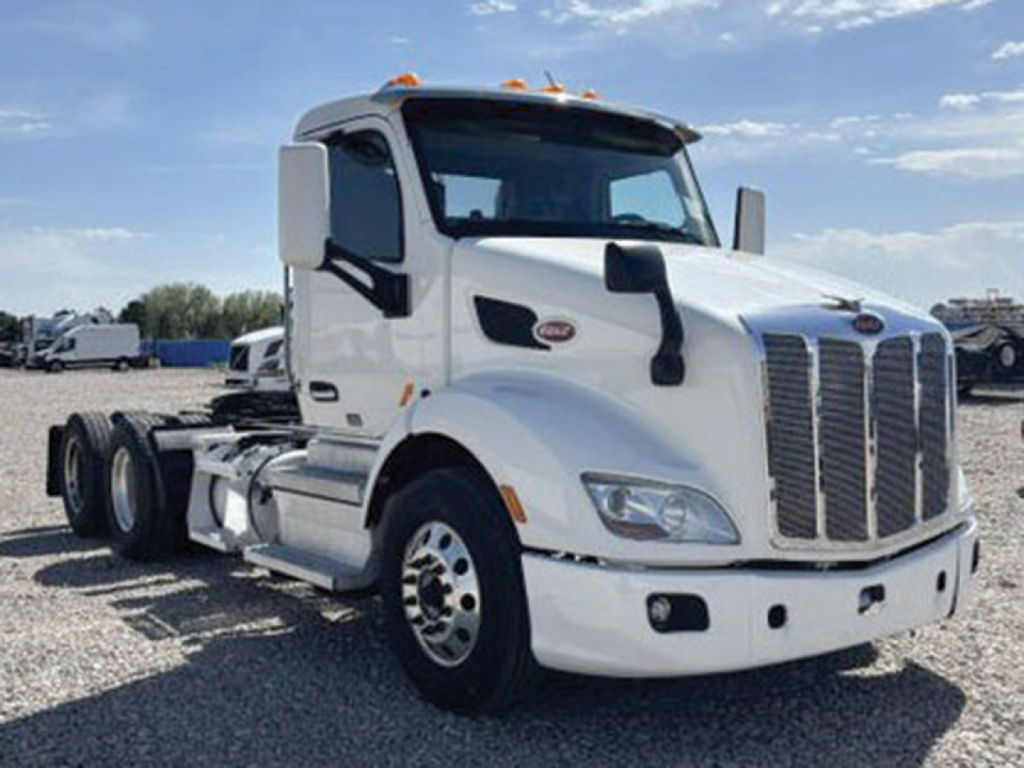
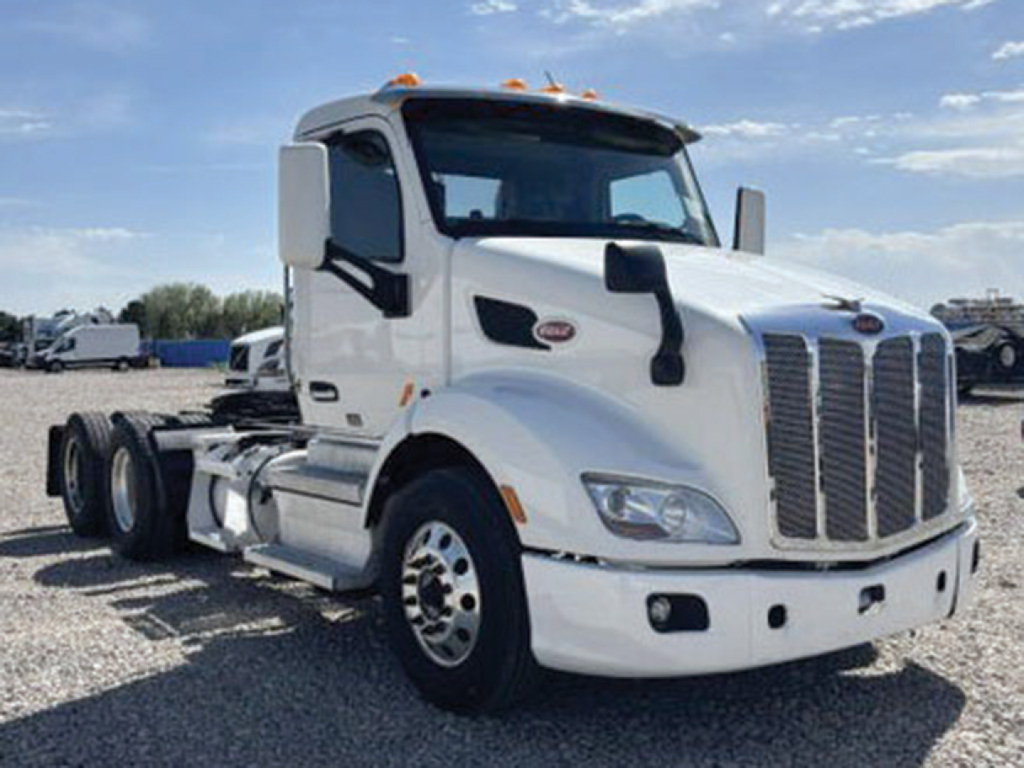
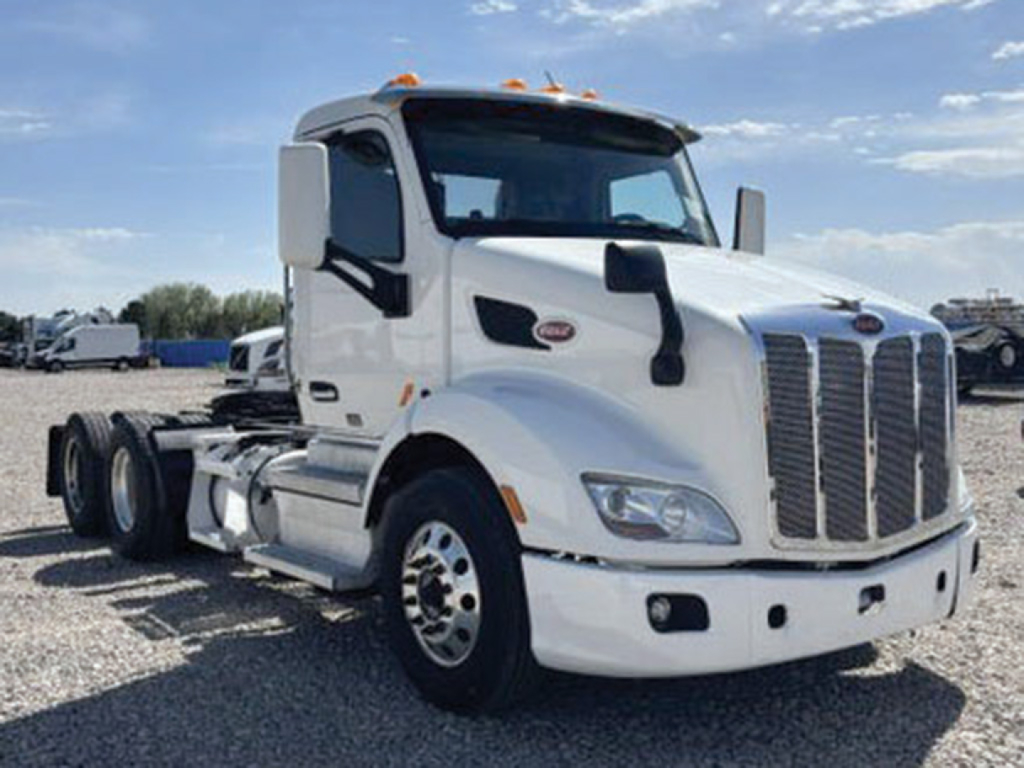
Shop used Peterbilt conventional daycab trucks for sale in Colorado. Compare specs, wheelbase, engine, axle ratio, and vocational features.
Learn more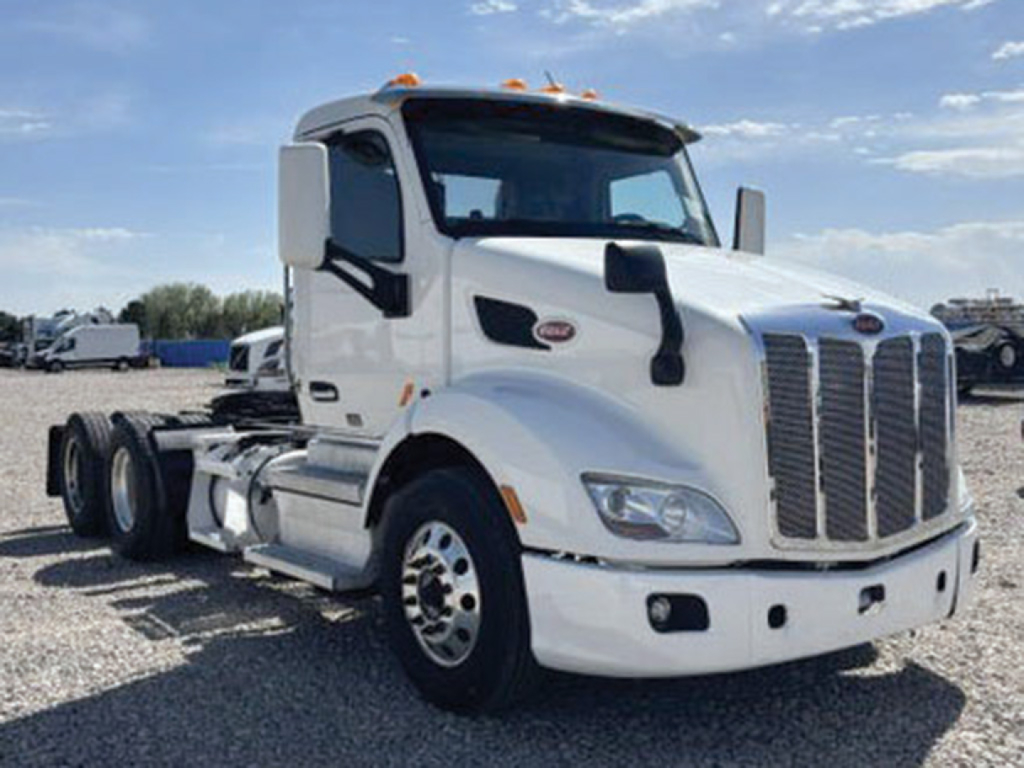
Have used peterbilt conventional daycab truck to sell? List it here to reach thousands of buyers.
About Used Peterbilt Conventional Daycab Trucks in Colorado
A buyer should start with the core operating spec: engine, transmission, rear axle rating, wheelbase, and fifth wheel setup. Many used Peterbilt daycabs are equipped with PACCAR MX-13 engines in the 400 to 500 horsepower range, often paired with automated transmissions and engine brakes for easier operation in stop-and-go traffic and mountain corridors. A 40,000 lb tandem rear with a mid-3 series ratio is a common regional spec because it supports fuel economy at cruising speed while still giving acceptable launch and grade performance. Wheelbase matters if the truck will see tight yards, city docks, or a trailer mix that requires careful bridge law and kingpin setting management. Air ride suspension, sliding fifth wheels, and disc brakes are all desirable features on trucks that cycle through multiple trailer types and drivers.
Used-condition evaluation is especially important on a daycab because these trucks tend to accumulate frequent starts, stops, hookups, and yard maneuvers. Pay attention to clutch life on manual units, shift quality on automated manuals, suspension wear, steering play, brake condition, aftertreatment history, and signs of frame or fifth wheel stress from heavy or repeated vocational use. On Peterbilt models, buyers also tend to look closely at cab condition, driver interface features, and electrical integrity, especially if the truck has collision mitigation, power accessories, or other electronic driver-assist systems. Fuel tank configuration, exhaust routing, and the presence of a pintle hook or wet kit can also tell you whether the truck was used strictly for van and reefer service or had a broader vocational role.
For Colorado operations, practical spec choices can matter as much as brand preference. Disc brakes, engine brakes, low-profile 22.5 tires, and stable air ride suspension help on long descents and variable weather, while a well-matched axle ratio and horsepower rating can reduce strain on grades west of the Front Range. A used Peterbilt conventional daycab is often a strong fit for fleets that want a premium on-highway cab in a non-sleeper configuration, especially when uptime, driver acceptance, and regional versatility are priorities.
Frequently Asked Questions
What is a Peterbilt conventional daycab truck best used for?
A Peterbilt conventional daycab is best suited for regional haul, local freight, drayage, dedicated routes, LTL work, and vocational applications where the driver returns home daily. The non-sleeper layout reduces overall weight and can improve maneuverability compared with a sleeper tractor. It is a practical choice when the operation values easy cab access, highway comfort, and strong visibility but does not need overnight accommodations.
What specs matter most when buying a used Peterbilt daycab in Colorado?
The most important specs are engine rating, transmission type, rear axle ratio, rear axle capacity, wheelbase, brake type, and fifth wheel configuration. In Colorado, buyers should pay close attention to horsepower and torque for mountain grades, engine brake performance for descents, and axle ratio for the balance between fuel economy and pulling performance. Wheelbase also matters because tighter configurations are easier to manage in urban yards, while longer setups may better fit certain trailer and kingpin settings.
Are Peterbilt 579 daycabs good for regional fleet service?
Yes, the Peterbilt 579 daycab is a common regional fleet platform because it combines an aerodynamic hood, modern driver amenities, and powertrain options that support both fuel efficiency and driver retention. Many are spec'd with PACCAR MX-13 engines, automated transmissions, air ride suspension, and safety systems that fit high-mileage regional work. The right unit depends on how it was maintained and whether its wheelbase, axle rating, and gearing match the trailers and terrain in your operation.
What should I inspect on a used Peterbilt conventional daycab before buying?
Focus on maintenance records, engine and aftertreatment history, transmission operation, brake wear, suspension condition, steering components, and frame integrity around the fifth wheel area. Also inspect tires for uneven wear, confirm that electrical accessories and driver-assist systems function properly, and look for evidence of hard vocational use if the truck has a pintle hook or other auxiliary equipment. A daycab often sees frequent coupling, city driving, and repeated braking cycles, so wear patterns can be different from a long-haul sleeper tractor.
Is an automated transmission a good choice in a used Peterbilt daycab?
For many buyers, yes. An automated transmission can reduce driver fatigue, simplify hiring, and improve consistency in local and regional service where traffic and frequent stops are common. It is especially useful in operations with multiple drivers or routes that include grades and urban congestion. The key is confirming software updates, clutch calibration where applicable, and service history, because drivability and durability depend heavily on proper maintenance.