
Used Peterbilt Conventional Daycab Trucks For Sale
Shop used Peterbilt conventional daycab trucks with specs for regional haul, local delivery, port work, vocational use, and fleet service.
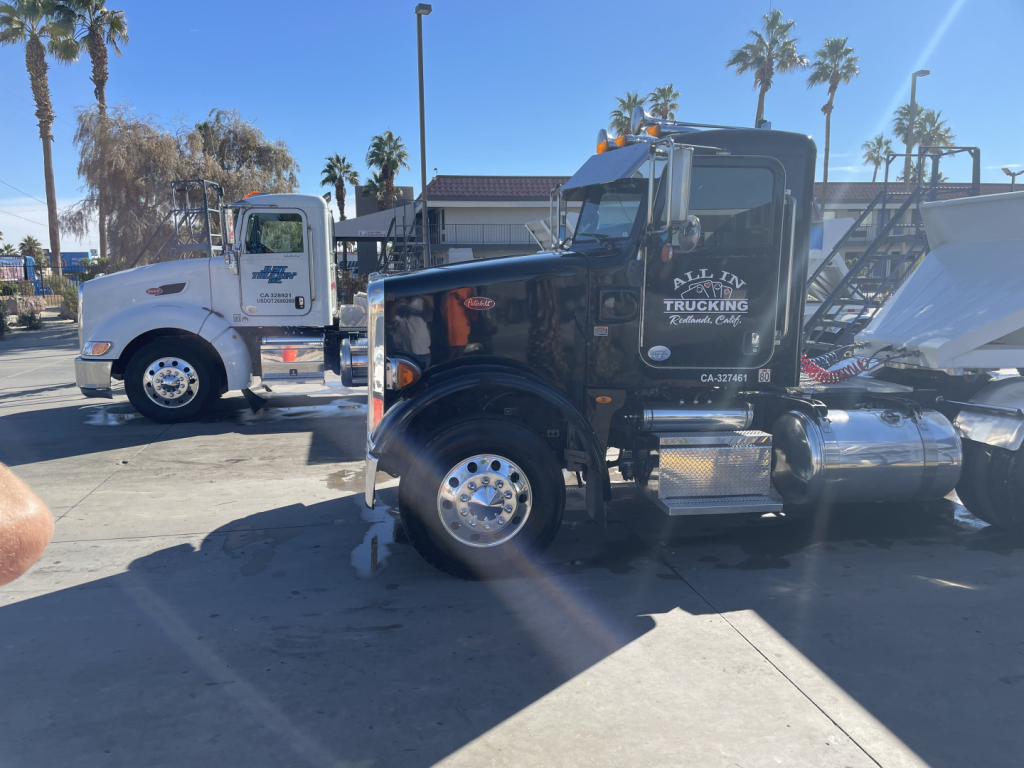
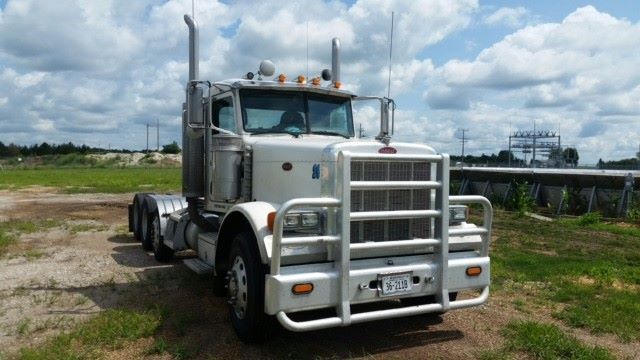
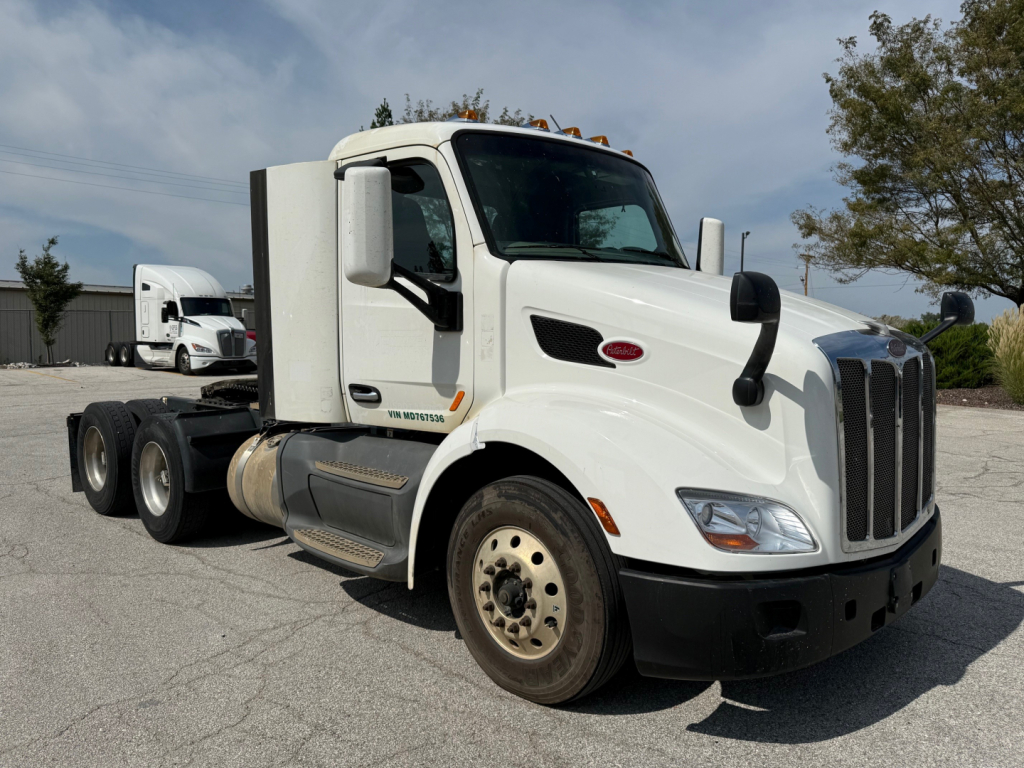
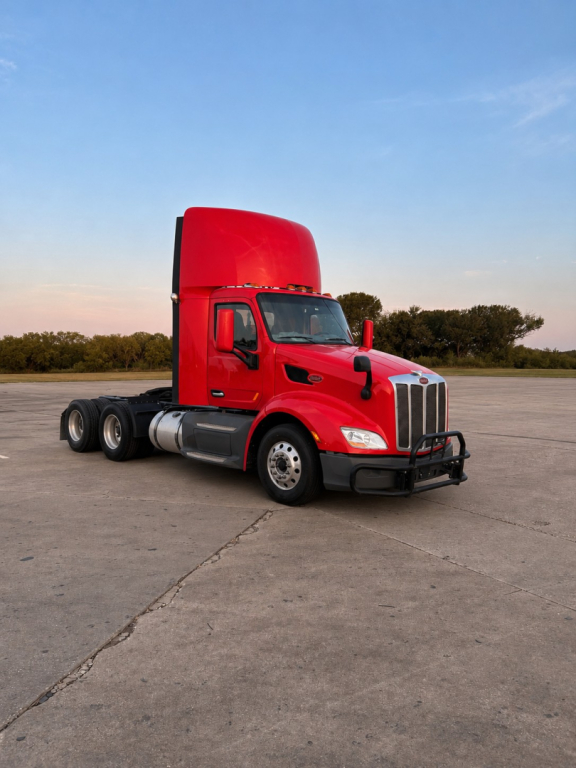
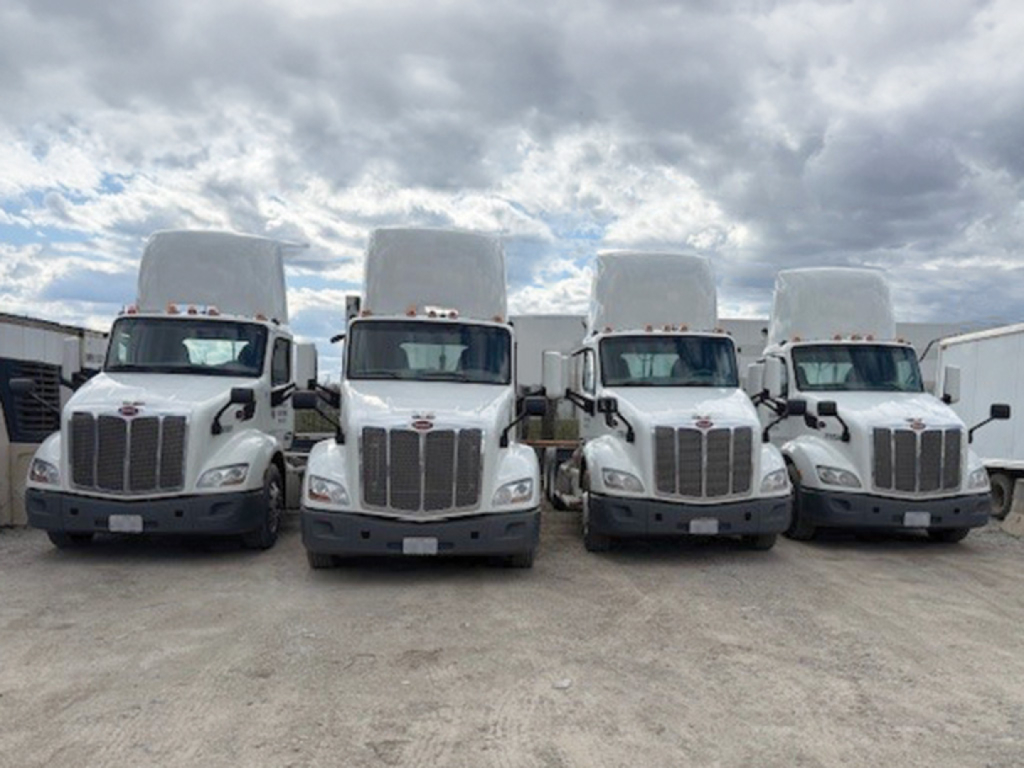
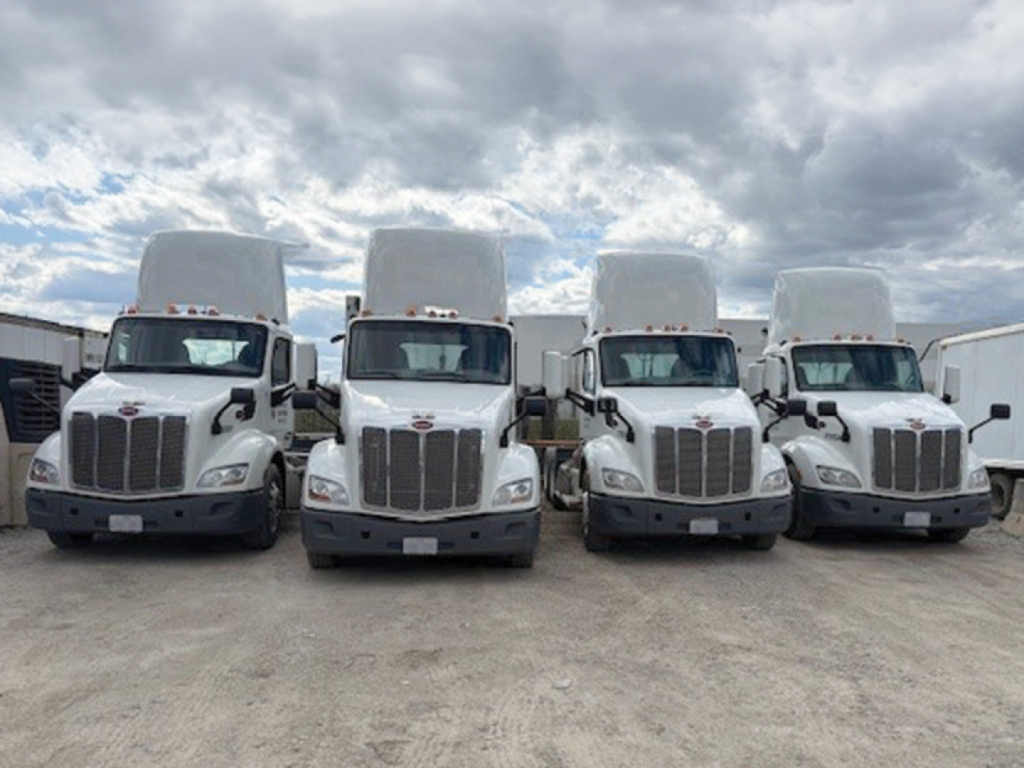
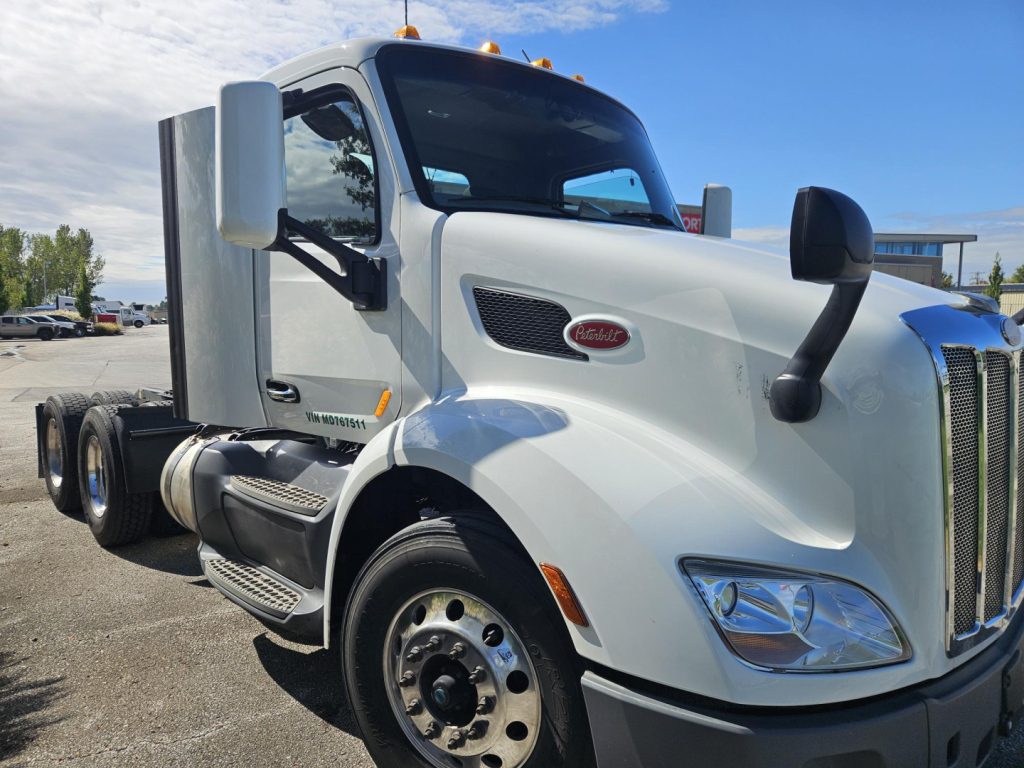
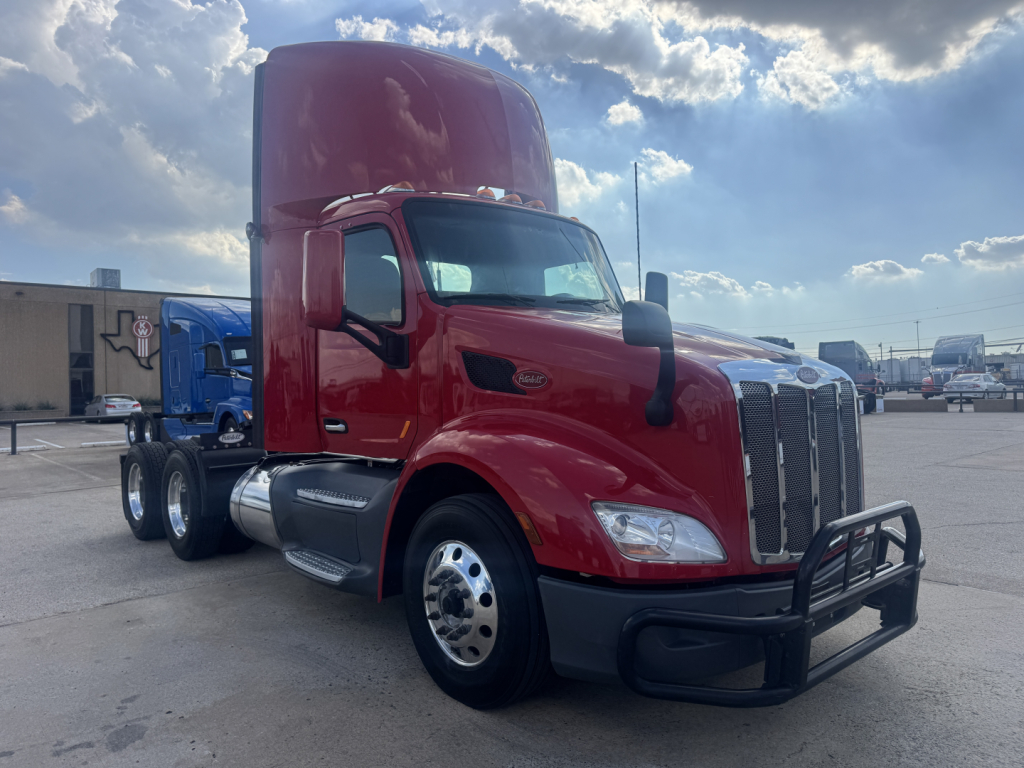
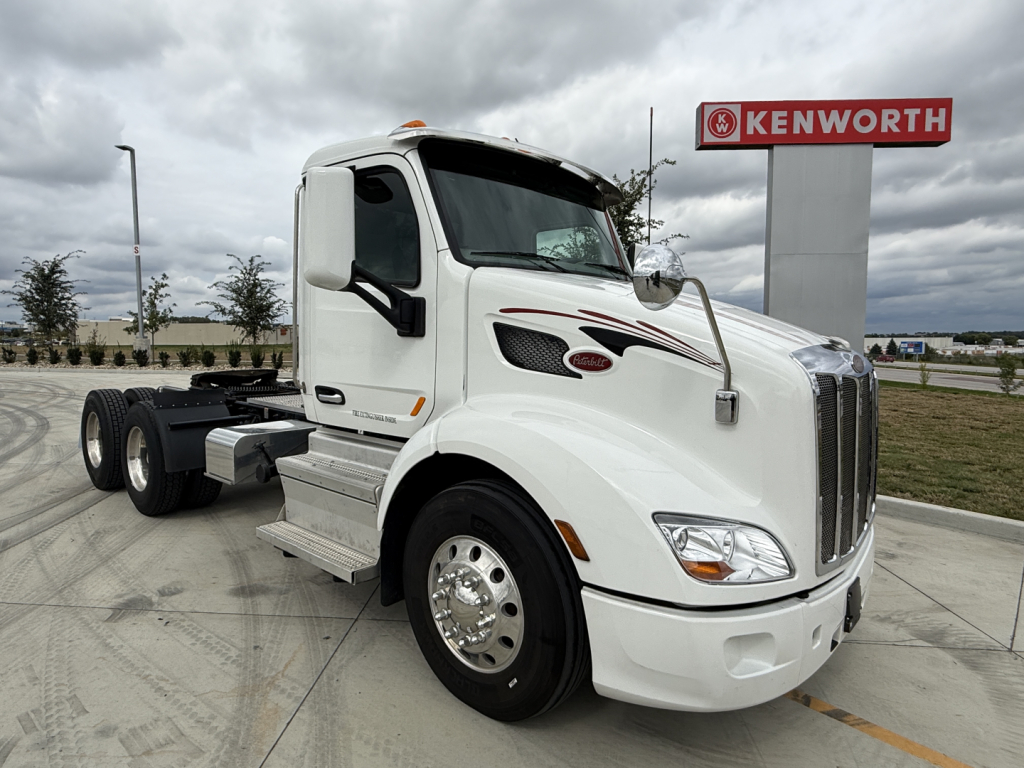
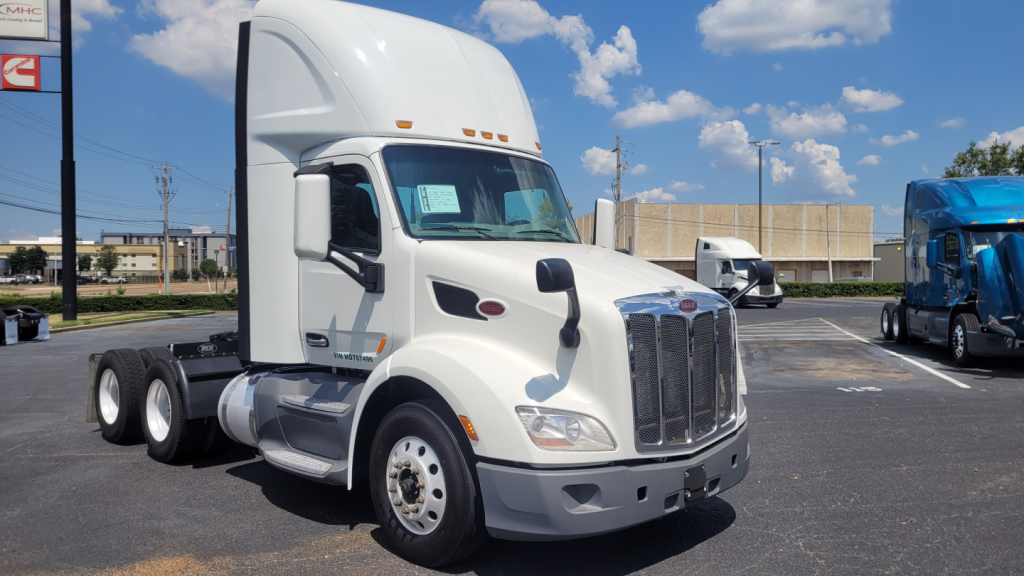
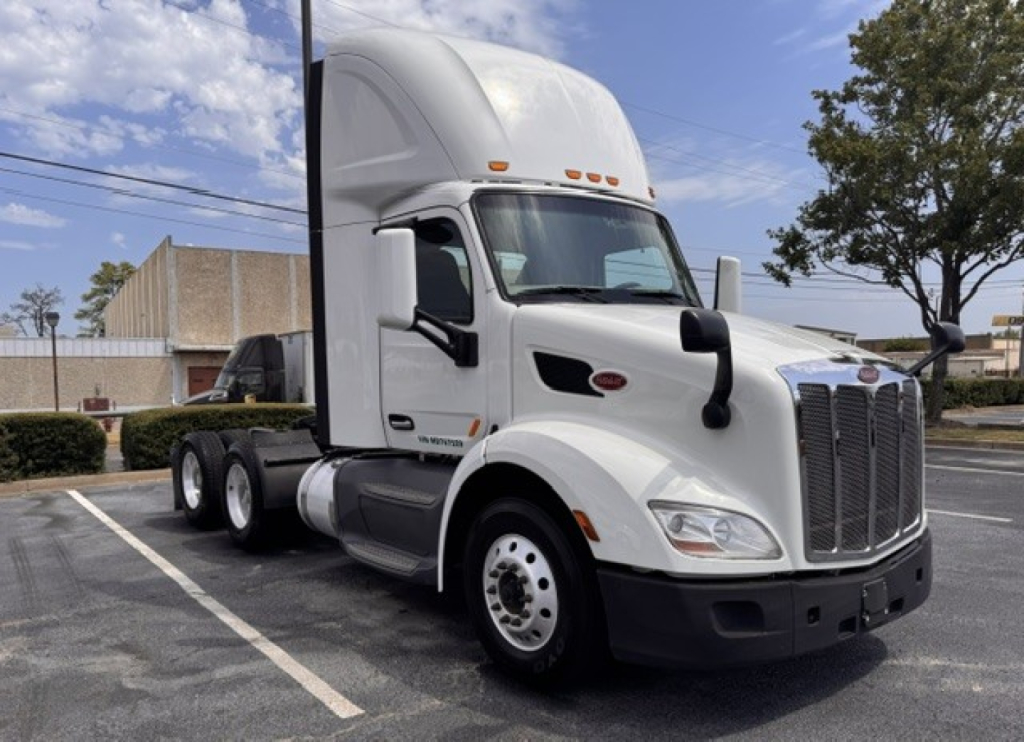

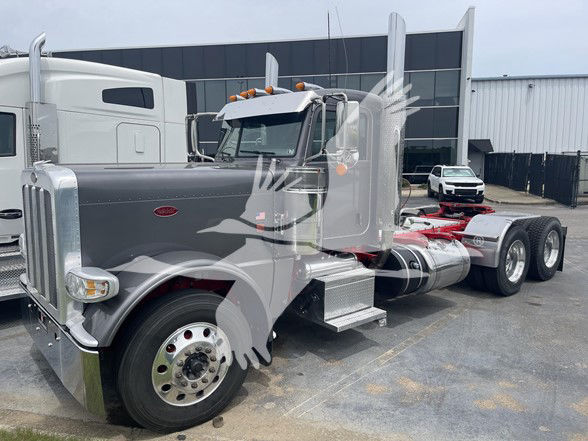
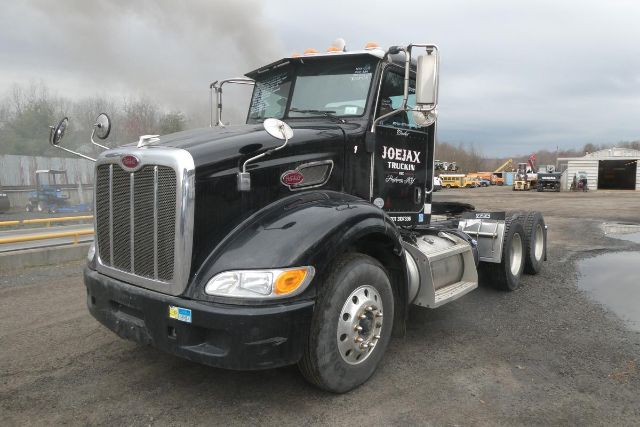
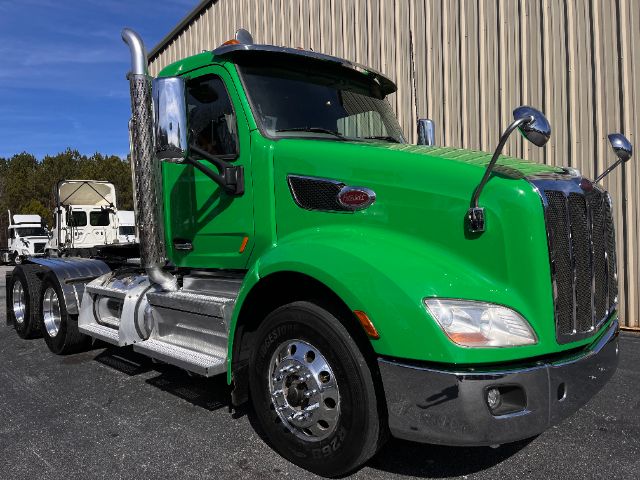
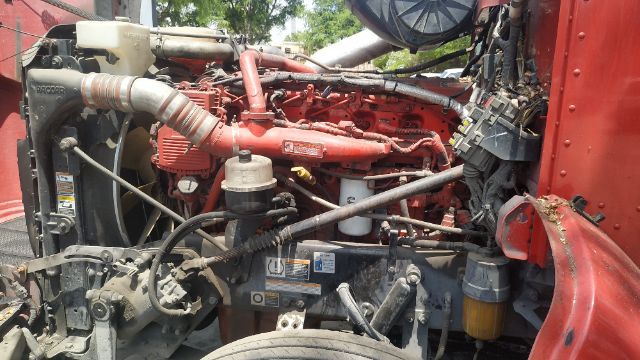

Showing 1 to 28 of 30 results
Selling a used peterbilt conventional daycab truck? List your used peterbilt conventional daycab truck for sale and reach thousands of commercial buyers.
Used Peterbilt Conventional Daycab Trucks
A buyer should start with the driveline and wheelbase because those two decisions tell you what the truck was built to do. Used Peterbilt daycabs commonly show up with Cummins ISM or X15 engines, and Paccar MX-13 engines as well, usually paired with Eaton Fuller manual or automated transmissions. Horsepower can range from the low 400s into the 500-plus range, depending on whether the truck was set up for fuel economy, regional van work, tanker, flatbed, heavy haul, or multi-axle vocational service. Rear axle ratings often fall around 40,000 to 46,000 pounds, with ratios such as 3.36, 3.70, or 3.91 changing launch, cruising rpm, and gradeability. Shorter wheelbase trucks tend to fit city, port, and terminal work better, while longer wheelbase daycabs are more common in linehaul and specialized applications where ride quality, fuel capacity, or frame room matter.
Peterbilt daycabs are also known for driver appeal and resale strength, but condition is everything on a used truck. Check for engine brake operation, transmission history, suspension type, frame modifications, and signs of severe fifth wheel wear if the truck lived on heavy trailer service. Pay attention to double-frame specifications, PTO and hydraulic wetline installations, air-slide or adjustable fifth wheels, and front axle set-back or set-forward configuration if route and bridge laws matter in your operation. Cab condition still counts on a daycab because these trucks often spend their lives in high-cycle stop-and-go service. Look closely at seat wear, steering play, HVAC performance, electrical accessories, dash faults, and corrosion around battery boxes, fuel tanks, steps, and cab mounts.
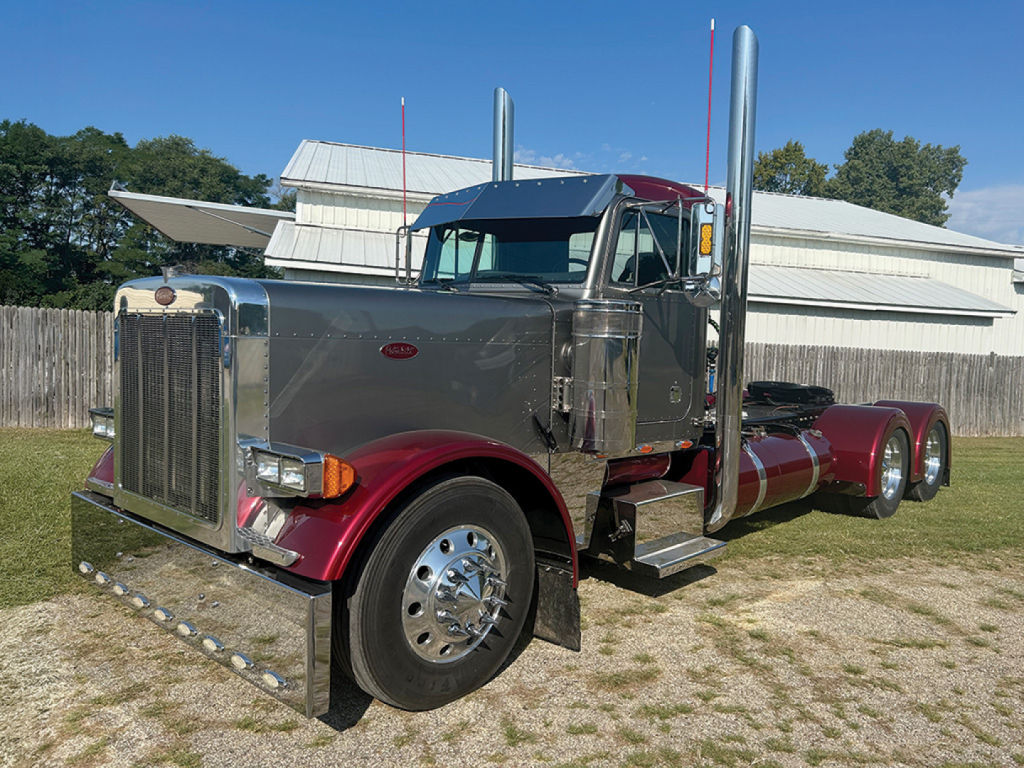
For buyers comparing older long-hood Peterbilts against newer aerodynamic 579 daycabs, the tradeoff is usually simplicity and style versus efficiency and updated ergonomics. A 379 or 385 may appeal to owner-operators and specialized haulers who want a classic platform with mechanical familiarity and appearance value. A newer 579 daycab typically makes more sense for fleet work focused on fuel economy, tighter maintenance planning, and driver comfort. The right used Peterbilt conventional daycab is less about badge loyalty than matching horsepower, axle ratio, suspension, frame spec, and wheelbase to the freight you actually pull every day.
Frequently Asked Questions about Used Peterbilt Conventional Daycab Trucks
What is a Peterbilt conventional daycab truck best suited for?
A Peterbilt conventional daycab is best suited for operations that return the driver home daily and do not require sleeper space. Common uses include regional dry van, flatbed, tanker, port drayage, local delivery, LTL, dump and transfer work, and trucks equipped with wet kits for end dump or lowboy service. The conventional hood design also provides easier engine access than a cabover layout, which is one reason these trucks remain popular in mixed fleet and vocational applications.
What engine and transmission combinations are common in used Peterbilt daycabs?
Used Peterbilt daycabs commonly come with Cummins ISM, Cummins X15, or Paccar MX-13 engines. Transmission choices often include Eaton Fuller 10-speed, 13-speed, 18-speed, and some automated manual setups on newer trucks. The right combination depends on the job. A 10-speed with a faster rear ratio may fit regional van freight, while an 18-speed with deeper gearing and heavier rears is more appropriate for heavy haul, lowboy, or severe-service applications.
How important are rear axle ratio and wheelbase on a used daycab?
Rear axle ratio and wheelbase are two of the most important spec points on any used daycab. A faster ratio like 3.36 can help reduce engine rpm at highway speed and improve fuel economy, but it may not launch heavy loads as well as a deeper ratio like 3.70 or 3.91. Wheelbase affects turning radius, bridge compliance, ride quality, and available frame space for fuel tanks, PTO equipment, or hydraulic systems. Buyers should match both specs to trailer type, average gross weight, and route conditions rather than shopping by model alone.
What should I inspect first on a used Peterbilt conventional daycab?
Start with maintenance records, engine hours if available, fault codes, and evidence of major driveline repairs. Then inspect the frame rails for cracks, rust, welds, and modifications, especially on trucks with wet kits, heavy fifth wheel use, or double-frame specs. Suspension wear, steering components, brake condition, clutch life on manual trucks, and differential noise all deserve close attention. On Peterbilt daycabs used in local service, cab interior wear and electrical issues can reveal as much about the truck's life as the odometer.
Is an older Peterbilt 379 or 385 a better buy than a newer 579 daycab?
It depends on the application and your maintenance strategy. Older Peterbilt models like the 379 and 385 often appeal to buyers who want a classic long-hood platform, straightforward mechanical systems, and strong owner-operator image. Newer 579 daycabs usually offer better aerodynamics, improved driver ergonomics, and more fleet-friendly fuel economy. If uptime, driver retention, and operating cost are top priorities, a newer aerodynamic truck often has the advantage. If appearance, traditional spec, and vocational customization matter more, an older platform may fit better.