
Used 2020 Peterbilt Conventional Daycab Trucks For Sale
Shop used 2020 Peterbilt conventional daycab trucks with specs for regional haul, local delivery, vocational work, and terminal operations.
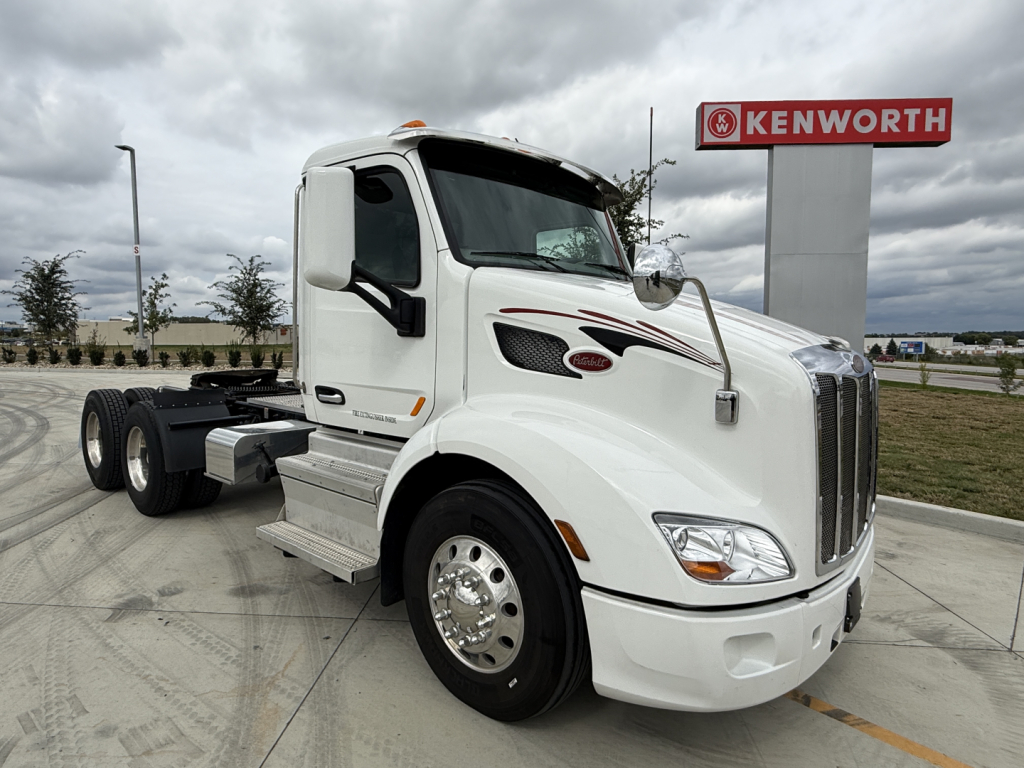

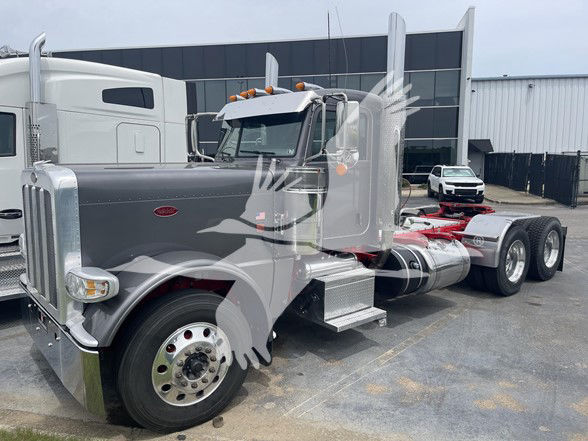
Selling a used 2020 peterbilt conventional daycab truck? List your used 2020 peterbilt conventional daycab truck for sale and reach thousands of commercial buyers.
Used 2020 Peterbilt Conventional Daycab Trucks
Frequently Asked Questions about Used 2020 Peterbilt Conventional Daycab Trucks
What should I look for first on a used 2020 Peterbilt conventional daycab?
Start with the powertrain and the truck’s original application. Engine family, transmission type, axle ratio, wheelbase, and suspension setup determine whether the truck fits regional freight, local delivery, vocational hauling, or yard-to-road work. On a 2020 model, emissions system history is also critical. Review fault codes, DPF and SCR service records, idle hours, and any injector, EGR, turbo, or aftertreatment repairs before comparing cosmetic condition.
Which engines are common in 2020 Peterbilt daycab trucks?
Common engines in 2020 Peterbilt conventional daycabs include PACCAR MX-series engines and, in some models or applications, Cummins power. The right choice depends on duty cycle and shop support. Lower-horsepower setups can make sense for local and weight-conscious work, while heavier regional or vocational applications often benefit from higher torque ratings, engine brakes, and driveline specs matched to gross combined weight requirements.
Is a single-axle or tandem-axle Peterbilt daycab better?
A single-axle daycab is often the better fit for lighter regional freight, local deliveries, and operations that value lower empty weight, tighter turning, and reduced tire and maintenance cost. A tandem-axle daycab is usually the stronger choice for heavier trailer loads, rougher jobsite conditions, and applications that need better traction, legal payload capacity, or more versatile fifth-wheel placement. The best option depends on your trailer mix, bridge laws, and target gross weight.
Are automatic transmissions common in used Peterbilt daycabs?
Yes. Many used Peterbilt daycabs are equipped with Allison automatics for stop-and-go vocational or municipal work, or automated manuals for highway and regional freight. An automatic or AMT can reduce driver fatigue and improve consistency across multiple operators, but buyers should confirm service history, clutch calibration on AMTs, and how the transmission is geared with the rear axle ratio for the intended route profile.
Why does wheelbase matter on a conventional daycab?
Wheelbase affects turning radius, ride quality, trailer gap, bridge compliance, and where the fifth wheel can be positioned. Shorter wheelbases are useful in urban work, tight yards, and port operations. Longer wheelbases can improve stability and driver comfort on regional runs and may better accommodate different trailer lengths or body configurations. Buyers should match wheelbase to kingpin setting, cab-to-axle measurement, and the trailers they expect to pull.