
Used Peterbilt Conventional Daycab Trucks For Sale in California
Browse used Peterbilt conventional daycab trucks in California. Compare 386 and 579 specs, drivetrains, axle setups, and local-haul fit.
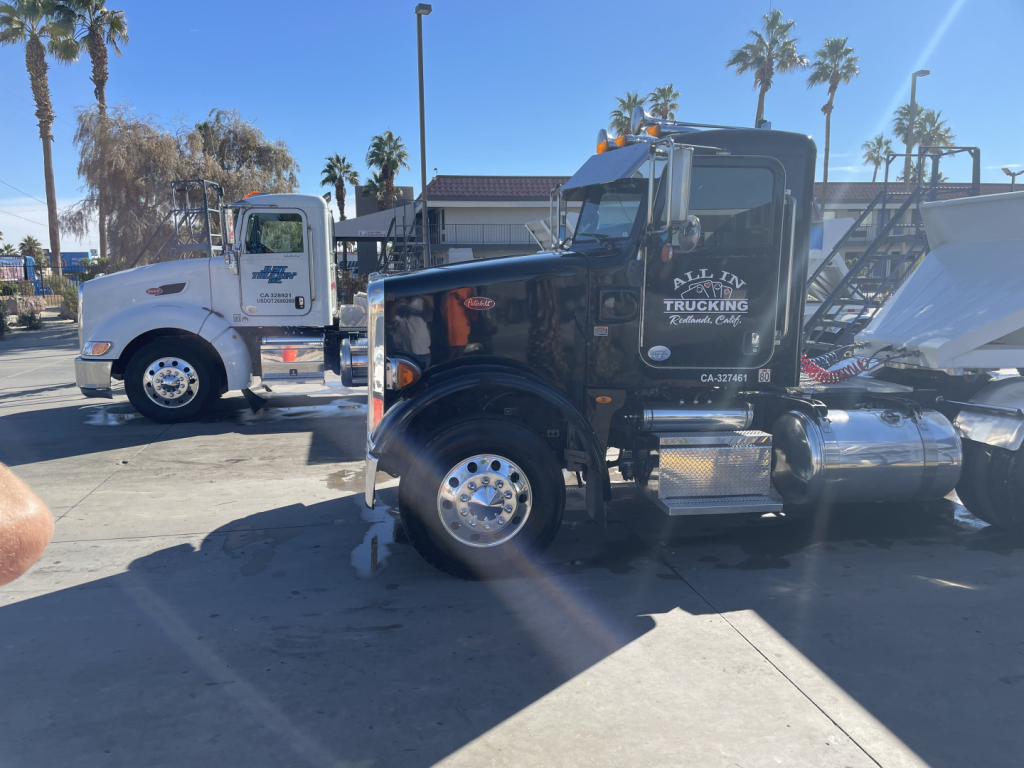
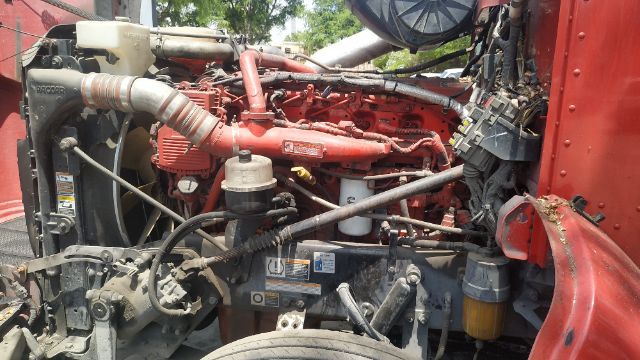

Selling a used peterbilt conventional daycab truck? List your used peterbilt conventional daycab truck for sale and reach thousands of commercial buyers.
Used Peterbilt Conventional Daycab Trucks in California
On the used market, models like the Peterbilt 386 and 579 show up with a wide range of drivetrains and wheelbases. Buyers will typically compare engine family, transmission type, rear axle ratio, suspension, and front axle set-back to match the truck to the route. Common engines include PACCAR MX series power, and many used units are paired with 10-speed manual transmissions, though automated manuals are also common in later model years. Pay close attention to rebuild history, emissions system condition, and service records. On California trucks, the status of DPF, SCR, and related aftertreatment components matters because repair costs and compliance can quickly change the value of a used daycab.
Cab configuration and frame spec are just as important as horsepower. A conventional daycab with the right wheelbase, fifth wheel placement, and axle rating can be far more productive than a higher-horsepower truck that is mismatched to the trailer. For buyers pulling van or reefer, fuel economy and aerodynamics usually matter more, making a model like the 579 attractive. For heavier or more vocational use, frame condition, suspension type, PTO capability, and tire setup deserve a closer look. In California service, it also makes sense to inspect cooling performance, interior wear from high-cycle local use, and signs of corrosion or damage around the fifth wheel, crossmembers, and suspension hangers.
A good used Peterbilt daycab should be evaluated as a working asset, not just by year and miles. Check ECM data against the odometer, look for evidence of engine or transmission work, inspect steer tire wear for alignment issues, and verify that the truck's axle and kingpin settings fit the trailers it will actually pull. Peterbilt conventional daycab trucks hold broad appeal because they can serve both fleet and owner-operator needs, but the best value comes from matching the spec to the job. In California, that usually means balancing emissions compliance, maneuverability, weight, and serviceability before focusing on cosmetic condition.
Frequently Asked Questions about Used Peterbilt Conventional Daycab Trucks in California
What is a Peterbilt conventional daycab truck best used for?
A Peterbilt conventional daycab truck is best suited for regional haul, local delivery, port drayage, dedicated route work, and any operation where the driver does not need sleeper accommodations. The conventional hood layout provides easier engine access than a cabover design, and the daycab configuration reduces tare weight and overall length compared with a sleeper tractor. That combination makes it a practical fit for California operations that need maneuverability, frequent stops, and dependable daily utilization.
What should I inspect first on a used Peterbilt daycab in California?
Start with the emissions system, engine history, and chassis condition. On a used California truck, confirm the condition of the DPF, SCR, sensors, and any documented aftertreatment repairs because emissions issues can be expensive and can affect downtime. Then review service records, check for engine rebuild documentation, inspect frame rails and crossmembers, and look at suspension wear, tire wear patterns, and fifth wheel condition. ECM data and fault history are also important because they help verify how the truck has been operated and maintained.
Are Peterbilt 386 and 579 daycabs used for different applications?
Yes. The Peterbilt 386 is generally associated with a more traditional vocational or regional tractor feel, while the Peterbilt 579 is often chosen for linehaul and fuel-conscious fleet work because of its more aerodynamic design. Actual application depends on the truck's full spec, including wheelbase, engine rating, axle ratio, suspension, and transmission. A properly spec'd 579 can work well in regional service, while a 386 may be attractive for buyers who prioritize a straightforward chassis and familiar drivetrain layout.
Is a 10-speed transmission a good choice in a used Peterbilt daycab?
A 10-speed manual remains a solid choice for many used Peterbilt daycabs because it is widely understood by technicians and drivers, relatively straightforward to maintain, and flexible for mixed local and regional service. It can be a strong fit for fleets that want lower acquisition cost and drivers who prefer manual control. The key is to inspect clutch condition, shift quality, driveline wear, and the rear axle ratio so the transmission matches the truck's real operating speeds and load profile.
How do I know if a used daycab is spec'd correctly for my trailers?
Focus on axle ratings, wheelbase, fifth wheel location, rear ratio, and kingpin swing clearance. A truck that looks right on paper can still be poorly matched if the fifth wheel setting creates bridge law issues, trailer interference, or uneven weight distribution. Buyers should confirm the typical trailer type, loaded gross weight, and route conditions before choosing a daycab. For California operators, that often means balancing tight turning needs with enough chassis stability and axle capacity for legal, efficient operation.