
Used Peterbilt Conventional Sleeper Trucks For Sale in Colorado
Shop used Peterbilt conventional sleeper trucks for long-haul work, with popular 379 and 389 specs, sleeper sizes, drivetrain options, and buyer tips.
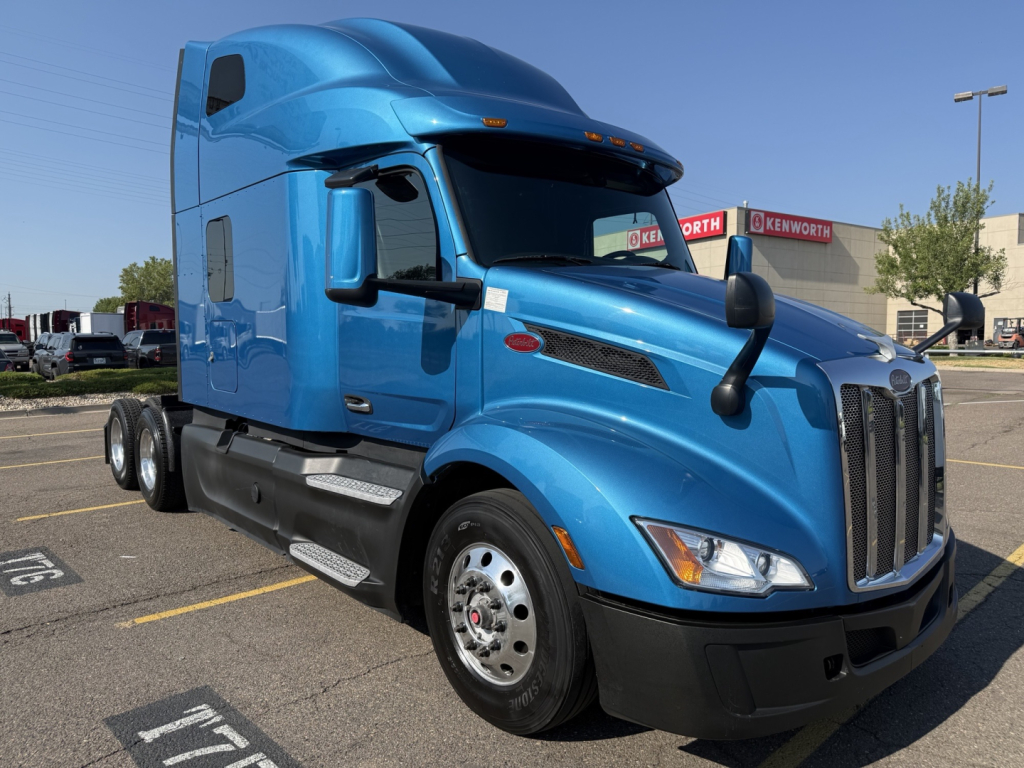
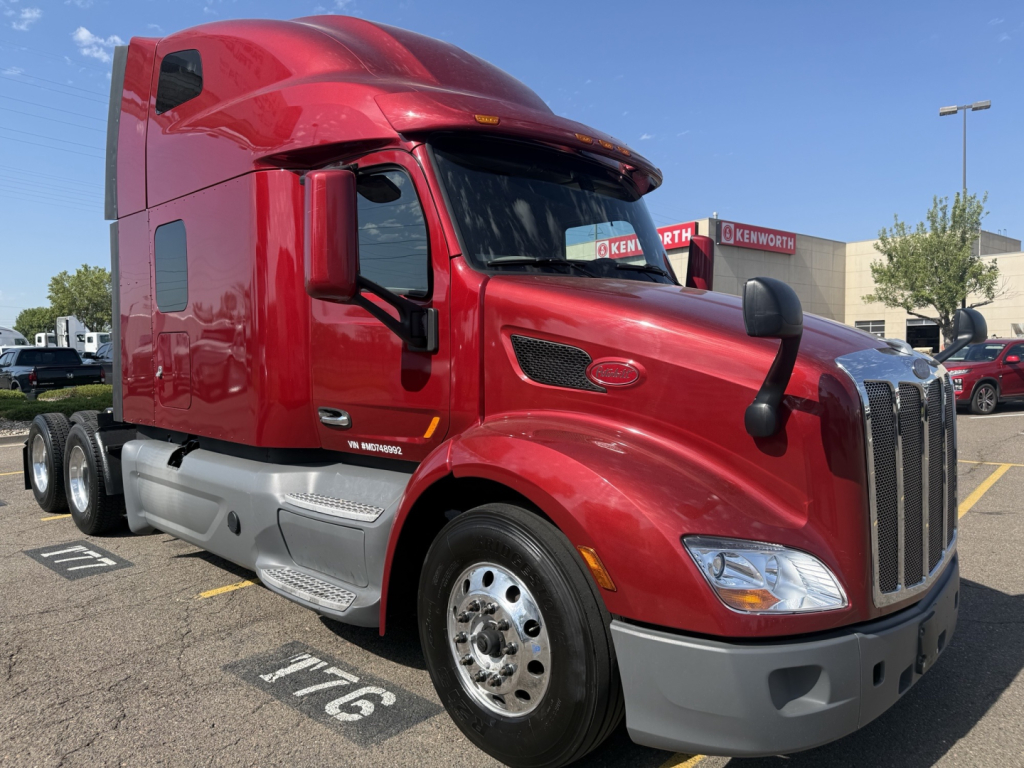
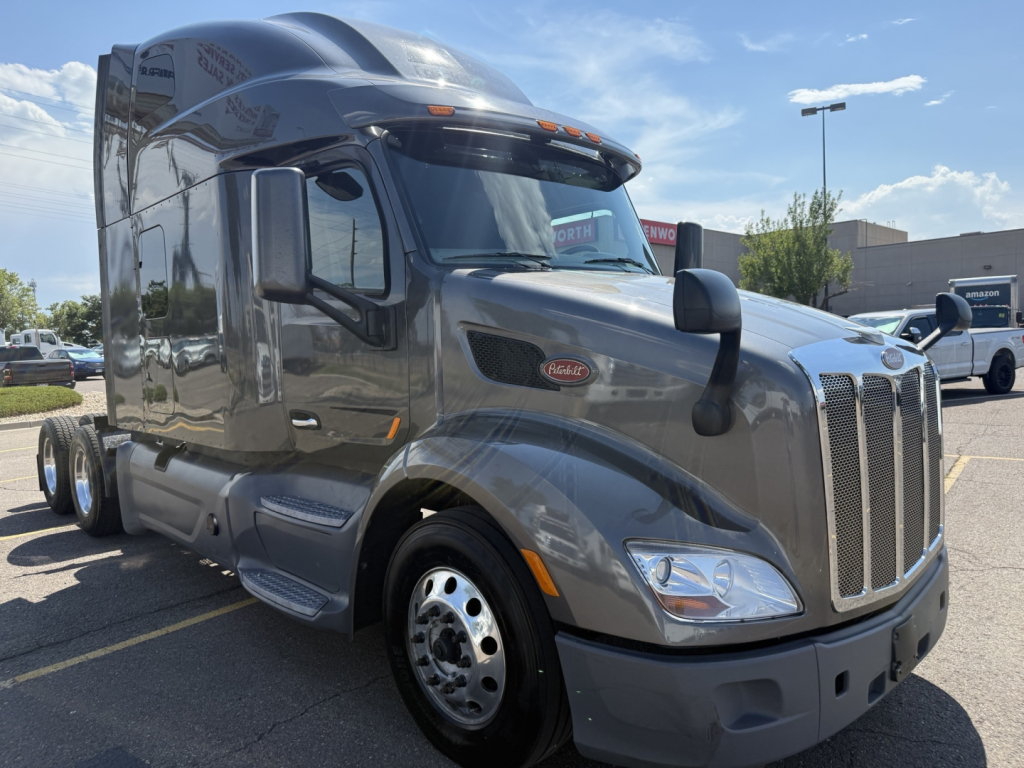
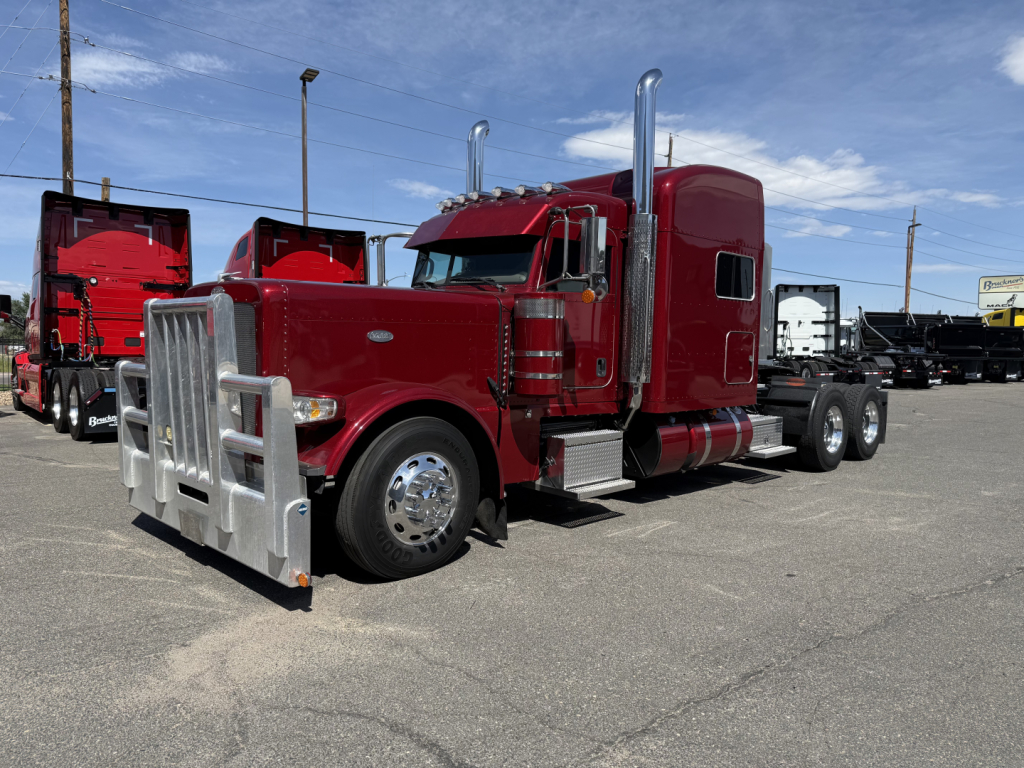
Selling a used peterbilt conventional sleeper truck? List your used peterbilt conventional sleeper truck for sale to reach thousands of commercial buyers.
Used Peterbilt Conventional Sleeper Trucks in Colorado
The drivetrain is where most buying decisions get made. Used Peterbilt sleepers commonly show up with Caterpillar C15, Cummins ISX, Detroit Series 60, or PACCAR MX-13 engines, generally in the 450 to 500 horsepower range. Manual transmissions such as Eaton Fuller 10-, 13-, and 18-speed units remain common, especially in older 379 and 389 specs aimed at heavy haul versatility, mountain work, or buyers who prefer simpler maintenance. Rear axle ratings around 40,000 pounds, ratios in the 3.36 to 3.70 range, and suspensions like Flex Air or Air Leaf are typical. A 3.36 or 3.55 ratio tends to fit fuel-conscious highway use, while 3.70 gearing can be more attractive for heavier loads or more demanding terrain in places like Colorado.
Sleeper layout and wheelbase matter more than many buyers expect. A 63-inch stand-up sleeper can be a practical choice for regional long-haul work and tighter overall dimensions, while a 72-inch high-roof sleeper offers more room for teams or extended time on the road. Wheelbases in the 250- to 263-inch range are common on used Peterbilt conventionals and affect ride quality, trailer swing clearance, and maneuverability at docks and truck stops. Buyers should also pay attention to fifth wheel type, fuel tank size, tire and wheel package, and signs of frame modifications. On used extended hood trucks, it is smart to inspect hood alignment, cab mount condition, suspension wear, and any evidence of driveline vibration or prior collision repair.
For Colorado buyers, altitude and mountain grades make engine health, cooling performance, and brake spec especially important. An engine brake, proper rear ratio, and a transmission matched to the intended load profile can make a major difference on western routes. Service records, ECM history, blow-by condition, clutch life, and suspension bushing wear deserve close review on any used Peterbilt sleeper. If the truck will stay in emissions-regulated lanes, confirm the status of EGR, DPF, and aftertreatment components on newer models. The right used Peterbilt conventional sleeper is usually the one with a clean spec for its lane, a drivetrain you can support locally, and a sleeper configuration that fits the amount of time the driver will actually spend in the truck.
Frequently Asked Questions about Used Peterbilt Conventional Sleeper Trucks in Colorado
What are the most common used Peterbilt conventional sleeper models?
The most common used Peterbilt conventional sleeper trucks are the 379 and 389. Both are long-hood conventionals widely used in over-the-road service, with the 379 being especially popular in pre-emissions and early emissions-era fleets and the 389 carrying forward much of the same owner-operator appeal. Buyers will also see UltraCab and extended hood versions, along with different Unibilt sleeper sizes that change living space and overall truck length.
What engine and transmission combinations are typical in a used Peterbilt sleeper?
Used Peterbilt conventional sleepers often come with Caterpillar C15, Cummins ISX, Detroit 12.7 or 14.0-liter engines, and on newer trucks, PACCAR MX-13 engines. Horsepower is commonly in the 450 to 500 range. Manual Eaton Fuller transmissions, including 10-speed, 13-speed, and 18-speed units, are very common in this category. The best combination depends on the work. A 13-speed is a popular balance for general over-the-road use, while an 18-speed may be preferred for heavier or more specialized applications.
How important is sleeper size on a Peterbilt conventional?
Sleeper size affects driver comfort, storage, and how well the truck fits its route structure. A 63-inch stand-up sleeper is a common choice for solo drivers and general long-haul freight because it gives useful living space without adding as much overall length. A 72-inch high-roof sleeper provides more headroom and room for extended trips or team use. Buyers should weigh comfort against wheelbase, maneuverability, and any lane restrictions they regularly deal with.
What should I inspect first on a used Peterbilt 379 or 389 sleeper truck?
Start with the engine, transmission, rear ends, and suspension because those systems drive total operating cost. Check service records, ECM data, blow-by, fluid condition, clutch wear, and engine brake function. On Peterbilt conventionals, also inspect the hood, cab mounts, frame rails, steering components, and suspension bushings. Fifth wheel wear, tire condition, and signs of uneven driveline angles are important, especially on trucks that may have been reworked or stretched earlier in life.
Are used Peterbilt sleeper trucks a good fit for Colorado and mountain routes?
Yes, but the spec matters. Colorado routes reward trucks with a strong engine brake, healthy cooling system, and gearing suited for sustained grades. Rear axle ratios such as 3.55 or 3.70 can be useful depending on gross weight and cruise speed targets. Buyers planning to run mountain freight should pay close attention to brake condition, transmission gearing, and overall engine performance at altitude, rather than choosing only by appearance or horsepower rating.