
Used Box Trucks For Sale in Colorado
Browse used box trucks for sale in Colorado. Compare cargo lengths, GVWR, cab styles, door options, and delivery-ready specs.
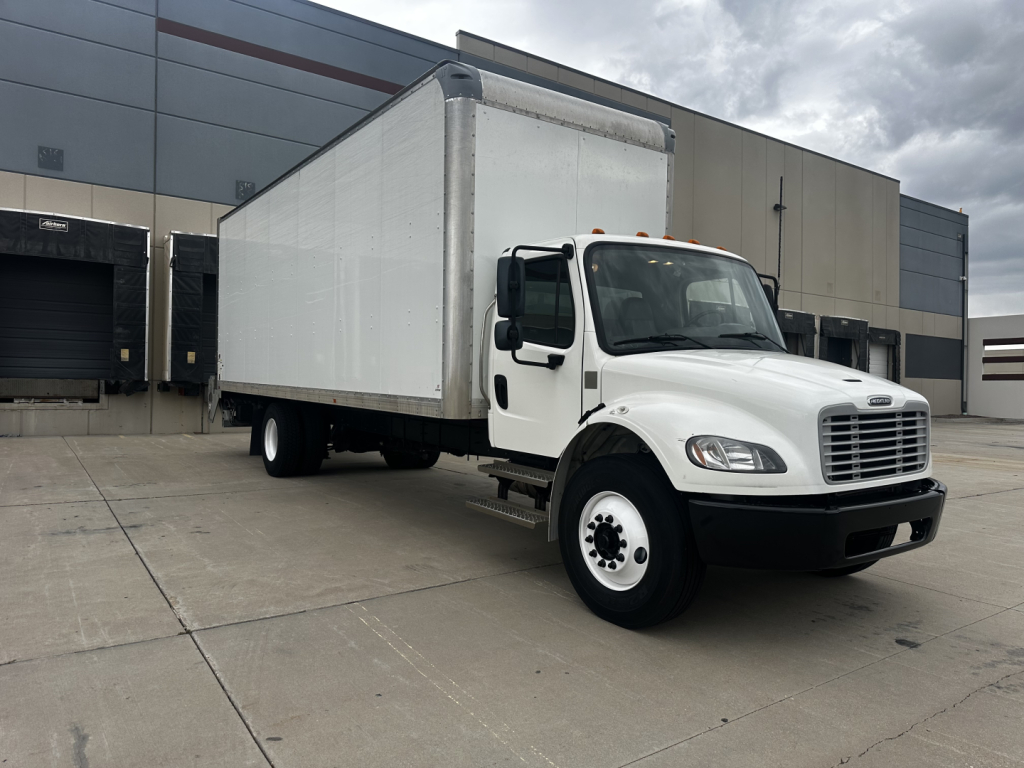
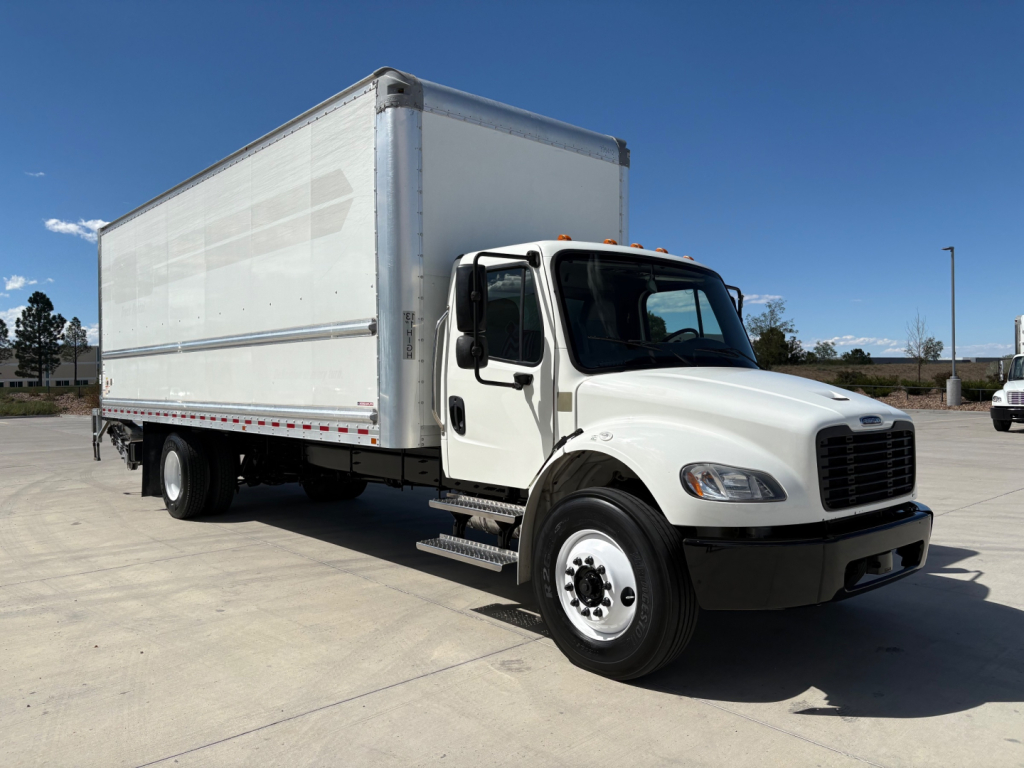
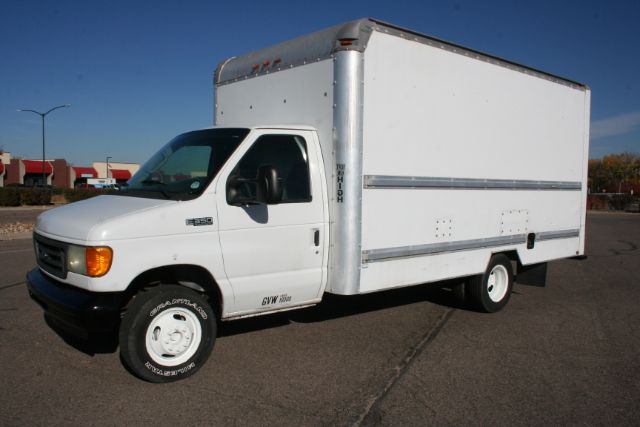
Selling a used box truck? List your used box truck for sale and reach thousands of commercial buyers.
Used Box Trucks in Colorado
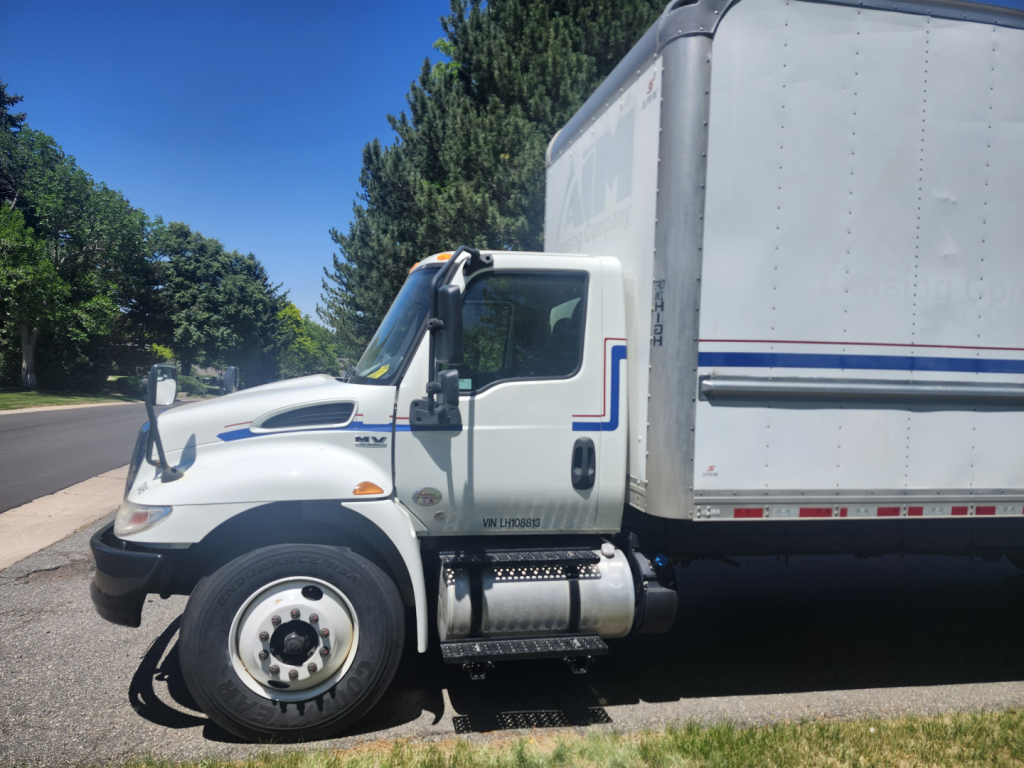
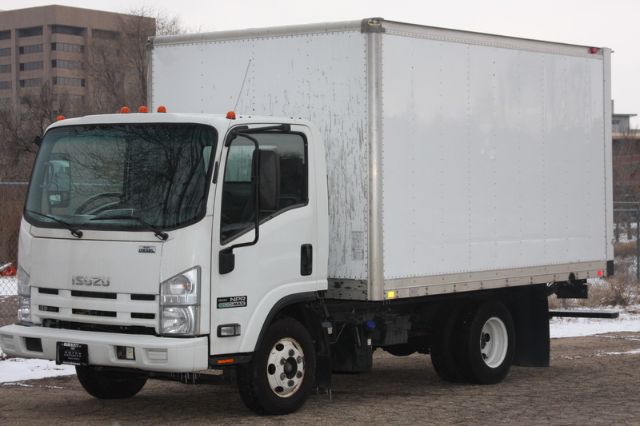
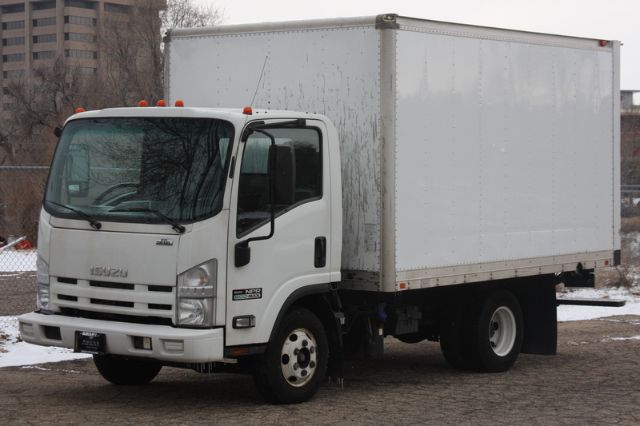
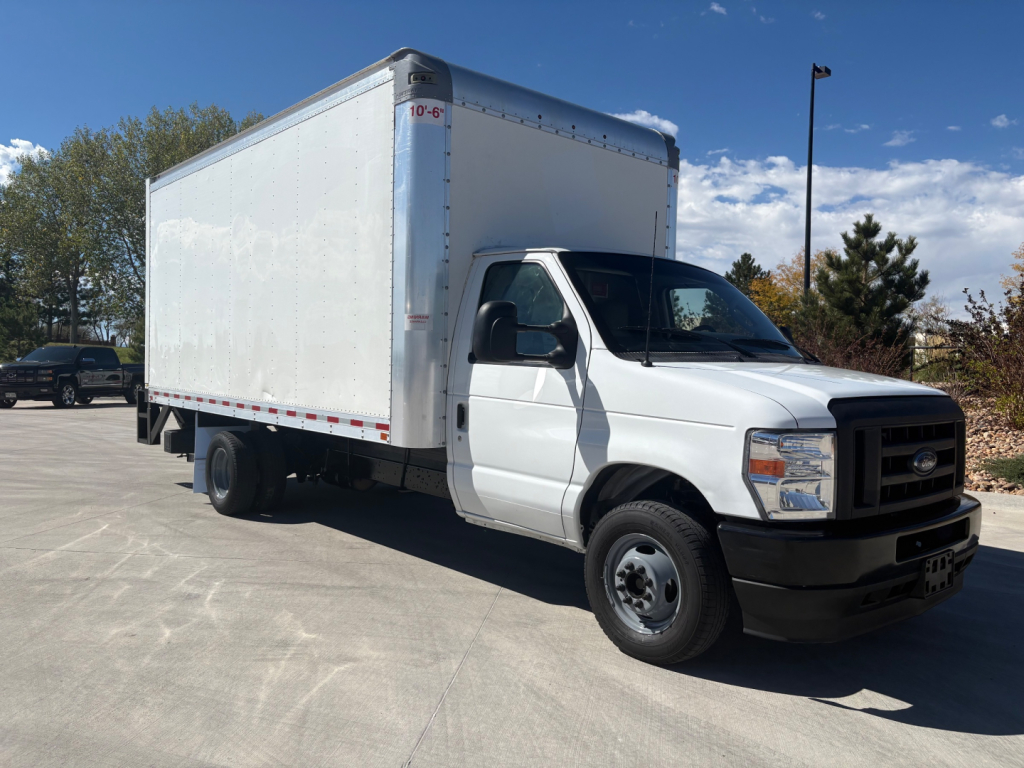
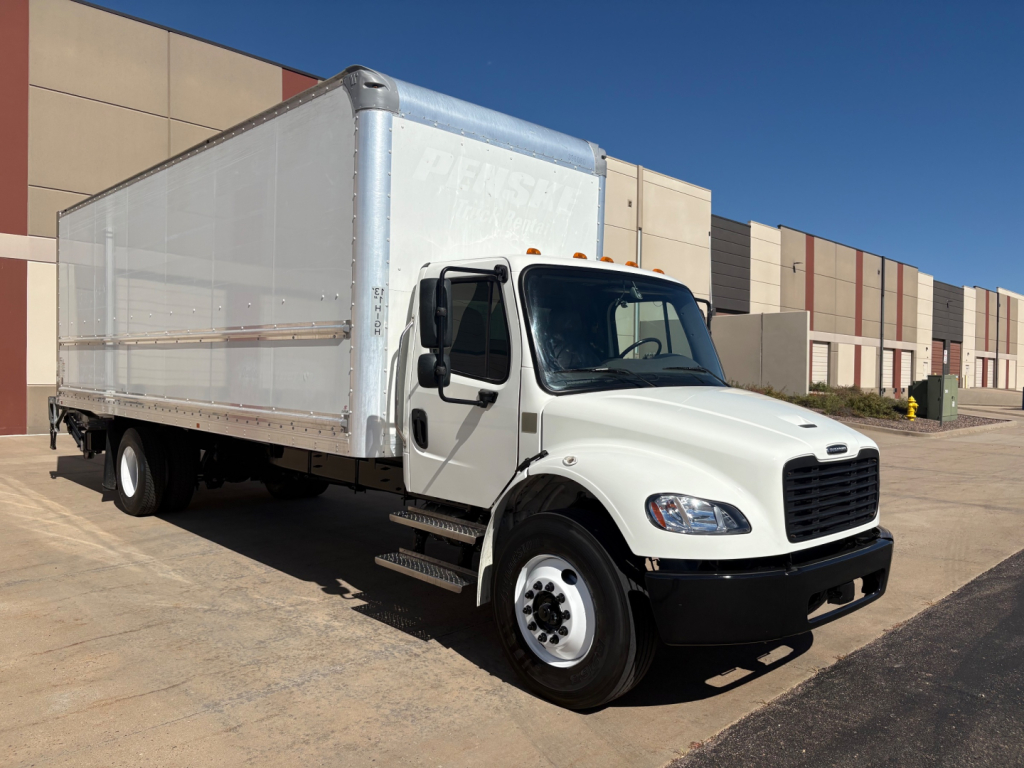
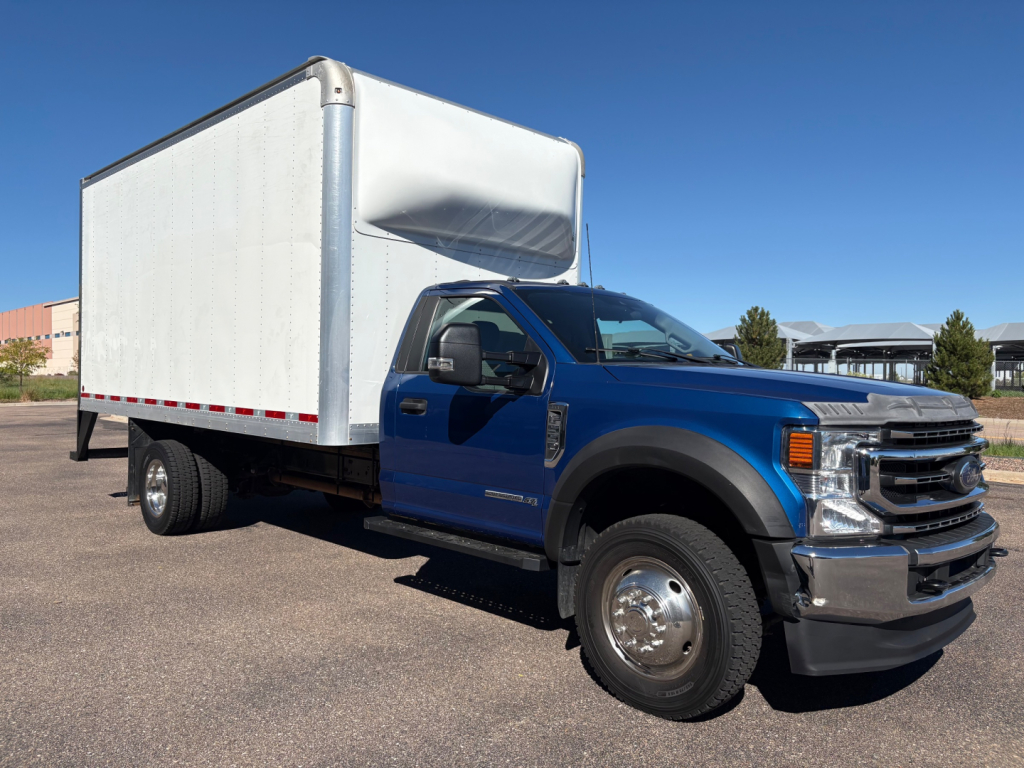
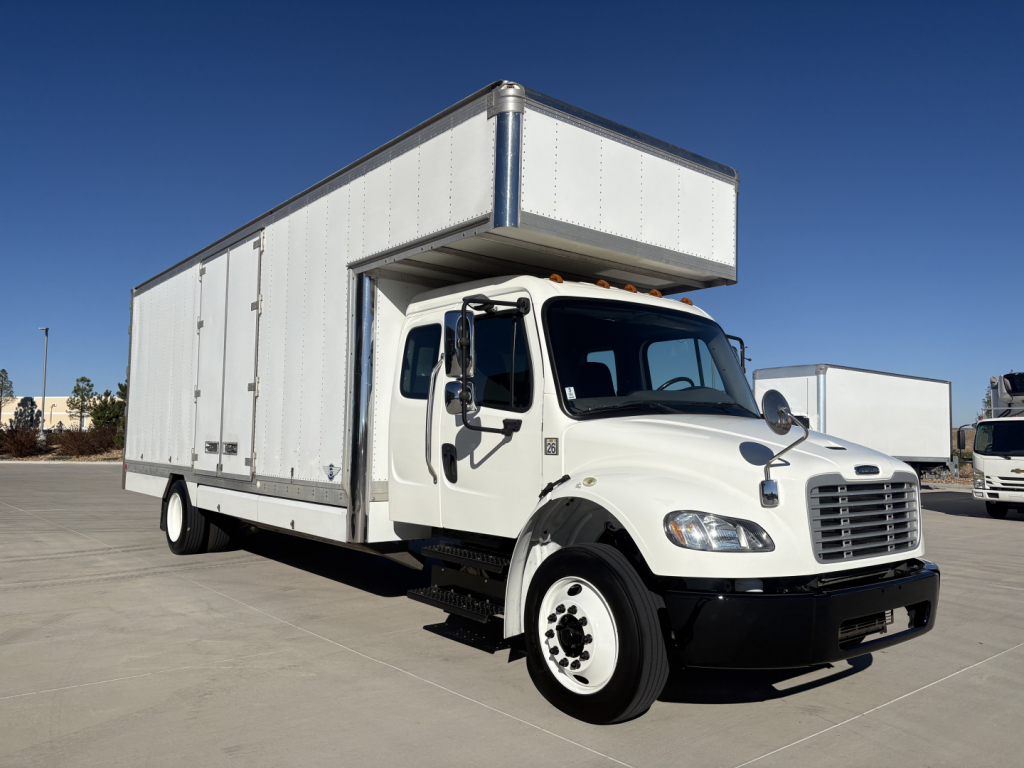
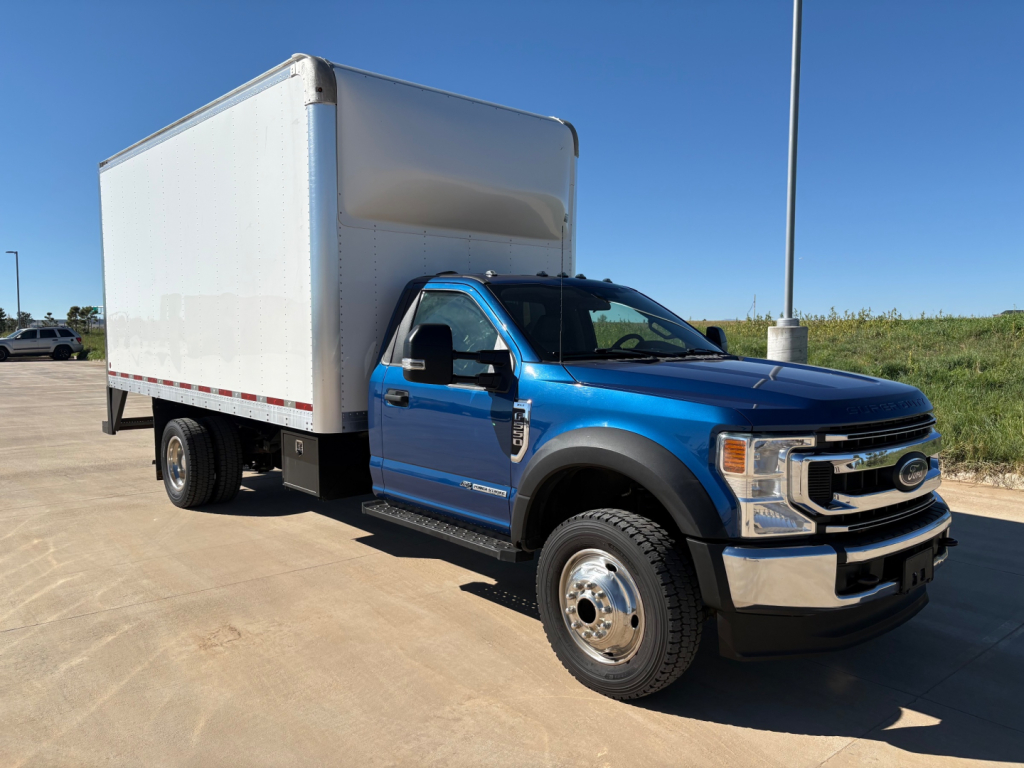
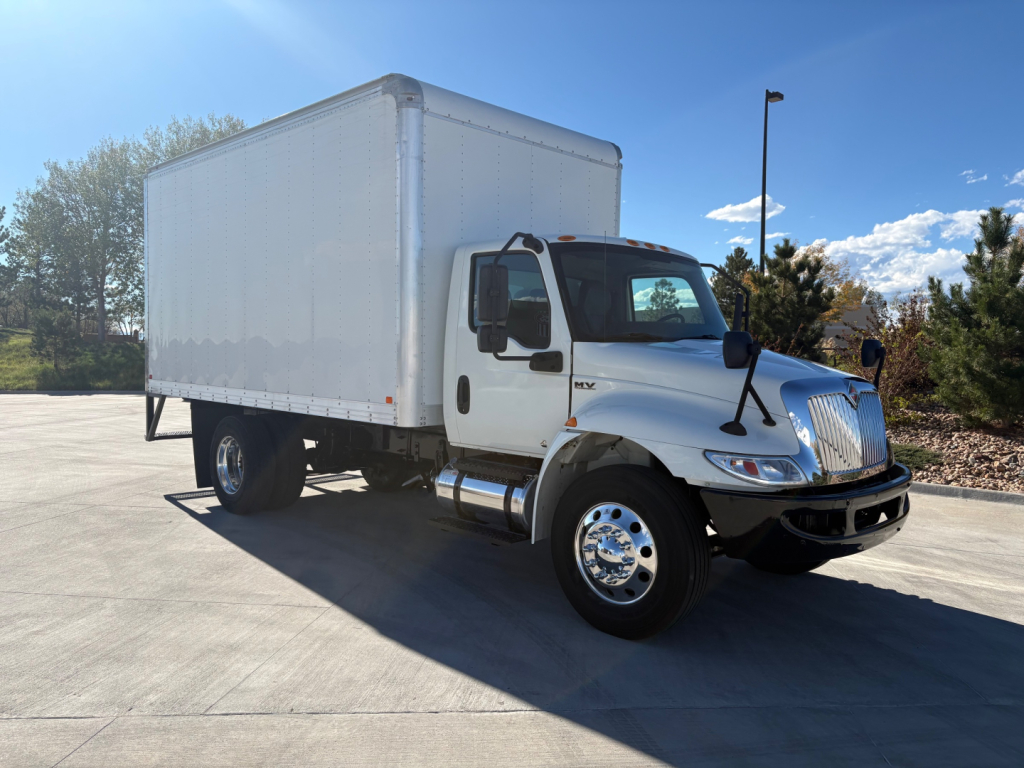
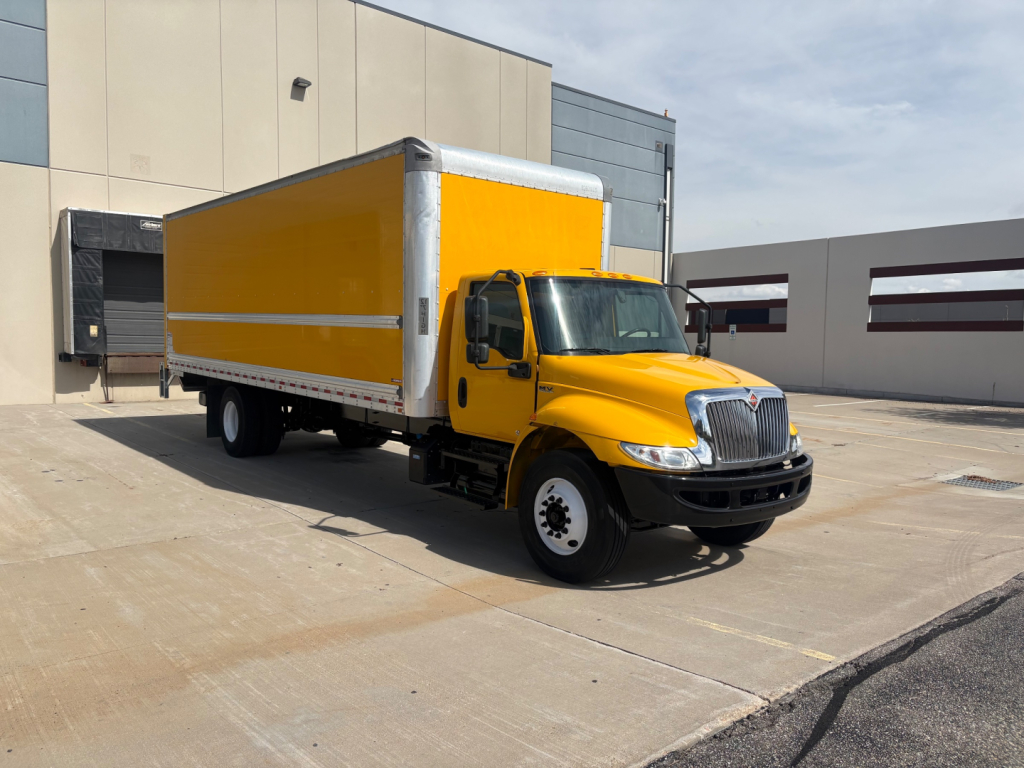
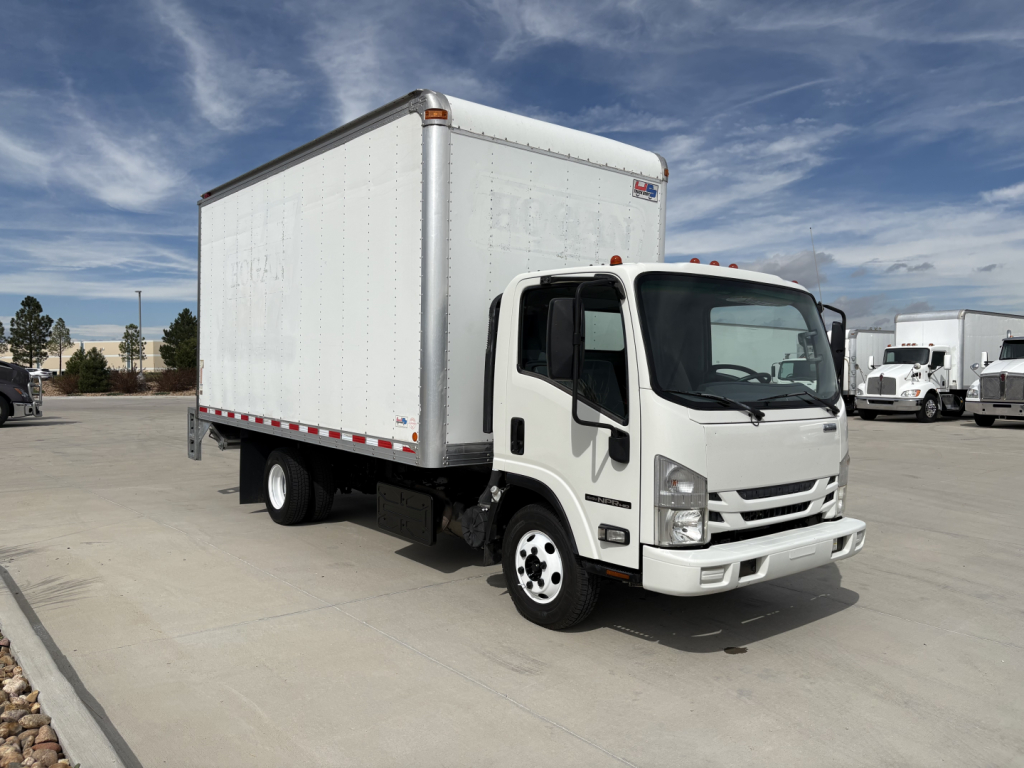
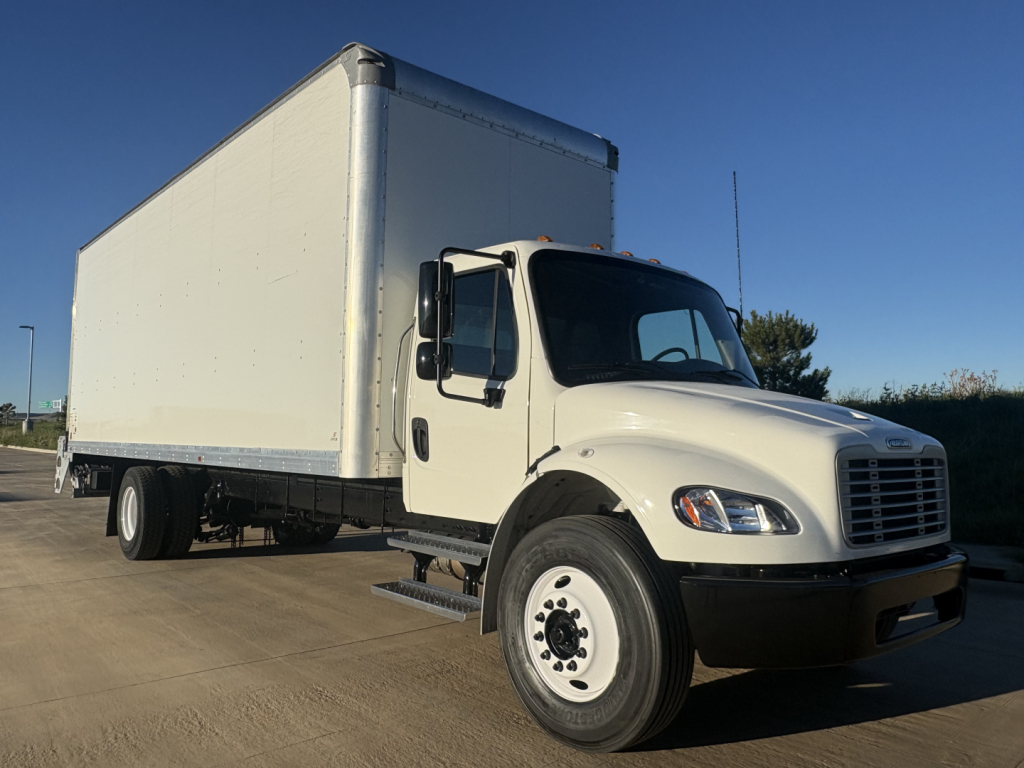
The first buying decision is usually size and weight class. Common used box trucks in this segment run from about 12 to 16 feet of box length on lighter chassis, with larger medium-duty units extending well beyond that. Buyers should match cargo cube, payload, and GVWR to the actual route and freight profile instead of shopping by box length alone. A 15-foot body with dual rear wheels, roll-up rear door, pull-out ramp, translucent roof, and wood floor is a common setup for parcel, appliance, and local delivery use. On cab-over trucks, dimensions like interior height, body width, and door opening matter just as much as chassis mileage because loading efficiency is what drives daily productivity.
Condition on a used box truck should be judged at both the chassis and body level. On the truck side, focus on engine service history, cold starts, transmission shift quality, brake condition, front-end wear, tire age, and any signs of hard stop-and-go fleet use. On the body side, inspect the roof skin, front top cap, corner seams, floor integrity, roll-up door tracks, hinge wear, and evidence of water intrusion. FRP panels, aluminum skins, and wood floors all wear differently. Scuffs are normal, but soft spots in the floor, delamination, bent crossmembers, or rear frame corrosion can turn a bargain into a repair project. If the truck will run Colorado winters or mountain corridors, rust underneath, heater performance, defroster output, and tire condition deserve extra attention.
Spec details can make one used box truck far more useful than another. Buyers often look for liftgates or ramps, E-track, shelving, bulkheads, step bumpers, and tie-down points depending on the cargo. Cab-over models are popular for visibility and maneuverability, while conventional chassis can offer a more familiar driving position and simpler service access. Gas engines are common in lighter box trucks, while diesel platforms remain a staple in higher-use delivery fleets. The right unit depends on dock height, route density, CDL requirements, loading method, and how much payload is left after the body and equipment are accounted for. A well-matched used box truck should be easy to load, stable under weight, and economical to keep on the road.
Frequently Asked Questions about Used Box Trucks in Colorado
What size used box truck is best for local delivery work?
For local delivery, many buyers start in the 12-foot to 16-foot range because these trucks balance cargo capacity with maneuverability. The best size depends on the freight, stop count, dock access, and driver experience. A shorter van-based box truck can work well for light urban routes, while a cab-over chassis with a taller and wider body often makes more sense when cubic capacity and tight turning radius are both important.
What should I inspect on a used box truck body?
Inspect the floor, roof, sidewalls, door frame, and rear door hardware carefully. Look for water leaks, patched panels, cracked seams, soft floor sections, bent threshold areas, and worn roll-up door tracks. Cargo bodies can hide expensive repairs, so body condition is just as important as engine and transmission condition when comparing used box trucks.
Are cab-over box trucks better than conventional box trucks?
Cab-over box trucks usually offer better forward visibility, a tighter turning radius, and more cargo length in a shorter overall footprint. That makes them popular for city delivery routes. Conventional box trucks can feel more familiar to drivers coming from pickup or van platforms and may offer easier engine access for service. The better choice depends on route density, parking constraints, and maintenance preference.
Do I need to pay attention to GVWR on a used box truck?
Yes. GVWR determines how much total weight the truck can legally carry, including the chassis, box, fuel, driver, tools, and cargo. A truck with a long box can still be a poor fit if the available payload is too low for the job. Matching GVWR and actual payload capacity to the cargo profile is one of the most important steps in buying a used box truck.
What matters most for a used box truck in Colorado?
Colorado buyers should pay close attention to power on grades, cooling system condition, brake performance, tire quality, and cold-weather drivability. Trucks that spend time in the mountains or on winter routes benefit from strong service records and a thorough inspection of the undercarriage for rust or corrosion. Altitude, steep terrain, and changing weather can expose weaknesses faster than flatland delivery work.