
Used International Trucks For Sale in Colorado
Used International trucks in Colorado, from LT and MV to HX, with the right powertrain, weight, corrosion protection, and gearing for mountain grades.

Selling a used international truck? List your used international truck for sale and reach thousands of commercial buyers.
Used International Trucks in Colorado
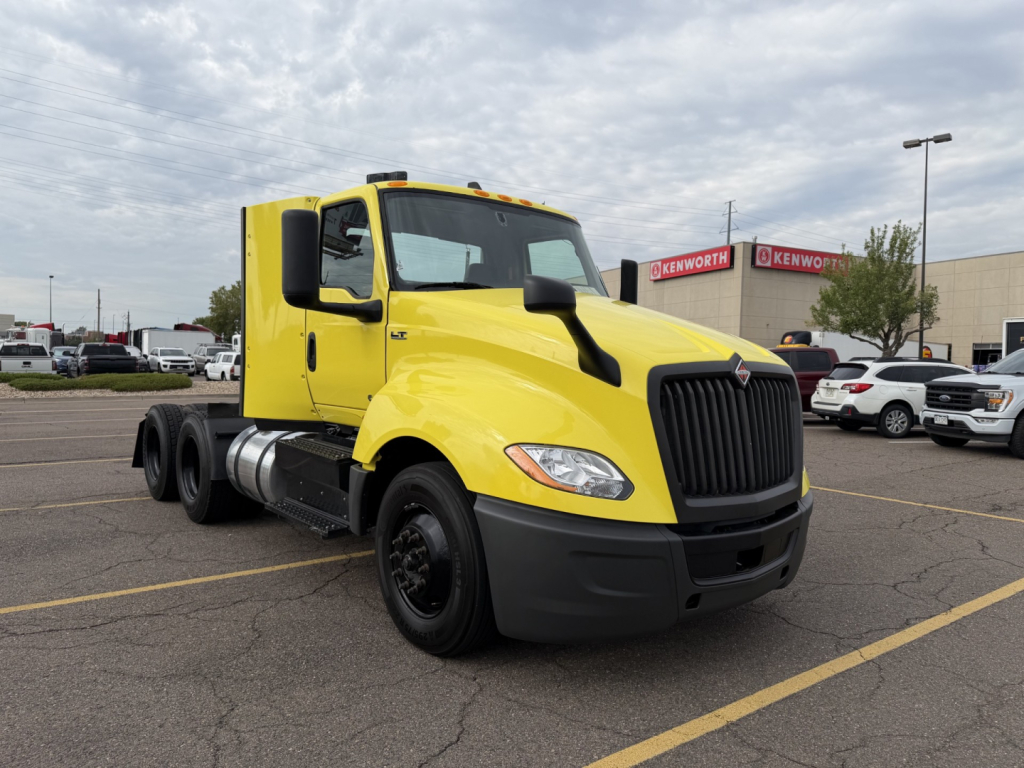
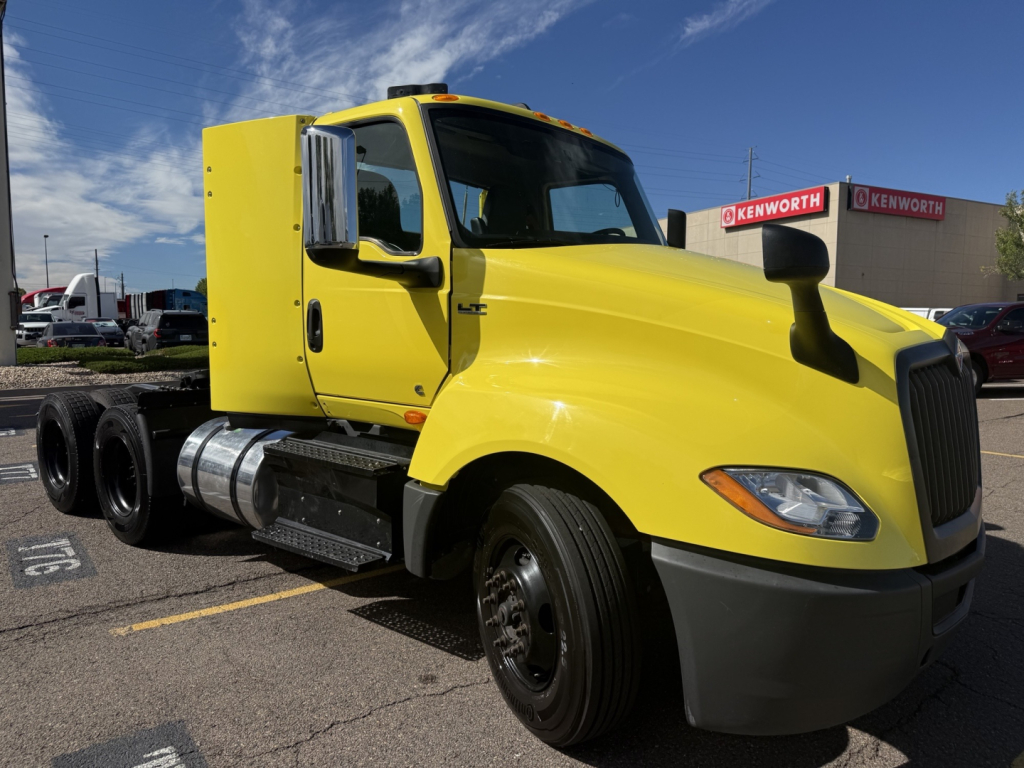
Powertrains typically include the lightweight A26 12.4L for weight and efficiency, or Cummins X15 for higher GCW, with some older units carrying N13 or MaxxForce variants. Match transmission and rear axle ratios to your routes, 12 speed automated manuals and 13 or 18 speed manuals balance control and efficiency, while Allison automatics excel in stop and go or off road duty. For I-70 climbs, look for 3 stage engine brakes, axle ratios that keep rpm in peak torque on grades, and heavy duty cooling. Tare weight can be trimmed with aluminum wheels and tanks, single vertical exhaust, optimized DEF and fuel tank capacities, and lightweight fifth wheels, which boosts payload without sacrificing durability.
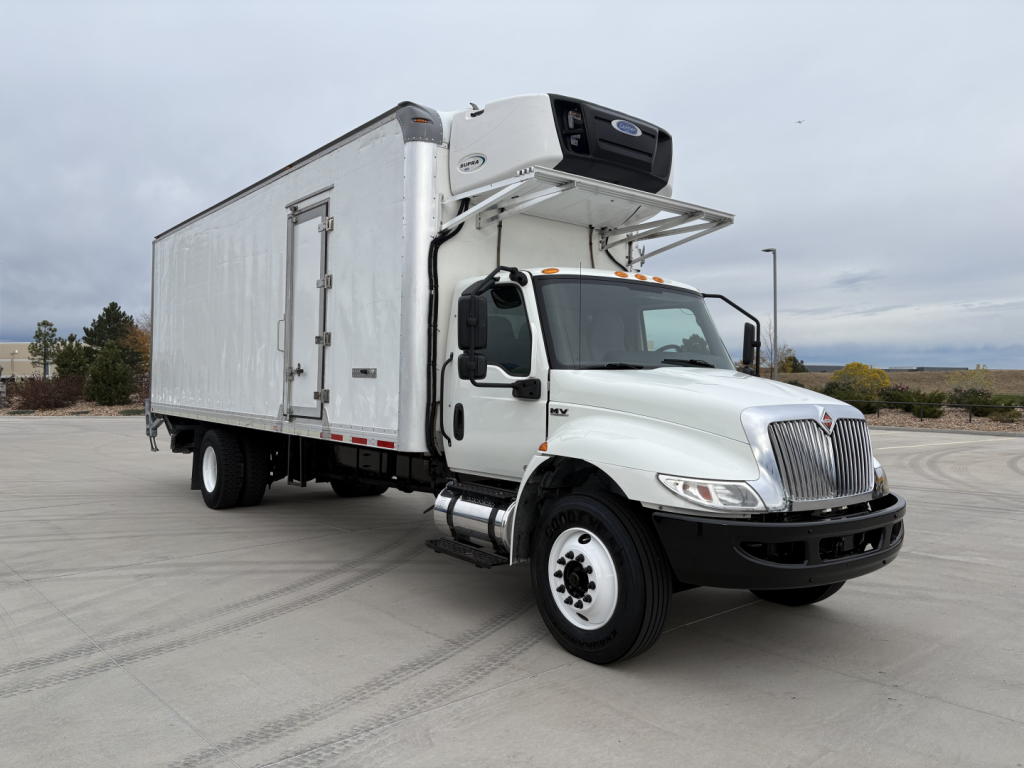
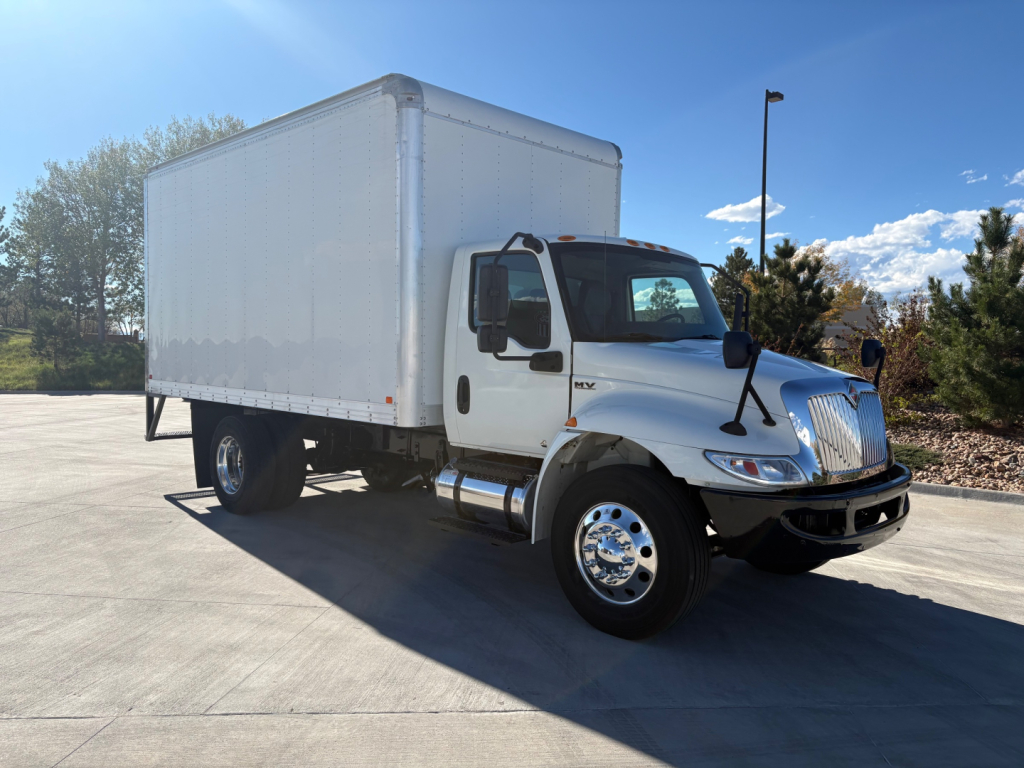
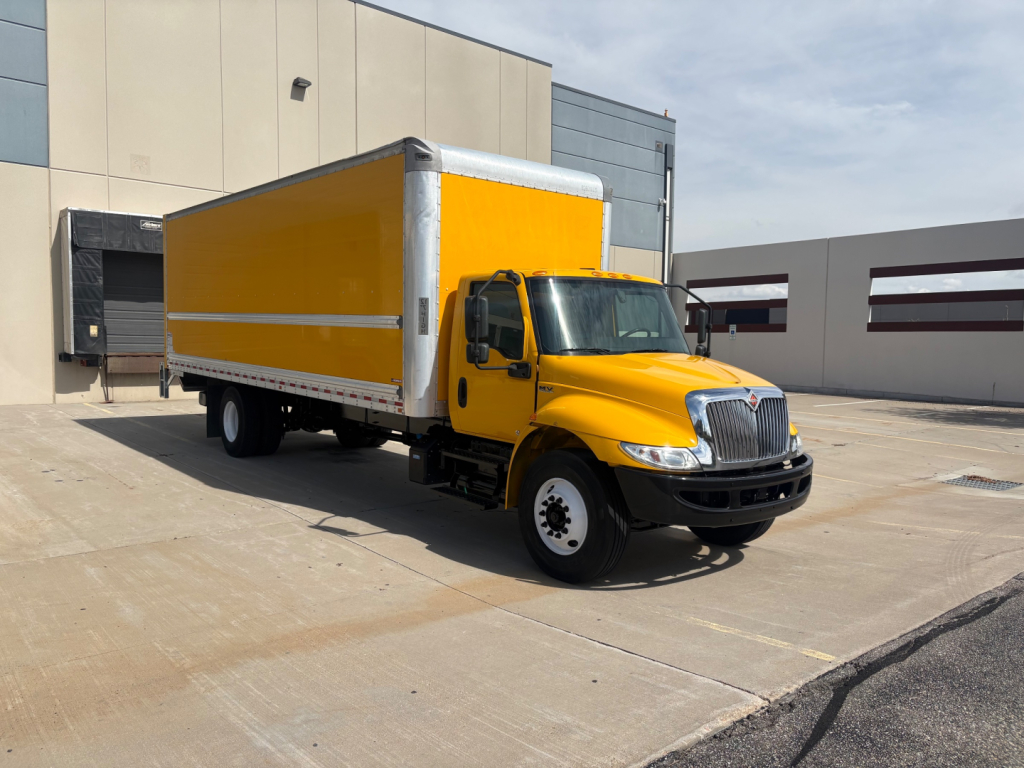
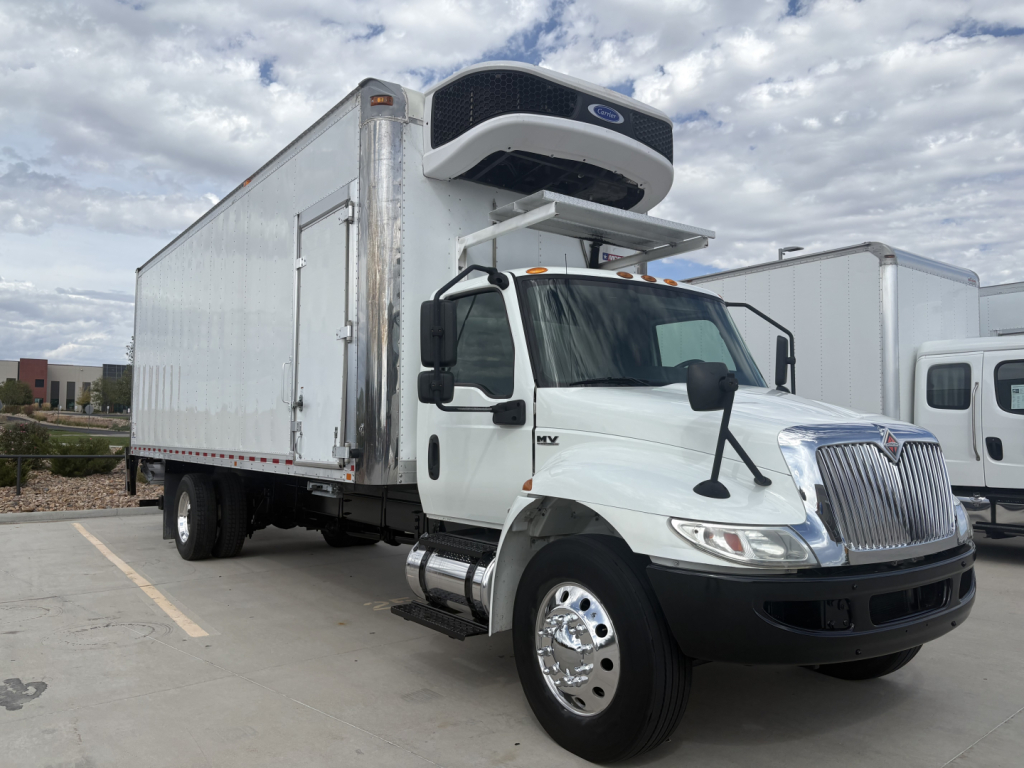
For straight trucks, focus on floor strength and body protection. Hardwood or laminated floors with 12 inch crossmember spacing handle pallet jacks, 10 inch spacing or steel crossmembers are better for routine forklift loading. Look for 3/8 inch or thicker scuff liners, e track at practical heights, and rear frame reinforcement under liftgates. Reefer bodies should show tight door seals, intact foam insulation, and clean drain paths to preserve thermal integrity; cab HVAC performance and sleeper insulation matter on tractors that see subfreezing passes and high solar load on the Front Range.
Corrosion resistance is critical with Colorado magnesium chloride. International frames often carry e coat or powder topcoats and sealed wiring through Diamond Logic harnessing, but inspect frame flanges, crossmembers, cab mounts, battery boxes, DEF brackets, and fifth wheel plates for scaling. Stainless or composite hardware on steps and fairings slows galvanic corrosion, and aluminum wheels, tanks, and air tanks reduce tare weight, but check for pitting. Review aftertreatment records, DOC, DPF, and SCR service, verify no derate codes, download ECM data, and confirm consistent oil analysis; together with alignment and brake measurements, these indicators show how the truck will hold up on grades and in winter chemicals.
Frequently Asked Questions about Used International Trucks in Colorado
Which International models fit long haul, regional, and vocational work in Colorado?
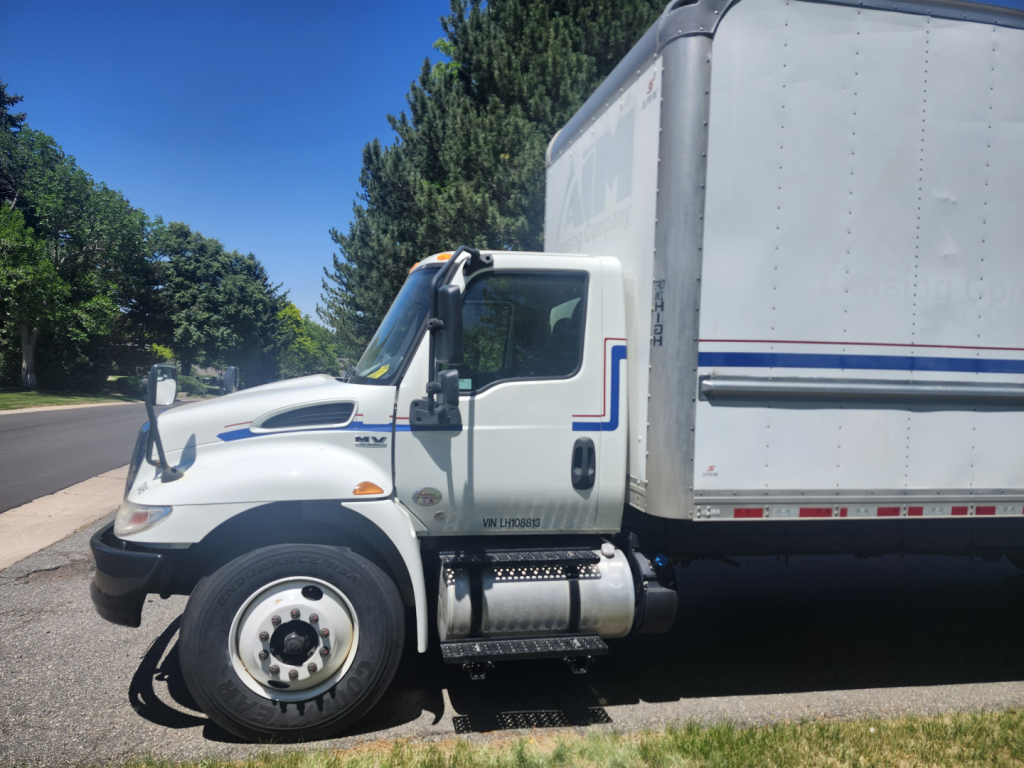
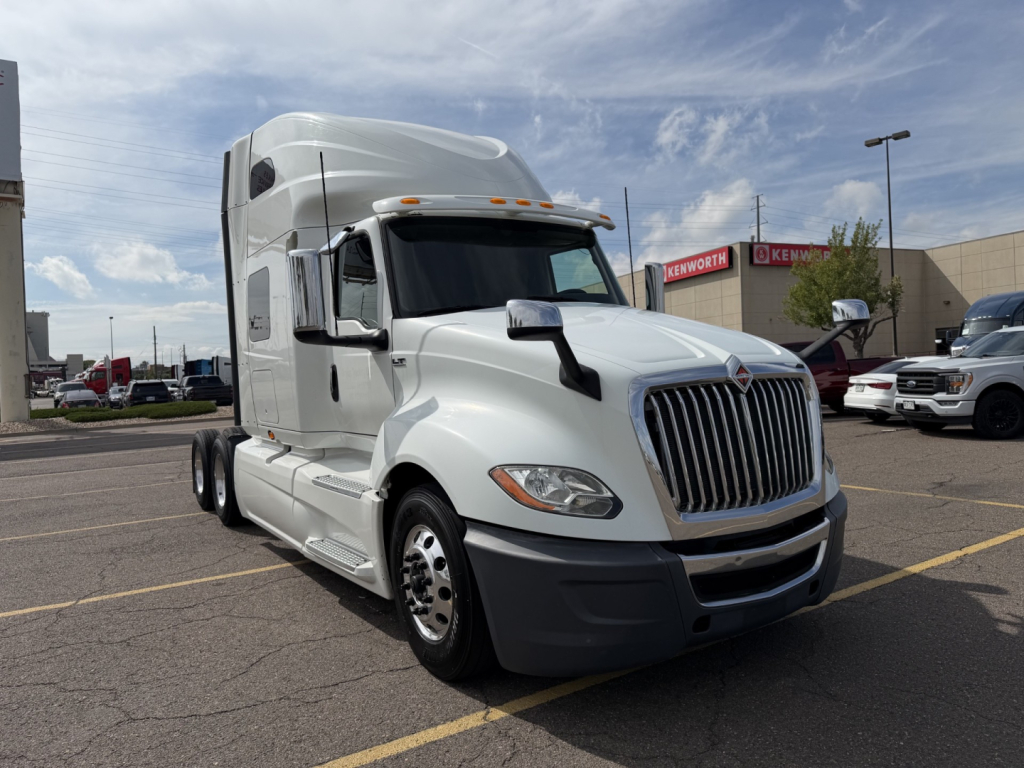
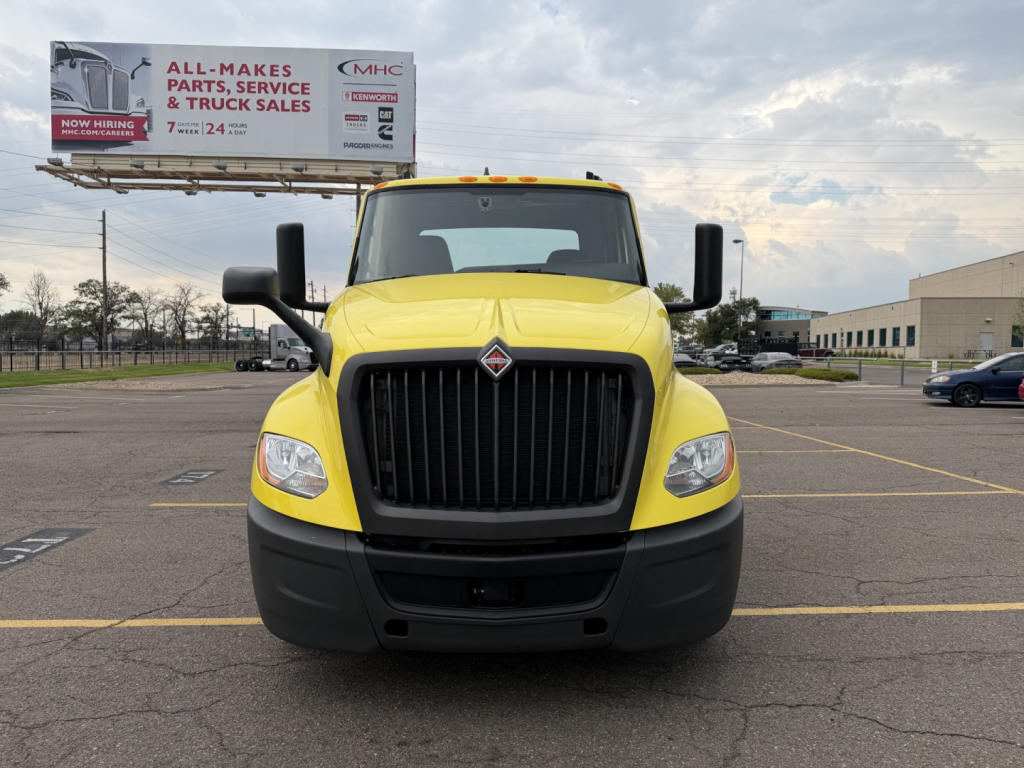
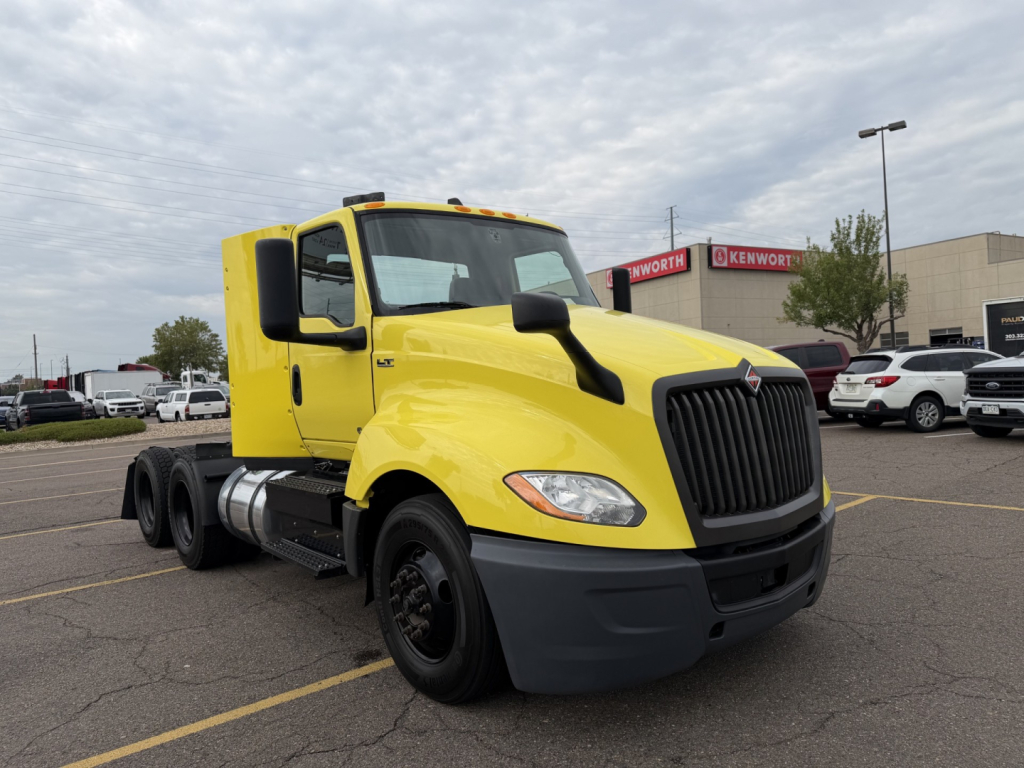
LT and ProStar are strong choices for long haul due to aerodynamics and cab comfort, with the A26 for lighter tare weight or Cummins X15 for heavier GCW. MV and legacy DuraStar suit regional delivery, box, and reefer routes where tight turning and low step height matter. HX and HV are built for construction, plow, and oilfield duty with high strength frame rails, heavy axles, and set forward or set back front axle options to manage axle weights on grades and job sites.
What specs improve performance on Colorado mountain grades?
A 2 or 3 stage engine brake, axle ratios that place cruise rpm within the engine’s torque plateau on 6 to 7 percent grades, and a high capacity cooling package are key. Add full locking differentials or interaxle locks for traction, disc brakes or well maintained drums for fade resistance, and automated manual transmissions with hill start assist for consistent launches. Extra attention to charge air cooler condition and fan drive operation helps preserve power at altitude.
How do I evaluate floor strength and thermal integrity on a used International straight truck or reefer?
Measure crossmember spacing and plank thickness, tighter spacing and thicker floors support forklifts and reduce deflection. Check scuff liners for gouging that exposes sidewalls, verify e track is secure and not tearing out of studs, and inspect rear sill and liftgate mounts for cracks. For reefers, confirm door seals compress evenly, foam insulation is not waterlogged, and drains are clear; review hours and maintenance on the refrigeration unit to ensure cargo temperature stability.
How can I reduce tare weight without sacrificing durability?
Choose aluminum wheels and tanks, a lightweight fifth wheel, and the A26 engine where duty cycle allows, and right size fuel and DEF capacities to the route so you do not haul unnecessary liquid weight. Composite or stainless hardware on steps and battery boxes cuts corrosion driven weight creep. Avoid deleting needed protection like full length frame liners or heavy crossmembers when the job demands them, since repairs from frame damage can outweigh small weight savings.
What corrosion risks should I look for on Colorado trucks and how do I assess them?
Magnesium chloride attacks unprotected steel and dissimilar metal joints. Inspect frame flanges, crossmember ends, cab mounts, battery trays, DEF tank brackets, and radiator support structure for blistering paint, scale, or soft metal. Check aluminum tanks and wheels for pitting around valve stems, confirm harness connectors are sealed and free of green corrosion, and look for rust jacking under brake chambers and spring seats. Strong e coat coverage, intact undercoating, and clean ground points indicate better long term durability.