
Used International Conventional Sleeper Trucks For Sale in Colorado
Shop used International conventional sleeper trucks for long-haul and regional freight, including LT sleepers with efficient specs and driver-focused features.
No exact matches found for your search
Showing Used Conventional Sleeper Trucks in Colorado instead.
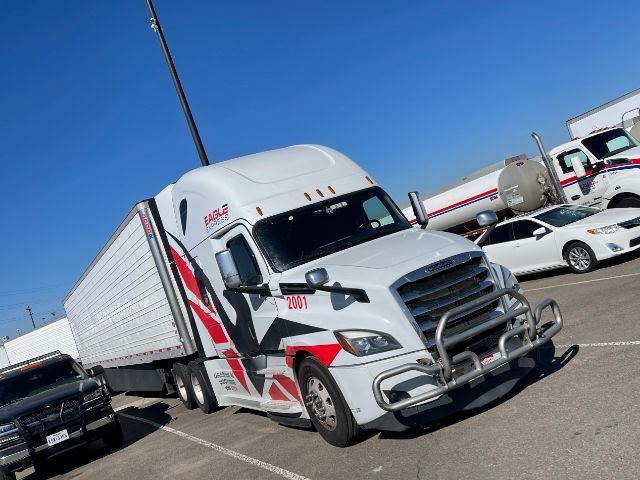
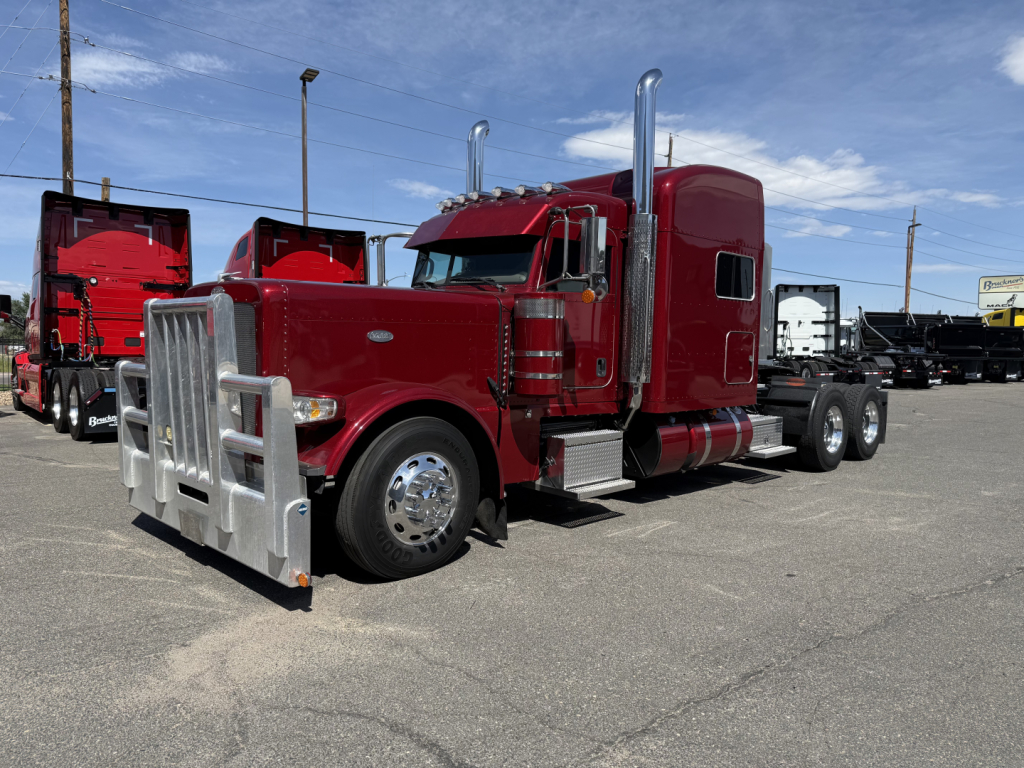


Have used international conventional sleeper truck to sell? List it here to reach thousands of buyers.
Used International Conventional Sleeper Trucks in Colorado
The biggest buying decisions usually come down to engine, transmission, axle layout, and sleeper size. Many used International sleepers are equipped with the Cummins X15 in ratings around 400 HP to 450 HP, paired with automated manual or full automatic transmissions and fuel-economy rear axle ratios such as 2.31 or similar highway gearing. Common sleeper setups include 73-inch hi-rise sleepers with upper bunks, bunk heaters, idle reduction systems, and aerodynamic packages like roof fairings, side fairings, and cab extenders. Buyers comparing specs should pay close attention to wheelbase, fifth wheel adjustability, suspension type, brake spec, and whether the truck is a single drive axle with an air tag or a tandem drive configuration, since those details directly affect payload, bridge laws, maneuverability, and application fit.
For Colorado operators, altitude and terrain make powertrain spec more important than it might be on flatter lanes. A fuel-mileage spec with a tall rear ratio can work well on steady highway freight, but routes crossing the Front Range or running heavy through mountain grades may call for a closer look at horsepower, torque, engine brake performance, and overall GCWR suitability. Disc brakes, air ride suspension, aluminum fuel tanks, and low-profile 22.5 tires are common on newer fleet-spec trucks and can improve drivability and serviceability. Driver-focused details such as cab climate control, tilt and telescoping steering, cruise control, power windows, and a clean sleeper interior also matter, especially if retention or team use is part of the plan.
A used International conventional sleeper is often a practical choice for buyers who want late-model aerodynamics, broad parts support, and a cab designed around daily linehaul use. The strongest value usually comes from matching the truck's original fleet spec to the freight it will actually haul now. Review maintenance history, engine hours versus miles, aftertreatment service records, tire and brake life, and signs of prior idle-heavy use. On sleeper tractors, it also pays to inspect bunk HVAC operation, seals, storage, mattress platform condition, and electrical accessories, because those details affect uptime just as much as the drivetrain on a truck meant to live on the road.
Frequently Asked Questions about Used International Conventional Sleeper Trucks in Colorado
What is a conventional sleeper truck?
A conventional sleeper truck is a hooded road tractor with a sleeping compartment mounted directly behind the cab seats. It is designed for long-haul or multi-day operation, giving the driver a bunk and storage area while keeping the front-engine layout that many technicians and drivers prefer for service access, ride quality, and highway stability.
What should I look for in a used International sleeper truck?
Focus first on the powertrain and service history. Engine model, horsepower, transmission type, rear axle ratio, suspension, and brake spec should match the freight and terrain you plan to run. On used International sleeper trucks, maintenance records for the engine, aftertreatment system, and transmission are especially important. Also inspect the sleeper itself, including bunk heater, HVAC performance, idle reduction equipment, seals, and interior wear, because comfort and electrical condition affect uptime on long-haul trucks.
Is the International LT a good choice for highway freight?
The International LT is widely used in fleet over-the-road and regional service because it is typically spec'd for aerodynamics, fuel economy, and driver comfort. Many LT sleepers are equipped with efficient highway gearing, aerodynamic fairings, and 73-inch sleeper cabs that suit solo or team operation. The right LT spec can be a strong fit for dry van, reefer, and dedicated lane work, but buyers should confirm that the axle ratio, horsepower, and wheelbase are appropriate for their trailer type and loaded weights.
How important is axle ratio on a used sleeper tractor?
Axle ratio has a major effect on fuel economy, drivability, and grade performance. A tall highway ratio like 2.31 can reduce engine RPM and improve fuel mileage on flat interstate lanes, but it may not be ideal for heavy freight or repeated mountain operation. Buyers in Colorado or other high-elevation regions should compare axle ratio with engine torque, transmission gearing, and expected gross weight to avoid ending up with a truck that feels underpowered on climbs.
Are single drive axle sleeper trucks practical for commercial use?
They can be, if the application is right. A single drive axle sleeper with an air tag can reduce empty weight and improve efficiency for certain regional, dedicated, or specialized operations. It may also offer maneuverability advantages and lower rolling resistance. The tradeoff is traction, legal payload flexibility, and overall suitability for heavier or more demanding freight. Buyers should verify bridge law compliance, axle ratings, and real-world trailer and cargo weights before choosing a single drive configuration.