
Used International Conventional Daycab Trucks For Sale in Colorado
Used International conventional daycabs in Colorado; compare weight, frame strength, powertrains, and corrosion for regional vocational duty.
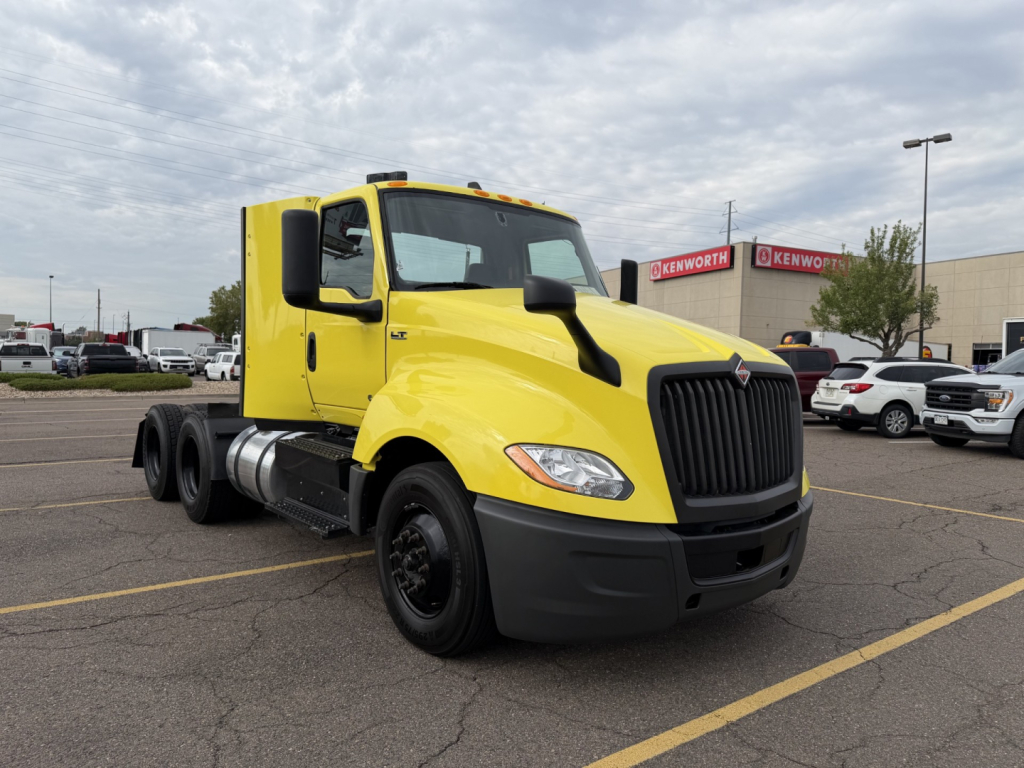
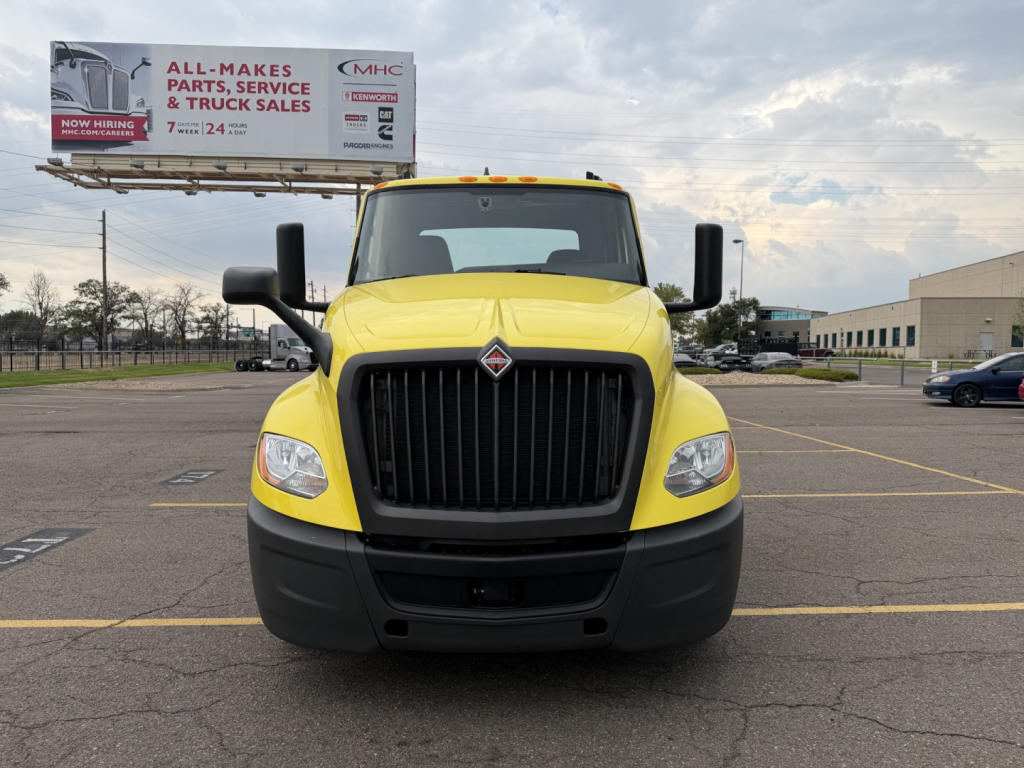
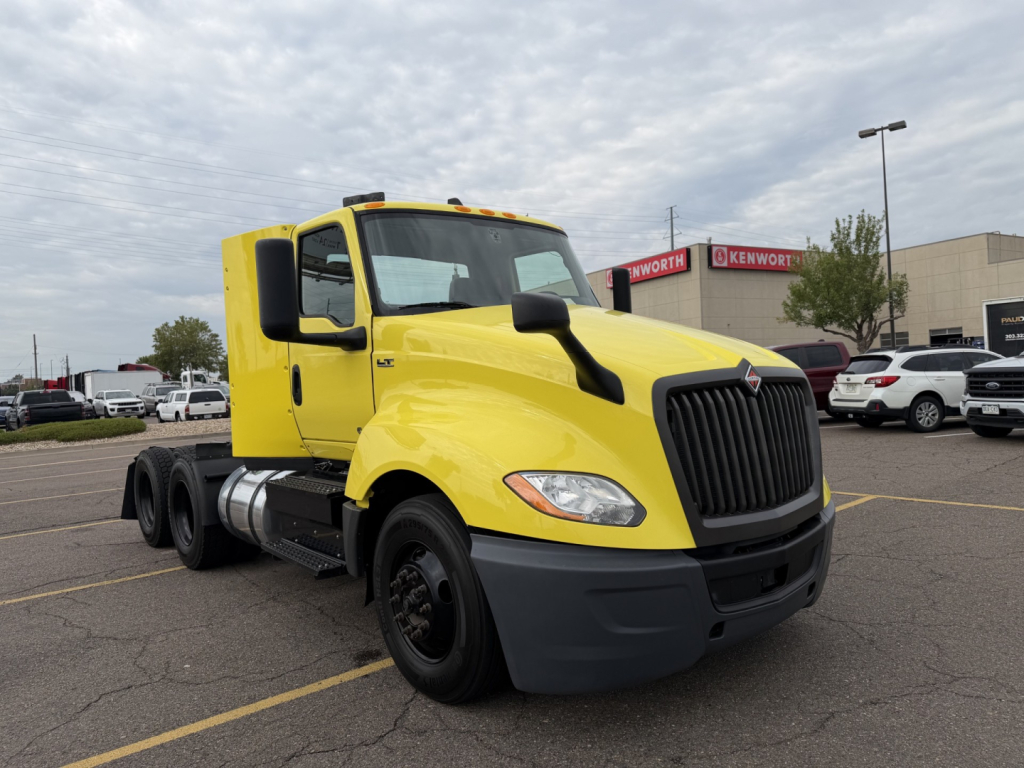
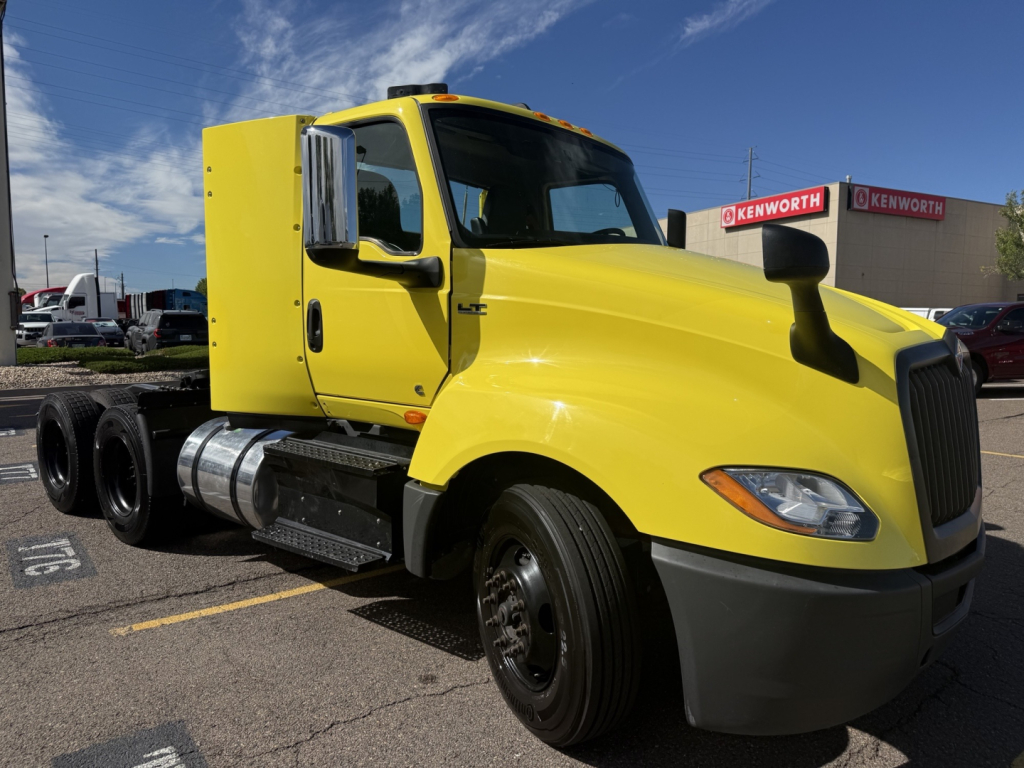

Selling a used international conventional daycab truck? List your used international conventional daycab truck for sale and reach thousands of commercial buyers.
Used International Conventional Daycab Trucks in Colorado
Tare weight drives payload and fuel spend. An A26 daycab with aluminum wheels, single 100 to 120 gallon tanks, and air ride rears can shed several hundred pounds compared to heavier specs; a 6x2 saves more weight but sacrifices traction on snow and gravel common in mountain corridors. Aluminum hubs, crossmembers, and air tanks help, but each lightweight choice trades off durability and impact tolerance. Shorter wheelbases improve maneuverability in urban Front Range routes; longer wheelbases ride smoother and spread weight better over Colorado bridge formula limits.
Structural strength matters under frequent coupling and uneven dock approaches. Inspect frame rail section modulus and RBM ratings against your GCW; double frames or insert liners are desirable for heavy vocational use. Check crossmember spacing and condition, fifth wheel type and slider integrity, and axle ratings such as 12k or 13.2k steer with 38k to 46k rears. Cab floor and mount condition signal how the truck has handled torsional loads; look for fatigue at steering box mounts and suspension hanger brackets. Disc brakes resist fade on mountain descents; drum brakes are durable but need vigilant adjustment under severe duty.
Thermal integrity and corrosion resistance are critical in Colorado. A tight cab with good insulation, strong HVAC output, and intact door and floor seals reduces driver fatigue and keeps electronics dry; cold‑soak starts benefit from block heaters and fuel heaters. Altitude reduces turbo margin, so clean charge‑air coolers and radiators are essential for cooling performance and reliable aftertreatment regens. Magnesium chloride accelerates rust, so favor e‑coated cabs, sealed wiring, stainless hardware, and aluminum components where appropriate; inspect frame flanges, battery boxes, DEF tanks and lines, and under‑cab harnesses for corrosion. Tire pressure monitoring systems preserve casing life in wide temperature swings; an automatic lube system extends chassis life when running gravel and deicer.
Frequently Asked Questions about Used International Conventional Daycab Trucks in Colorado
Which International daycab models are best suited for Colorado routes?
For regional linehaul and P&D along the Front Range, the LT and late ProStar daycabs offer good aerodynamics and lighter tare. The TranStar 8600 is common in tighter urban work thanks to its maneuverability. For vocational or heavier on or off pavement applications, HX variants with higher RBM frames and vocational suspensions handle dump, lowboy, or mixer duties. Match the model to your GCW and terrain; prioritize engine braking capability and cooling package size for mountain corridors.
What engines and transmissions perform best at altitude and on grades?
The Navistar A26 provides a strong power to weight balance in daycab trim, while Cummins ISX and X15 deliver broader torque curves and higher engine brake output, helpful on long grades. Pairing with an Eaton Endurant or UltraShift automated manual simplifies shifting on climbs and prevents overspeed on descents when integrated with the engine brake. For heavy haul or frequent mountain work, 13 or 18 speed ratios provide closer steps and better startability; choose axle ratios that keep the engine in its torque band at typical cruising speeds and consider downspeeding only if the duty cycle permits.
How do I evaluate frame and running gear strength on a used International daycab?
Confirm the frame rail section modulus and RBM against your required GCW and any planned PTO or vocational loads. Inspect for rust jacking between rail and liners on double frame trucks, check crossmember spacing and fasteners, and verify fifth wheel capacity and slider lock function. Review axle ratings, typically 12k to 13.2k steer and 38k to 46k rears, and inspect suspension components for bushing wear and hanger cracks. Look under the cab for floor pan corrosion and mount deterioration, which can indicate torsional stress history.
What should I consider to optimize tare weight without sacrificing durability?
Choose a lighter engine like the A26 if it meets your torque needs, specify aluminum wheels and hubs, and rightsize fuel capacity to the route. A 6x2 layout trims weight but reduces traction on snow or gravel; many Colorado operations prefer 6x4 for winter stability. Aluminum air tanks and crossmembers save pounds, but keep steel where impact or abrasion is likely. Balance wheelbase for maneuverability and ride, and remember that heavier suspensions, full double frames, and larger cooling packages add weight but may be necessary for grades and heat rejection.
How can I protect a used daycab from Colorado corrosion and maintain thermal integrity?
Rinse chassis and underbody frequently during deicing season, apply a quality undercoating where appropriate, and favor stainless fasteners and aluminum or composite components. Inspect and seal harness connectors, maintain battery boxes and step assemblies, and monitor DEF lines and tanks for corrosion at clamps and brackets. For cab thermal integrity, replace worn door and floor seals, verify heater core and blower performance, and consider a block heater or coolant heater for cold starts. Clean radiators and charge‑air coolers to sustain cooling and aftertreatment temperatures needed for reliable regens in cold weather.