
Used International Conventional Day Cab Trucks For Sale
Compare used International conventional day cab trucks for sale by engine generation, axle ratio, emissions history and chassis condition before buying.
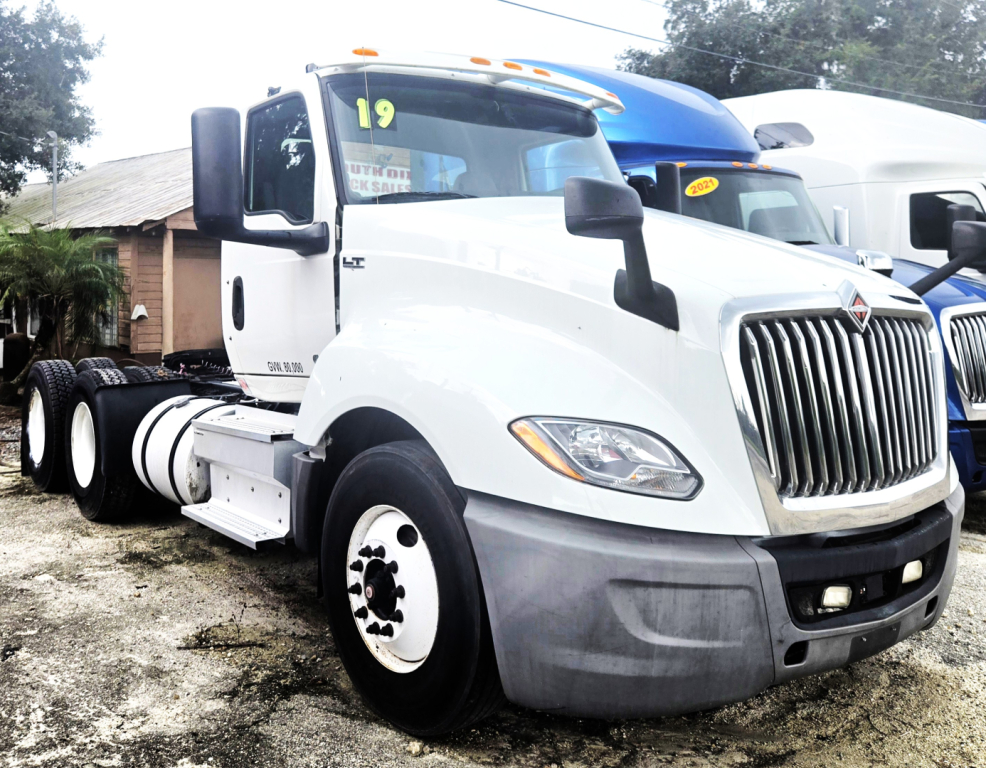
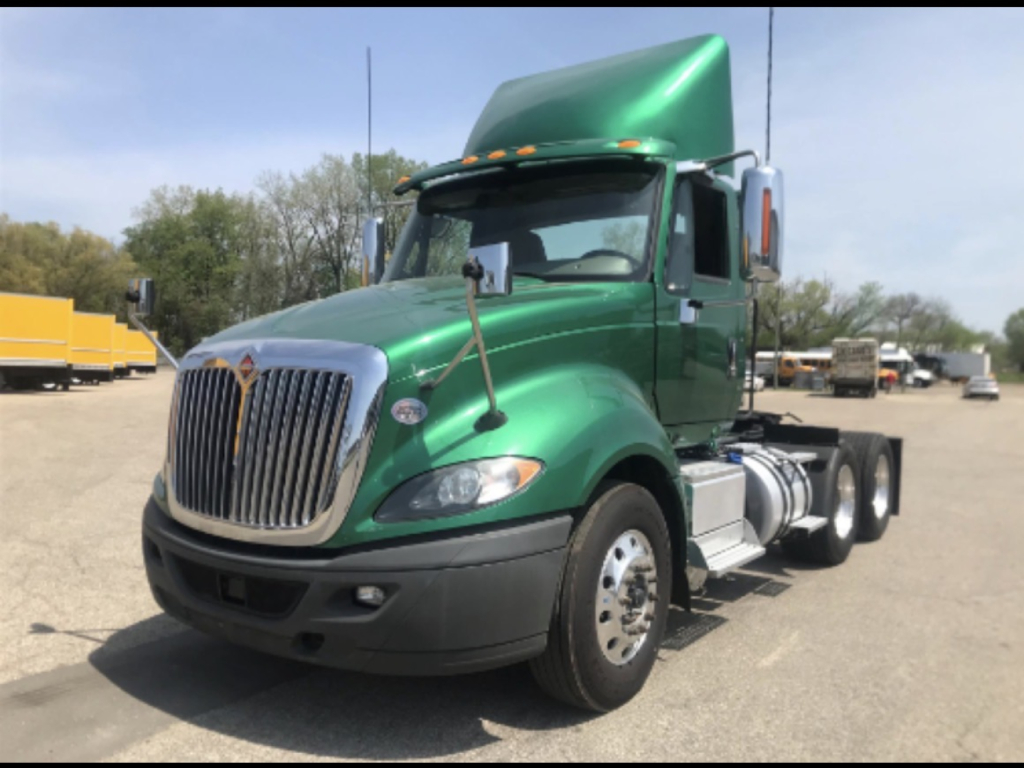
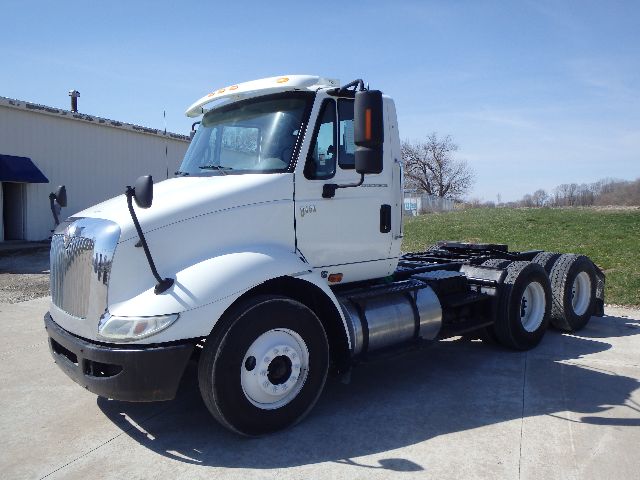
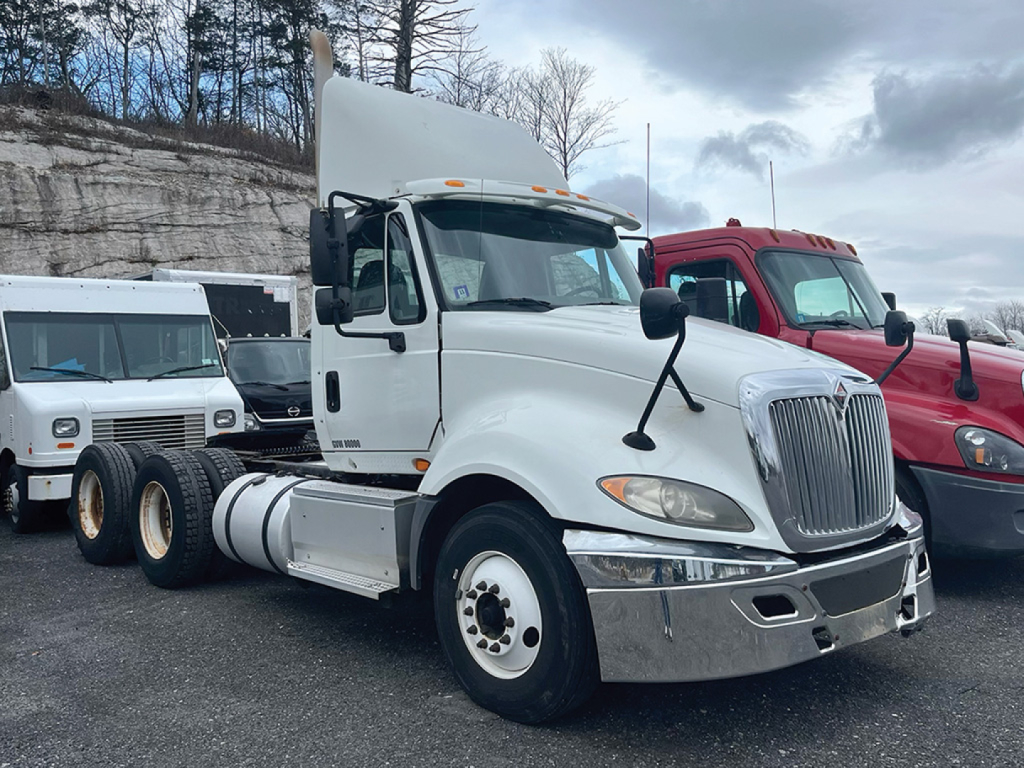
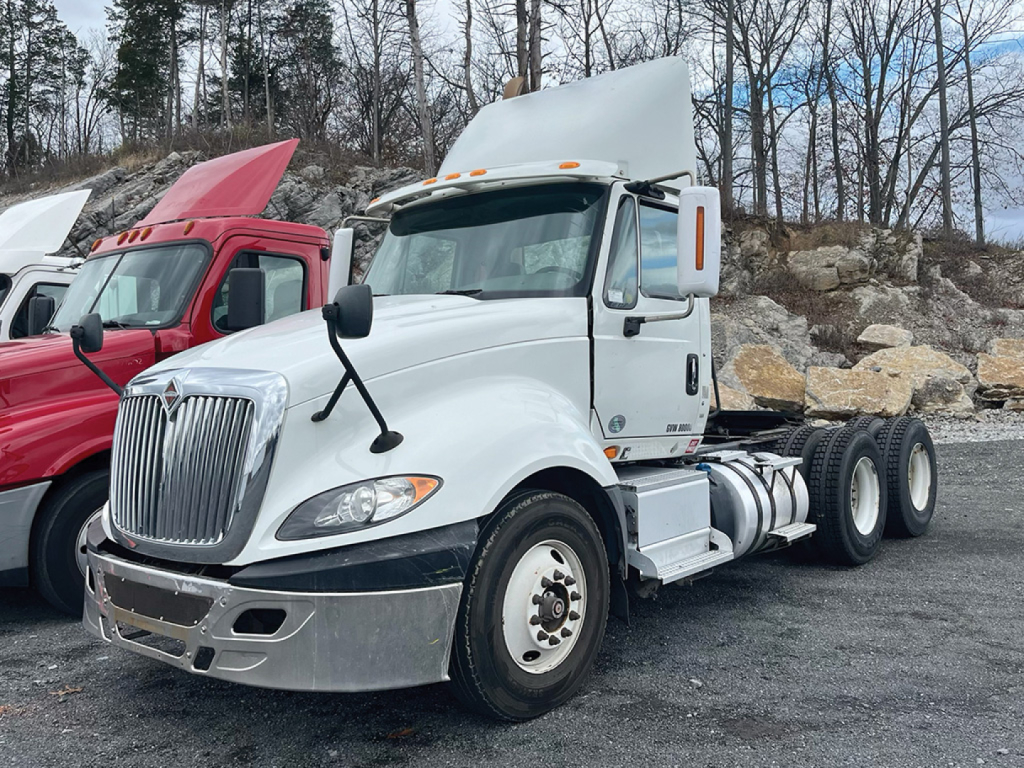
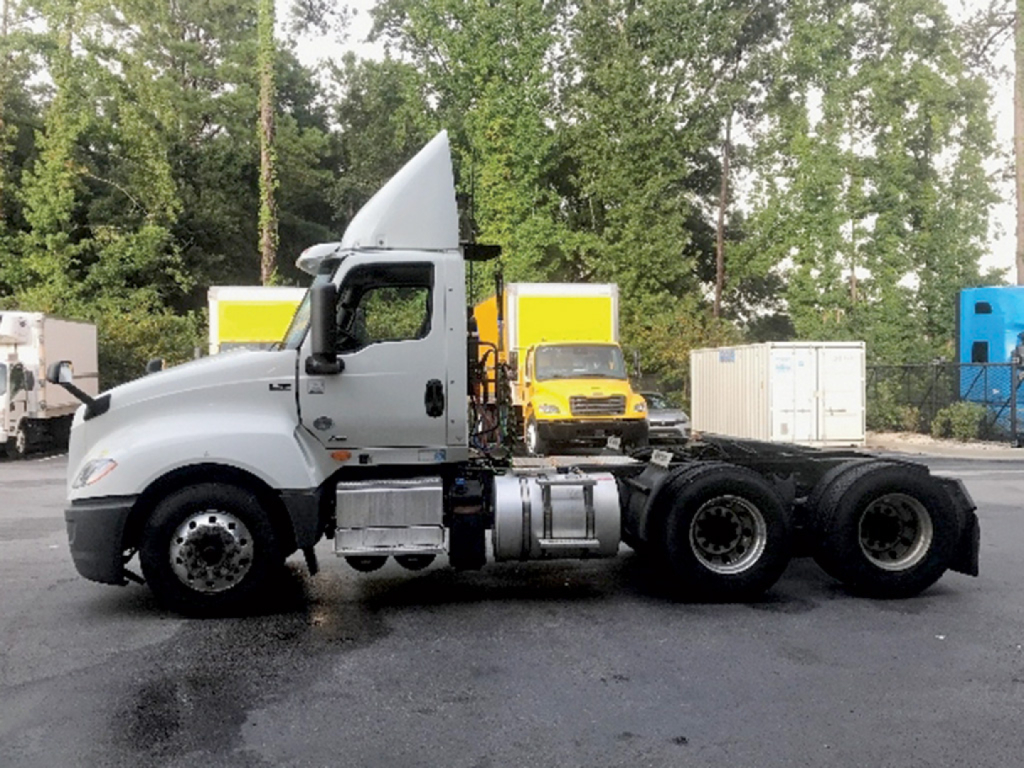
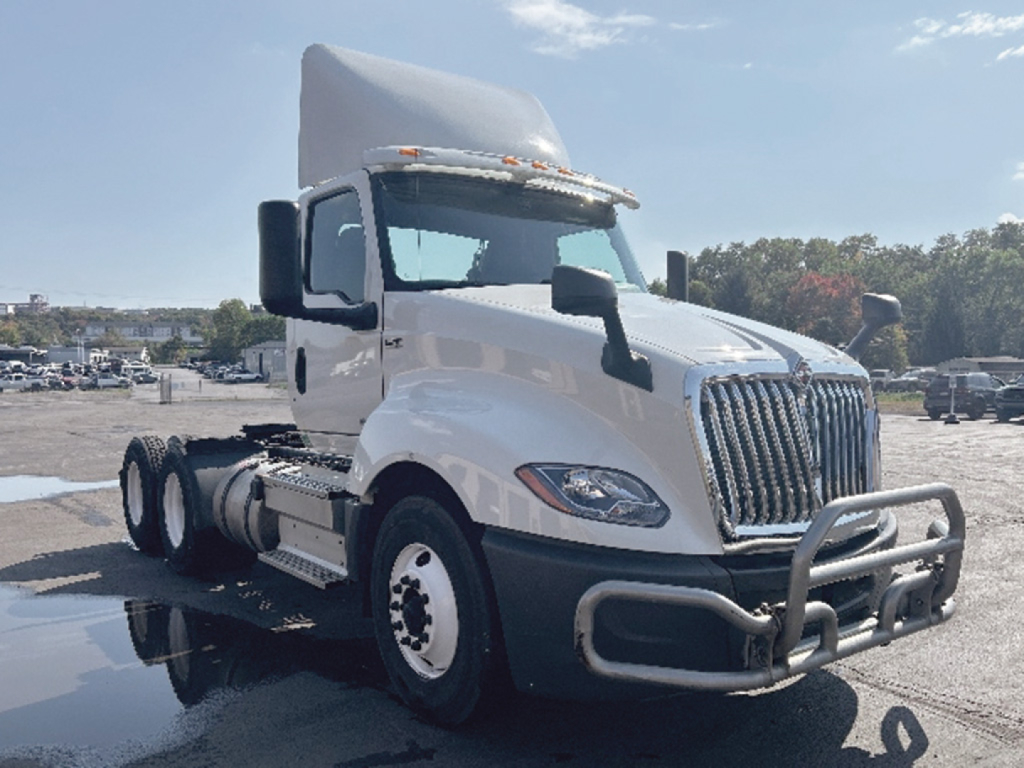
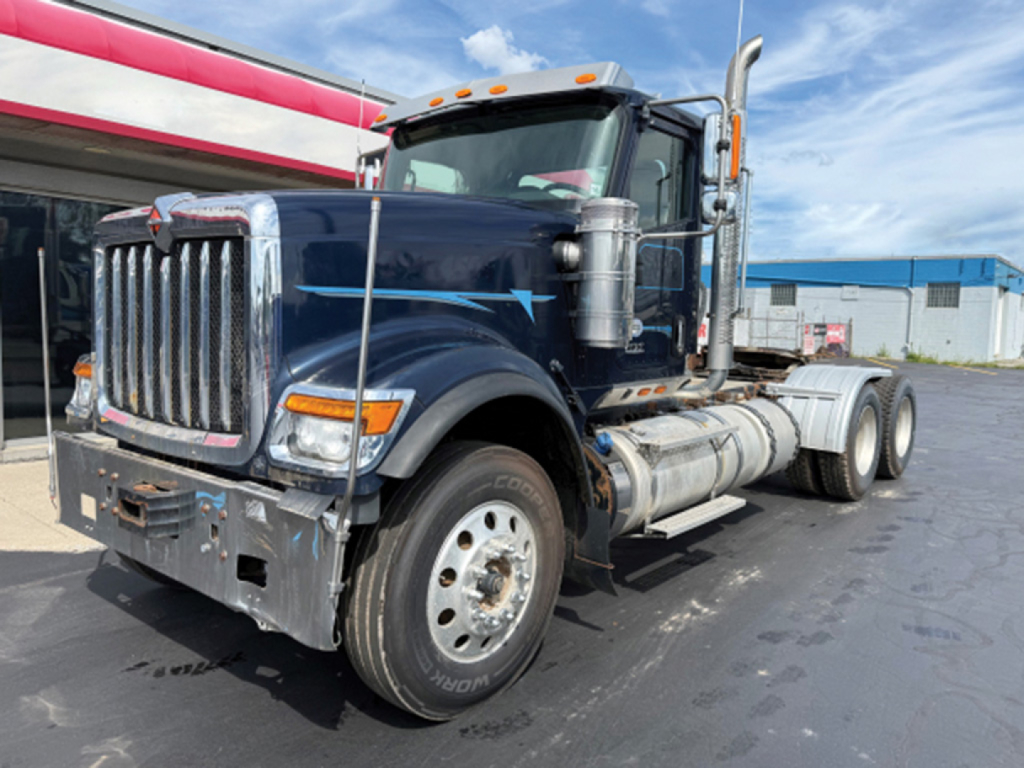
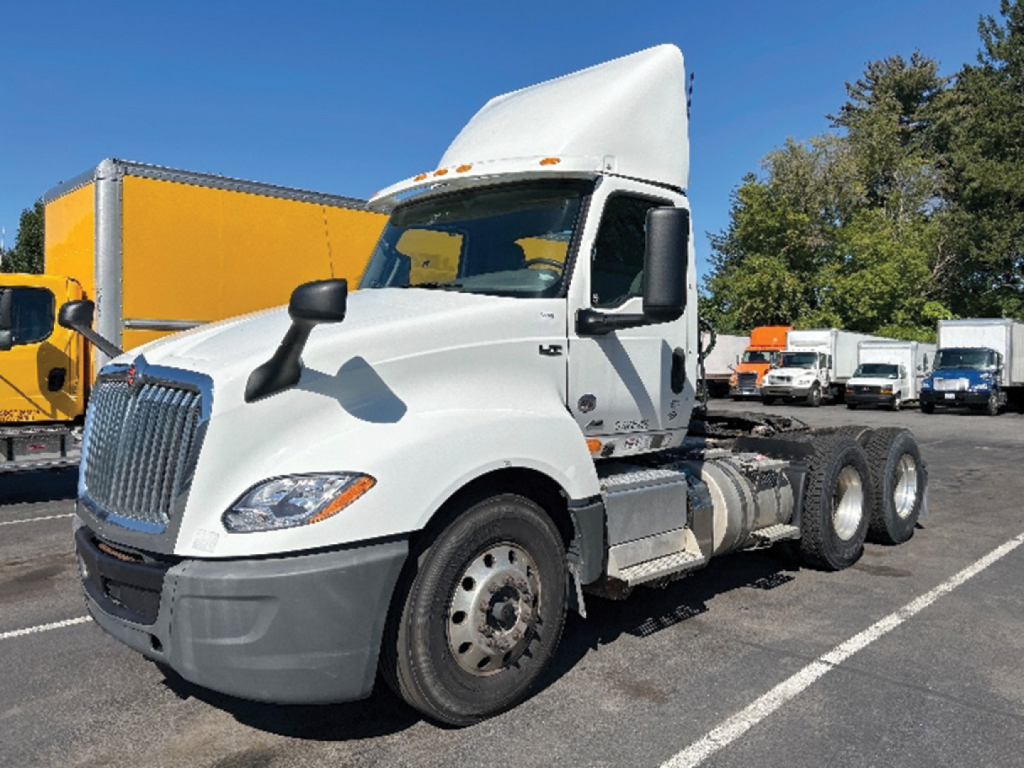
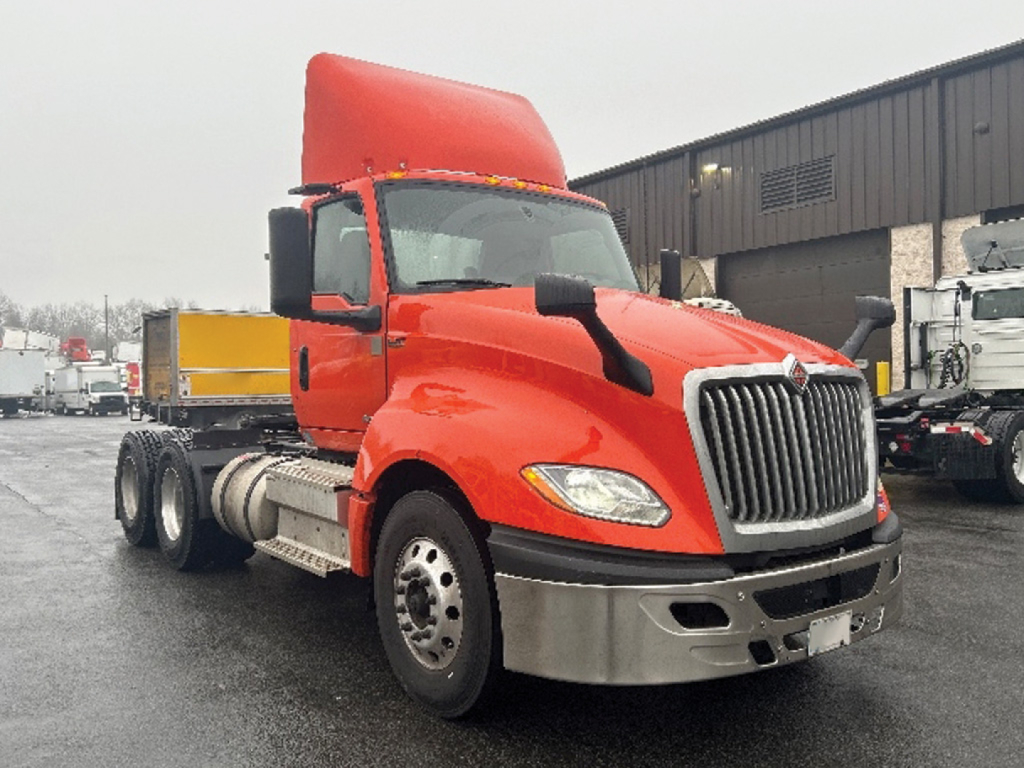
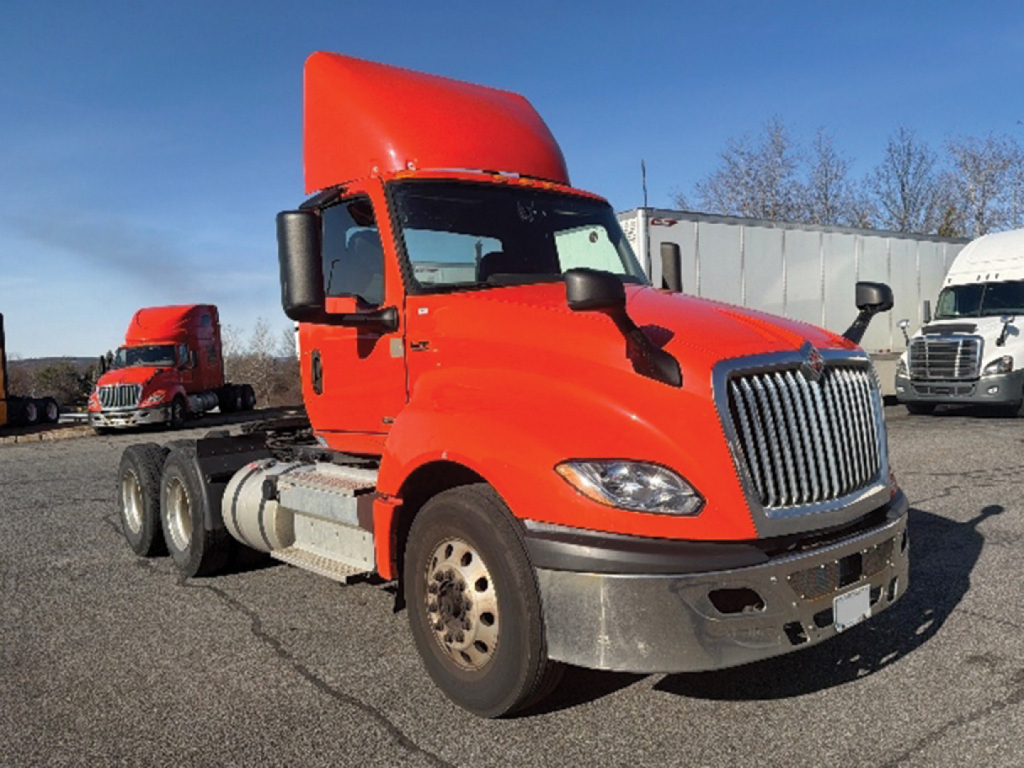
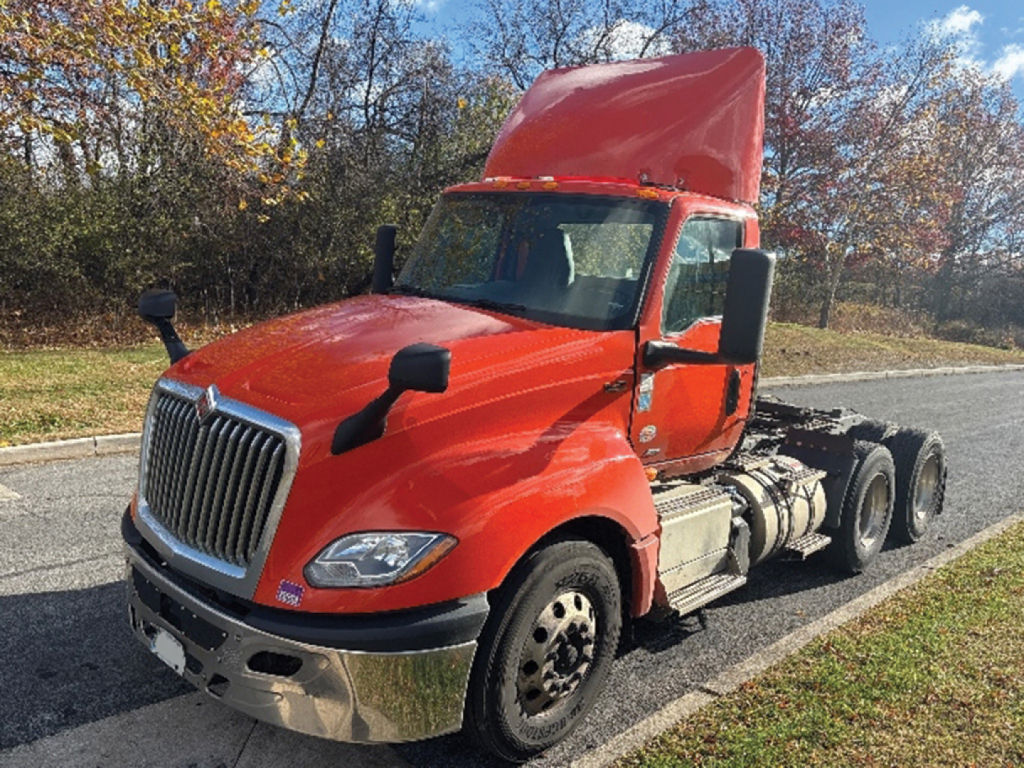
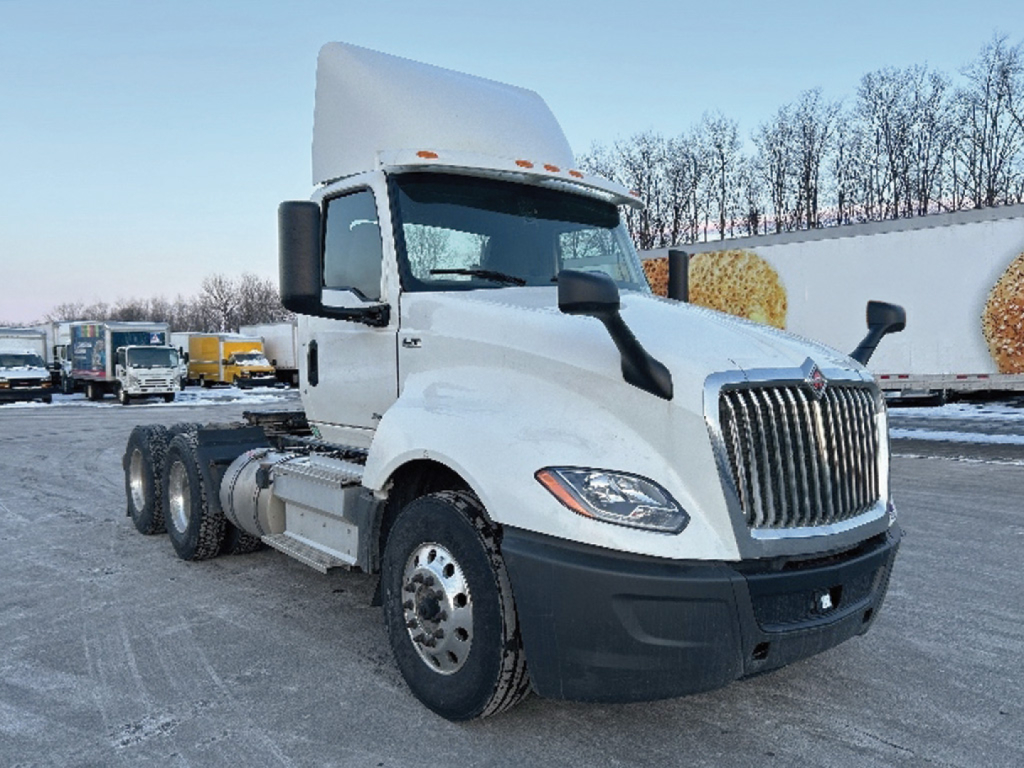
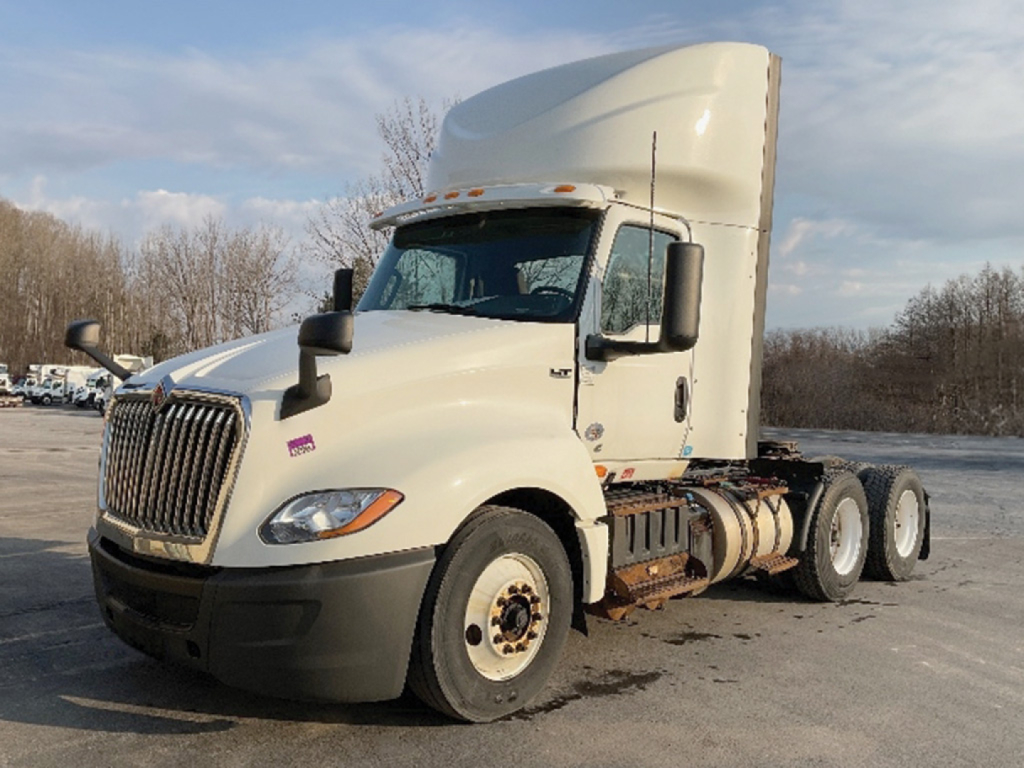
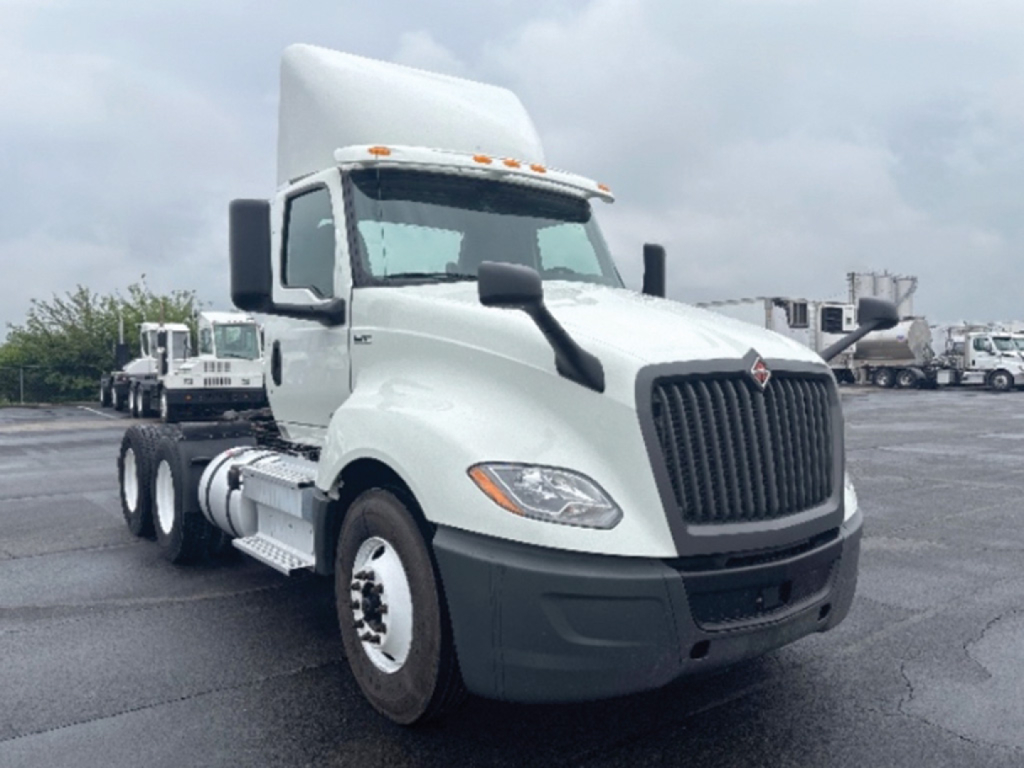
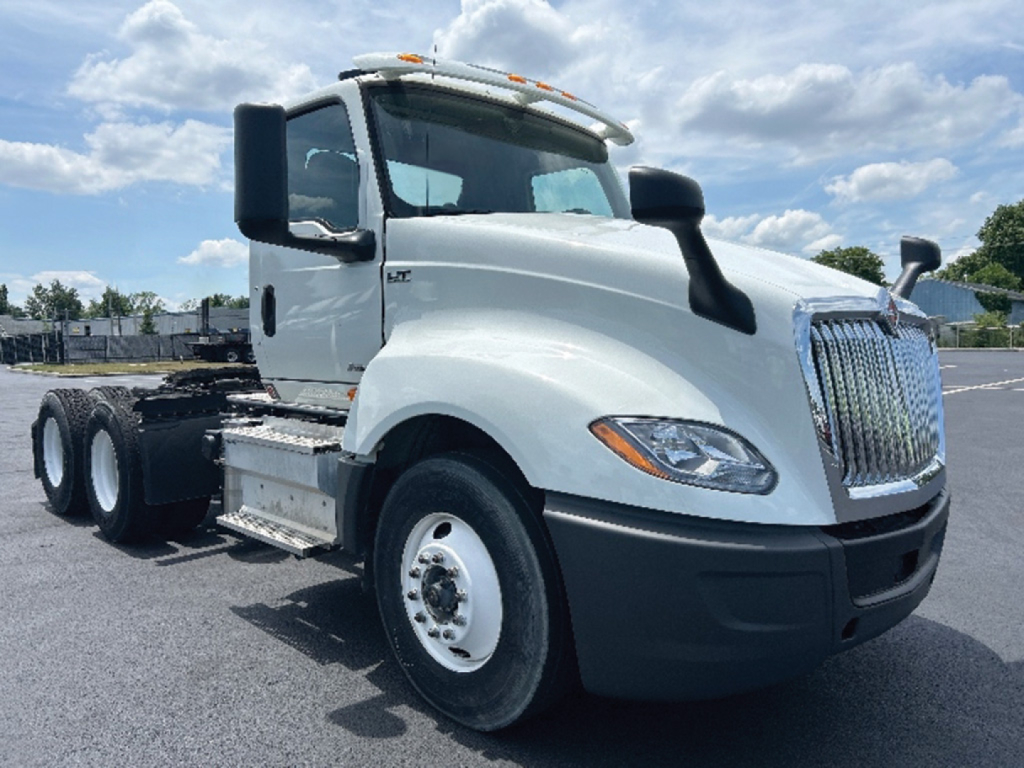
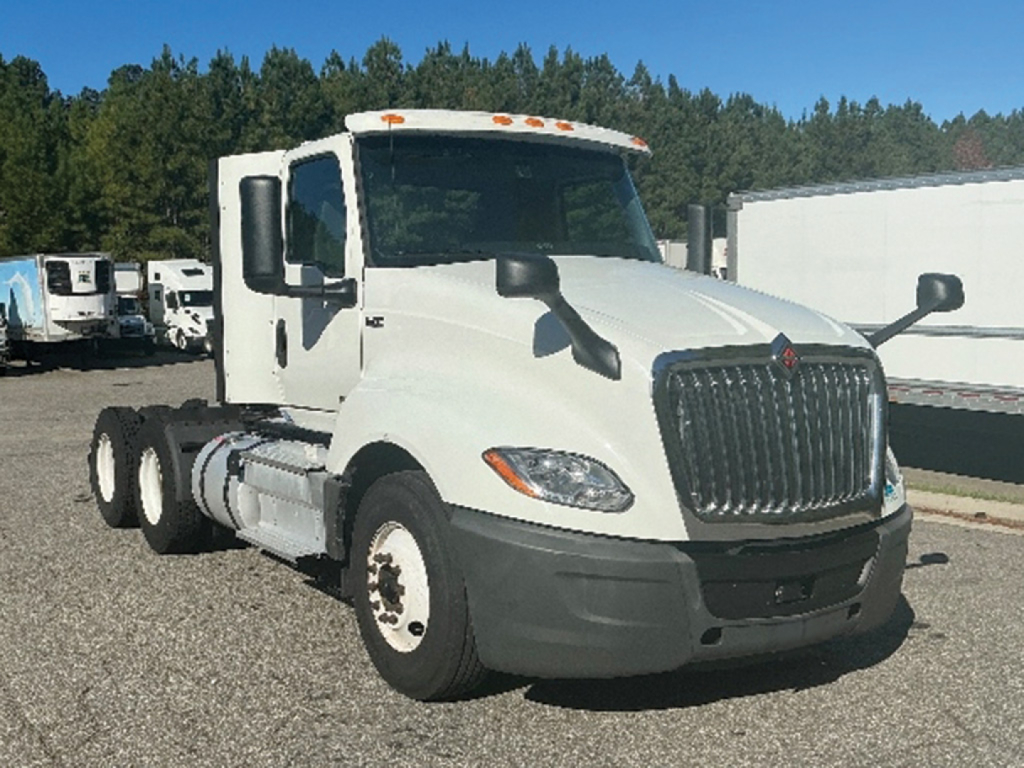
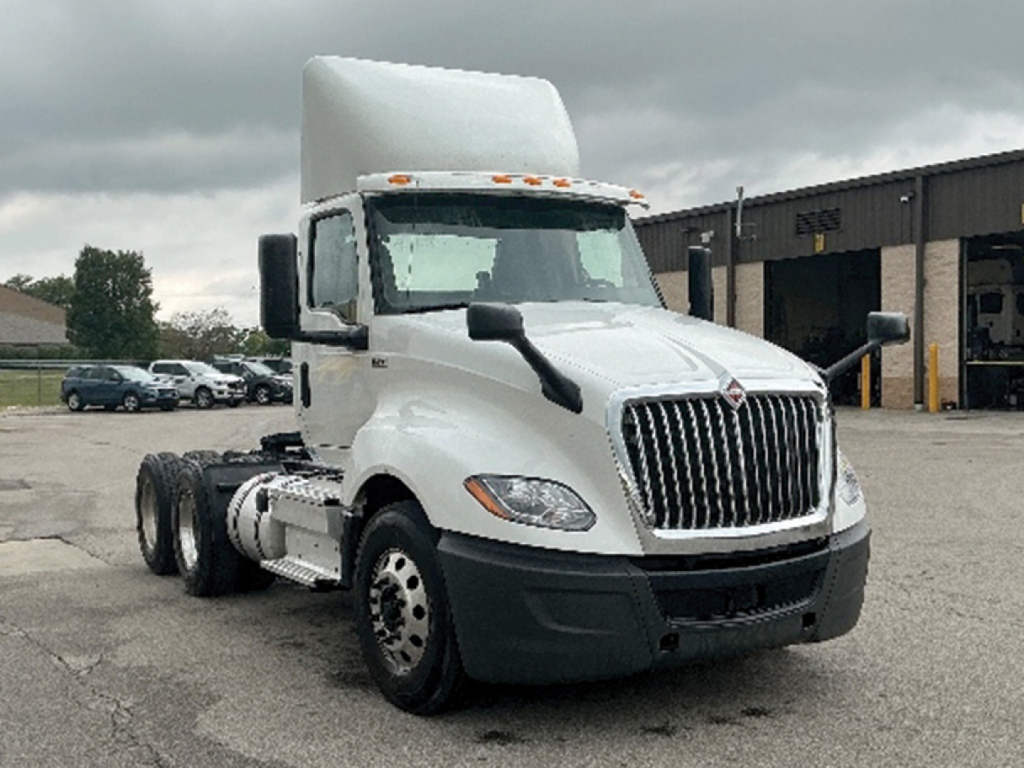
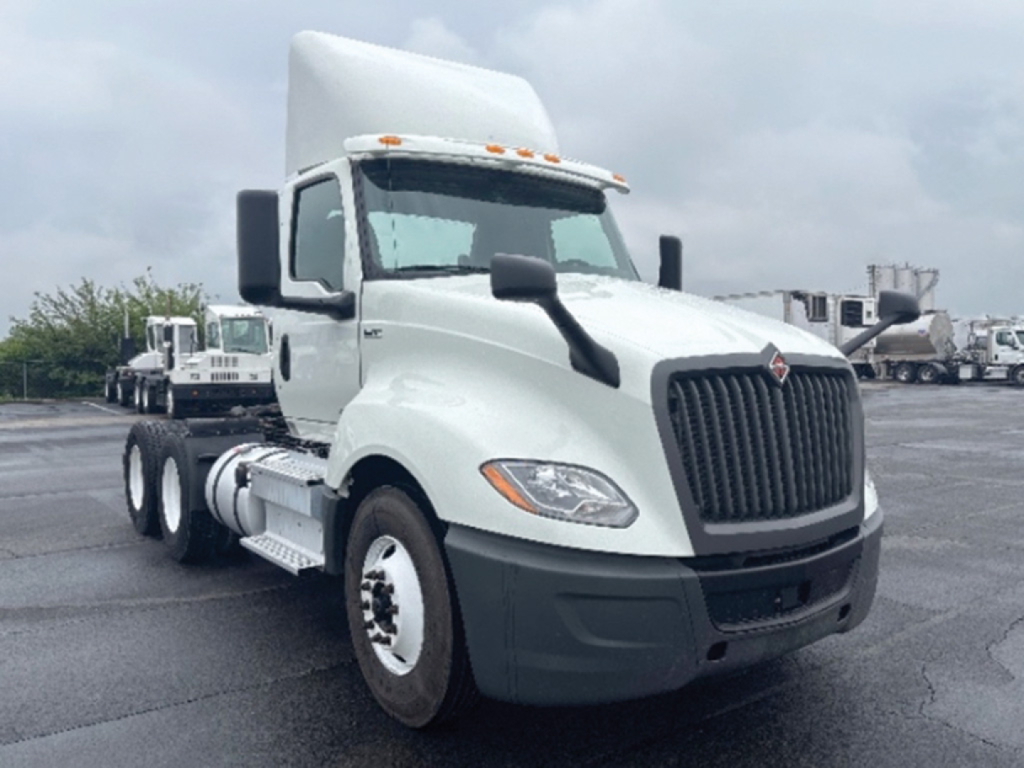
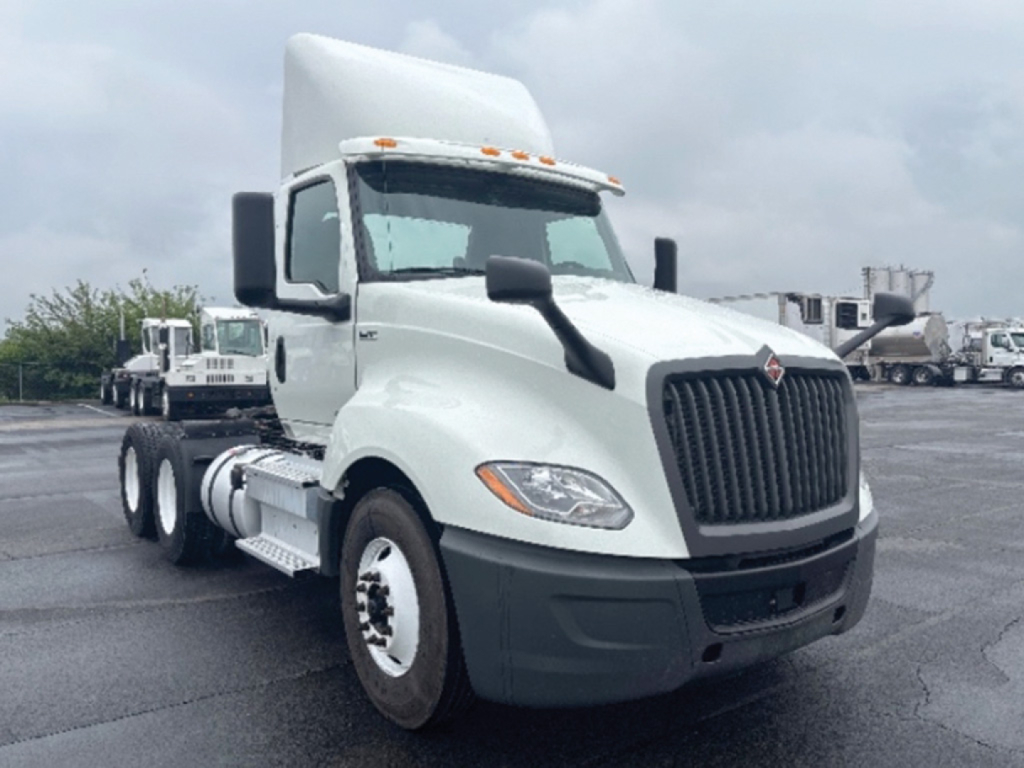
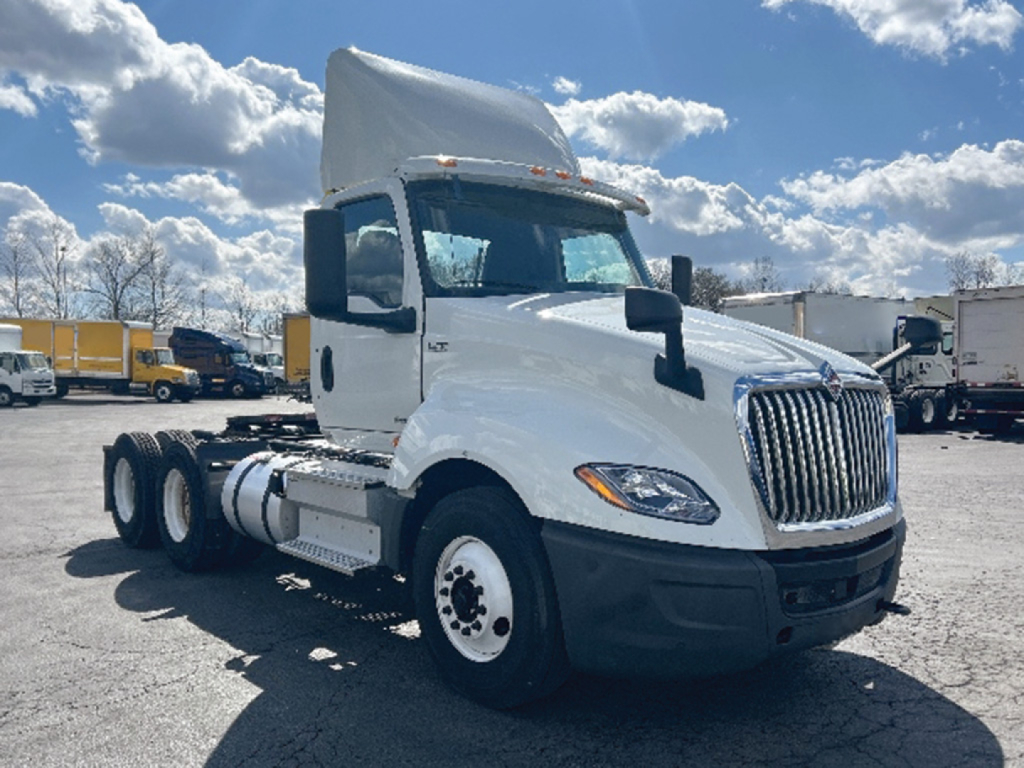
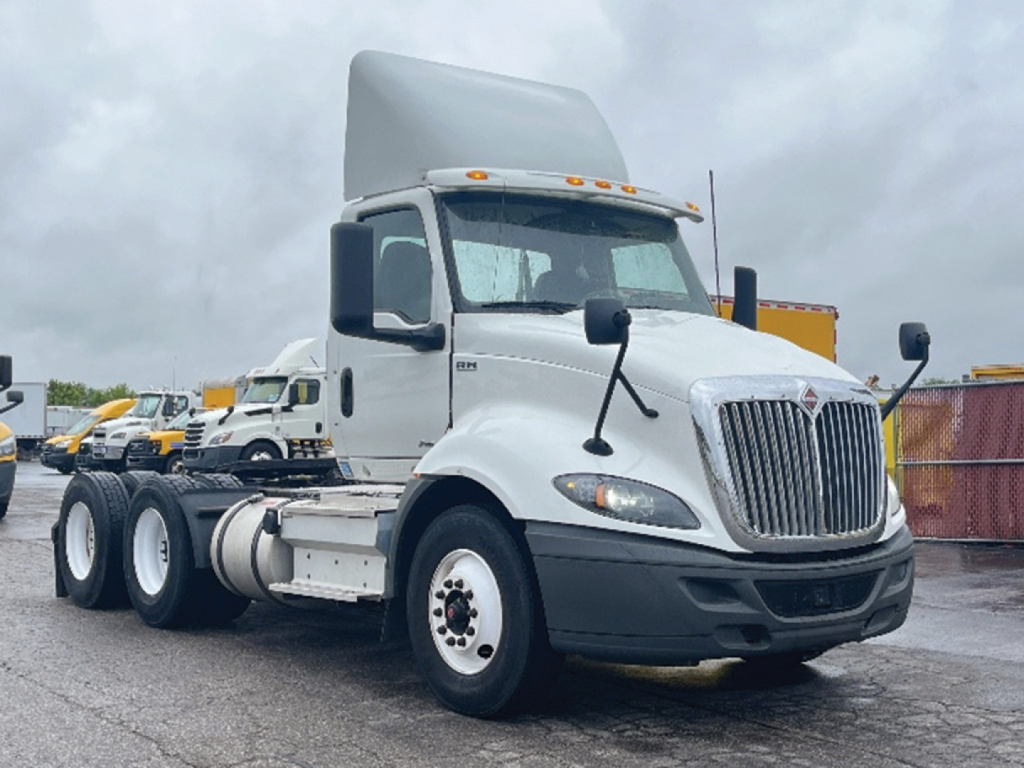
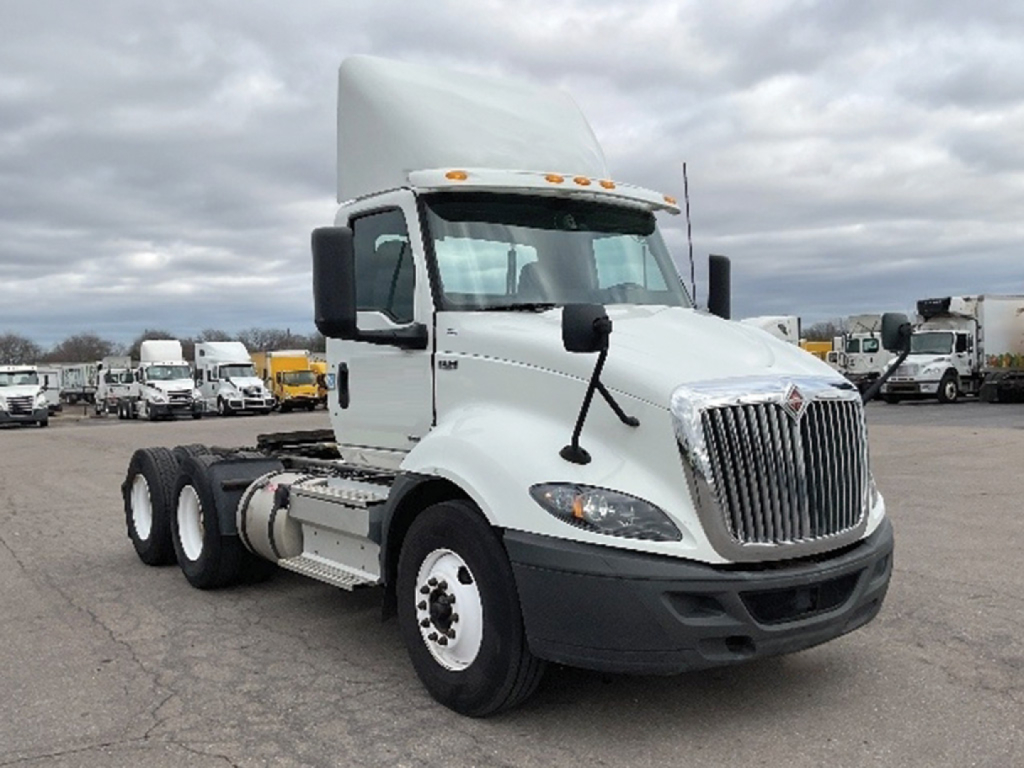
Showing 1 to 28 of 45 results
Selling a used international conventional day cab truck? List your used international conventional day cab truck for sale and reach thousands of commercial buyers.
Used International Conventional Day Cab Trucks
An older 8600 may pair a Cummins ISM with an Eaton Fuller manual, while ProStar tractors can carry Cummins ISX or International MaxxForce engines, depending on year. Later LT day cabs commonly use Cummins X15 or International A26 power with manual or automated manual transmissions. Confirm the engine model and emissions label rather than relying on the hood badge. The 2007 emissions era brought widespread diesel particulate filters; 2010-era Cummins engines added SCR and DEF, while contemporary MaxxForce engines initially relied on advanced EGR without SCR. Those systems require different diagnostic experience and maintenance histories.
Match axle ratio, transmission gearing and tire size to loaded cruising speed and starting grade, not horsepower alone. A highway-oriented LT with tall gearing may be a poor match for repeated heavy starts or steep access roads. Check wheelbase, fifth-wheel travel and trailer clearance against the trailers actually being pulled. Compare certified empty weight with axle ratings and legal operating limits; a tractor's GVWR is not its allowable tractor-trailer combination weight.
Request ECM mileage, engine hours, idle percentage, fault history and dated service records before accepting an odometer reading as evidence of condition. A local day cab can accumulate substantial engine and driveline wear without high road mileage. Start the engine cold, check crankcase pressure and coolant condition, and review DPF cleaning, regeneration and SCR repair records where equipped. On MaxxForce-powered trucks, scrutinize EGR and cooling-system repair history. Inspect clutch operation or automated-transmission engagement under load, plus fifth-wheel jaws, steering play, suspension bushings and frame repairs. Identify nonrunning or incomplete trucks before treating them as road-ready equipment.
Across the United States and Canada, prior operating territory matters. Snow Belt and Canadian service warrants close inspection of frame rails, air tanks, brake plumbing and electrical connectors for salt damage. Cold-weather work favors verified starting aids and a functioning air dryer. Mountain routes make engine-brake performance important, while California operation requires checking CARB eligibility. Confirm axle weights and configuration against the states and provinces on the intended route.
Frequently Asked Questions about Used International Conventional Day Cab Trucks
Is a single-axle or tandem-axle International day cab better for local work?
A single-axle International day cab suits lighter trailer loads and tight delivery sites, while a tandem-drive tractor provides greater rear axle capacity and more driven-wheel traction. A tandem also adds weight, tires and driveline maintenance. Choose from actual loaded axle weights and site conditions, not trailer length alone, and verify that the tractor's ratings support the intended combination.
Can a used International day cab pull a dump trailer or walking-floor trailer?
Yes, an International day cab can operate a hydraulic trailer when its transmission supports the correct PTO and the tractor has a properly matched wet kit. Verify pump flow, operating pressure, reservoir capacity, filtration and hose connections against the trailer manufacturer's requirements. Dump and walking-floor systems can require different hydraulic specifications, and an existing wet kit is not automatically suitable for both.
Do I need a Class A CDL to drive an International day cab tractor?
A typical International day cab pulling a commercial semitrailer requires a Class A CDL in the United States. The federal threshold is a combination rating or actual combination weight of at least 26,001 pounds, whichever is greater, with a towed vehicle rated or weighing over 10,000 pounds. Air-brake restrictions and application-specific endorsements also matter. Canadian buyers must follow provincial licensing requirements rather than US CDL classifications.
Can an older International day cab operate in California?
Most diesel International day cabs over 26,000 pounds GVWR need a 2010-or-newer engine to meet California's Truck and Bus Regulation. Applicable trucks also face Clean Truck Check emissions compliance, including out-of-state vehicles operating in California. Verify engine model year, any claimed exemption and compliance status before assigning a tractor to California routes; chassis model year alone does not establish eligibility.
Is an automated manual transmission a good choice for a used International day cab?
An Eaton automated manual can reduce shifting workload in an International day cab, but low-speed control and clutch condition remain important buying checks. An automated manual uses a mechanical clutch rather than the torque converter found in a conventional automatic. Test loaded starts, reversing and repeated docking maneuvers, and request clutch wear data, calibration records and transmission fault history from a compatible diagnostic system.