
Used 2023 International Conventional Daycab Trucks For Sale
Browse used 2023 International conventional daycab trucks with specs buyers want, including A26 or X15 power, wheelbase, axle, and transmission options.
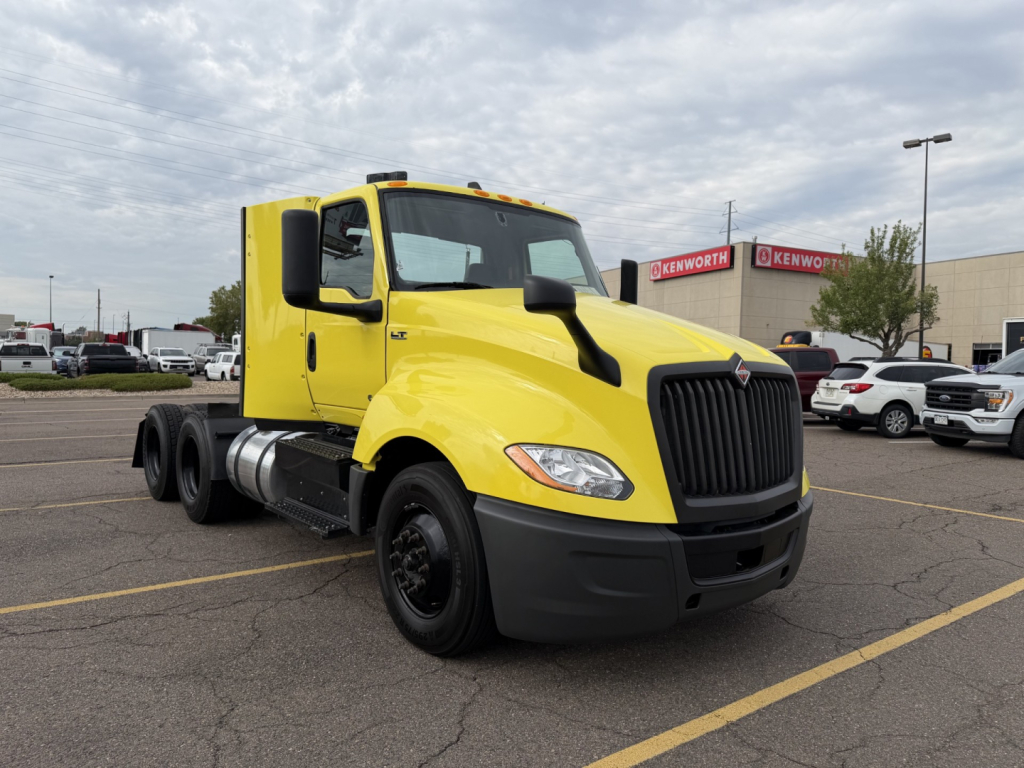
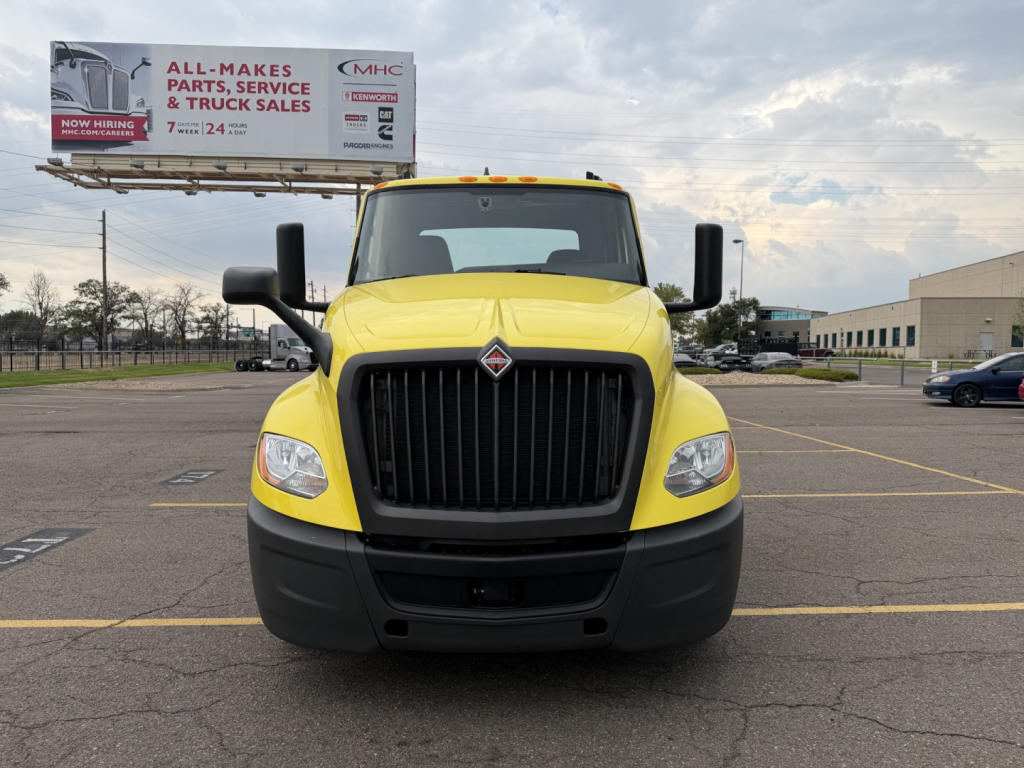
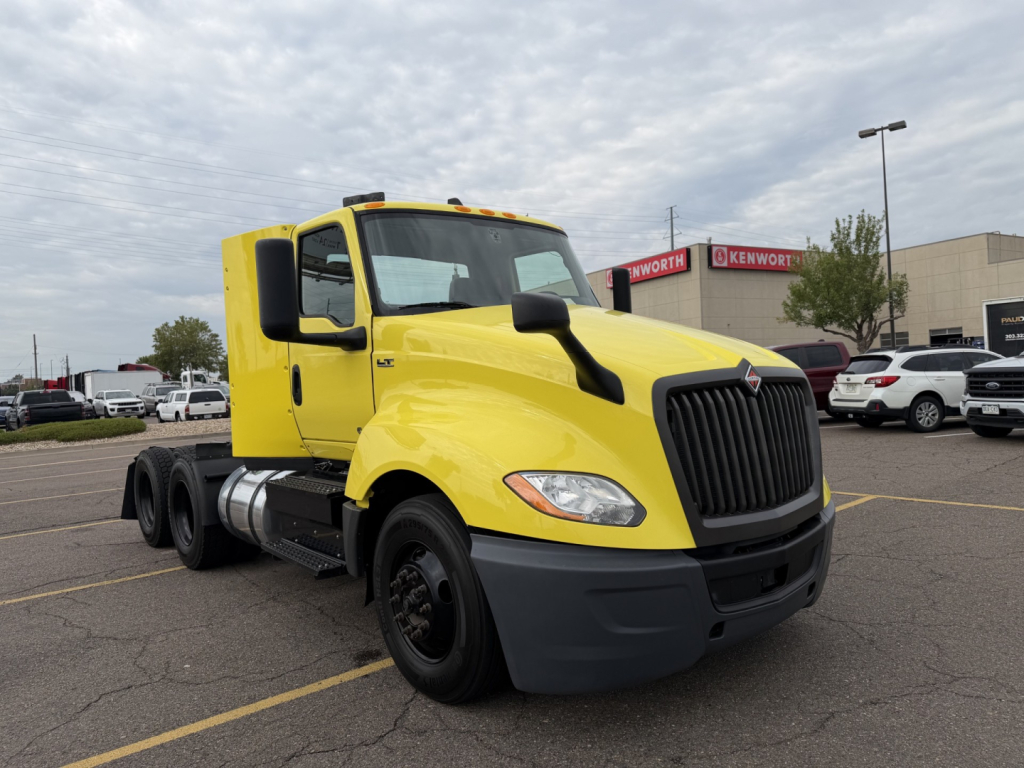
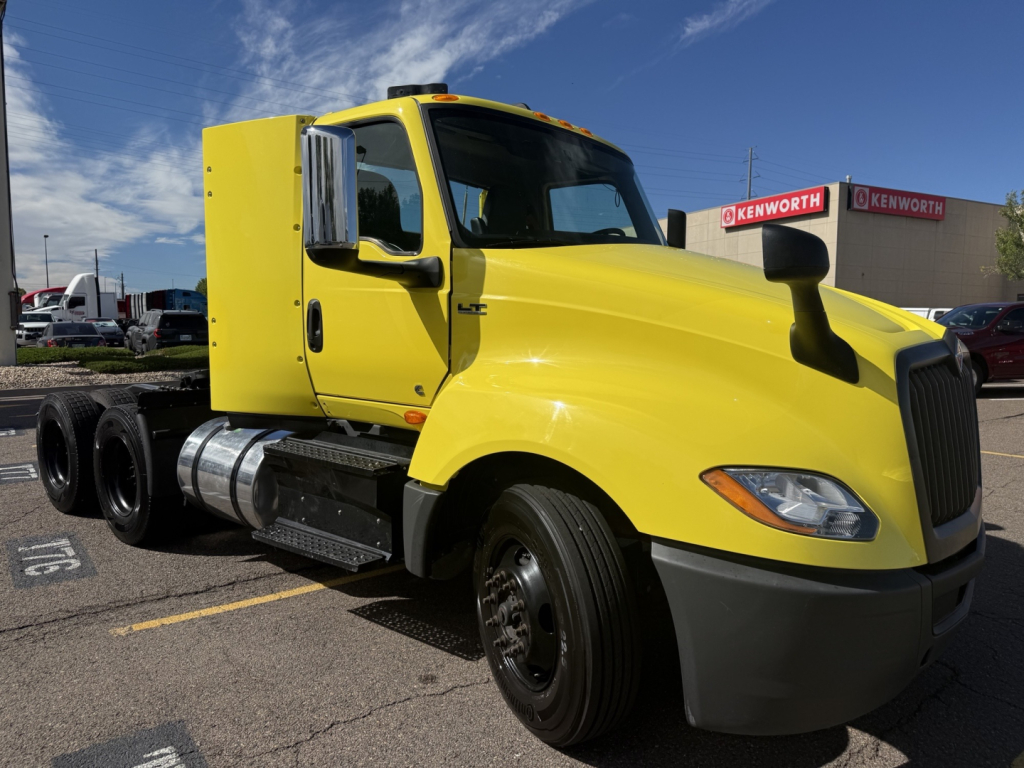
Selling a used 2023 international conventional daycab truck? List your used 2023 international conventional daycab truck for sale and reach thousands of commercial buyers.
Used 2023 International Conventional Daycab Trucks
The main buying decision is usually drivetrain spec. Many 2023 International daycabs are equipped with the International A26 or Cummins X15, commonly rated from the high 300 HP range into the low 400s, paired with automated Eaton transmissions. For regional van and general freight, buyers often favor faster rear axle ratios for fuel economy. For heavier vocational pulls, short-haul aggregate, or frequent stop-start operation, a deeper ratio and heavier suspension spec can make more sense. Pay attention to gross combination weight expectations, rear axle rating, wheelbase, and fifth wheel setup. A sliding fifth wheel adds versatility, while a fixed position can be acceptable for a dedicated trailer pool.
Cab and chassis details matter more in this category than many first-time buyers expect. A shorter wheelbase improves turning radius and dock access, but it can limit frame space for larger tanks, hydraulic equipment, or specialty upfits. Air ride suspension is common and preferred for ride quality and trailer protection. Disc brakes, collision mitigation, cruise, power windows, and tilt-telescoping steering are frequently seen on late-model International daycabs and can improve driver acceptance on multi-stop or high-turnover routes. If the truck is intended for urban or terminal work, visibility, bumper condition, fairing configuration, and tire size should be reviewed just as closely as engine make.
For a used 2023 International conventional daycab, the best value usually comes from matching the truck’s original fleet spec to the job ahead. A lightweight aero daycab with a 2.64 to 3.08 ratio fits linehaul and regional freight differently than a single-axle or vocationally spec'd unit with shorter gearing. Buyers should review engine hours, idle time, maintenance records, aftertreatment history, brake type, and any active safety calibration status before making a decision. When the spec is right, an International daycab can be a practical, efficient choice for fleets that need current technology without paying new-truck pricing.
Frequently Asked Questions about Used 2023 International Conventional Daycab Trucks
What are used 2023 International conventional daycab trucks best suited for?
Used 2023 International conventional daycab trucks are typically best suited for regional haul, local freight, drayage, dedicated route work, tanker, and terminal operations. The daycab layout eliminates sleeper length and weight, which improves maneuverability and often helps with payload, yard access, and docking in tighter spaces. They are generally a strong fit for operations where the driver returns home daily and the truck spends more time in short- to medium-length runs than in over-the-road service.
Which engines are common in a 2023 International daycab?
The most common engines in a 2023 International conventional daycab are the International A26 and the Cummins X15, depending on the model and original fleet specification. The A26 is often selected for fuel-conscious regional applications and lighter weight packaging, while the X15 is common where fleets want a broader service network familiarity or higher-demand pulling performance. Horsepower ratings commonly fall around 400 to 430 HP, but the right engine choice depends on route profile, gross weight, and duty cycle rather than peak horsepower alone.
What specs matter most when comparing International daycab listings?
The most important specs are wheelbase, axle configuration, rear axle ratio, transmission type, suspension, fifth wheel style, and brake setup. A shorter wheelbase usually helps in city and yard work, while axle ratio has a major effect on launch performance, cruise RPM, and fuel economy. Buyers should also compare rear axle capacity, tank size, fairings, and whether the truck has air slide fifth wheel capability for flexibility across trailer types and kingpin settings.
Is a single-axle or tandem-axle International daycab better?
A single-axle International daycab is often the better choice for lighter regional work, shorter trailers, specialized local routes, and operations focused on lower operating weight and simpler maintenance. A tandem-axle daycab is generally the better fit for heavier freight, higher GCW requirements, more varied trailer assignments, and broader resale appeal in highway applications. The better option depends on legal weight requirements, trailer mix, and the terrain the truck will run.
What should buyers inspect on a used 2023 International daycab before purchase?
Buyers should inspect engine hours, idle hours, service records, aftertreatment history, fault code activity, tire wear, brake condition, suspension wear points, and any signs of frame or fifth wheel stress. On late-model daycabs, it is also important to verify the status of collision mitigation, lane systems, and other electronic safety features because calibration and sensor condition can affect repair cost. A recent model year does not remove the need to check for hard-use indicators such as bumper damage, uneven driveline wear, or excessive PTO or yard-duty idle time.