
Used 2020 Commercial Trucks For Sale in Colorado
Used 2020 commercial trucks for sale in Colorado: compare mountain gearing, braking capacity, payload and diesel aftertreatment maintenance records.
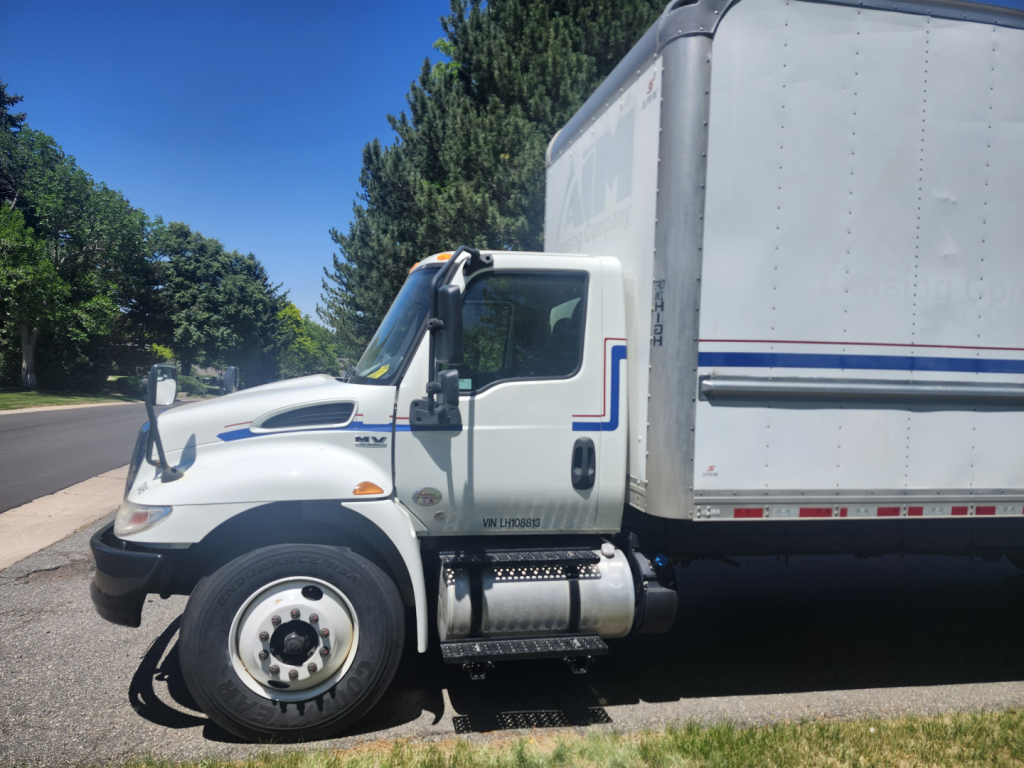
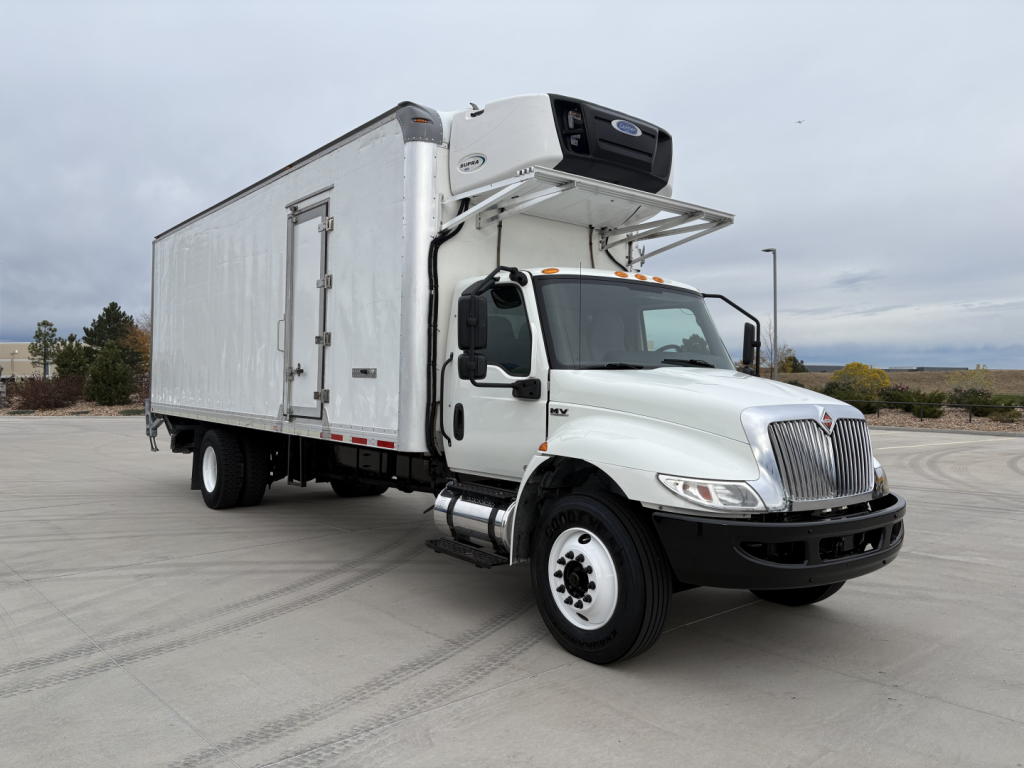
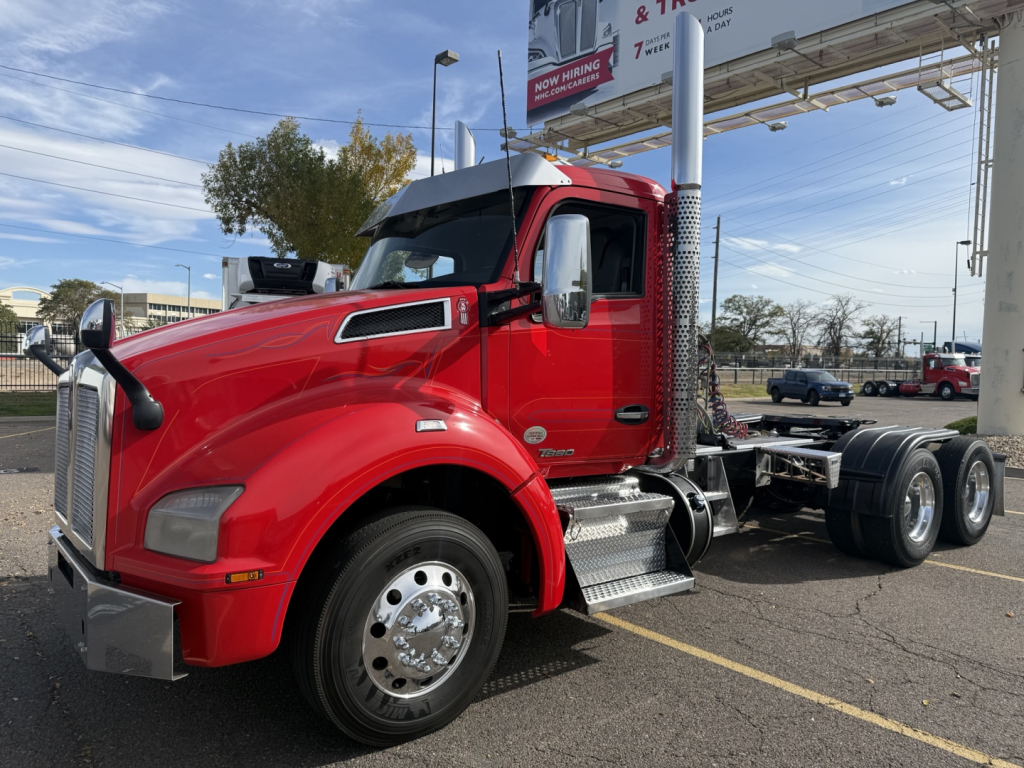
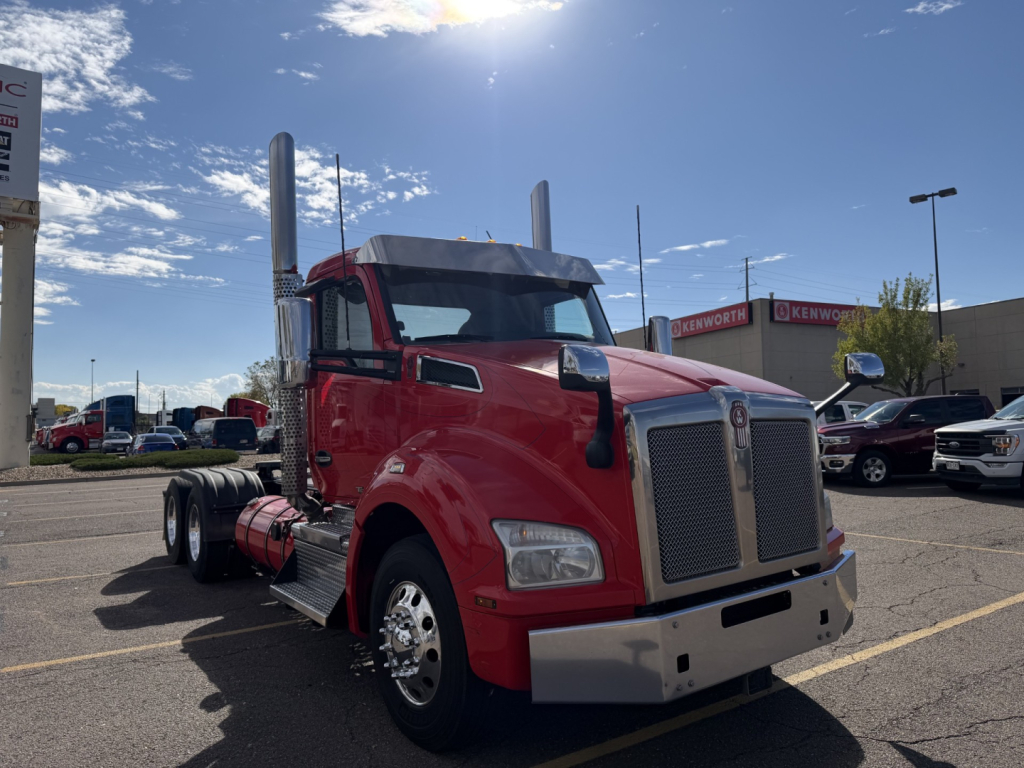
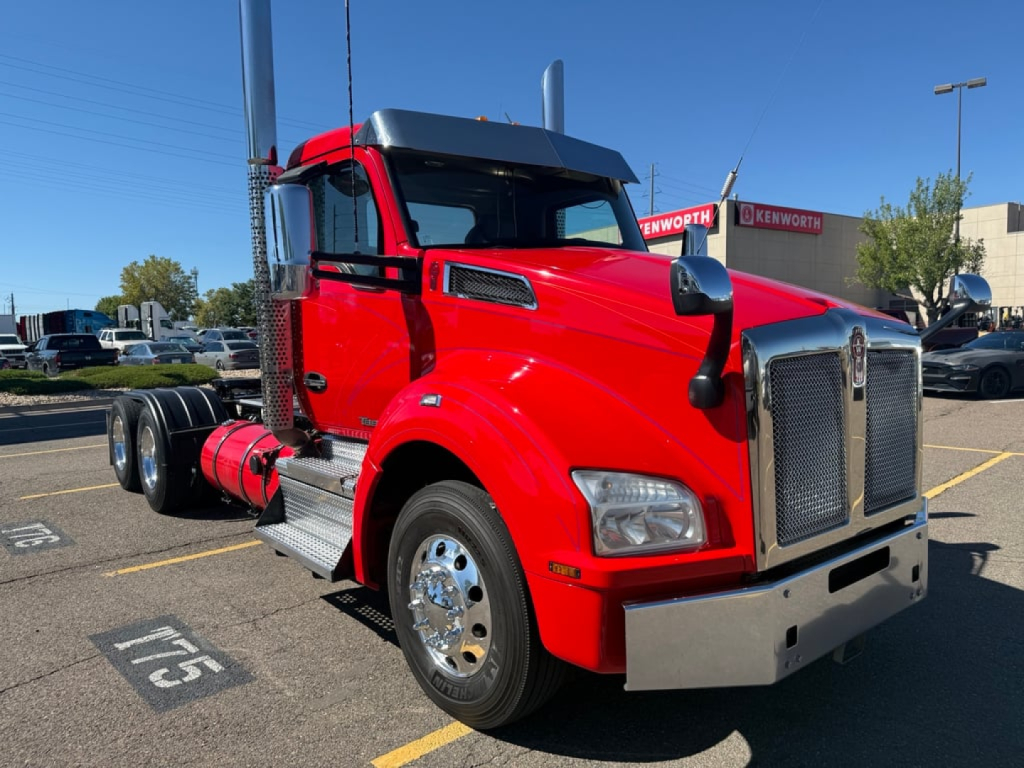
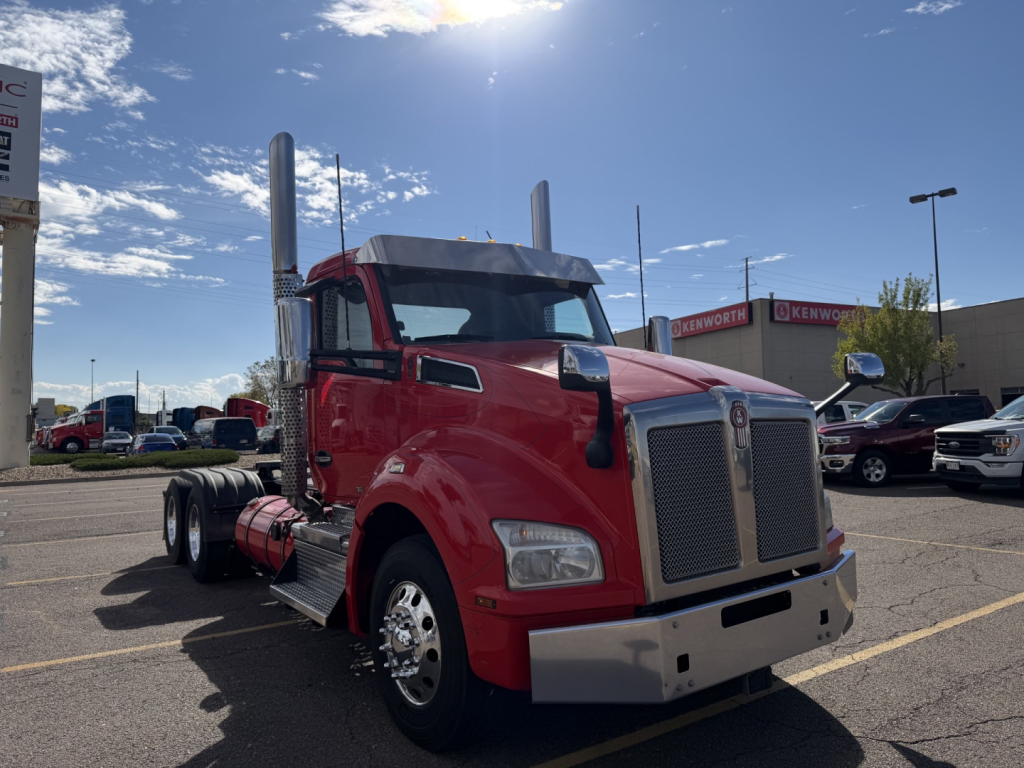
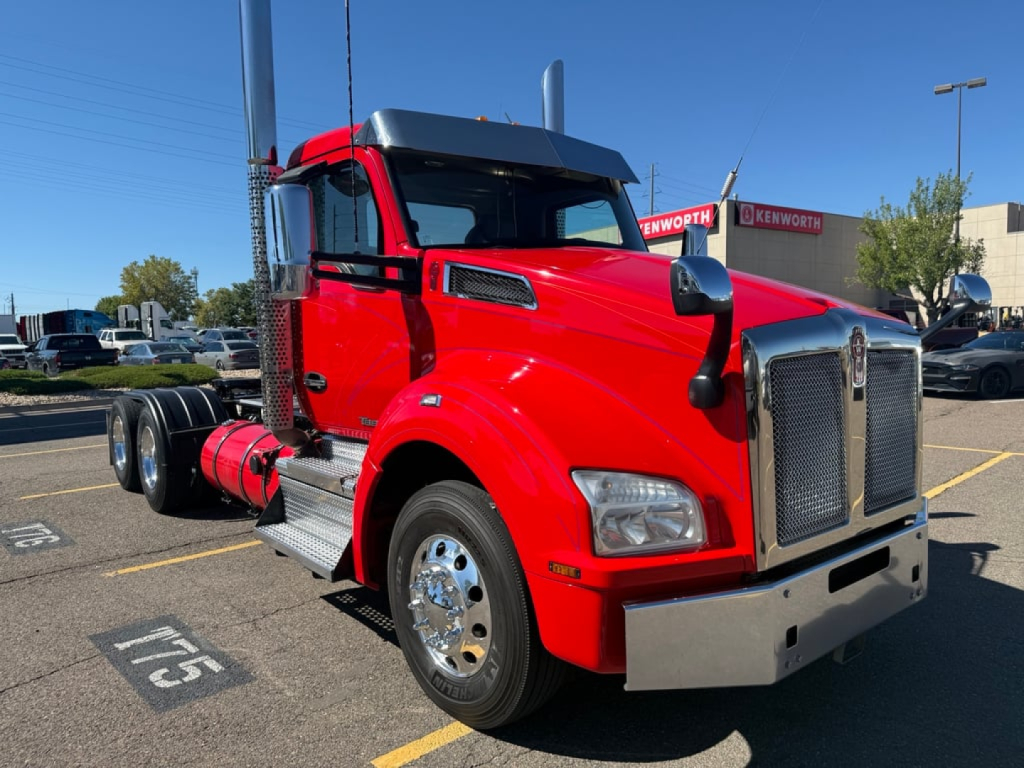
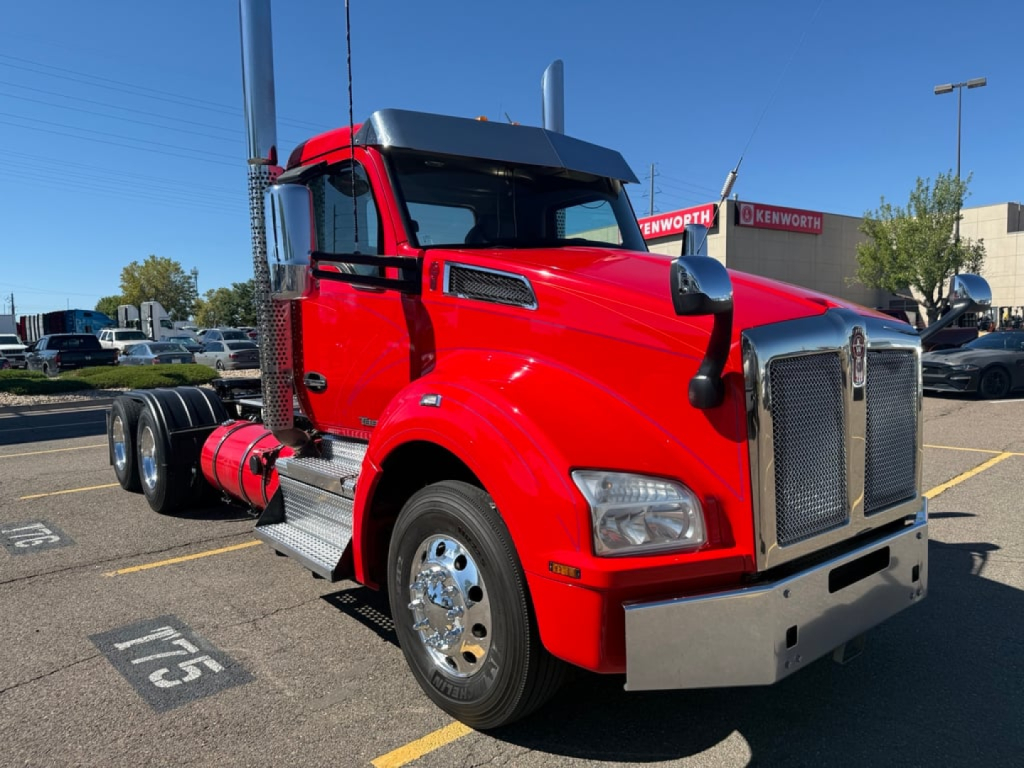
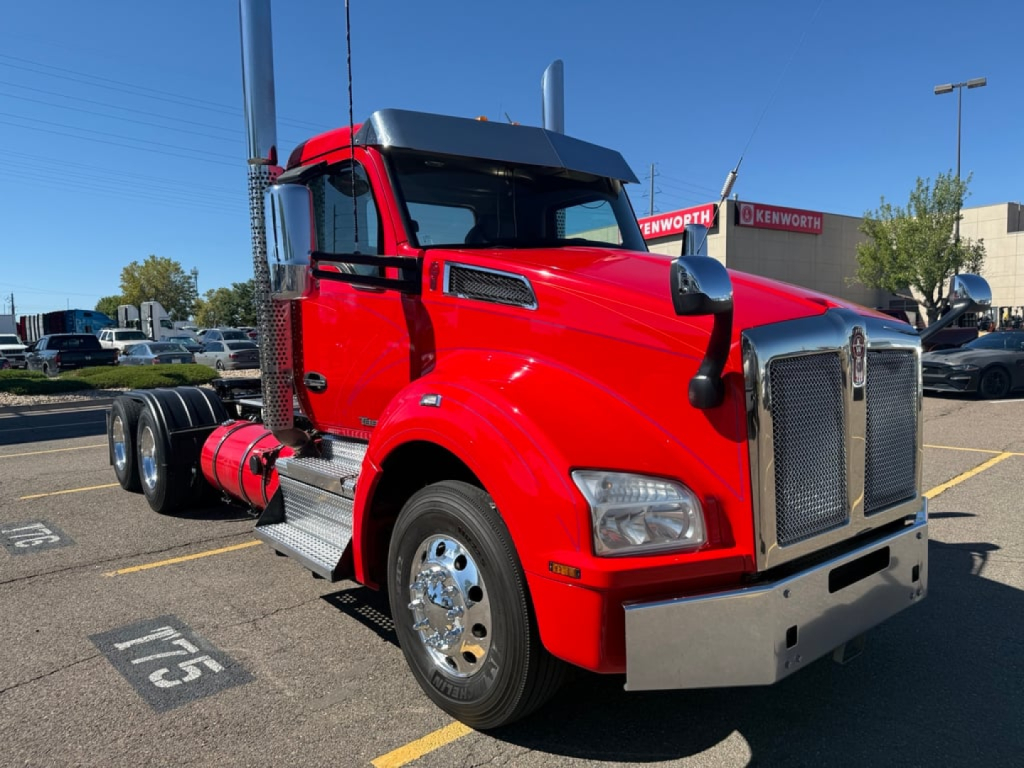
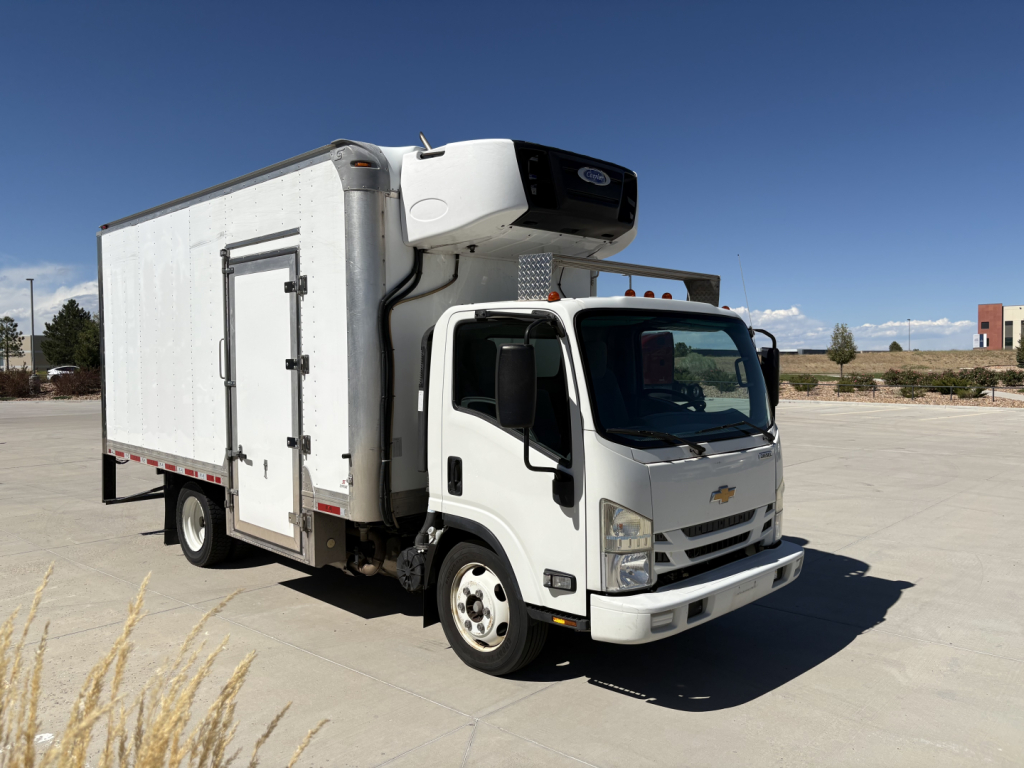
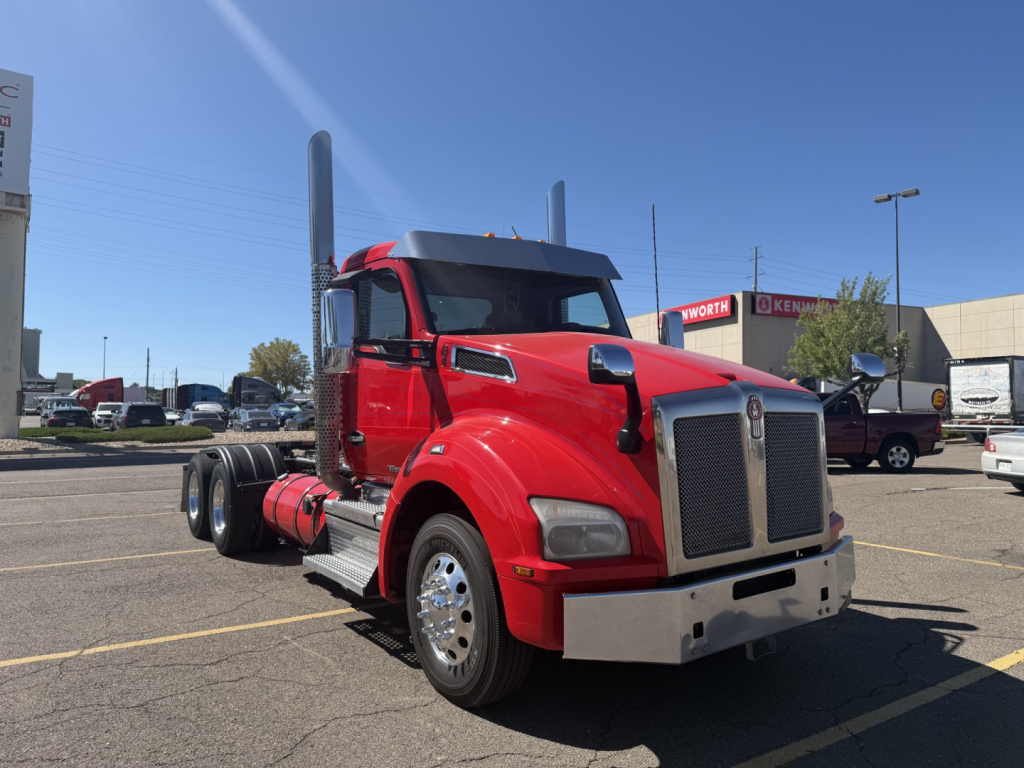

Selling a used 2020 commercial truck? List your used 2020 commercial truck for sale and reach thousands of commercial buyers.
Used 2020 Commercial Trucks in Colorado
Frequently Asked Questions about Used 2020 Commercial Trucks in Colorado
What rear axle ratio should I choose for hauling through Colorado's mountains?
Loaded gradeability should drive rear axle ratio selection for a commercial truck working Colorado mountain routes. A numerically higher ratio increases wheel torque, but transmission gearing and tire diameter determine the actual result. Compare the manufacturer's gradeability and cruise-speed calculations at your intended gross combination weight. An automated transmission's starting capability and an engine's braking performance also matter when evaluating a highway-oriented axle ratio.
Which maintenance records matter most when buying a used 2020 diesel truck?
ECM mileage, engine hours and documented aftertreatment service are the key records for evaluating a used 2020 diesel commercial truck. Compare electronic mileage with the odometer and service invoices, and examine idle hours separately from road mileage. Request DPF cleaning records, injector repairs and transmission service history. Regeneration burns soot, not accumulated ash, so successful regeneration alone does not prove the DPF needs no maintenance.
Do commercial trucks have to carry chains in Colorado?
Yes, commercial trucks over 16,000 pounds GVWR must carry chains or approved alternative traction devices on designated Colorado routes from September 1 through May 31. Carrying traction equipment and installing it are separate requirements; installation becomes mandatory when applicable restrictions are activated. Confirm current CDOT route requirements before dispatch, and verify device fit, drive-tire size and clearance before buying a truck for mountain service.
How should I test a used 2020 refrigerated truck for Colorado deliveries?
A documented pull-down and temperature-holding test is essential when inspecting a used 2020 refrigerated commercial truck for Colorado delivery work. Test against the cargo's required temperature, recording ambient conditions and refrigeration-unit hours. Inspect door seals, insulation damage, floor condition and evaporator airflow. Frequent delivery stops introduce heat that an empty-box test can miss, so match refrigeration capacity to the actual route and product.