
Used 2020 Conventional Sleeper Trucks For Sale in Colorado
Browse used 2020 conventional sleeper trucks in Colorado. Compare specs, sleeper sizes, powertrains, axle setups, and long-haul features.
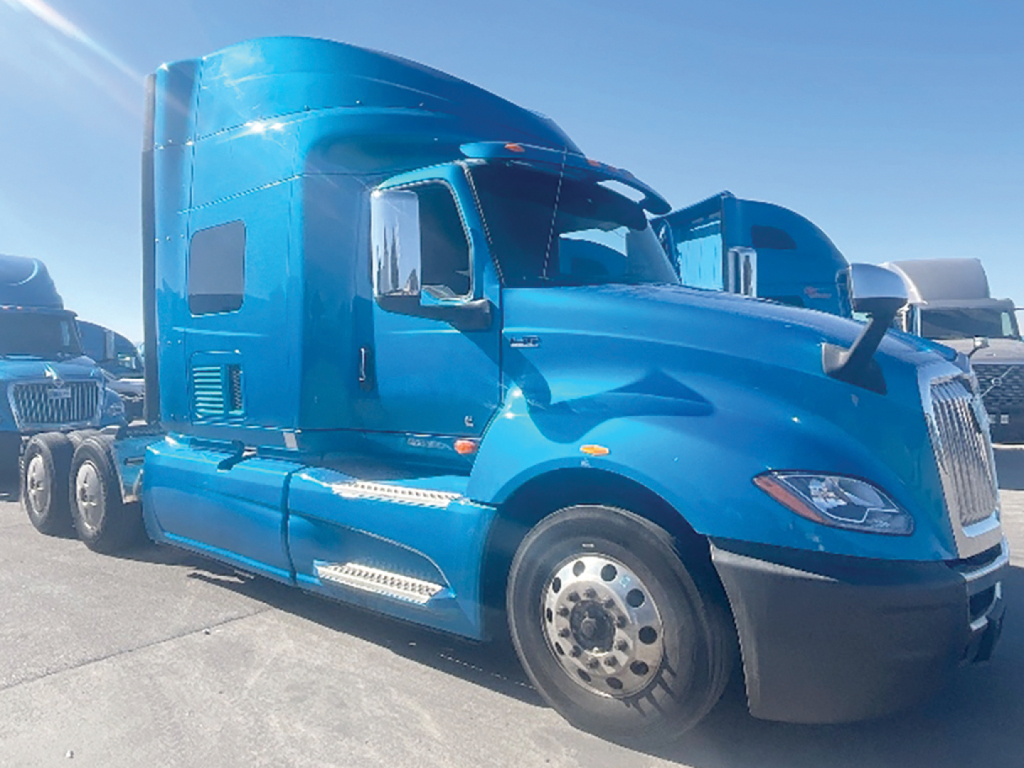
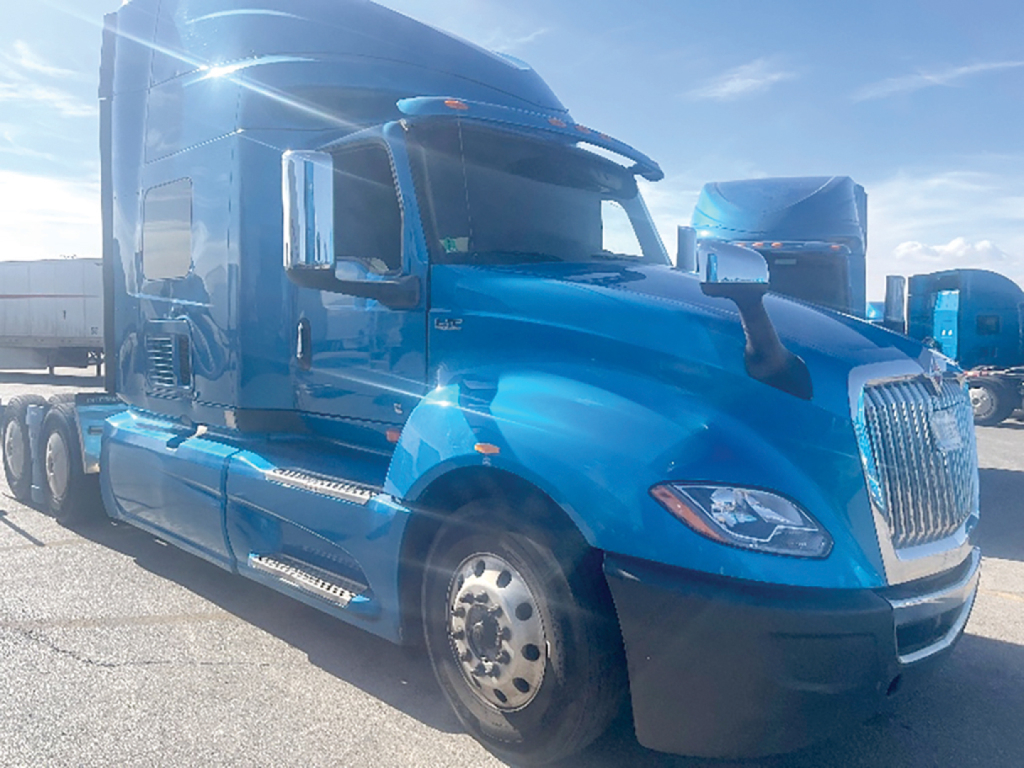
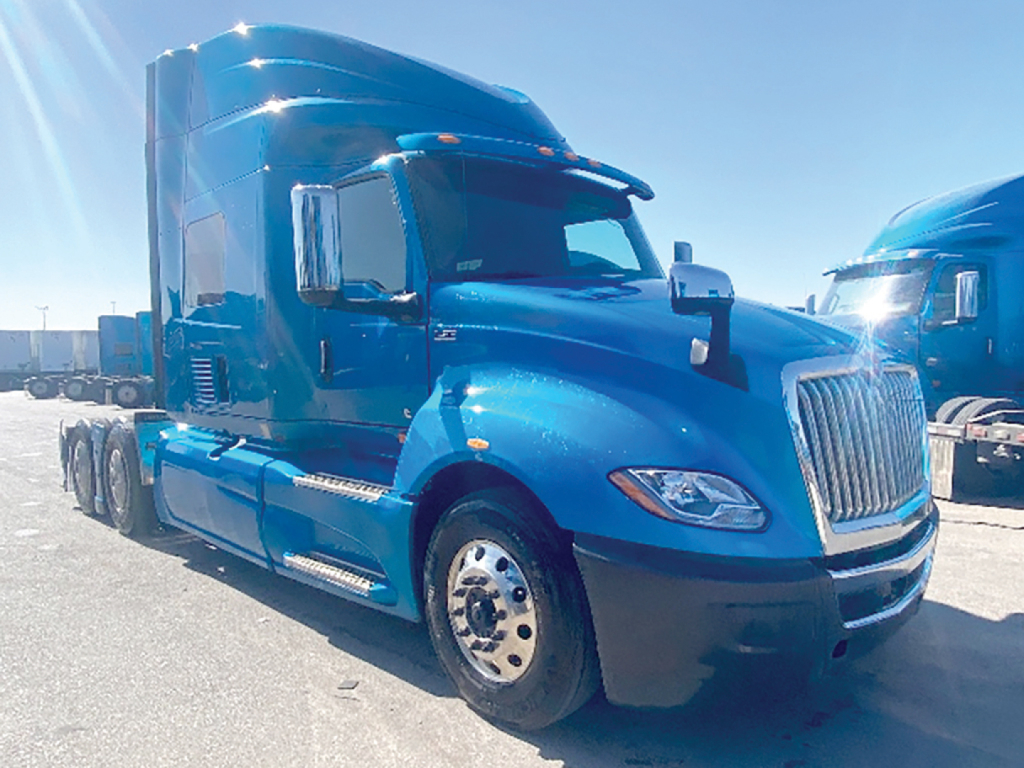
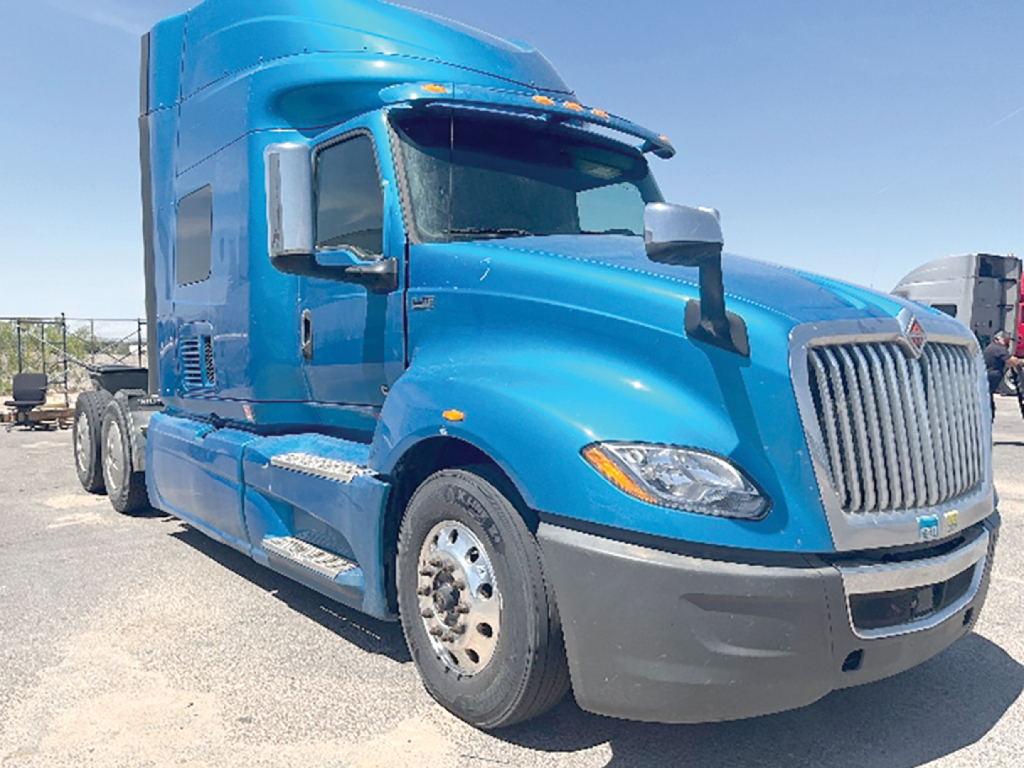
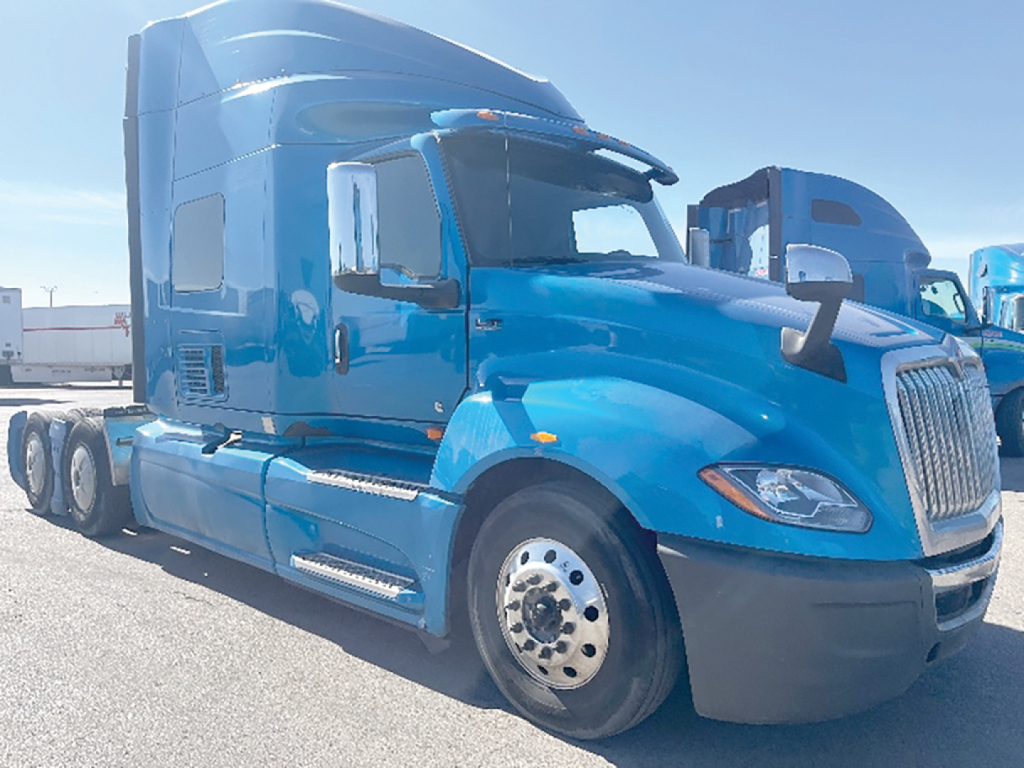

Have used 2020 conventional sleeper truck to sell? List it here to reach thousands of buyers.
Used 2020 Conventional Sleeper Trucks in Colorado
The biggest buying decisions usually start with sleeper size, engine rating, and axle configuration. Common sleepers in this segment range from about 60-inch mid-roof sleepers to 72-inch or 73-inch raised-roof sleepers with room for an upper bunk, cabinets, and more stand-up space. Typical engines include the Detroit DD13, Detroit DD15, and Cummins X15 in roughly 400 to 455 horsepower ratings, paired with automated transmissions such as the DT12 or other 12-speed automated manuals. Rear axle specs can vary from tandem drive 40,000 lb setups for general freight to fuel-focused single drive axle configurations with an air tag. Gear ratios like 2.31, 2.41, and 3.08 are common on efficiency-minded highway trucks, so it is important to match the ratio to your average gross weight, terrain, and cruising speed.
For Colorado buyers, altitude and grade matter more than they do in flatter lanes. A 400 hp engine with a tall rear ratio may work well in regional dry van or light reefer service, but mountain routes and heavier freight often justify more torque, a stronger engine brake, and a tandem axle spec. Wheelbase, fifth wheel type, and fuel capacity also deserve close attention. A 216-inch wheelbase can be easier to maneuver in tighter yards, while longer wheelbases around 229 to 230 inches may support larger sleepers and fuel tanks. Air slide or adjustable fifth wheels add flexibility if trailer lengths or kingpin settings vary across your operation.
On a used 2020 conventional sleeper, condition should be judged well beyond mileage. Review maintenance history, aftertreatment performance, transmission calibration records, brake type, tire size, suspension condition, and signs of fairing or sleeper damage. Look for features that affect uptime and driver retention such as bunk heaters, collision mitigation systems, disc brakes, cruise control, power windows, and a clean interior layout. These trucks were built for long-haul efficiency, but the right spec depends on freight, route profile, and expected downtime tolerance. A well-matched 2020 sleeper tractor can still be a very productive platform for van, reefer, dedicated contract, and regional highway work.
Frequently Asked Questions about Used 2020 Conventional Sleeper Trucks in Colorado
What is a conventional sleeper truck?
A conventional sleeper truck is a highway tractor with a hooded front engine layout and a built-in sleeper compartment behind the cab. It is designed for over-the-road freight where the driver may spend multiple nights in the truck. Compared with a day cab, a sleeper tractor adds living space, storage, and often larger fuel capacity, making it better suited for long-haul and multi-day regional runs.
What engine and transmission specs are common in used 2020 conventional sleeper trucks?
Used 2020 conventional sleeper trucks commonly feature Detroit DD13, Detroit DD15, or Cummins X15 diesel engines, usually in the 400 to 455 horsepower range. Many are paired with automated manual transmissions such as the Detroit DT12 or similar 10-speed to 12-speed automated setups. These specs are popular because they balance fuel economy, driver accessibility, and highway performance for general freight applications.
Is a 2020 conventional sleeper truck a good choice for Colorado routes?
A 2020 conventional sleeper truck can be a strong fit for Colorado, but the right spec matters. Higher elevations and mountain grades put more demand on horsepower, torque, cooling performance, and engine braking. Buyers running I-70 corridors, heavy gross weights, or frequent mountain freight should pay close attention to engine rating, rear axle ratio, and tandem versus single drive axle configuration. Trucks built strictly for flatland fuel economy may feel under-spec'd in steep terrain.
How do I choose between a 60-inch mid-roof sleeper and a 72-inch or 73-inch raised-roof sleeper?
A 60-inch mid-roof sleeper usually works well for regional operations, slip-seat programs with occasional layovers, or buyers who want a shorter wheelbase and lighter overall package. A 72-inch or 73-inch raised-roof sleeper is better for teams, longer trips, and drivers who need more stand-up room, storage, and living comfort. The tradeoff is usually more wheelbase, more weight, and sometimes a higher upfront price.
What should I inspect on a used 2020 sleeper tractor before buying?
Focus on maintenance records, emissions system history, transmission service, engine fault codes, tire wear pattern, brake condition, and suspension wear. Verify the sleeper equipment works properly, including HVAC, bunk heater, and electrical accessories. It is also smart to inspect the fairings, cab extenders, hood alignment, and fifth wheel for signs of prior damage or heavy wear. On a 2020 model, electronic safety systems and aftertreatment performance are just as important as engine mileage.