
Used Commercial Trucks For Sale in California
Used trucks for sale in California. Compare CARB-compliant sleepers, day cabs, box and dump trucks with the right specs for your routes.
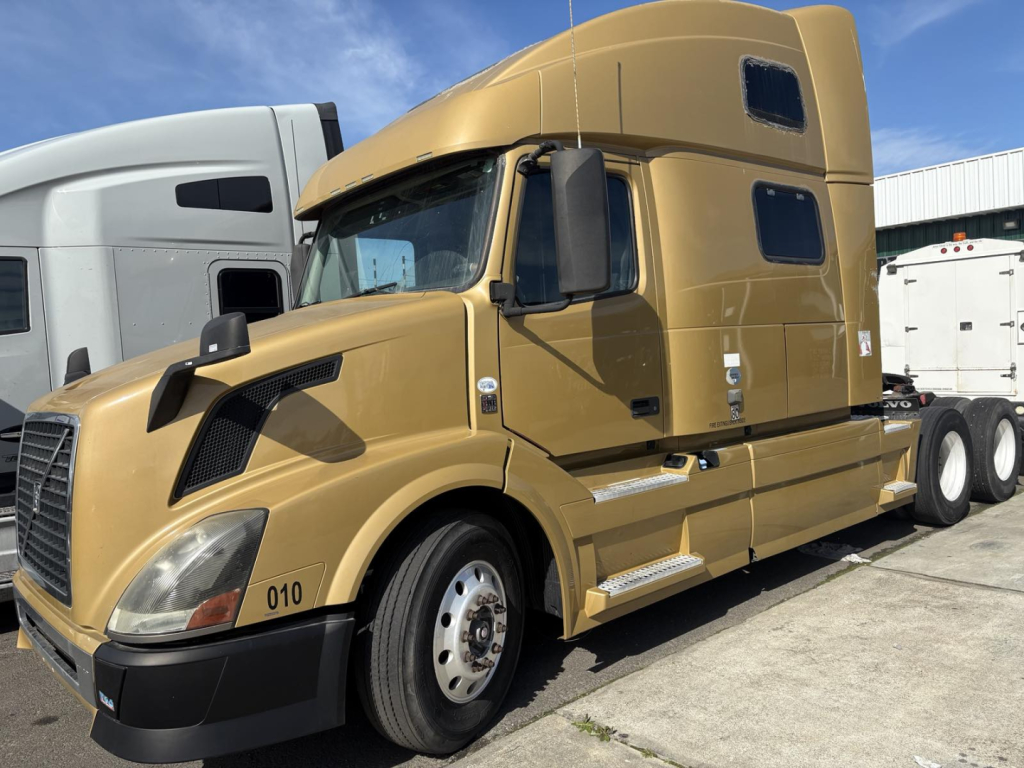
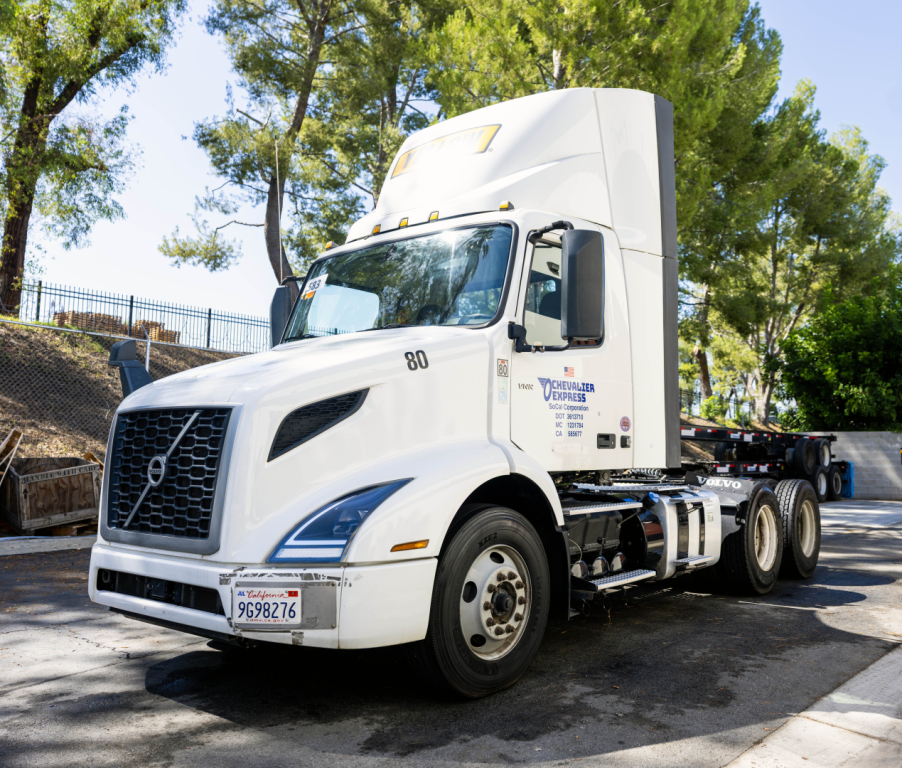
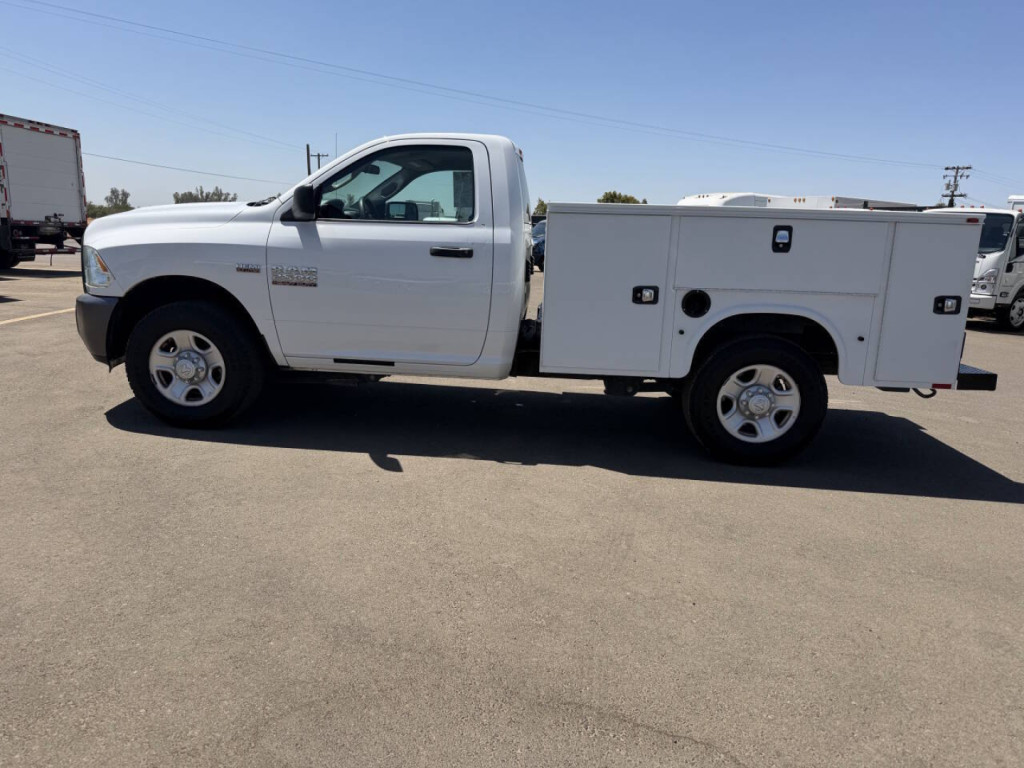
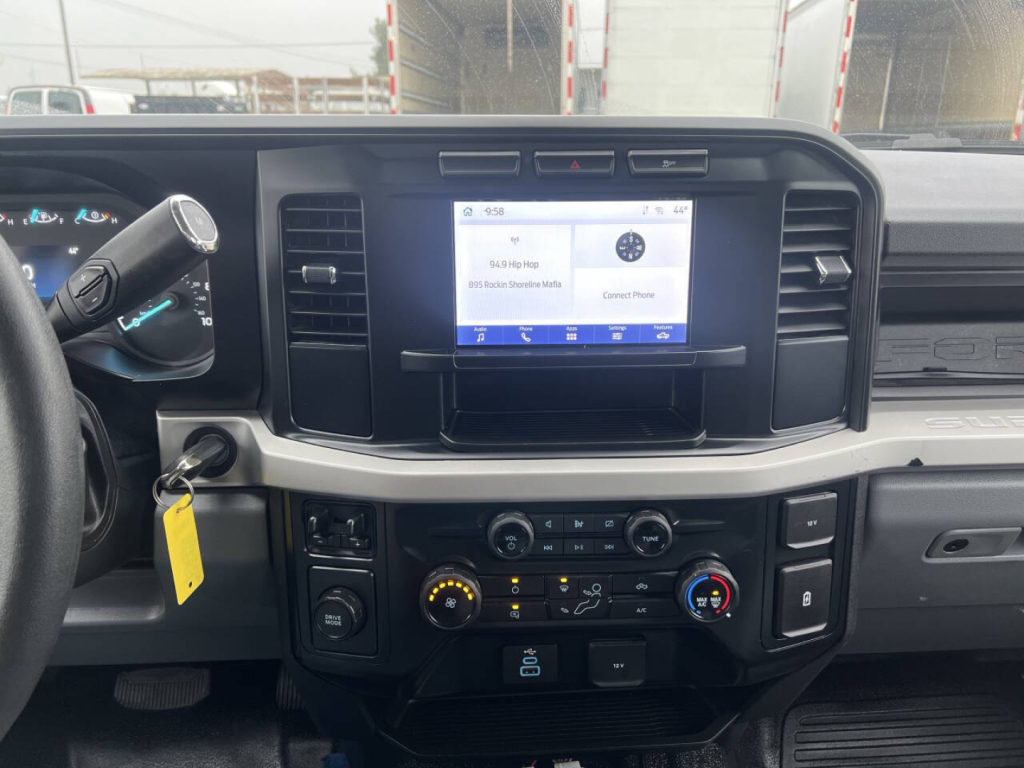
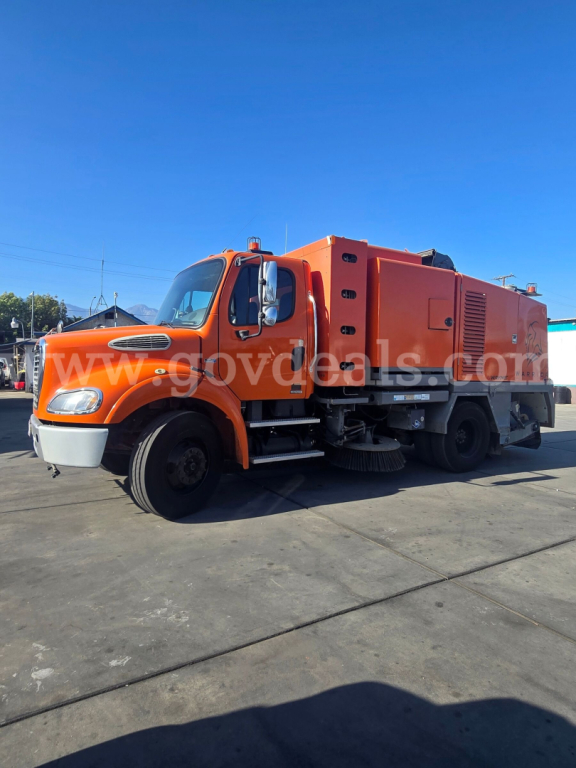
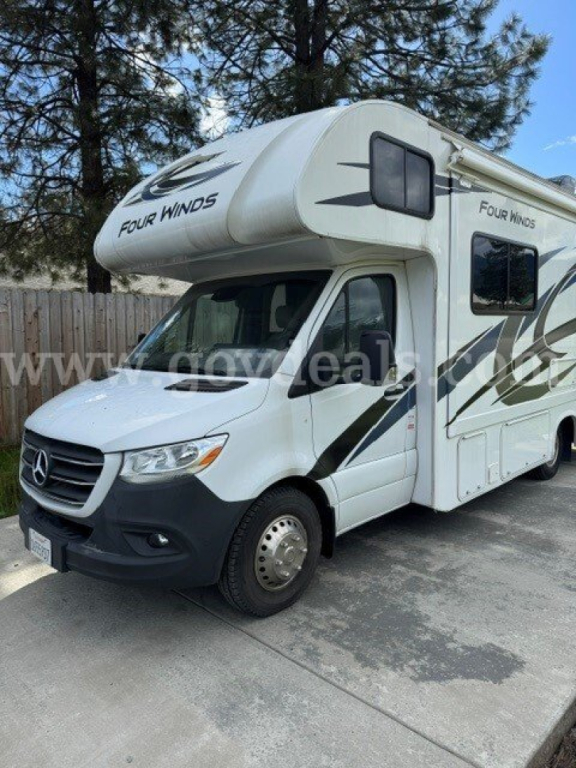
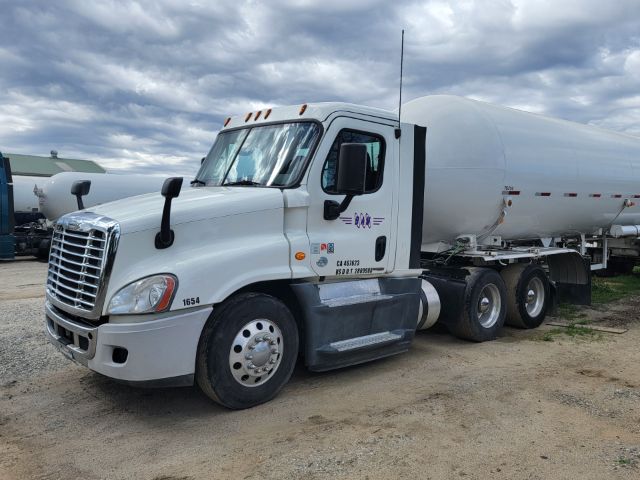
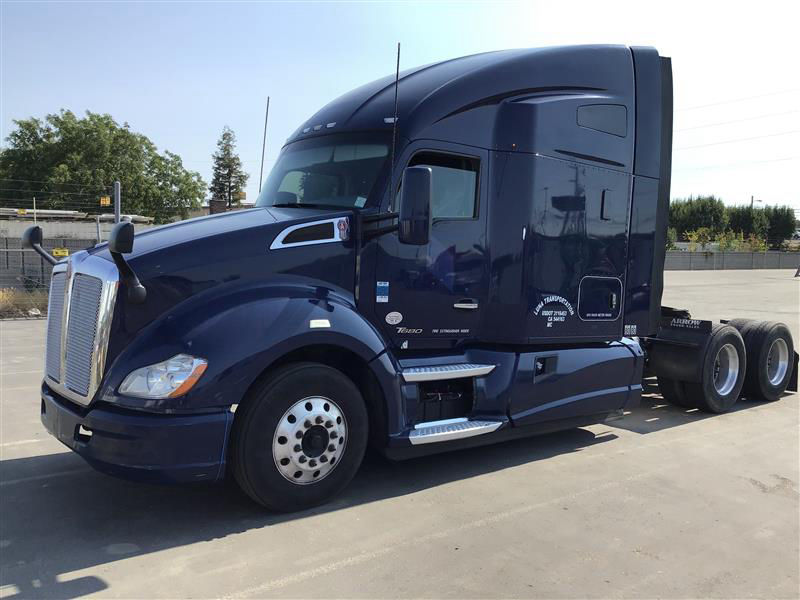
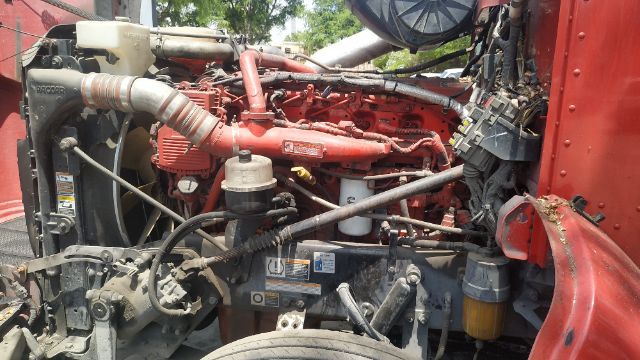
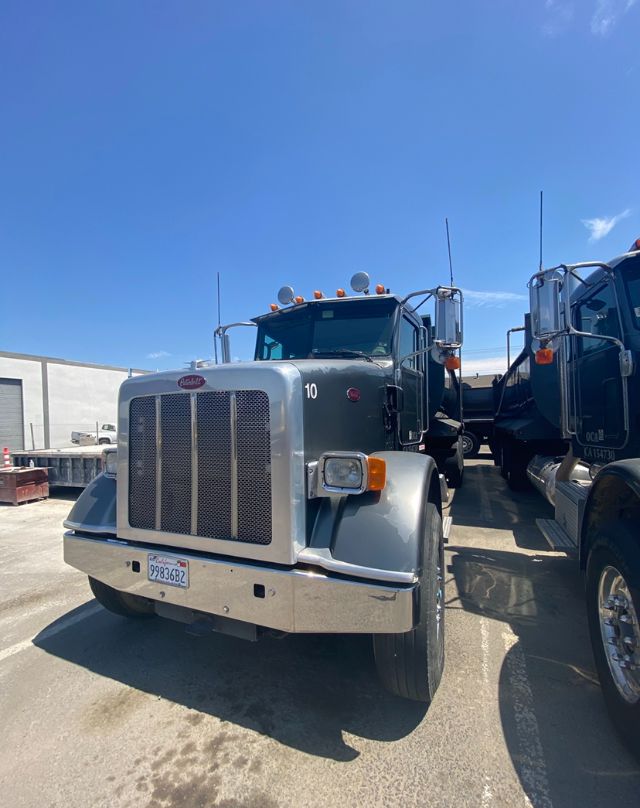

Showing 1 to 28 of 34 results
Selling a used commercial truck? List your used commercial truck for sale and reach thousands of commercial buyers.
Used Commercial Trucks in California
The used market spans sleeper and day cab tractors, box trucks, dumps, service and crane bodies. Common highway powertrains include Cummins X15, PACCAR MX-13 and Detroit DD15 with automated manuals like Eaton UltraShift and Detroit DT12, plus 10, 13 or 18 speed manuals in heavier specs. Typical tandem tractors run 12k to 13.2k steer with 38k to 40k rears, while vocational units may carry 46k rears and full-lockers. Medium duty box trucks often pair the Cummins B6.7 or Hino engines with Allison 2500 or 3000 automatics, 24 to 26 foot bodies, e-track and liftgates. Wheelbase matters in California when matching to 53 foot vans due to the 40 foot kingpin-to-rear-axle setting on the trailer and for tight urban deliveries.
Route profile drives gearing and cooling choices. Long I-5 and I-10 runs reward aerodynamic sleepers, fairings and low rolling resistance tires, often with 2.47 to 2.85 axle ratios and direct or overdrive top gears. Mountain corridors like the Grapevine and Donner favor deeper ratios such as 3.08 to 3.36, robust engine brakes and larger radiators. Stop-and-go city work benefits from Allison automatics, hydraulic retarders, disc brakes and tighter wheelbases for easier maneuvering. Dumps and transfer sets commonly use double-frame rails, steel bodies, high-capacity hoists and wet kits for end dumps or live-bottom trailers.
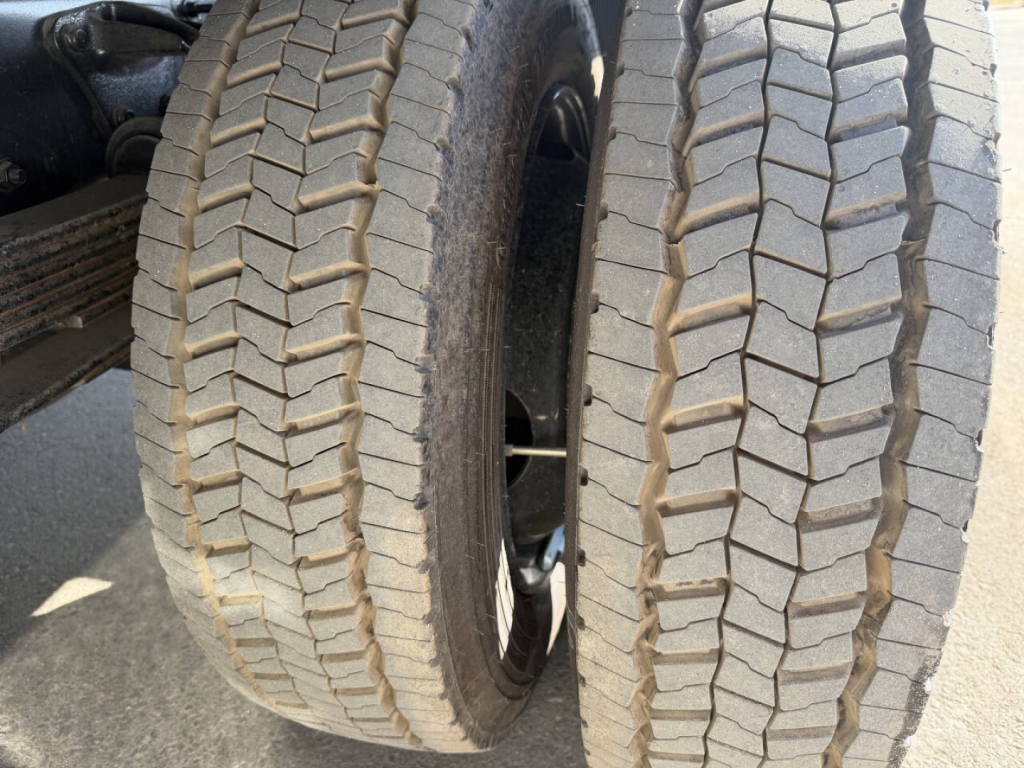
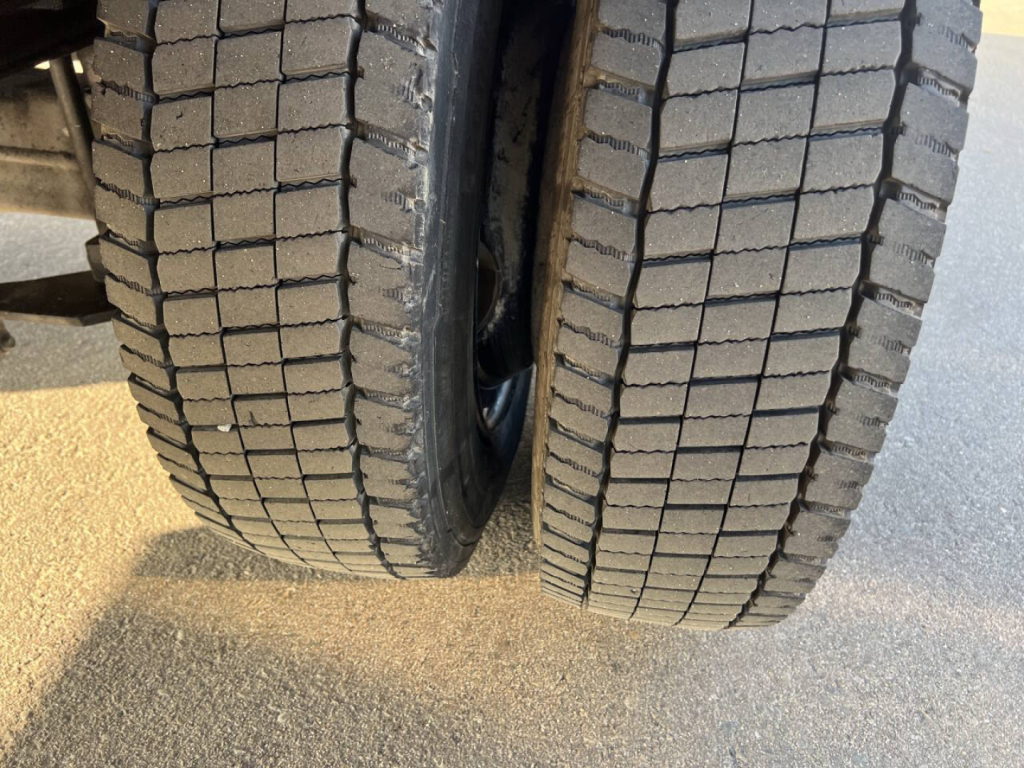
Evaluate maintenance records first. Look for documented DPF services, forced-reg counts, NOx sensor replacement, DEF pump history and any warranty or extended coverage that can transfer. Run a scan for fault codes and monitor SCR efficiency, EGTs and differential pressure. Check tire spec for SmartWay compliance, inspect brakes for heat checking from grade work and confirm wheelbase, axle ratings and fifth wheel position suit your freight and California bridge requirements. Sun exposure can fade interiors in low-rust regions, so prioritize cab condition along with chassis and suspension bushings. A clean opacity test and current compliance status reduce onboarding delays with insurers and shippers.
Frequently Asked Questions about Used Commercial Trucks in California
What makes a used truck CARB-compliant in California?
For most diesel on-road vehicles, a 2010-or-newer EPA engine family is required to operate under the Truck and Bus rule. The truck should have original or CARB-exempt aftertreatment components with no tampering, pass Clean Truck Check requirements and show no active emissions faults. Port drayage adds separate registration rules, and some fleets have additional requirements for SmartWay tires and aero on linehaul tractors.
Can I bring an out-of-state used truck into California and run it legally?
Yes, if it meets California requirements. The engine must typically be 2010 or newer for diesel, the aftertreatment must be intact and functional, and the vehicle must pass the Clean Truck Check program as it phases in. You will need to register the vehicle in California and ensure no outstanding emissions-related holds. Noncompliant engines face restrictions regardless of where the truck was previously titled.
What axle ratio works best for California routes with grades and urban traffic?
For long interstate hauls with lighter terrain, ratios around 2.47 to 2.85 paired with the correct direct or overdrive transmission maximize fuel economy. For mixed routes with grades like the Grapevine or Donner, many fleets prefer 3.08 to 3.36 for stronger launch and hill performance. Urban deliveries with frequent stops favor shorter ratios and automatic transmissions for drivability. Match ratio to tire size, transmission top gear and cruise speed.
How do I verify the health of a diesel aftertreatment system on a used truck?
Pull a full ECM and aftertreatment scan. Review active and inactive codes, SCR efficiency, DPF differential pressure, forced-reg frequency, NOx sensor performance and DEF quality warnings. Inspect for evidence of tampering, check the condition of wiring and dosing hardware, and look for maintenance records covering DPF cleaning, DOC replacements and DEF pump or injector repairs. A clean opacity test and no derate history are positive signs.
What specs are important for Los Angeles and Long Beach port drayage?
A 2010-or-newer engine is generally required, along with current port registry compliance. Short wheelbase day cabs improve maneuverability in terminals, while durable cooling, reliable aftertreatment and automated manuals or Allisons help in stop-and-go queues. Many dray fleets use 22.5 tires with drum or disc brakes, collision mitigation for insurance requirements and gearing that balances low-speed pull with highway efficiency for short regional turns.