
Used Peterbilt Trucks For Sale in California
Shop used Peterbilt trucks in California, including highway, vocational, and medium-duty models with popular specs, engines, and configurations.

Selling a used peterbilt truck? List your used peterbilt truck for sale and reach thousands of commercial buyers.
Used Peterbilt Trucks in California
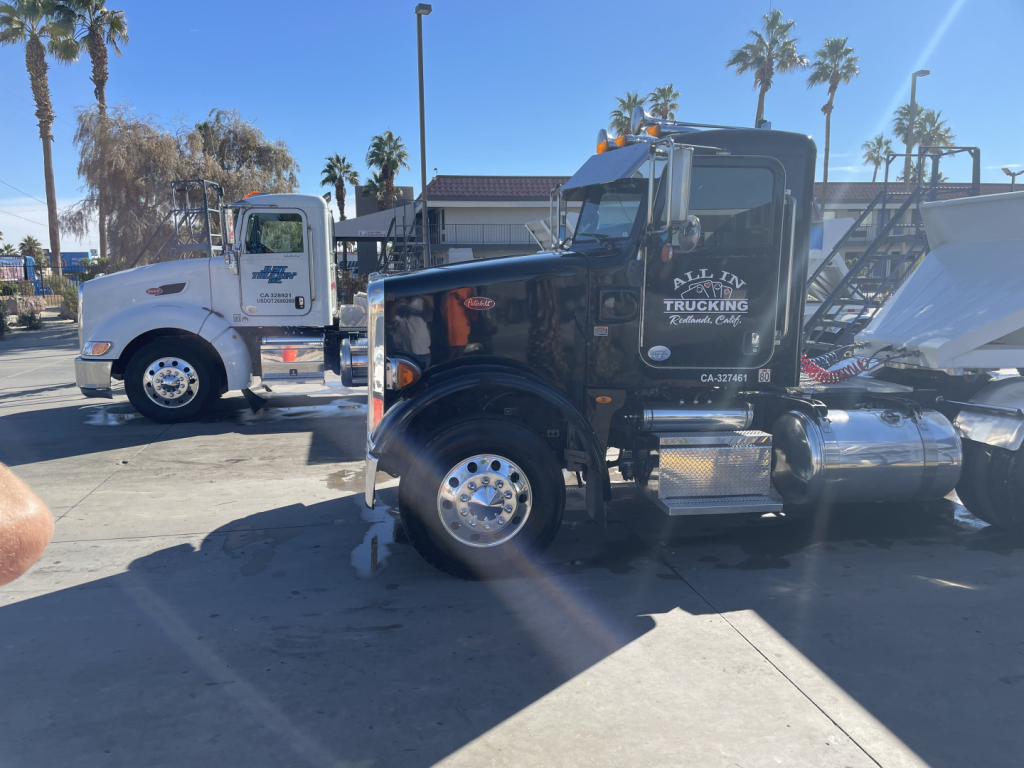
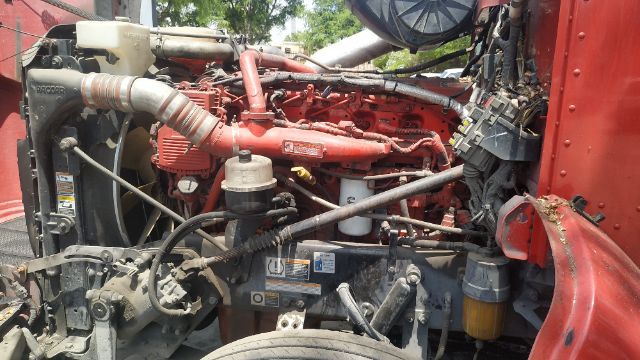
For highway use, the Peterbilt 579 is one of the most common used models on the market. It is also known as a conventional tractor and is commonly found as a day cab or sleeper, including larger sleeper setups like the UltraLoft. Key specs to compare include engine family, horsepower, rear axle ratio, fifth wheel type, sleeper size, and brake package. Cummins X15 and PACCAR MX-13 engines are common in later-model units, while transmission choice often comes down to automated manuals versus traditional 10-speed specifications in older fleets. California buyers should pay close attention to emissions equipment condition, especially on newer diesel trucks with DPF and SCR systems, because idle time, stop-and-go operation, and maintenance history can have a major effect on aftertreatment reliability.
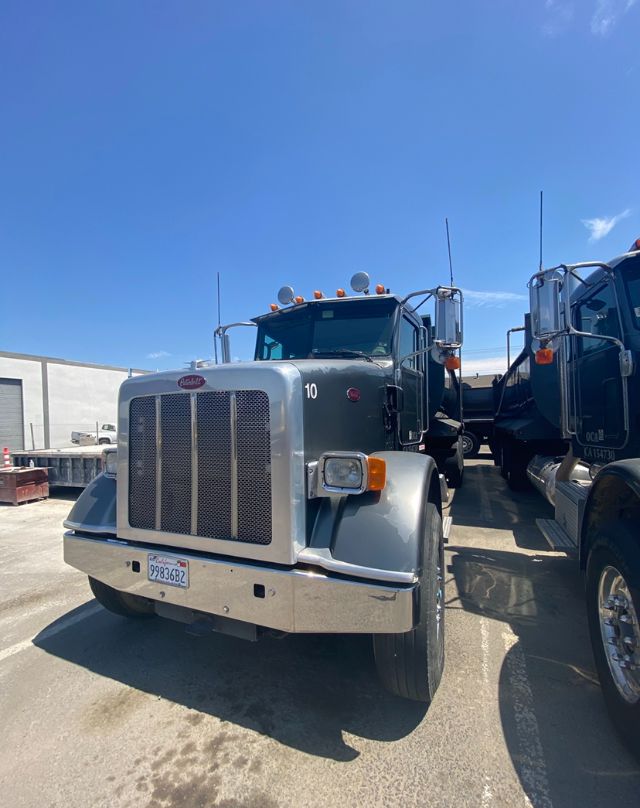
Vocational Peterbilt trucks bring a different set of priorities. Models like the 365 are built for heavier work such as dump applications, often with double frames, lift axles, steel bodies, and higher gross axle capacities. In this class, frame condition, hoist performance, PTO operation, suspension wear, and evidence of off-road or aggregate-service use matter more than cab trim. Medium-duty models like the Peterbilt 337 are often configured as rollback tow trucks, box trucks, or municipal units, and buyers should focus on GVWR, body manufacturer, hydraulic system condition, winch ratings, and service body integration. A good used vocational Peterbilt should be evaluated from the chassis out, not just by cab appearance or mileage.
California operating conditions add another layer to the buying process. Trucks running ports, valley routes, mountain grades, or urban delivery cycles can have very different wear patterns even at similar miles. Look closely at cooling system health, brake type, tire wear across all axle positions, and suspension condition, especially on trucks that have seen heavy payloads or rough jobsite access. Peterbilt’s aluminum cab construction, parts support, and broad spec flexibility make the brand attractive in the used market, but the best value comes from matching the truck’s original build to your lane, payload, and compliance requirements rather than buying on model name alone.
Frequently Asked Questions about Used Peterbilt Trucks in California
What are the most common used Peterbilt truck models in California?
The most common used Peterbilt trucks in California usually include the 579 for highway tractor work, the 365 for vocational applications such as dump service, and the 337 for medium-duty work such as rollback, delivery, or municipal use. Each model serves a different duty cycle, so buyers should compare listings based on application first, then review engine, transmission, axle, and body specifications.
What should I check first on a used Peterbilt 579?
Start with the powertrain and emissions history. Review engine model, horsepower, transmission type, rear axle ratio, and maintenance records for the DPF, SCR, and related aftertreatment components. On a highway tractor, it is also important to inspect the fifth wheel, suspension, brakes, tire wear, and sleeper equipment if equipped. A clean interior matters less than documented service and a spec that matches the freight lane.
Are Peterbilt vocational trucks different from Peterbilt highway tractors?
Yes. Peterbilt vocational trucks are typically built with heavier frames, application-specific suspensions, PTO provisions, lift axles, and bodies such as dump boxes or towing equipment. Highway tractors are generally optimized for fuel economy, ride quality, and linehaul gearing. A buyer looking at a used Peterbilt dump truck or rollback should focus more on frame integrity, hydraulic systems, and body condition than on the cab features that matter in over-the-road service.
Why does California matter when buying a used Peterbilt truck?
California matters because emissions compliance, operating environment, and duty cycle can strongly affect truck condition and long-term cost. Trucks used in port drayage, urban delivery, agriculture, or mountain routes often show different wear in the brakes, cooling system, suspension, and emissions equipment. Buyers should verify that the truck’s emissions system is complete and maintained properly, especially on newer diesel models.
Is mileage the most important factor on a used Peterbilt truck?
No. Mileage is important, but it does not tell the full story. A lower-mile vocational truck may have experienced severe load cycles, idle hours, and off-road wear, while a higher-mile highway tractor may have a better maintenance record and a more predictable duty cycle. Engine hours, service records, axle and suspension condition, emissions repairs, and overall spec are often better indicators of value than odometer reading alone.