
Used Peterbilt Dump Trucks For Sale in California

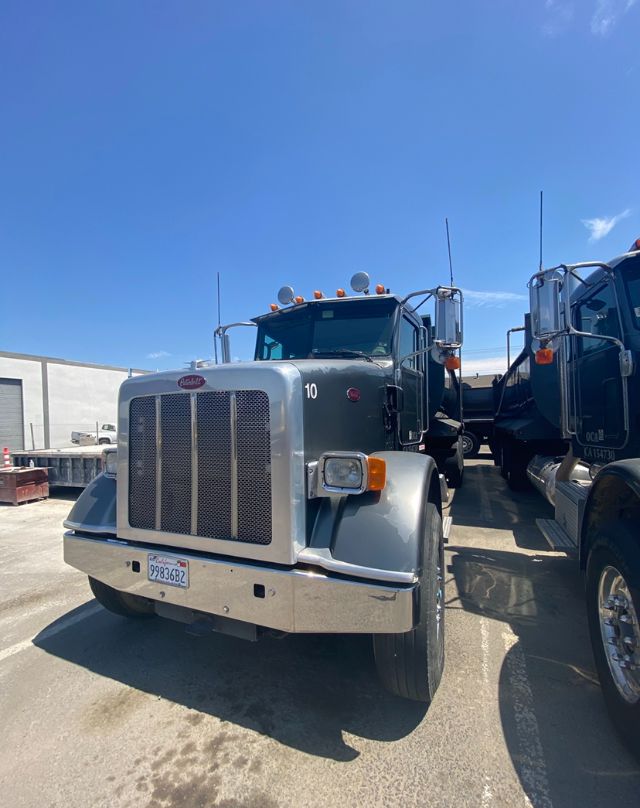
Have used peterbilt dump truck to sell? List it here to reach thousands of buyers.
Used Peterbilt Dump Trucks in California
A serious evaluation should focus on the full working package, not just the cab and engine badge. Check whether the truck is a standard dump, dump body with pup capability, or a more specialized configuration built around demolition or asphalt work. Body length, side height, floor thickness, hoist type, and tailgate design all affect how the truck performs on the job. In California, weight laws and bridge formula considerations also matter, so steer axle capacity, lift axles, pusher or tag setup, wheelbase, and suspension ratings should be reviewed closely. Many used Peterbilt dump trucks are spec'd with diesel engines from Caterpillar, Cummins, or PACCAR depending on year and original order, paired with manual, automated, or Allison automatic transmissions depending on the intended application.
Cab configuration and chassis condition matter more in dump service than many first-time buyers expect. A vocational truck sees frame stress, PTO use, hydraulic cycling, rough access roads, and repeated loading impacts. Inspect frame rails for repairs or cracks, look at crossmember condition, and pay attention to spring packs, torque rods, bushings, hoist mounts, and body hinge points. It is also smart to review the hydraulic system for pump performance, cylinder leaks, valve operation, and PTO engagement. Interior condition is useful, but brake wear, driveline play, differential condition, steering components, and evidence of overload history usually tell you more about remaining service life than the seat or paint.
Peterbilt dump trucks tend to appeal to buyers who want a vocational chassis with strong parts support and a premium cab reputation. For California operations, emissions compliance should be part of the buying process, especially when comparing older trucks that may be limited by local or state fleet rules. A well-matched used Peterbilt dump truck can be a productive asset for construction, site work, road building, and debris removal, but the best value comes from matching the truck's axle ratings, body design, engine, and transmission to the exact material, route distance, and jobsite conditions it will handle every day.
Frequently Asked Questions about Used Peterbilt Dump Trucks in California
What should I look at first when buying a used Peterbilt dump truck?
Start with the truck's axle configuration, GVWR, body type, and intended application. A truck hauling aggregate on-road may need a different setup than one used for demolition or off-road site work. After that, inspect frame condition, suspension, hoist system, PTO operation, hydraulic components, and any signs of chronic overloading. Service records, engine history, and California emissions status should also be reviewed early in the process.
Which Peterbilt models are common in dump truck applications?
The Peterbilt 365 is one of the more recognizable vocational models in dump service, especially in construction and municipal applications. Depending on year and spec, buyers may also see other vocationally configured Peterbilt chassis built for dump bodies, transfer work, or severe-duty use. The key is less about model name alone and more about how the chassis was ordered, including axle ratings, suspension, wheelbase, and body integration.
Are used Peterbilt dump trucks good for California jobsite work?
They can be a strong fit for California work when the truck is spec'd correctly for the route and material. Tight urban jobs may favor shorter wheelbases and maneuverable axle setups, while quarry, paving, or regional haul work may call for higher-capacity suspensions and body configurations. California buyers should pay special attention to emissions compliance, registered weight, and local operating requirements before purchase.
What engine and transmission setups are common in used Peterbilt dump trucks?
Used Peterbilt dump trucks are often found with Caterpillar, Cummins, or PACCAR diesel engines depending on model year and original build. Transmission choices vary by application, with manual gearboxes still common in older vocational specs, Allison automatics popular for stop-and-go work, and some automated manuals appearing in later trucks. The best combination depends on terrain, driver preference, payload, and how often the truck operates on pavement versus rough jobsite surfaces.
How do I know if a used dump body is still serviceable?
Inspect the floor, side panels, tailgate, hinge points, hoist mounts, and subframe for cracking, distortion, or patch repairs. Material type matters because rock, demolition debris, asphalt, and sand all wear a body differently. Also check tarp operation, cylinder condition, hydraulic lines, and whether the body raises smoothly under load. A sound chassis paired with a worn-out body can still require a significant repair budget, so both need to be evaluated together.