
Peterbilt Dump Trucks For Sale
Shop Peterbilt dump trucks built for construction, paving, municipal, and aggregate hauling with rugged specs, strong vocational configurations, and durable bodies.
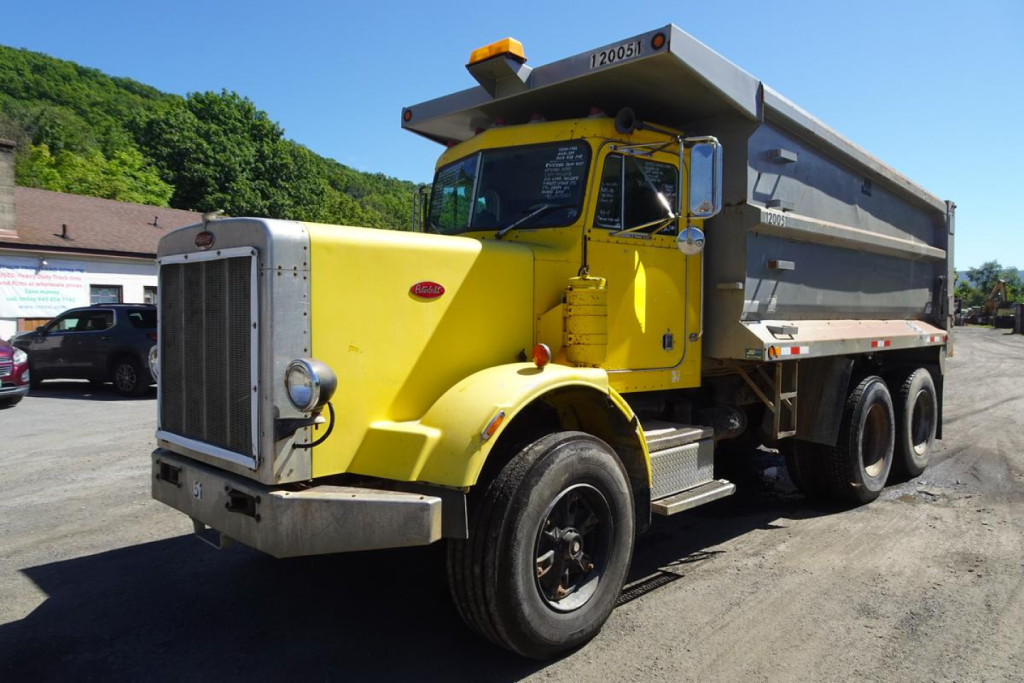
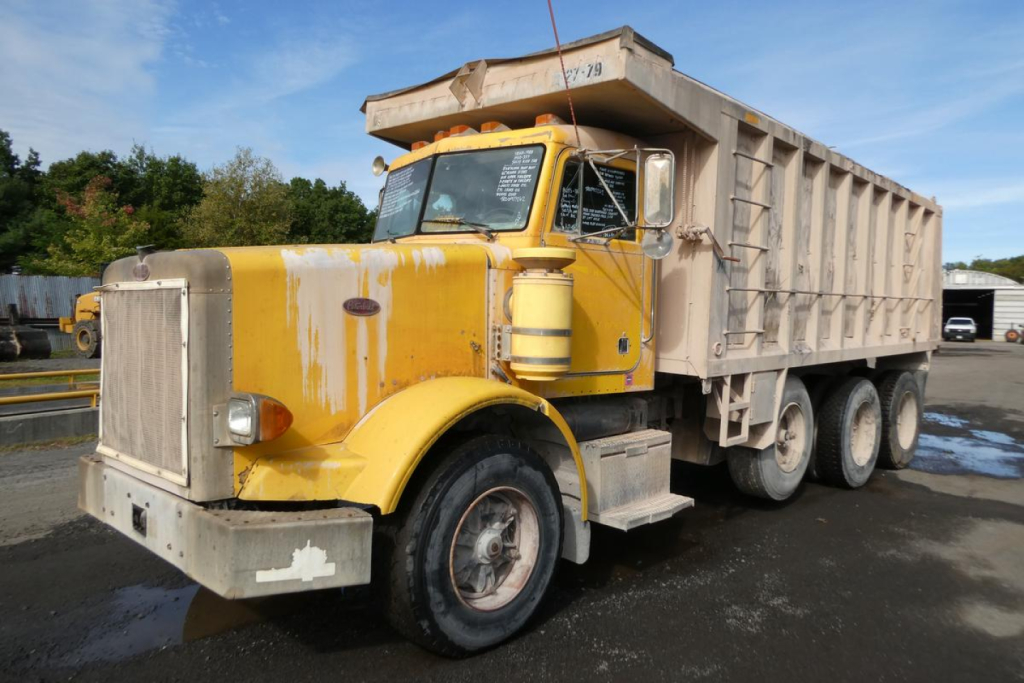
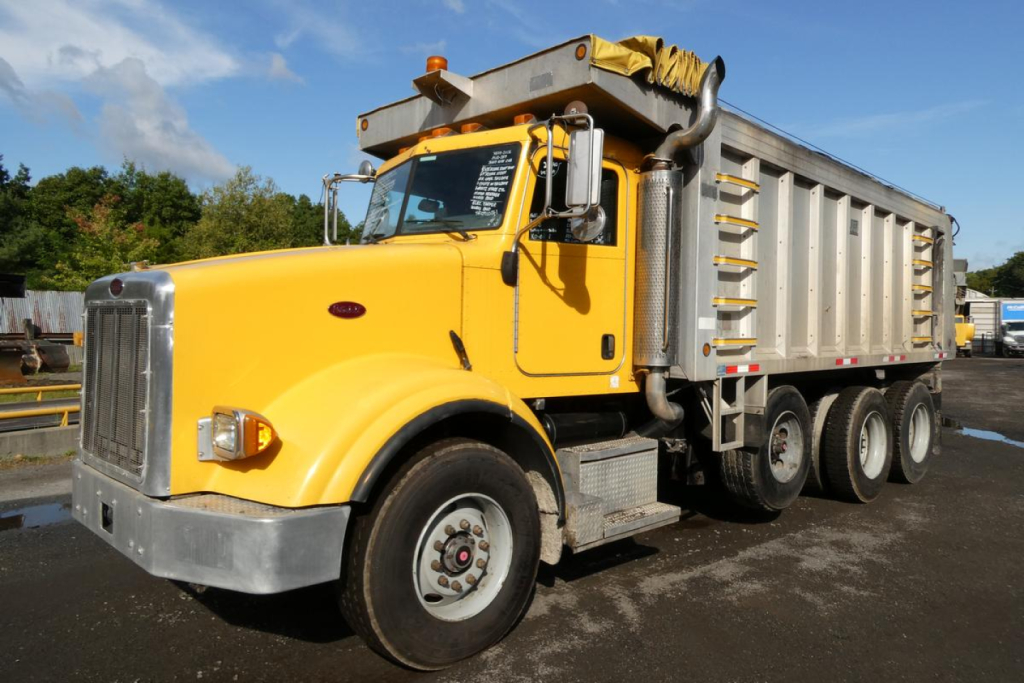
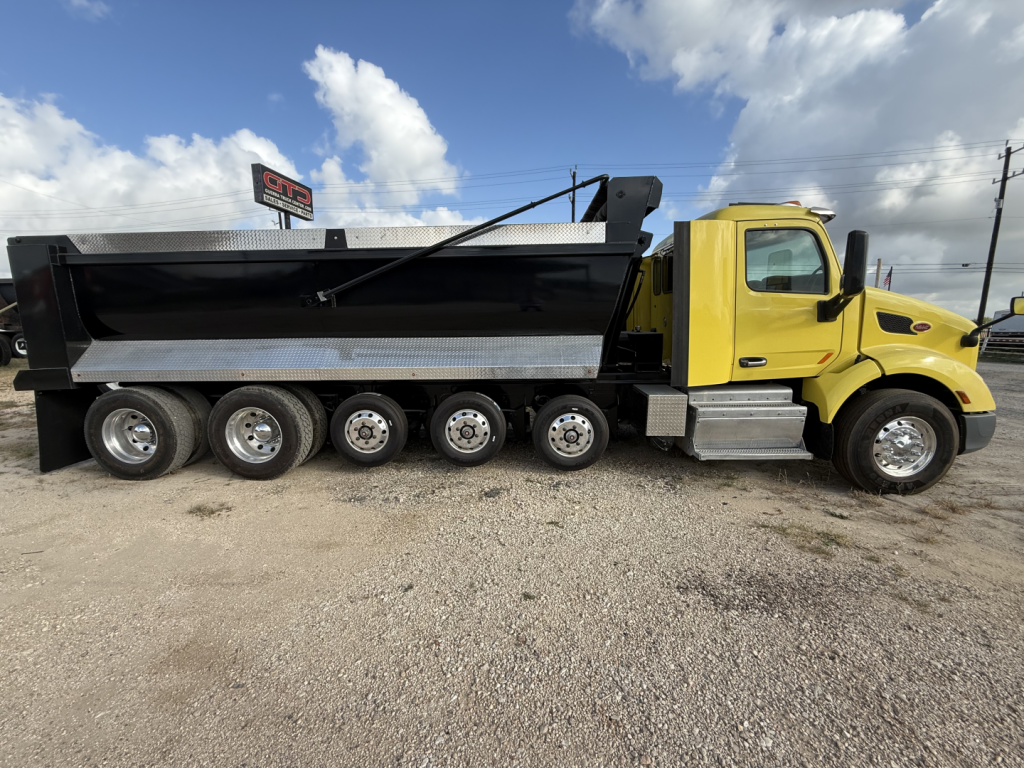

Selling a peterbilt dump truck? List your peterbilt dump truck for sale and reach thousands of commercial buyers.
Peterbilt Dump Trucks
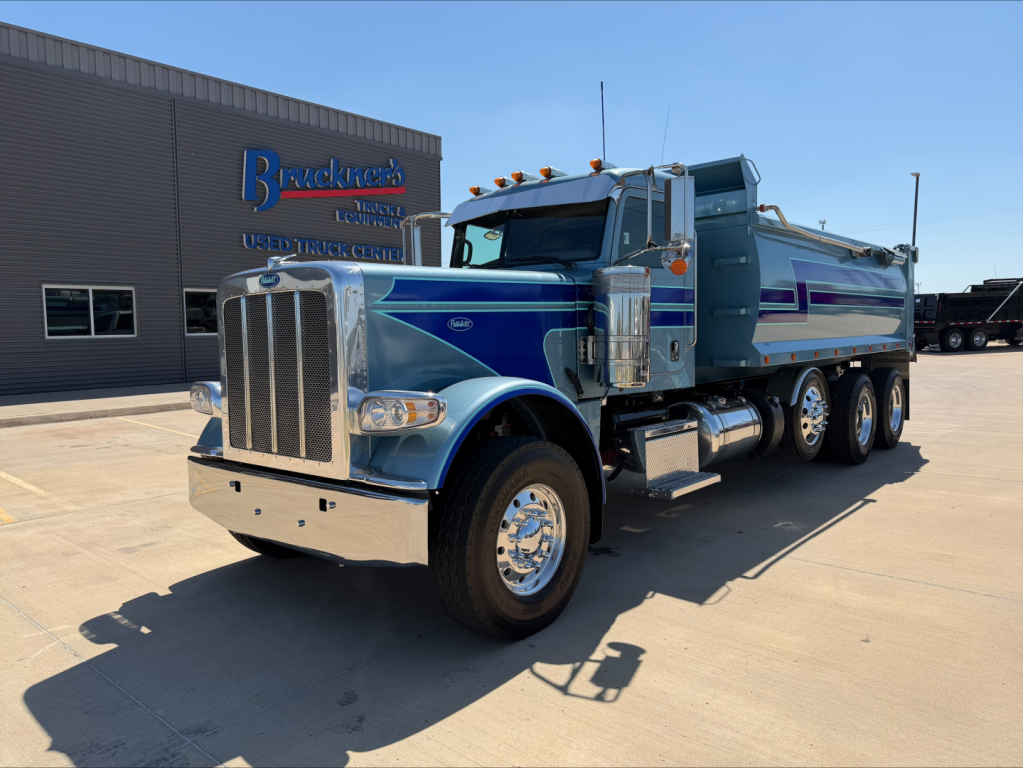
The spec decisions that matter most start with axle package, body size, and drivetrain. Tandem axle trucks are common for general site work and material delivery, while tri-axle and quad-axle configurations are better suited for higher legal payloads in states that allow them. Buyers should compare front axle ratings, lift axle type, suspension brand, and whether the truck has a double frame or reinforcement for severe-duty use. Body capacity often ranges from smaller municipal and patch trucks up to 20-yard class construction bodies, and steel bodies remain the standard for rock, demolition debris, and abrasive material. If the truck will spend time spreading stone, backing into pavers, or working uneven jobsites, suspension choice, wheelbase, and tailgate style deserve close attention.
Engines in Peterbilt dump trucks commonly include Cummins and, on older units, Caterpillar power, paired with Allison automatics or manual transmissions depending on the application. Automatic transmissions are especially common in municipal, plow, and stop-and-go fleet service because they reduce driver fatigue and simplify operation for multiple operators. Higher-horsepower specs such as Cummins X15 packages are often chosen for triaxle and heavy payload work, while medium-displacement engines fit lighter dump and snow-plow applications. Buyers should also look at rear axle ratios, engine brake spec, PTO setup, and hydraulic condition, since dump performance depends as much on the hoist and wet kit as it does on horsepower.
A used Peterbilt dump truck should be evaluated as a chassis-and-body package, not just by miles. Frame condition, hoist wear, hinge points, floor thickness, crossmember corrosion, and signs of body twisting matter as much as engine history. On municipal and snow-plow units, check front frame extensions, plow gear mounts, hydraulic controls, and rust around spreader or wing attachment points. Service records are especially valuable on fleet and government trucks, where preventive maintenance may be documented even if cosmetic wear is present. For buyers comparing listings, the right Peterbilt dump truck is usually the one with the correct axle rating, body spec, and vocational history for the job, not simply the newest model year.
Frequently Asked Questions about Peterbilt Dump Trucks
What Peterbilt models are most common as dump trucks?
The Peterbilt 348, 365, and 567 are among the most common dump truck platforms in this category. The 348 is often seen in municipal and lighter vocational roles, including snow-plow and public works service. The 365 and 567 are more likely to appear in heavier construction and aggregate applications, where higher axle ratings, larger bodies, and severe-duty frame specifications are important.
Is an automatic or manual transmission better in a Peterbilt dump truck?
It depends on the job cycle and driver pool. Allison automatic transmissions are very common in dump trucks used for municipal work, plowing, paving support, and stop-and-go hauling because they are easy to operate and reduce driver fatigue. Manual transmissions can still make sense in certain construction fleets where drivers prefer more control over gearing and the spec is built around a particular load profile, but automatics dominate many modern vocational applications.
What should I look for when buying a used Peterbilt dump truck?
Start with the vocational spec before focusing on age or miles. Confirm axle configuration, front and rear axle ratings, suspension, wheelbase, body material, body capacity, and PTO or hoist setup. Then inspect the frame rails, double frame if equipped, dump body floor, tailgate, hinges, hoist pins, hydraulic lines, and signs of corrosion or hard off-road use. On trucks that carried plows or wing equipment, inspect the front structure and mounting points closely because those components add stress to the chassis.
Are steel or aluminum dump bodies better on a Peterbilt?
Steel dump bodies are the usual choice for severe-duty work such as rock, asphalt millings, demolition debris, and mixed construction material because they handle abrasion and impact better. Aluminum bodies save weight and can improve payload in the right application, but they are generally better suited to less abusive material. The right choice depends on what the truck hauls every day, local weight laws, and how much body life matters compared with tare weight.
Why are tri-axle and quad-axle Peterbilt dump trucks popular?
Tri-axle and quad-axle dump trucks are popular because they can be configured for higher legal payloads than a standard tandem in many states. A lift axle or additional axle can improve weight distribution and make the truck more productive on aggregate, asphalt, and excavation routes. Buyers need to match the axle setup to local bridge laws, jobsite maneuverability, and maintenance expectations, because added capacity also brings more tires, brakes, and suspension components to service.