
2020 Peterbilt Dump Trucks For Sale

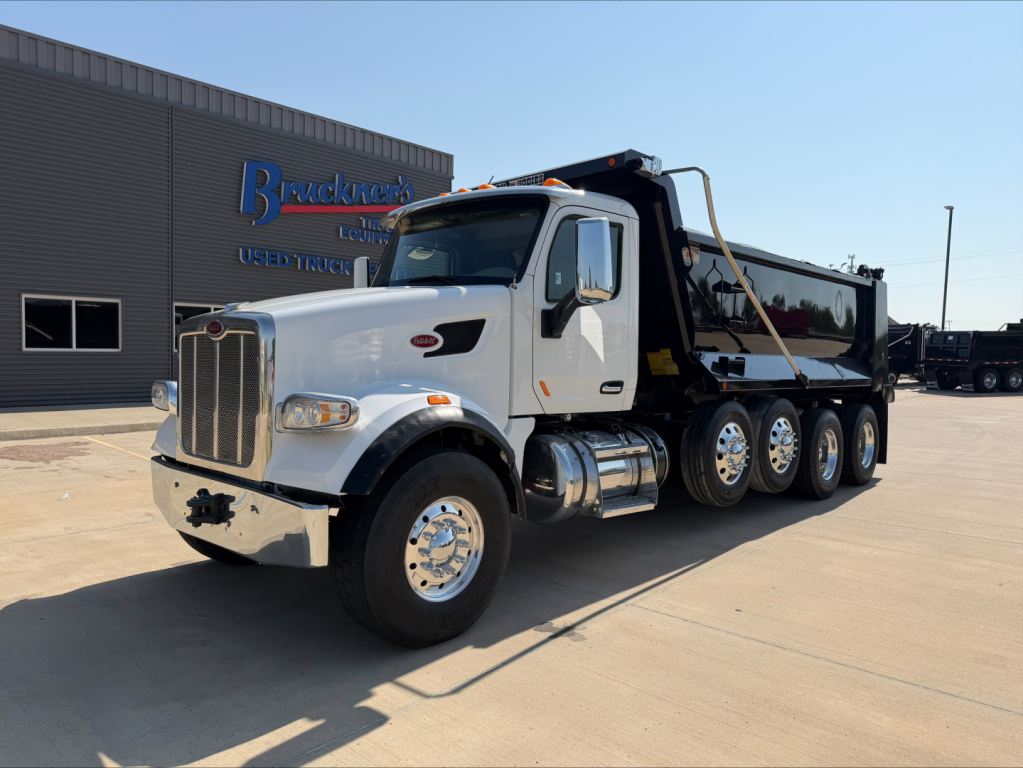
Have 2020 peterbilt dump truck to sell? List it here to reach thousands of buyers.
2020 Peterbilt Dump Trucks
For 2020 models, common spec points include tandem-axle 6x4 layouts, double-frame or reinforced frame options, and vocational suspensions designed to handle repeated load shifts. Buyers should look closely at GVWR, front axle capacity, rear axle rating, and wheelbase because those numbers determine body size, legal payload, and turning radius. Engine choices in this class often include higher-torque diesel ratings paired with manual, automated manual, or Allison automatic transmissions, depending on whether the truck was ordered for construction, municipal snow and ice work, or mixed on-road hauling. PTO provision, wet kit plumbing, hoist type, differential locks, and gearing are more important than cosmetic features on a dump truck. A 15-foot steel body, high-lift gate, pintle hitch, roll tarp, and severe-service tires are all signs of a truck set up for real material handling rather than light fleet duty.
Peterbilt dump trucks from this period are known for a strong vocational platform, good driver visibility, and broad body-builder support. That matters because dump trucks are rarely standard from bumper to taillights. The body manufacturer, hoist, liner, gate configuration, and hydraulic components can change how the truck performs in the field. Steel bodies are common for rock, concrete, and demolition debris, while lighter configurations may be used for sand, mulch, or municipal hauling. If the truck will pull a pup trailer or equipment trailer, check for a pintle setup, rear frame extension, brake connections, and proper gearing. If it will spend time in quarries or unimproved sites, inspect suspension wear, crossmember condition, hoist mounts, and evidence of frame stress around the body saddle and rear hinges.
A smart comparison between 2020 Peterbilt dump trucks goes beyond miles and engine hours. Look at body condition, floor thickness, side height, tailgate design, tarp system, brake type, tire size, and whether the truck has full locking rears or a lift axle. Cab configuration also affects value. Day cabs are typical, but interior condition still matters because dump trucks spend long hours cycling through traffic and jobsites. Service history is especially important on a vocational truck because idle time, PTO time, and off-road use can age components differently than highway miles suggest. Buyers who match the truck's axle ratings, hydraulic system, and body spec to the material being hauled usually get better productivity and lower maintenance costs over the life of the truck.
Frequently Asked Questions about 2020 Peterbilt Dump Trucks
What should I look for first when buying a 2020 Peterbilt dump truck?
Start with the truck's axle ratings, wheelbase, body length, and hydraulic setup. Those four items determine legal payload, maneuverability, and whether the truck is actually suited to the work. After that, inspect the frame, hoist, tailgate, body floor, suspension, and PTO operation. A dump truck can look clean and still be wrong for heavy aggregate, paving support, or demolition if the spec is too light.
What engine and transmission setups are common in a 2020 Peterbilt dump truck?
Typical 2020 Peterbilt dump truck specs include high-torque diesel engines paired with manual, automated manual, or Allison automatic transmissions. Automatic and automatic-style setups are common in stop-and-go vocational work because they reduce driver fatigue and help with consistent shifting under load. The right transmission depends on terrain, driver preference, PTO requirements, and how often the truck leaves the pavement.
Is a steel dump body better than an aluminum body on a Peterbilt dump truck?
For most heavy construction and demolition work, a steel body is the more common choice because it handles rock, broken concrete, and abrasive materials better. Aluminum can reduce empty weight and improve payload in lighter-duty applications, but it is generally less desirable for severe impact loading. The better choice depends on the material being hauled, local weight laws, and how rough the loading environment is.
How important is PTO and hoist condition on a used dump truck?
PTO and hoist condition are critical because they directly affect uptime and safety. A weak pump, leaking cylinder, slow hoist cycle, or damaged hydraulic plumbing can turn a working truck into an immediate repair project. Buyers should verify smooth engagement, full lift under load if possible, clean hydraulic oil, and solid mounting points around the hoist and body hinges.
Can a 2020 Peterbilt dump truck be used for more than construction hauling?
Yes. Many are configured for municipal service, snow and ice operations, asphalt support, landscape material delivery, or trailer towing with a pintle hitch. The key is the original vocational spec. Features like a plow setup, central hydraulics, lift axle, high-lift gate, or trailer connections can make one truck much more versatile than another with the same cab and engine.