
2012 Peterbilt Dump Trucks For Sale
Shop 2012 Peterbilt dump trucks. Compare 348 and similar models with body specs, axle setups, engines, PTO hydraulics, and municipal options.
No exact matches found for your search
Showing 2012 Dump Trucks instead.
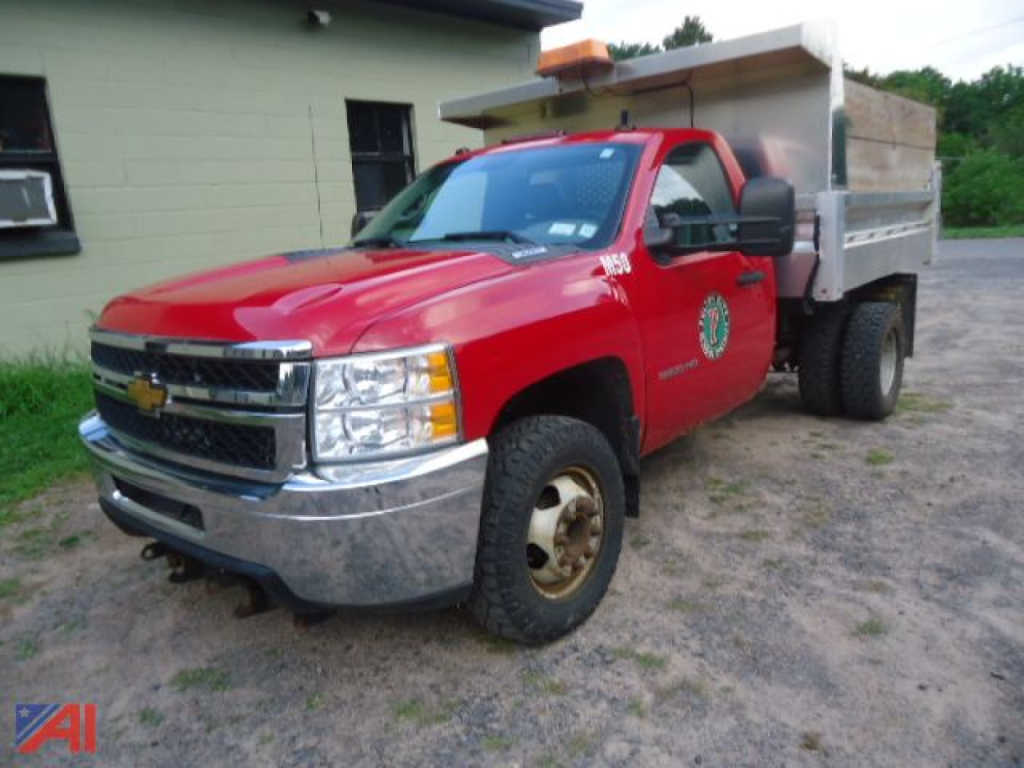
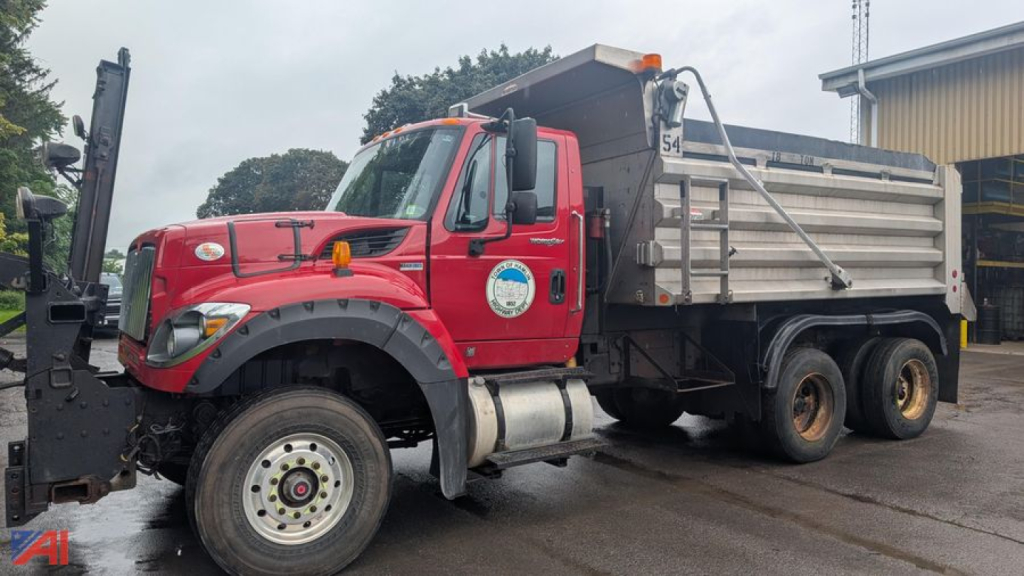

Have 2012 peterbilt dump truck to sell? List it here to reach thousands of buyers.
2012 Peterbilt Dump Trucks
The most important spec on a used dump truck is how the chassis, drivetrain, and body were matched. On 2012 Peterbilt dump trucks, common items to verify include engine make and horsepower, transmission type, rear axle rating, suspension, PTO setup, wheelbase, and whether the truck has a double frame or reinforcement for severe-duty use. Many buyers in this segment prefer Allison automatic transmissions for stop-and-go work, snow plow service, and municipal duty, while manual and automated manual transmissions may appeal where payload control and highway travel matter more. Body length, side height, hoist type, high-lift gate configuration, liner condition, tarp system, and pintle hitch setup all affect real-world usefulness more than odometer reading alone.
A 2012 Peterbilt dump can also show up with multi-season equipment, especially in government and municipal service. Snow plows, salt spreader controls, central hydraulics, and front frame attachments are common on northern trucks. That can add value if the truck fits your operation, but it also means buyers should inspect corrosion points closely, including the frame, crossmembers, cab mounts, electrical connections, hydraulic lines, and underbody components. On construction-spec trucks, pay attention to suspension type, lockable rear differentials, brake condition, steer axle capacity, and tire size. If the truck will run on mixed pavement and jobsite terrain, a balanced spec with adequate axle capacity and the right body material can matter more than maximum advertised horsepower.
Peterbilt dump trucks from this era are often favored for their vocational chassis strength, familiar controls, and broad parts and service support. A good 2012 unit should be evaluated by maintenance history, body condition, PTO and hoist performance, and evidence of frame or suspension fatigue from overloaded service. Buyers comparing listings should look past paint and focus on the working spec: legal payload, bridge formula fit, body dimensions, hydraulic performance, and how the truck was actually used. A properly spec'd 2012 Peterbilt dump truck can still be a productive fleet or owner-operator asset for hauling stone, dirt, millings, debris, or municipal materials.
Frequently Asked Questions about 2012 Peterbilt Dump Trucks
What are the most important specs to compare on a 2012 Peterbilt dump truck?
Start with axle configuration, GVWR, body length, body material, engine, transmission, rear axle ratio, suspension, and PTO hydraulics. Those specs determine payload, maneuverability, jobsite performance, and operating cost. Buyers should also confirm hoist condition, gate style, wheelbase, tire size, and whether the truck has severe-duty features such as a double frame, lockable differentials, or front plow provisions.
Is a 2012 Peterbilt 348 a good fit for dump truck work?
The Peterbilt 348 is one of the more common vocational platforms in this year range and is widely used for dump, municipal, and snow-removal applications. It is generally valued for a stout chassis, good visibility, and flexible vocational spec options. The right fit depends on how the truck was built, because a 348 configured for local material hauling can be very different from one equipped for plow duty, demolition, or towing support.
Should I choose an automatic or manual transmission in a used Peterbilt dump truck?
That depends on duty cycle. Allison automatic transmissions are popular in dump trucks used for stop-and-go routes, municipal work, and plowing because they are easy to operate and reduce driver fatigue. Manual or automated manual transmissions may be preferred when buyers want more direct control, different gearing options, or a truck that spends more time traveling between jobs. The better choice is the one that matches terrain, driver pool, and expected payload.
What should I inspect on a used 2012 Peterbilt dump body and hydraulic system?
Inspect the floor, sides, crossmembers, tailgate hinges, tarp hardware, hoist mounts, and any liner for cracking, excessive wear, or impact damage. Cycle the body fully and check for smooth hoist operation, hydraulic leaks, unusual noises, and proper gate function. Also look at the PTO engagement, pump response, cylinder condition, control valve operation, and the truck frame around hoist and body mounting points.
Are municipal or snow-plow-equipped 2012 Peterbilt dump trucks worth considering?
They can be, especially if your operation needs year-round versatility. A truck with plow gear, spreader controls, and central hydraulics can save upfit cost and downtime. The tradeoff is that municipal service often includes winter exposure, so corrosion inspection becomes critical. Buyers should check frame rails, wiring, hydraulic plumbing, front frame horns, and attachment points carefully before deciding on value.