
Used Peterbilt Dump Trucks For Sale
Shop used Peterbilt dump trucks for hauling, paving, site work, and municipal service. Compare 348, 365, and 567 specs and body setups.
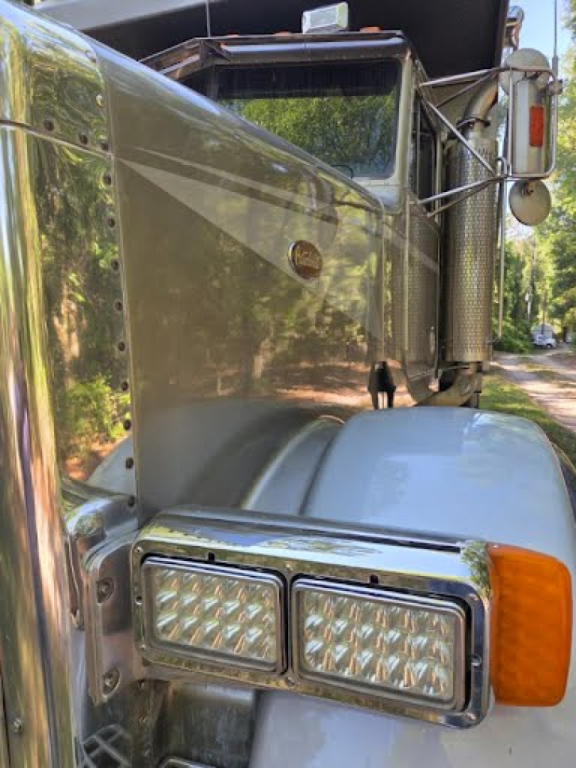
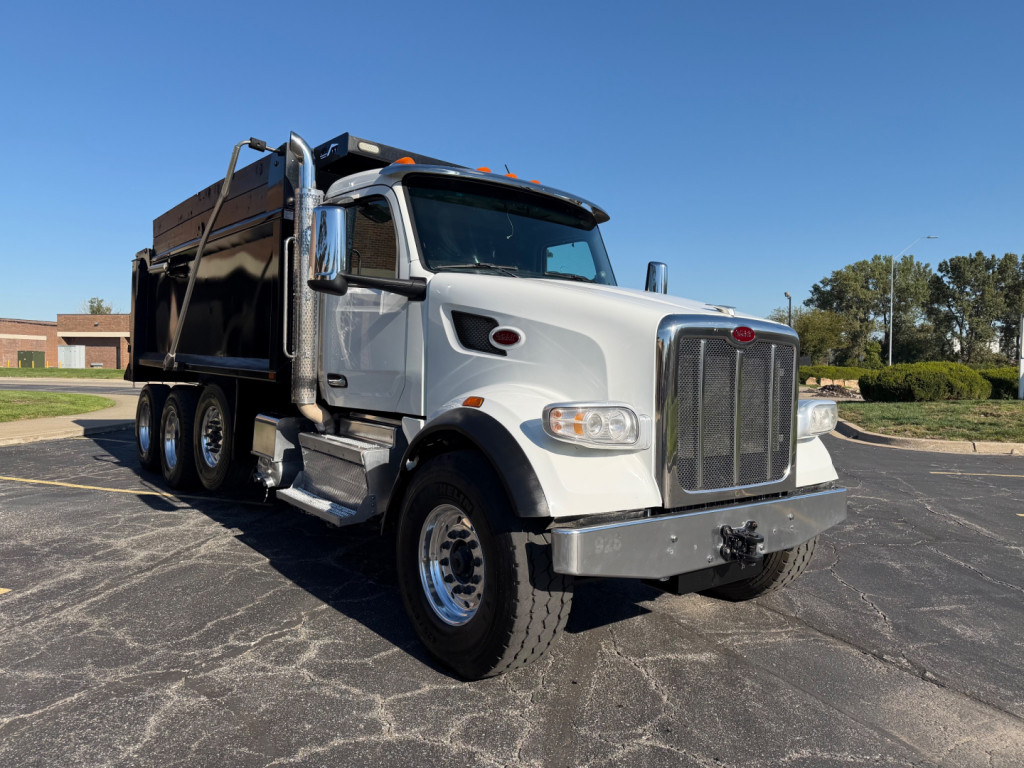
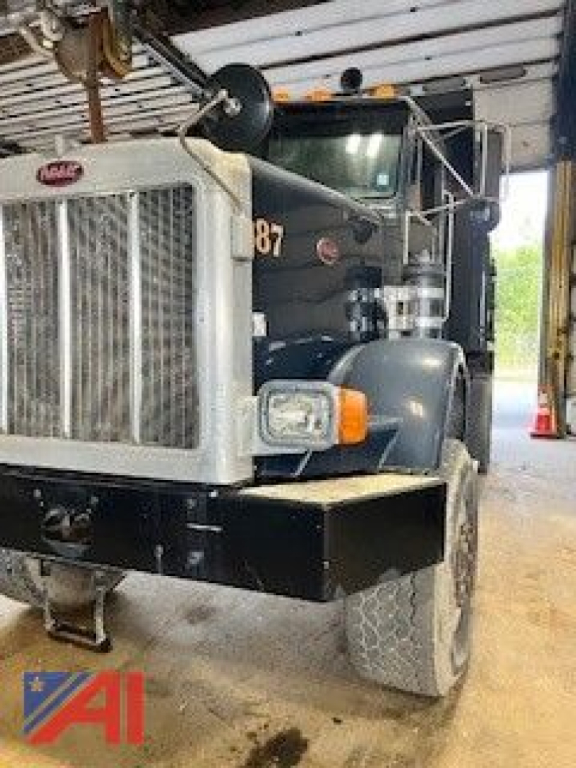
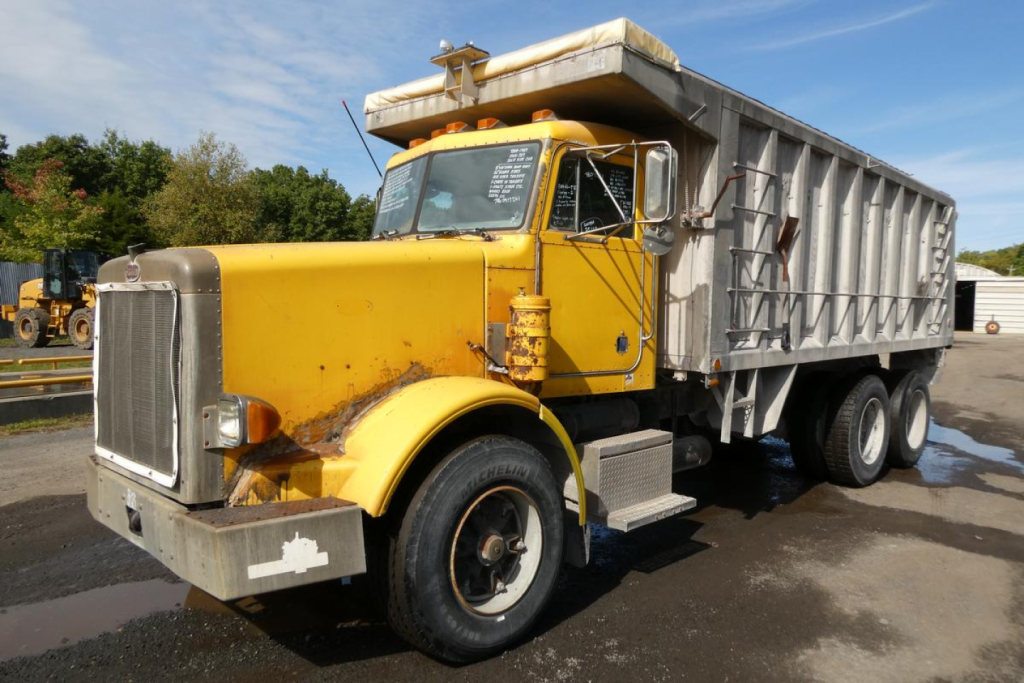
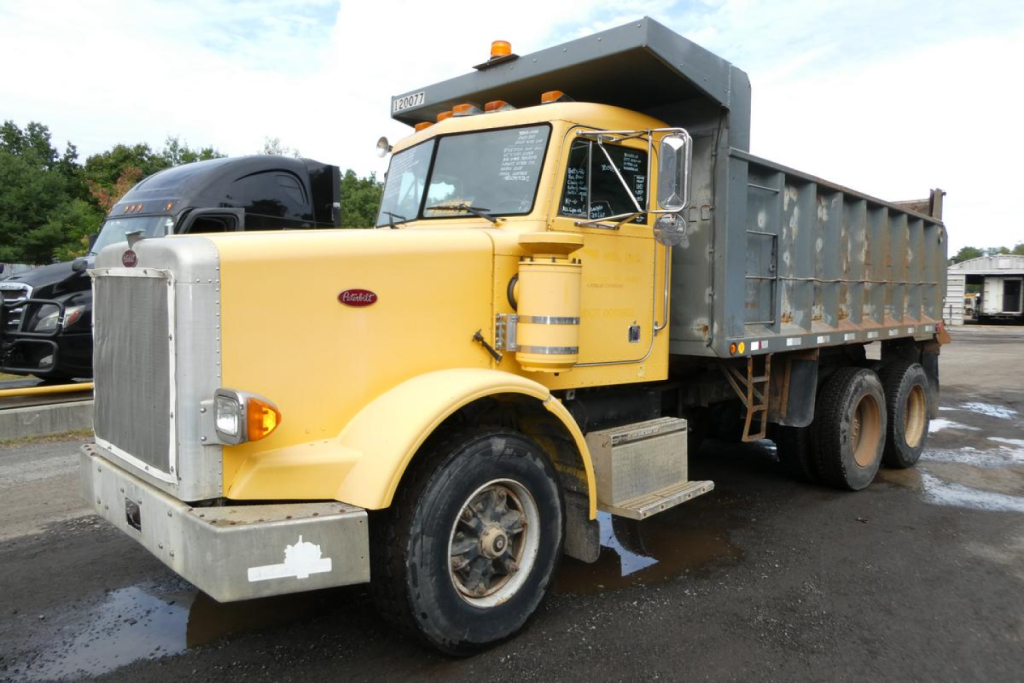
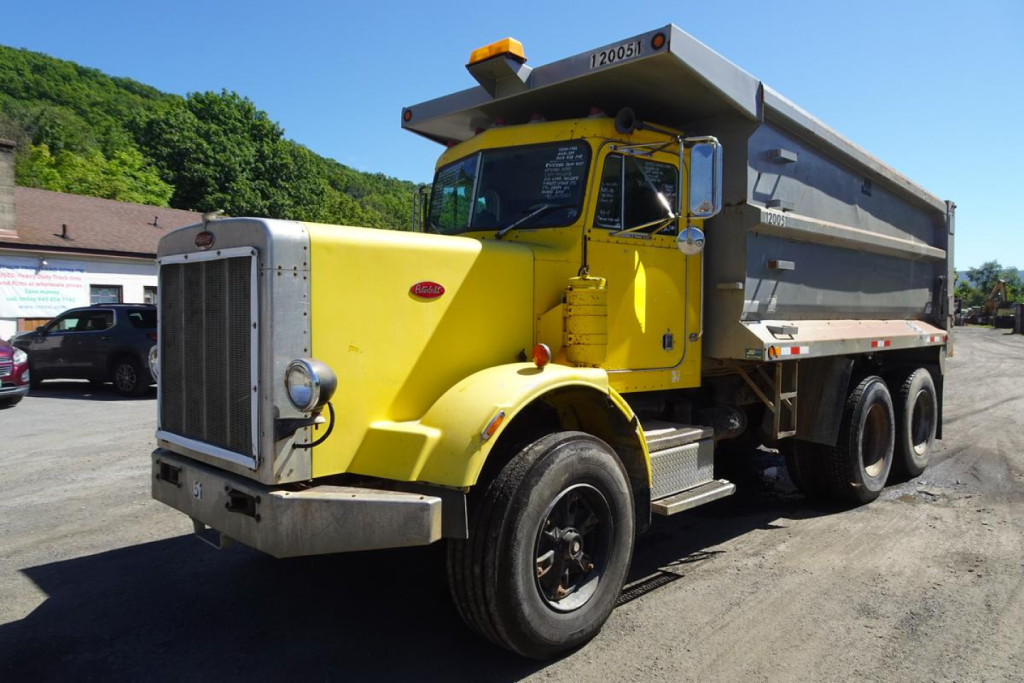
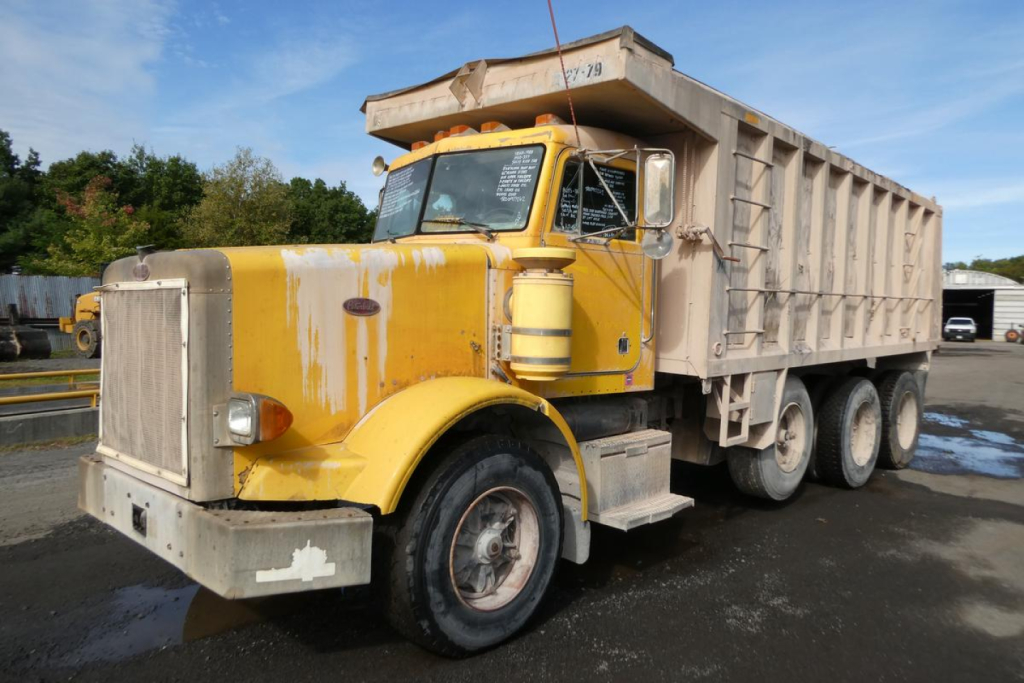
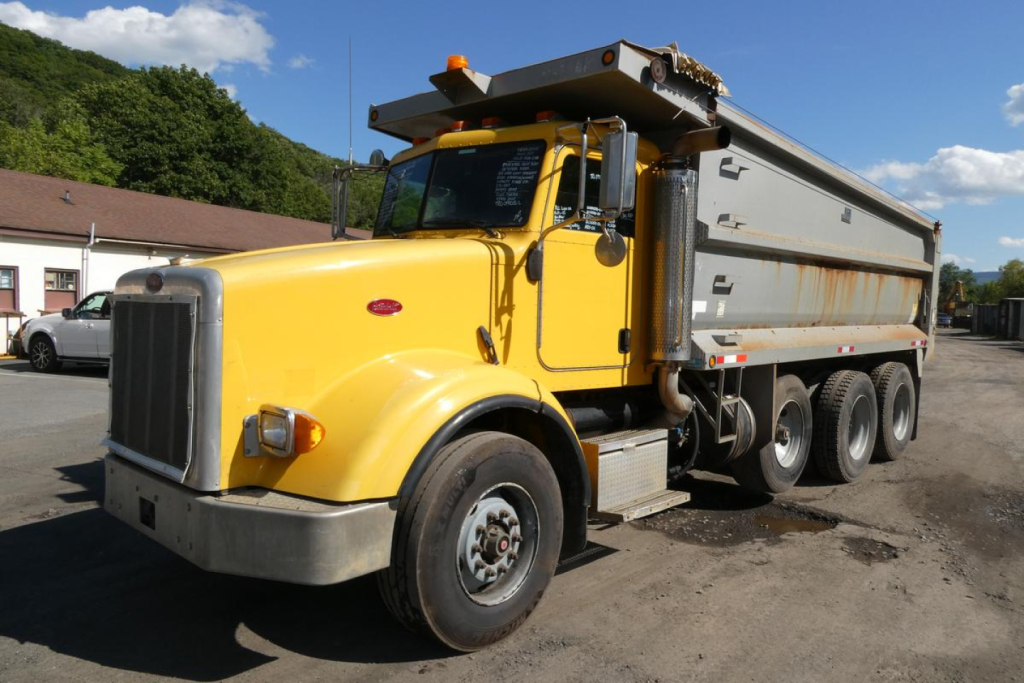

Selling a used peterbilt dump truck? List your used peterbilt dump truck for sale and reach thousands of commercial buyers.
Used Peterbilt Dump Trucks
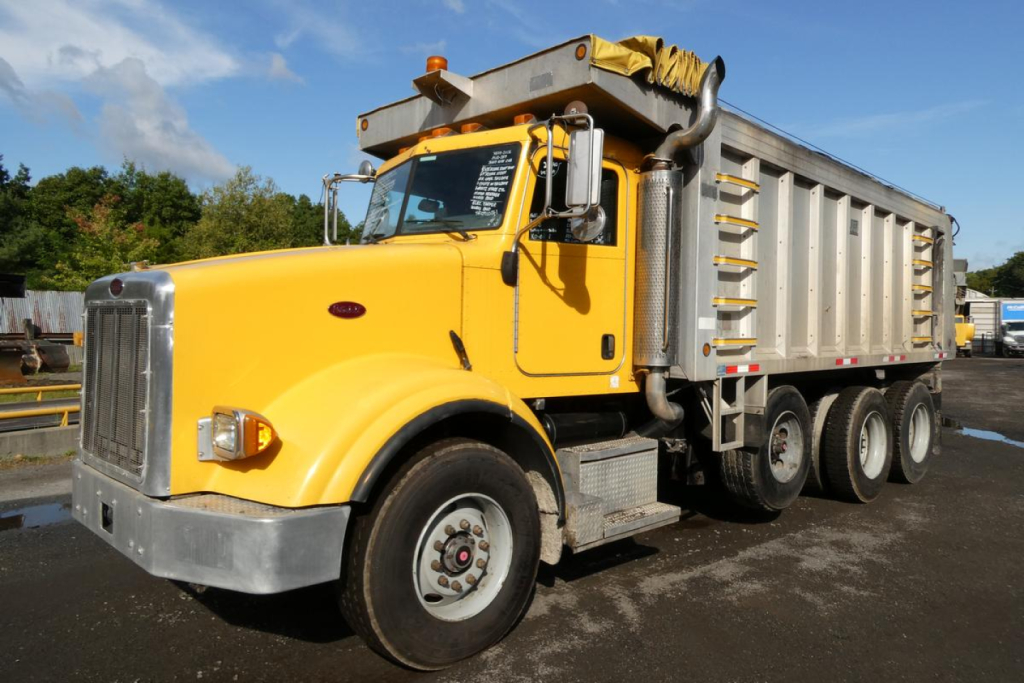
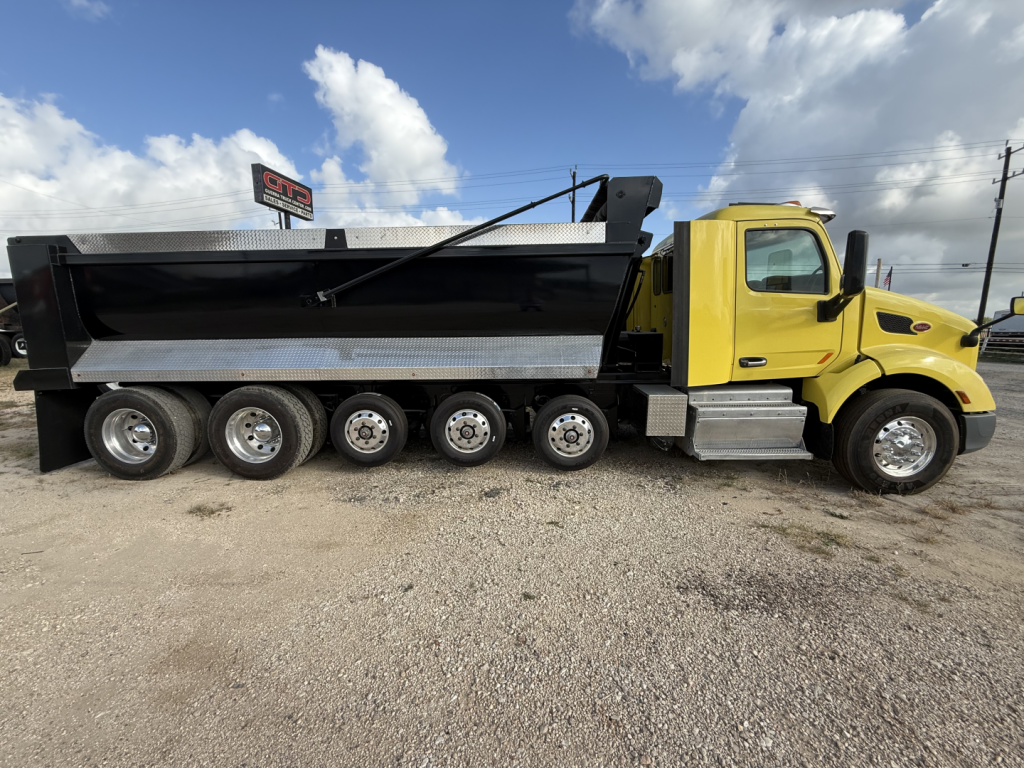
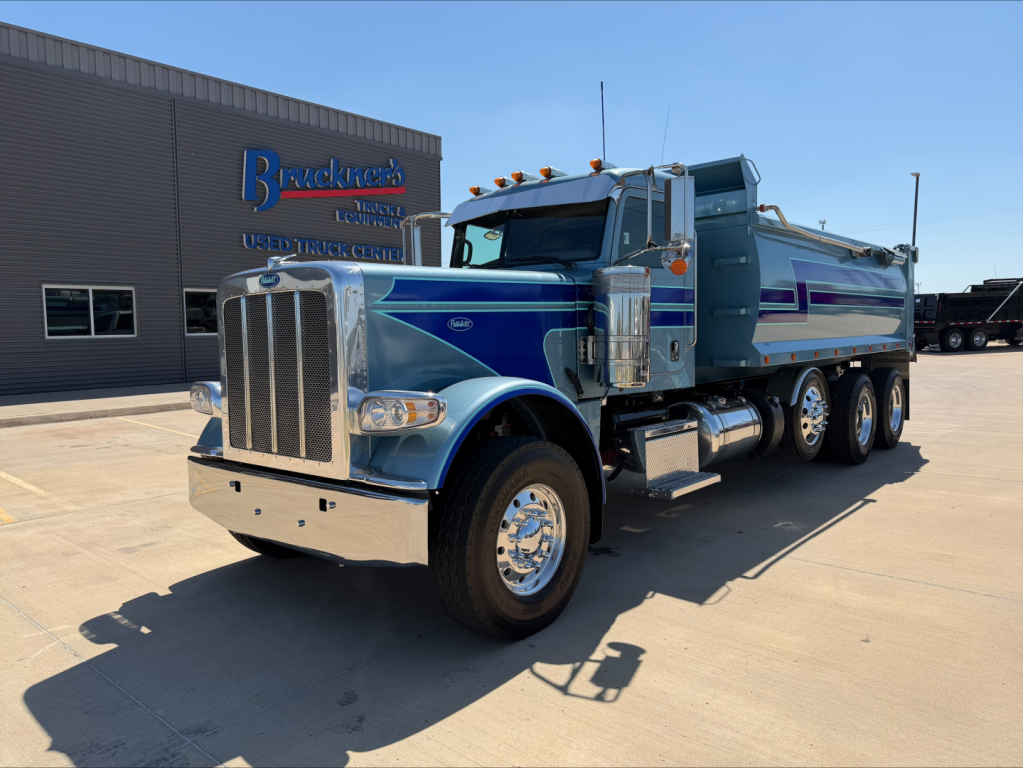
A buyer should start with axle configuration and body size before looking at cab trim or paint. Single-axle Peterbilt dump trucks fit lighter material hauling and tighter urban routes, while tandem and tri-axle trucks are more common for construction debris, asphalt, stone, and higher legal payload requirements. Dump bodies often range from about 10 to 16 feet, with common bodies from builders like Ox Bodies, Crysteel, Rugby, and Henderson. Body construction matters. Hardox or other high-tensile steel bodies are better suited for abrasive material, while lighter spec bodies may favor payload in sand, mulch, or general site work. Check hoist type, tailgate style, side height, liner condition, crossmember corrosion, and any evidence of frame modification around the body mounts.
Powertrain specs on used Peterbilt dump trucks usually center on Cummins diesel engines paired with Allison automatic transmissions or fuller manual transmissions, depending on application and region. Municipal and snow-service trucks often use Allison automatics because they work well in stop-and-go operation, plowing, and multi-operator fleets. Horsepower can range from roughly 300 hp in lighter 348 configurations to 500 hp or more in heavier 567 tri-axle trucks. Front axle ratings, rear suspension type, rear ratio, and wheelbase all affect how the truck performs with a load and how well it matches the body. Buyers should also verify PTO operation, hydraulic system condition, steering box play, spring or suspension wear, brake life, and the condition of frame rails in high-stress areas. On ex-municipal units, corrosion from salt exposure can matter as much as engine hours or mileage.
The used market also includes many Peterbilt dump trucks with snow plows, wings, spreaders, and auto-lube systems, especially on 348 models from public works fleets. That can be a benefit if the equipment matches your operation, but it also means more systems to inspect. Look closely at front frame horns, plow mounts, electrical connections, hydraulic leaks, and signs of seasonal idle time. A well-spec'd Peterbilt dump truck can hold value well, but the right truck is the one whose axle ratings, body capacity, and vocational history line up with your state weight laws and daily material. For most buyers, service records, rust level, and body condition tell more about remaining life than the odometer alone.
Frequently Asked Questions about Used Peterbilt Dump Trucks
What are the most common Peterbilt dump truck models on the used market?
The Peterbilt 348, 365, and 567 are the models buyers see most often in used dump truck listings. The 348 is widely used in municipal service, plow work, and lighter vocational applications, while the 365 and 567 are more common in heavier construction and aggregate hauling. The exact spec can vary a lot by axle count, body length, engine rating, and whether the truck was built for contractor use or public works duty.
Is a used Peterbilt dump truck with a plow setup a good buy?
It can be, especially if you need a truck for snow and year-round material hauling. Many ex-municipal Peterbilt dump trucks come with front plows, wing plows, spreaders, and automatic transmissions that suit stop-and-go work. The tradeoff is that snow-service trucks need careful inspection for corrosion, front-end wear, hydraulic issues, and electrical problems caused by seasonal equipment use and road salt exposure.
What specs matter most when comparing used Peterbilt dump trucks?
Axle configuration, GVWR, body size, body material, engine horsepower, transmission type, and suspension are the main specs that affect value and job fit. A tandem or tri-axle truck may offer better payload and legal flexibility than a single-axle truck, but wheelbase, bridge laws, and jobsite maneuverability also matter. Buyers should also confirm front axle capacity, PTO setup, hoist condition, rear ratio, and whether the truck was spec'd for severe-duty hauling or lighter municipal service.
Are Allison automatic transmissions common in Peterbilt dump trucks?
Yes. Allison automatic transmissions are very common in used Peterbilt dump trucks, particularly on municipal, snow-plow, and stop-and-go vocational trucks. They are popular because they simplify operation, reduce driver fatigue, and work well with plow and spreader applications. Manual transmissions are still found in contractor and heavier hauling specs, so the best choice depends on terrain, driver preference, and how the truck will be used.
How do I judge the condition of a used Peterbilt dump body?
Focus on structural wear before cosmetics. Inspect the floor, sides, tailgate, hinges, hoist, body mounts, and crossmembers for cracks, rust, distortion, and weld repairs. Material type matters too, because steel bodies used in rock or demolition work can show heavy abrasion even if the truck presents well. A fresh coat of paint is not a substitute for checking liner wear, cylinder condition, and how the body sits on the chassis under load.