
Used 2012 Peterbilt Dump Trucks For Sale
Browse used 2012 Peterbilt dump trucks for sale. Compare specs, axle setups, body options, engines, and vocational features for hauling jobs.
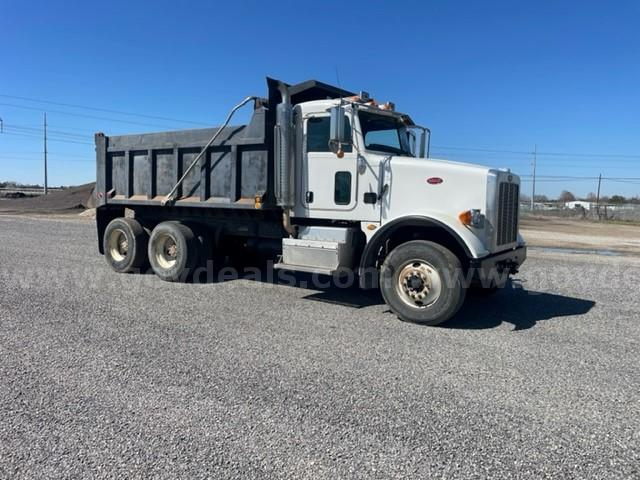

Have used 2012 peterbilt dump truck to sell? List it here to reach thousands of buyers.
Used 2012 Peterbilt Dump Trucks
The main buying decisions are engine, transmission, axle rating, and body spec. Many 2012 Peterbilt dump trucks were equipped with Cummins ISX, PX-9, or other vocational diesel options, paired with Allison automatics or Eaton Fuller manual transmissions depending on the route and driver preference. Tandem axle dumps often carry 38,000 to 46,000 lb rear ratings, while front axle ratings vary widely based on plow equipment, steerable lift axles, or heavier municipal use. Body length, side height, hoist type, and tailgate configuration matter just as much as chassis spec. A steel body is typically preferred for demolition, rock, and abrasive material, while lighter aluminum bodies can make sense where payload is the priority. Buyers should also look for common vocational details like PTO operation, locking rear differentials, full fenders, pintle hitches, tarp systems, and hydraulic plumbing condition.
On a used 2012 unit, condition tells the story more than mileage alone. Frame condition, crossmember corrosion, hoist wear, hinge pin play, and evidence of hard off-road use are key inspection points. If the truck spent time in snow and ice service, check for rust around the cab mounts, body subframe, wiring, spreader or plow connections, and underbody hydraulic components. Suspension type also matters. Camelback and other heavy-duty mechanical suspensions are valued for durability and simplicity, while air ride can improve ride quality but may not be the first choice for every severe-duty operation. Brake type, tire size, and wheelbase should match the work, especially if the truck needs to maneuver in tight urban jobsites or stay legal under specific bridge and axle laws.
Peterbilt dump trucks from this period remain popular because they combine vocational durability with a driver-friendly cab and strong parts support. A well-spec’d 2012 truck can still be a productive asset if the body, driveline, hydraulics, and frame have been maintained correctly. Buyers comparing listings should pay close attention to GVWR, axle spacing, dump body manufacturer, transmission model, and any recent work on the engine, clutch, suspension, brakes, or hydraulic system. Those details usually tell you more about long-term value than the badge on the hood alone.
Frequently Asked Questions about Used 2012 Peterbilt Dump Trucks
What should I check first on a used 2012 Peterbilt dump truck?
Start with the truck’s axle configuration, GVWR, dump body condition, and service history. On a vocational truck, the frame rails, hoist, body mounts, tailgate hardware, suspension, and PTO-driven hydraulic system usually matter more than cosmetic appearance. Rust, cracks, uneven tire wear, and signs of frame repairs can point to hard use or deferred maintenance. Engine hours, not just mileage, are also important on trucks that spent time idling on jobsites or in municipal service.
Which engines and transmissions are common in 2012 Peterbilt dump trucks?
Many 2012 Peterbilt dump trucks were spec’d with Cummins vocational diesel engines, often paired with either Allison automatic transmissions or Eaton Fuller manuals. Allison automatics are popular in stop-and-go work, snow plow service, and driver pools because they are easy to operate and reduce clutch wear. Manual transmissions are still common in heavier haul and owner-operator applications where gear control and lower acquisition cost are priorities. The right choice depends on terrain, driver experience, and the type of material being hauled.
Is a single-axle or tandem-axle 2012 Peterbilt dump truck better?
A single-axle dump truck is usually better for lighter payloads, tighter turning radius, and urban delivery work. A tandem-axle dump truck is the more common choice for construction, aggregate, and heavier hauling because it offers higher legal payload capacity and better durability under repeated load cycles. The best setup depends on local bridge laws, jobsite access, and what material the truck will carry most often.
Are 2012 Peterbilt dump trucks good for municipal or snow plow use?
Yes, many Peterbilt vocational chassis from this period were built for municipal work and can be found with front plow mounts, wing plow equipment, hydraulic controls, and heavier front axle ratings. A buyer should confirm that the front frame, steer axle, hydraulics, and electrical systems were maintained properly, because snow service can accelerate corrosion and put extra strain on the front end. If the truck was used for plowing, inspect spring packs, steering components, underbody rust, and all auxiliary hydraulic functions carefully.
What body and chassis features matter most on a used dump truck?
The most important features depend on the work, but buyers usually focus on body material, hoist type, axle ratings, wheelbase, suspension, and whether the truck has a double frame. For example, demolition and rock hauling usually favor a steel body and heavier suspension, while lighter bulk material work may benefit from an aluminum body for better payload. Details like tarp systems, high-lift tailgates, lockers, lift axles, and pintle hitches can also make a big difference in day-to-day productivity.