
Used 2020 Commercial Trucks For Sale in California
Browse used 2020 trucks for sale in California, including highway tractors and vocational units with modern emissions, safety, and driveline specs.
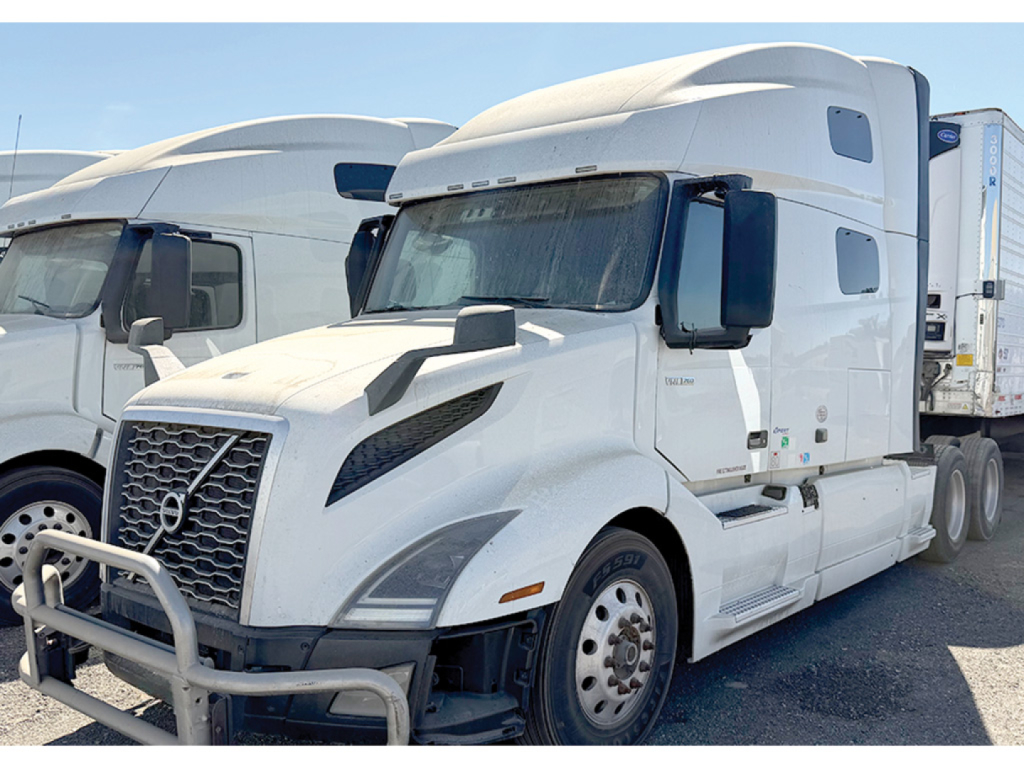
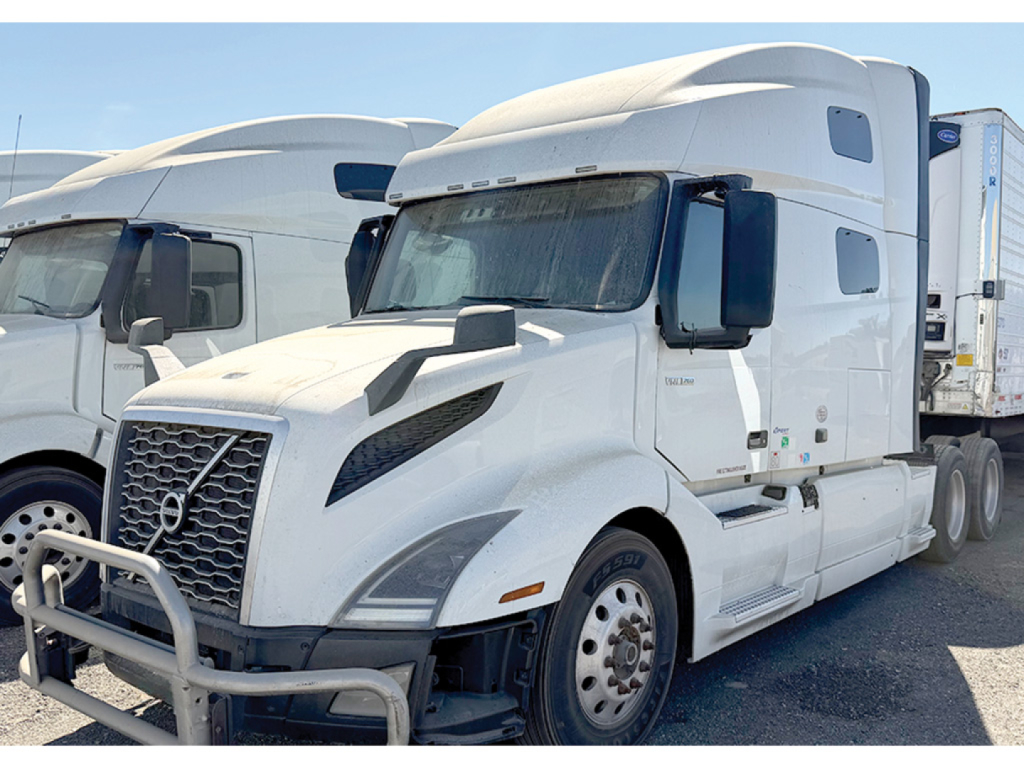
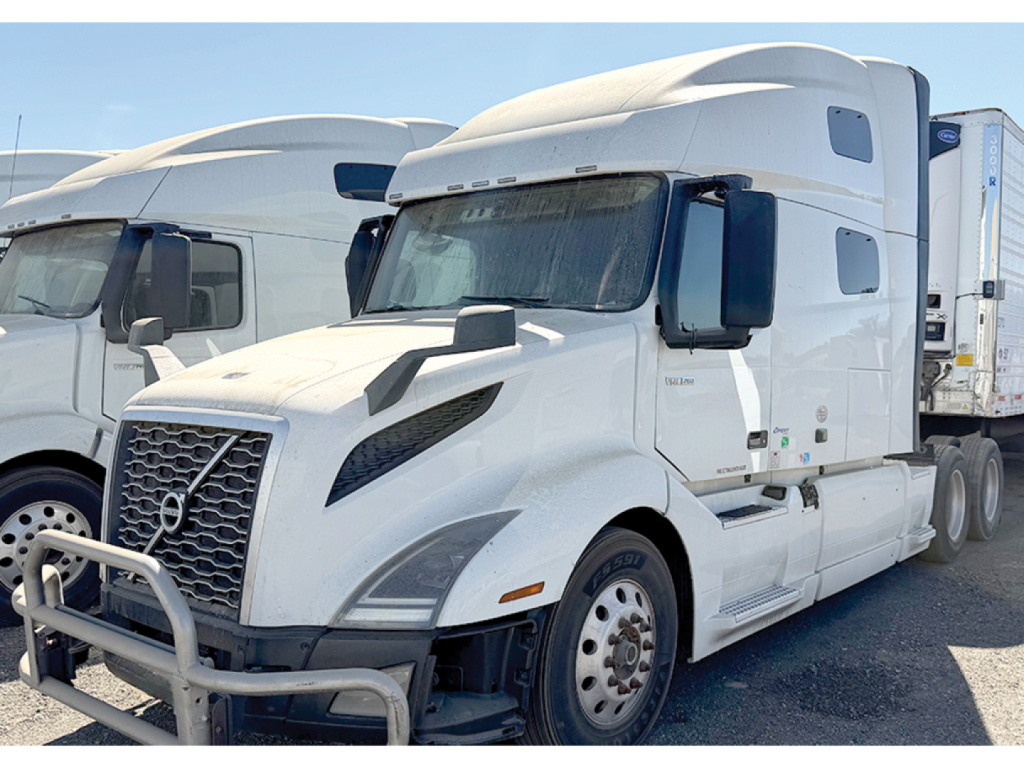
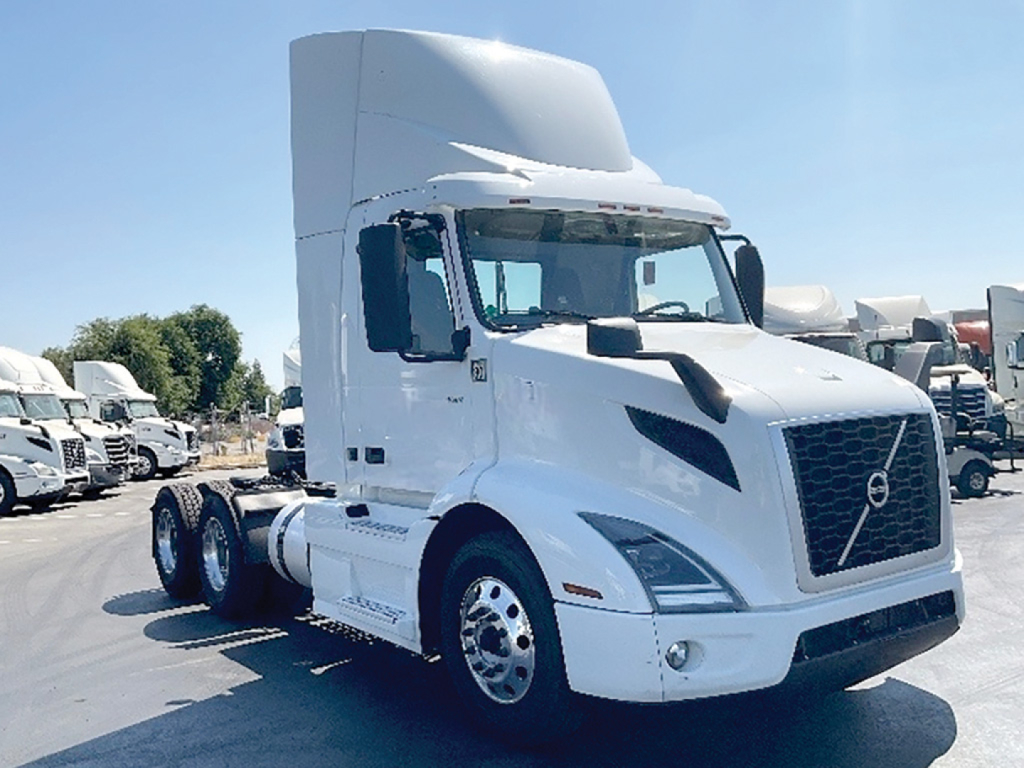

Have used 2020 commercial truck to sell? List it here to reach thousands of buyers.
Used 2020 Commercial Trucks in California
For highway tractors, 2020 trucks commonly include engines in the 400 to 500 horsepower range, automated transmissions, 6x4 drivetrains, and 40,000-pound rear axles. Popular sleeper and day cab configurations from Freightliner, Peterbilt, Kenworth, Volvo, International, and Mack are common in this model year. Buyers should pay close attention to axle ratio, wheelbase, sleeper size, and fifth wheel setup because those specs directly affect fuel economy, bridge compliance, maneuverability, and trailer compatibility. A 2.64 or 2.85 ratio may fit over-the-road freight, while a shorter wheelbase or different suspension package may be better for regional lanes or port-related work.
If you are comparing used 2020 trucks in California, condition matters more than the badge on the hood. Review engine hours, idle time, service records, DPF and SCR maintenance, brake type, tire condition, and suspension wear. On sleeper tractors, look at bunk heater function, HVAC performance, inverter or refrigerator equipment, and signs of hard use in the cab. On vocational or straight truck configurations, verify PTO provisions, frame condition, body compatibility, and front axle ratings. California buyers should also confirm registration status, emissions labeling, and any requirements tied to CARB compliance, especially for trucks expected to work in regulated metro and port areas.
A well-matched 2020 truck can still deliver strong uptime and a modern driver experience. Features often found in this year include engine brakes, adaptive cruise options, lane safety systems, air ride suspension, disc brakes on some spec levels, and improved interior controls. The best choice comes down to application first: linehaul freight, local delivery, construction support, reefer work, flatbed, or tanker. When the spec matches the route, payload, and trailer type, a used 2020 truck can offer a solid balance of acquisition cost, operating efficiency, and remaining service life.
Frequently Asked Questions about Used 2020 Commercial Trucks in California
What should I look for first when buying a used 2020 truck in California?
Start with emissions compliance, maintenance records, and the truck’s original application. In California, aftertreatment condition is especially important, so review DPF cleaning history, SCR and DEF system repairs, fault codes, and any documentation tied to CARB-related requirements. After that, match the axle ratio, wheelbase, horsepower, suspension, and cab configuration to the work the truck will actually do.
Are 2020 model trucks a good balance between price and technology?
Yes. Many 2020 trucks offer a strong value point because they are new enough to include modern safety systems, automated manual transmissions, better aerodynamics, and improved cab design, but they are typically priced below newer late-model units. For many fleets and owner-operators, that makes a 2020 truck appealing for controlling upfront cost while still getting current driveline and driver comfort features.
What engine and transmission specs are common in used 2020 highway trucks?
Used 2020 highway tractors commonly carry diesel engines rated from about 400 to 500 horsepower paired with automated manual transmissions. Buyers will often see engines such as the Detroit DD15, Cummins X15, PACCAR MX series, and Volvo D13, depending on make and model. Rear axle ratings around 40,000 pounds and ratios in the mid-2s to low-3s are common for fuel-efficient over-the-road setups.
Why does axle ratio matter so much on a 2020 used truck?
Axle ratio affects cruise RPM, fuel economy, launch performance, gradeability, and how well the truck handles different trailer weights. A faster ratio such as 2.47 or 2.64 can be efficient on open highway runs, while a deeper ratio may be better for heavier loads, hillier terrain, or more stop-and-go operation. It should be evaluated together with engine torque, transmission gearing, tire size, and expected gross combination weight.
How important is sleeper size on a used 2020 tractor?
Sleeper size matters if the truck will run overnight or multi-day routes. A 72-inch to 80-inch raised roof or high-roof sleeper usually provides more storage, better driver comfort, and room for amenities like a bunk heater, refrigerator, or inverter. If the truck is staying on local or short regional work, a day cab or smaller sleeper may lower weight and improve maneuverability.