
Used 2020 Volvo Trucks For Sale in California
Shop used 2020 Volvo trucks in California, including VNL and VNR models with D13 power, I-Shift transmissions, and fleet-ready specs.
Have used 2020 volvo truck to sell? List it here to reach thousands of buyers.
Used 2020 Volvo Trucks in California
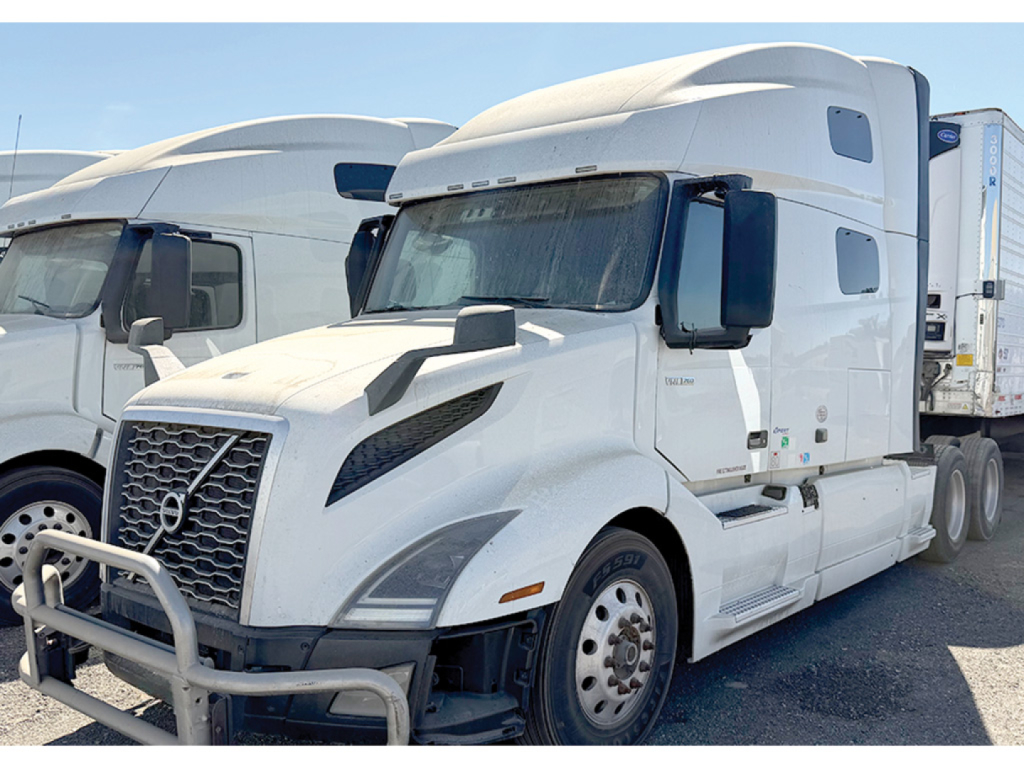
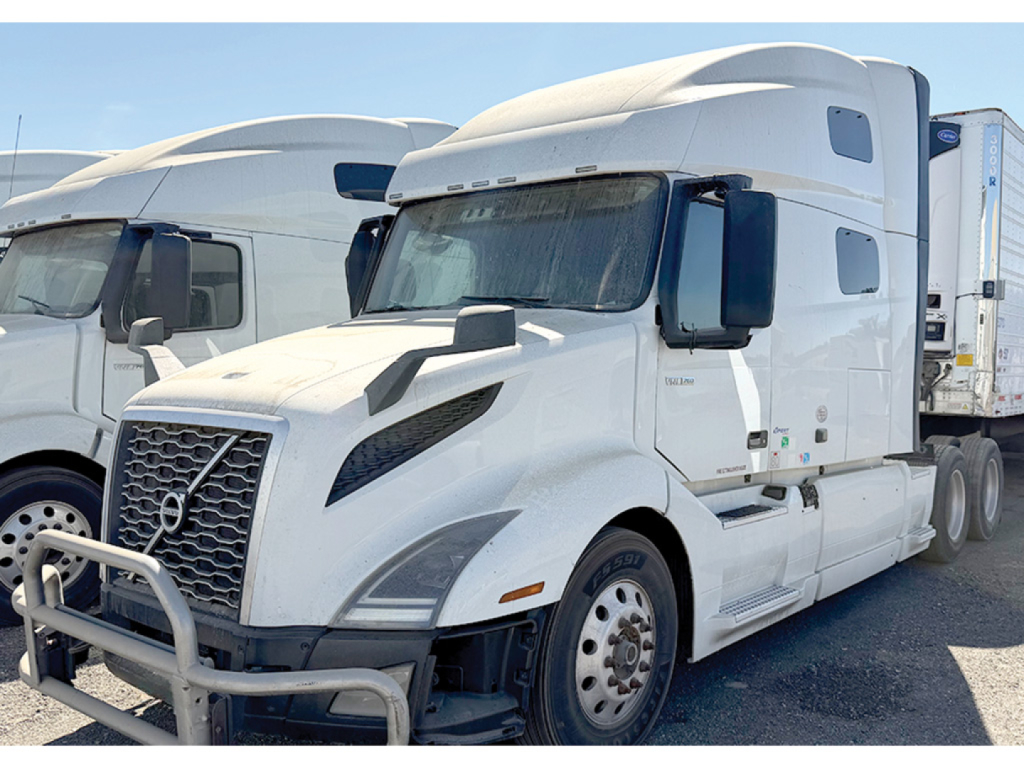
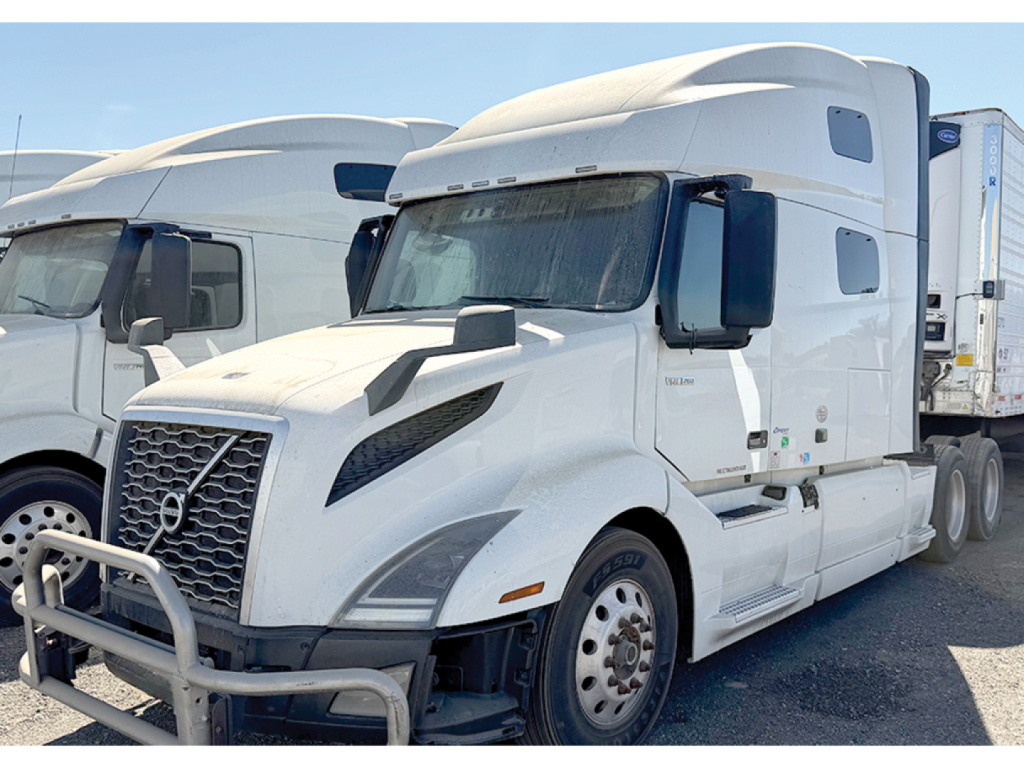
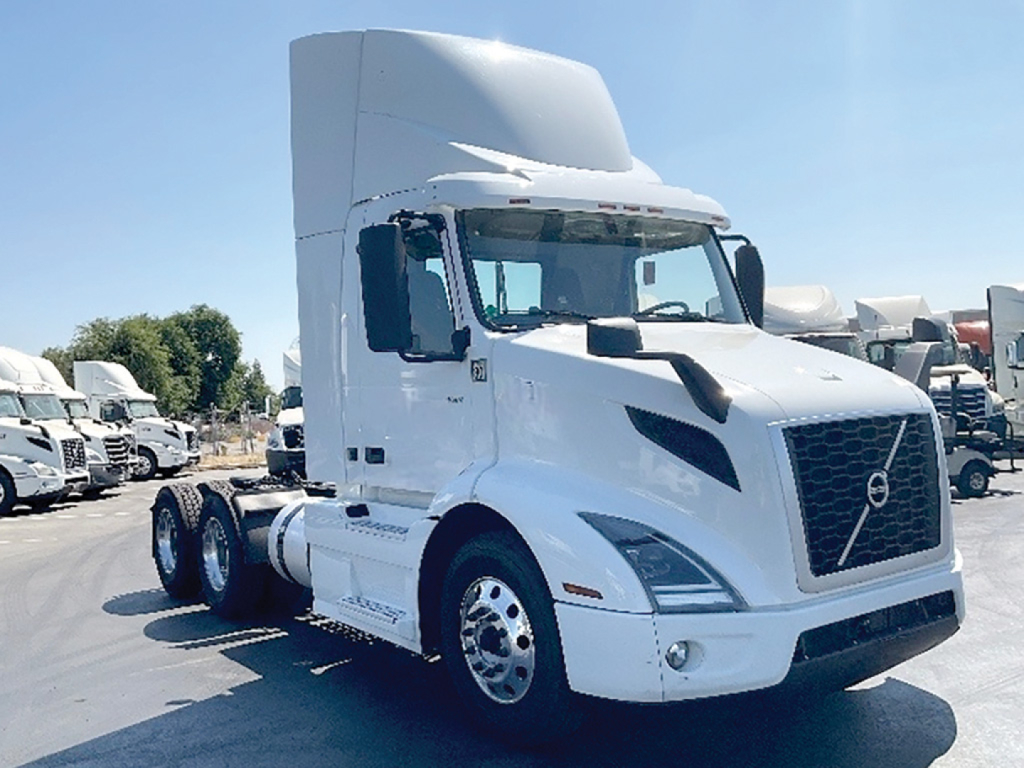
A 2020 Volvo VNR, also known as a day cab conventional, is typically set up for local delivery, port drayage, dedicated regional lanes, and slip-seat fleet use. These trucks often carry shorter wheelbases, aerodynamic roof fairings, 40,000 lb rear axles, and rear axle ratios such as 2.64 that balance startability with road speed. A 2020 Volvo VNL, especially in 760 sleeper trim, is built more for over-the-road service with larger living space, dual fuel tanks, upper bunk options, and wheelbases often stretching into the 220 to 235 inch range. In California, that application split matters because a truck working dense metro freight around Los Angeles, Oakland, or the Inland Empire needs a different spec than one running I-5 corridor miles every week.
The main spec decisions on a used 2020 Volvo truck are engine rating, transmission version, axle ratio, brake type, and cab configuration. Many trucks from this year are equipped around 405 to 455 horsepower, with engine brakes, air ride suspension, and an air slide fifth wheel. Disc brakes are a plus for stopping performance and maintenance consistency, and features like collision mitigation, tire inflation systems, bunk heaters, APUs, and refrigerators can add real operating value depending on duty cycle. On sleeper trucks, buyers should also check bunk layout, fairing condition, and signs of wear in the workstation and interior trim. On day cabs, look closely at frame layout, wheelbase, and tank placement to confirm fit for your trailer mix and turning-radius needs.
For California buyers, emissions compliance, maintenance records, and previous fleet use are as important as the badge on the hood. A used 2020 Volvo truck should be evaluated for DPF and SCR service history, software updates, idle hours, clutch and I-Shift calibration history, and any wear in steering, suspension, or aftertreatment components. Volvo trucks from this period are generally attractive for operators who want a modern aerodynamic platform with driver-friendly controls and strong parts support. The best value usually comes from matching the VNL or VNR spec to the exact lane, trailer, and mileage pattern the truck will handle every week.
Frequently Asked Questions about Used 2020 Volvo Trucks in California
What is the difference between a 2020 Volvo VNL and a 2020 Volvo VNR?
The 2020 Volvo VNL is primarily a highway tractor built for long-haul and over-the-road use, most often in sleeper configurations with longer wheelbases and more fuel capacity. The 2020 Volvo VNR is designed more for regional haul, local freight, and urban operations, usually with a tighter wheelbase and day cab layout. The right choice depends on route length, trailer type, parking constraints, and how much time the driver spends in the cab between loads.
Is the Volvo D13 and I-Shift combination a good setup on a used 2020 Volvo truck?
Yes. The Volvo D13 paired with the I-Shift automated transmission is one of the most common and proven specs in this model year. It is popular because it delivers good fuel economy, consistent shift quality, and less driver fatigue than a manual transmission, especially in stop-and-go freight or mountain terrain. Buyers should still verify service records, software updates, clutch wear data, and transmission calibration history before purchase.
What should I inspect on a used 2020 Volvo truck in California?
Start with emissions system history, including DPF cleaning intervals, SCR performance, fault code history, and any documented aftertreatment repairs. Then review engine hours, idle time, transmission service, brake type and condition, suspension wear, and tire condition. In California, compliance matters, so it is also smart to confirm the truck’s current emissions status and look for signs that the truck’s prior duty cycle caused excessive soot loading or frequent regeneration issues.
Are 2020 Volvo trucks good for fleet use?
They are often a strong fleet choice because they combine aerodynamic design, automated shifting, and driver comfort features that help with training and retention. Common fleet-friendly options include collision mitigation, air ride suspension, disc brakes, and standardized powertrain specs that simplify maintenance planning. Fleets should focus on spec consistency across units, telematics compatibility, and total maintenance history rather than comparing trucks by mileage alone.
What axle ratio is best on a used 2020 Volvo truck?
The best axle ratio depends on the job. Ratios such as 2.47 or 2.64 are often used to favor fuel economy and highway speed in lighter or regional applications, while a 3.08 ratio can make more sense when the truck sees heavier loads, more grade changes, or more start-and-stop work. The right ratio should be matched to engine rating, tire size, transmission gearing, gross combined weight, and the terrain the truck runs most often.