
Used 2020 Volvo Trucks For Sale
Shop used 2020 Volvo trucks with D11 or D13 power, I-Shift automation, aerodynamic specs, and sleeper or day cab configurations.
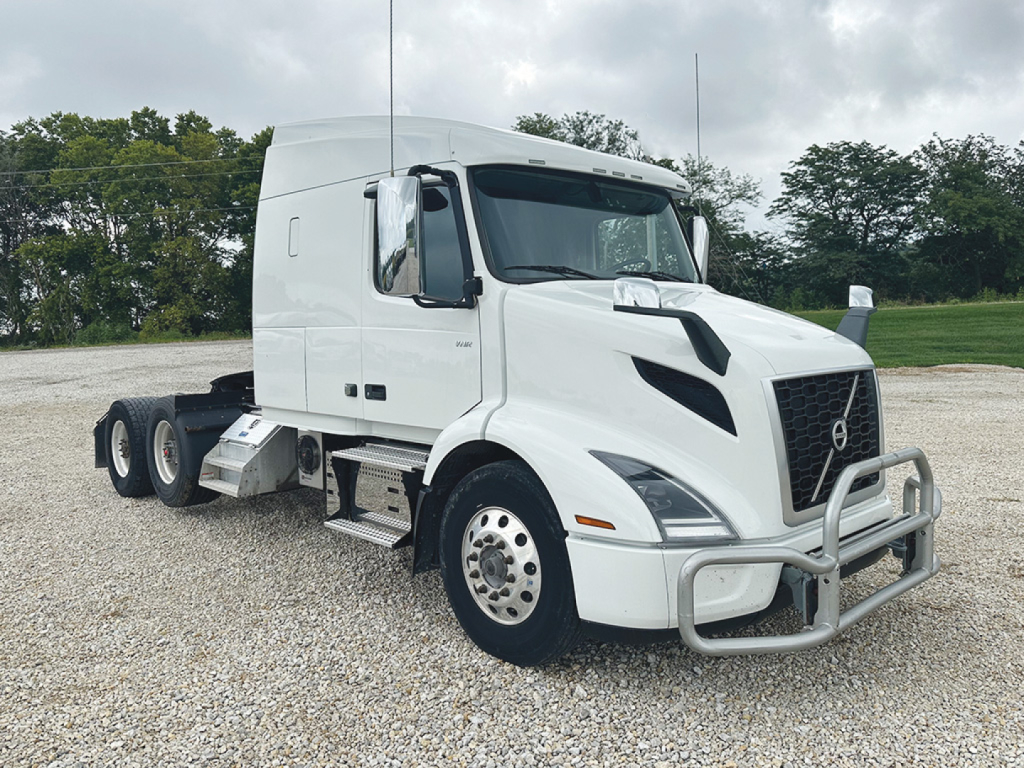
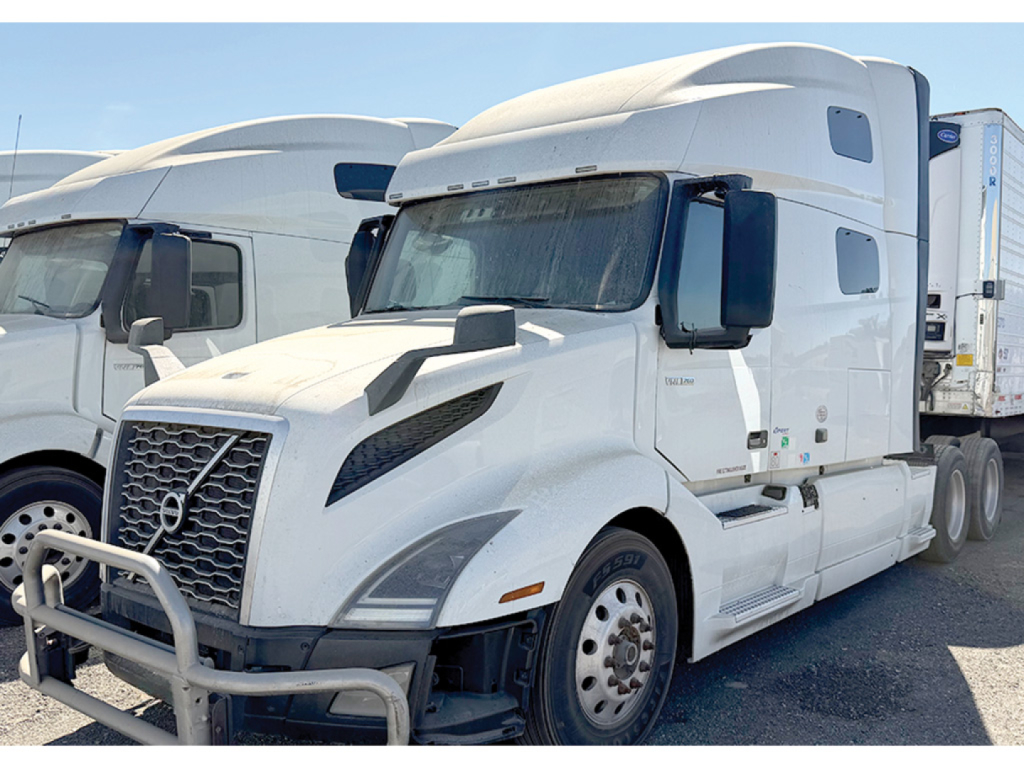
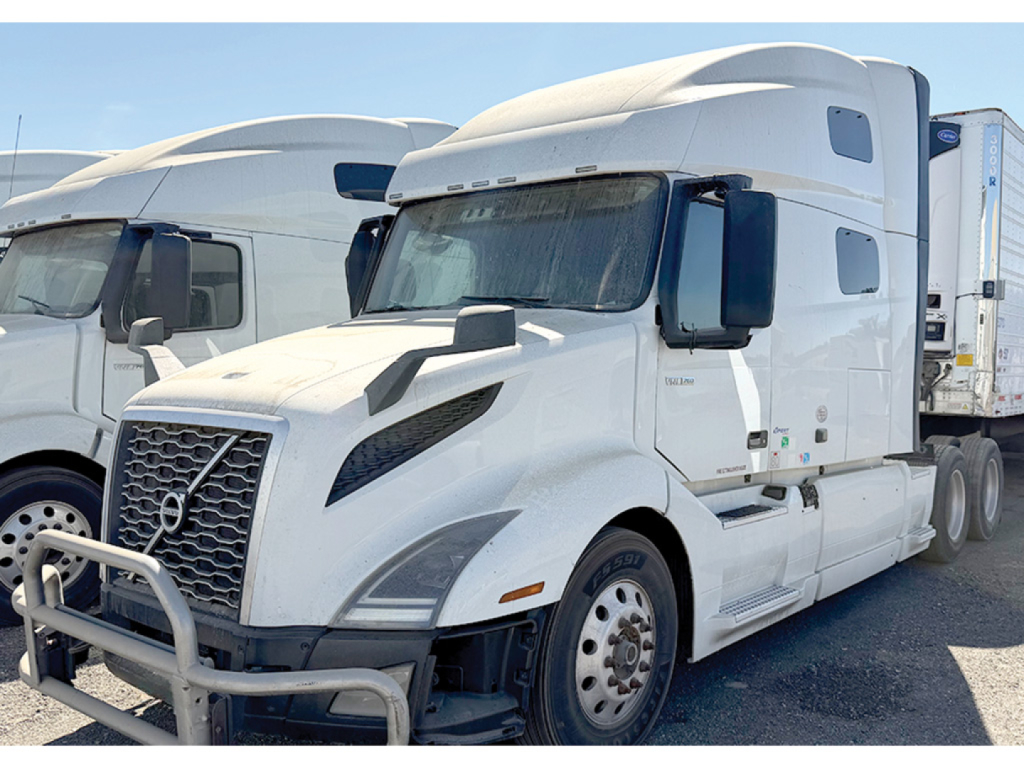
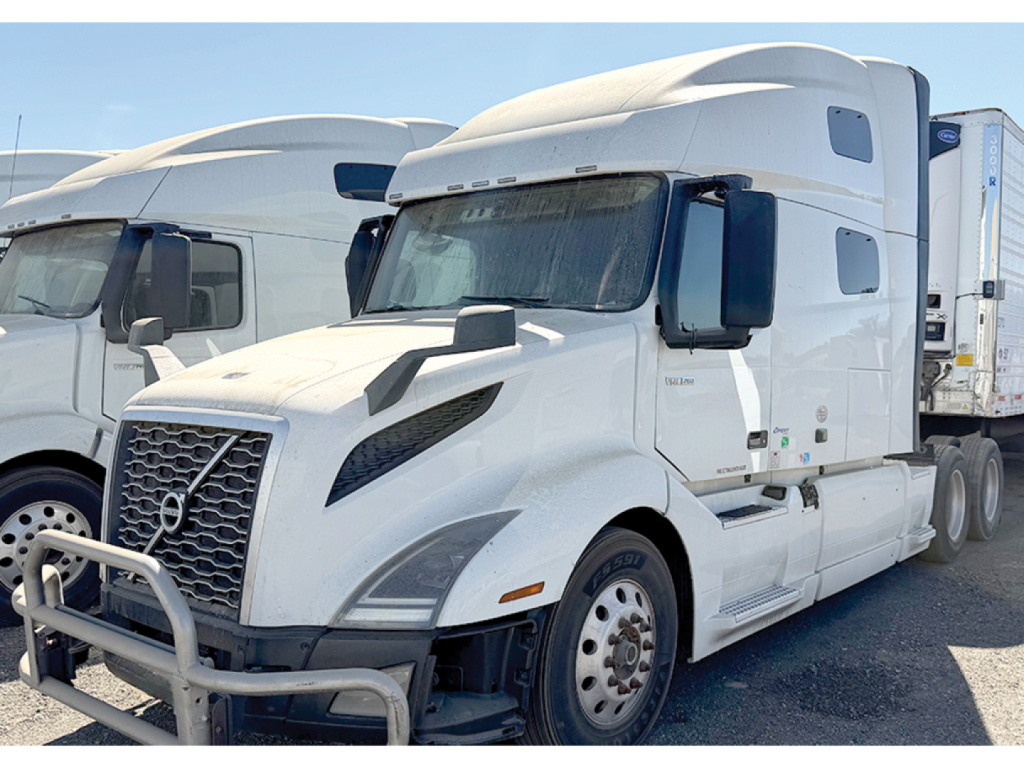

Selling a used 2020 volvo truck? List your used 2020 volvo truck for sale and reach thousands of commercial buyers.
Used 2020 Volvo Trucks
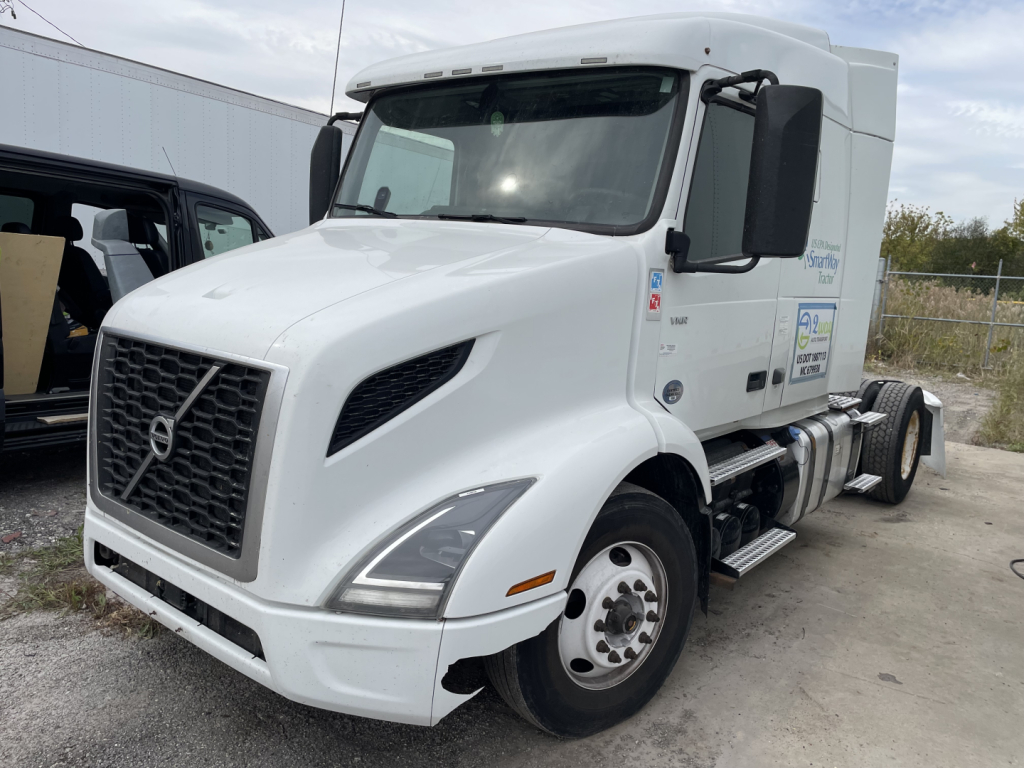
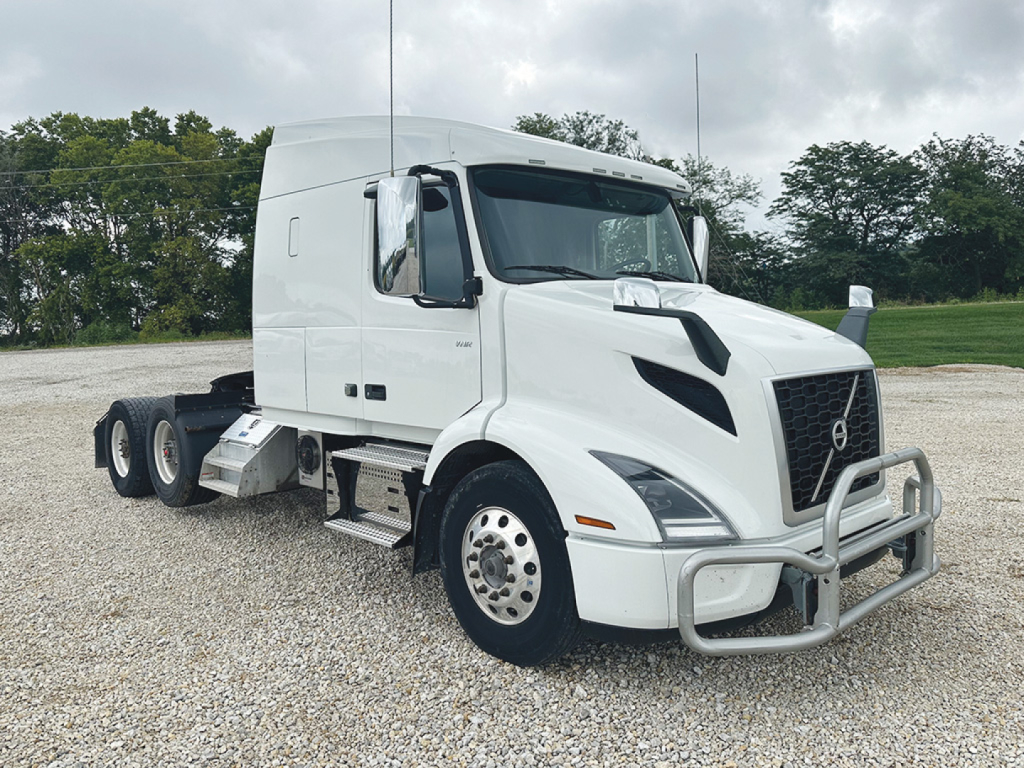
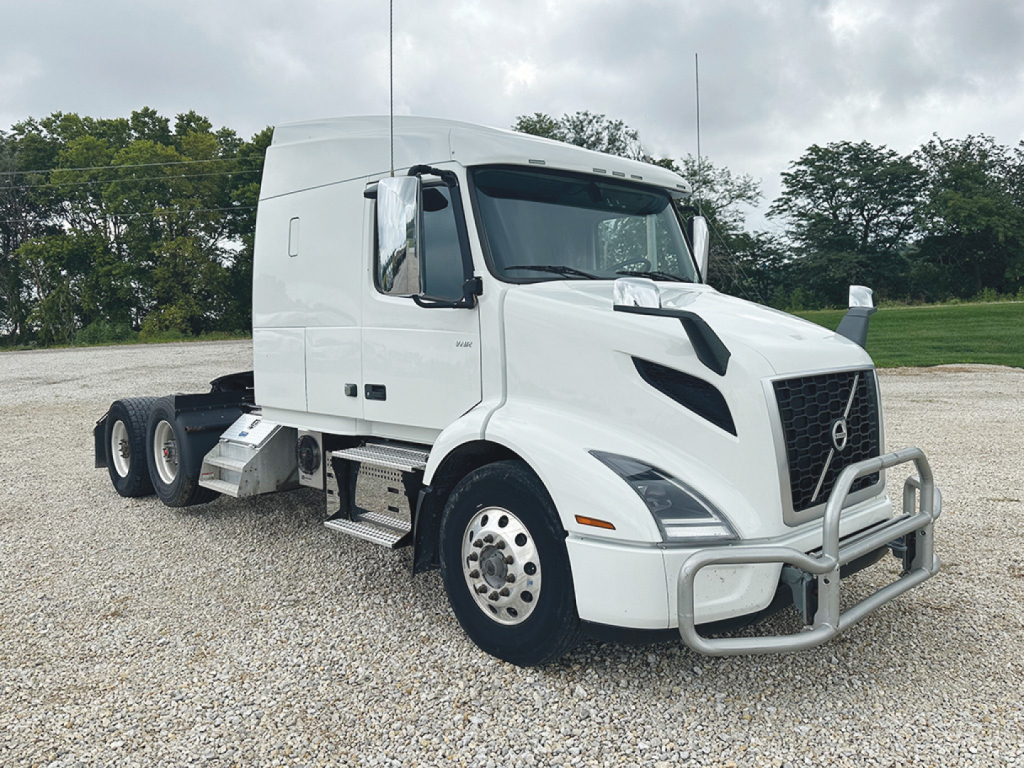
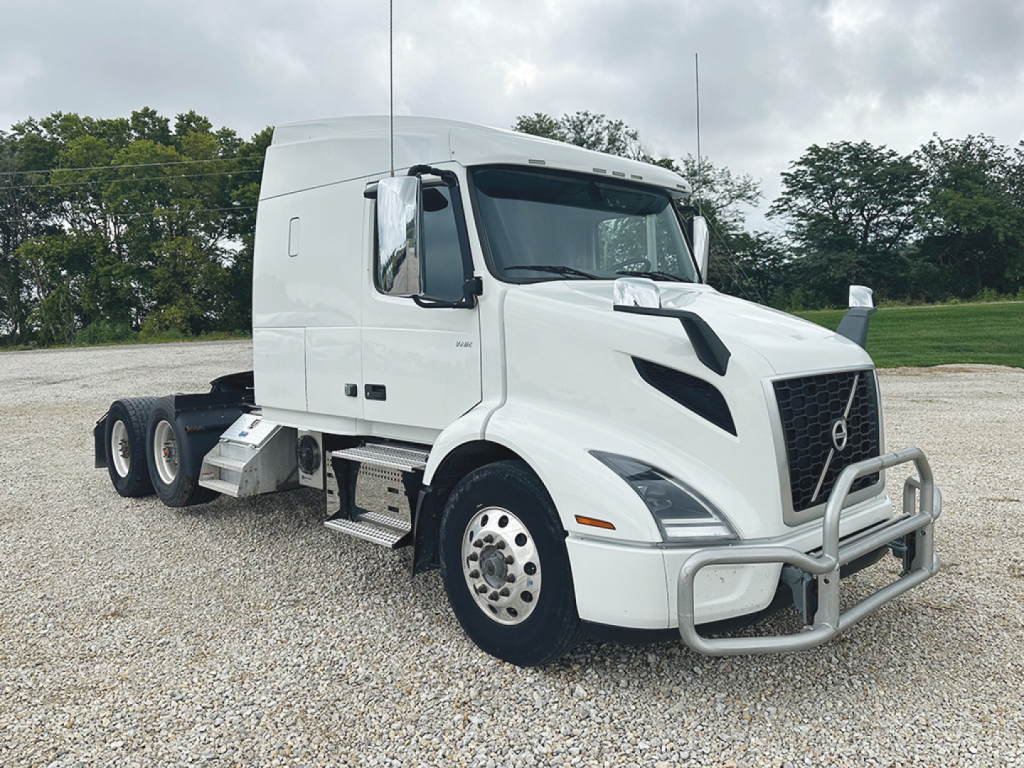
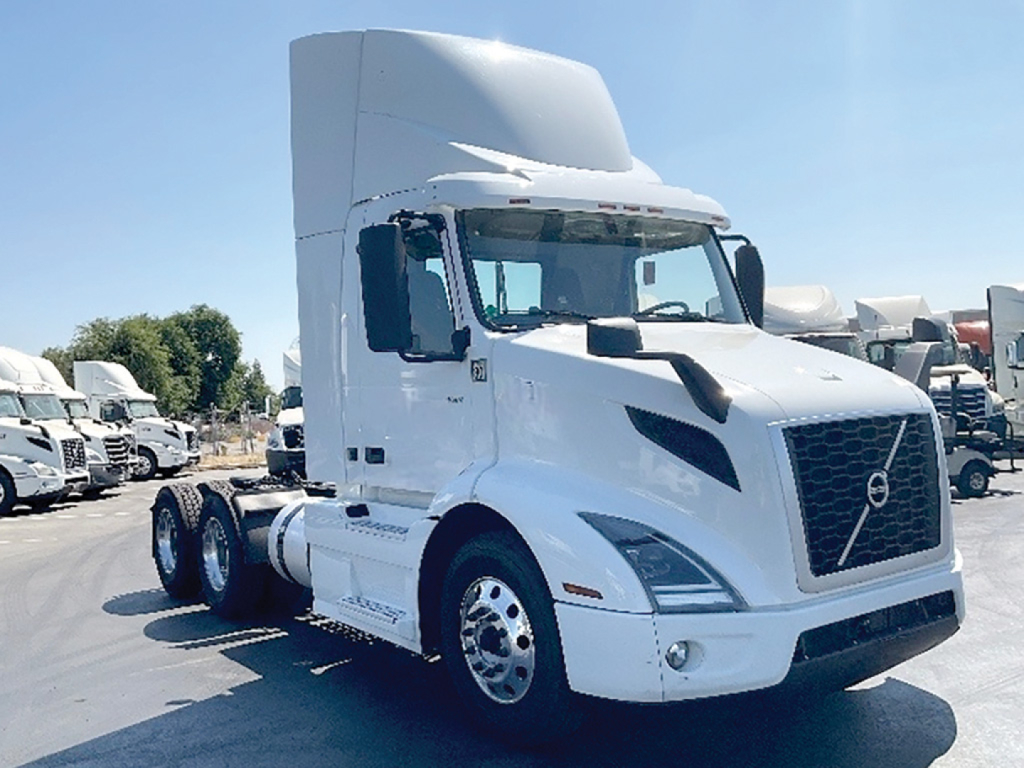
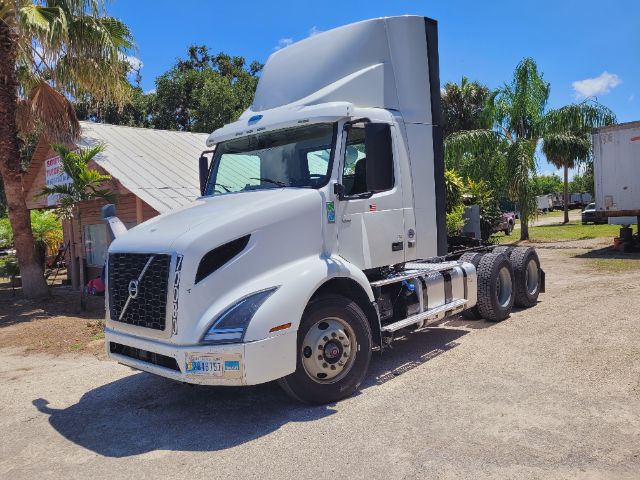
For a 2020 Volvo truck, the first buying decision is usually application. A VNL is typically set up for over-the-road work, often with larger sleepers, longer wheelbases, fairings, and higher fuel capacity. A VNR is more compact and commonly used for regional freight, dedicated lanes, or city-to-hub operations where tighter turning radius and lower overall length matter. Horsepower ratings often fall in the low-to-mid 400 range, with rear axle ratios like 2.64 or 2.79 showing up on fuel-conscious specs. Buyers should also compare wheelbase, fifth wheel type, front axle set-back, and suspension package to make sure the truck matches trailer length, kingpin settings, and route conditions.
Volvo’s integrated drivetrain is a major reason these trucks stay in demand. The D11 is often favored for weight-sensitive or regional work, while the D13 is more common in linehaul service where torque, gradeability, and higher gross combination weights matter. The I-Shift transmission is widely respected for shift logic, driver acceptance, and fuel-saving performance, but a buyer should still review software calibration, clutch history, and service records. Other value points on many 2020 Volvo trucks include disc brakes on some specs, collision mitigation systems, air ride suspension, adjustable or air-slide fifth wheels, and driver-focused interiors with climate control, bunk heaters, and refrigerator options on sleeper units.
When comparing used 2020 Volvo trucks for sale, condition matters more than badge or trim level. Pay attention to idle hours, emissions system history, tire wear pattern, brake type, and signs of damage around fairings, hood mounts, and cab suspension. A clean maintenance file is especially important on modern Volvo equipment because uptime depends on proper aftertreatment service, software updates, and preventive maintenance intervals being followed. A well-spec'd 2020 Volvo can still be a very efficient revenue truck, especially for buyers who want a late-model aerodynamic tractor with strong driver retention appeal and proven fuel economy.
Frequently Asked Questions about Used 2020 Volvo Trucks
What are the most common 2020 Volvo truck models buyers look for?
The most common 2020 Volvo trucks in the used market are usually VNL and VNR models. The VNL is Volvo’s highway tractor line and is commonly found in sleeper configurations for long-haul freight. The VNR is designed more for regional haul, local delivery support, and shorter route cycles, often as a day cab. The right choice depends on wheelbase, cab layout, fuel capacity, and how the truck will be matched to trailer type and operating radius.
Is the Volvo D11 or D13 better in a used 2020 Volvo truck?
The D11 is generally a good fit for regional haul and weight-sensitive operations because it can offer solid fuel economy with less engine weight. The D13 is typically preferred for heavier loads, long-haul routes, and buyers who want more torque and stronger pulling power on grades. Neither is automatically better in every case. The better engine is the one that matches your average gross weight, terrain, and annual mileage, backed by clear maintenance and emissions service records.
What should I check on a used 2020 Volvo with an I-Shift transmission?
On a 2020 Volvo with I-Shift, review clutch life data, transmission calibration history, and any fault code or software update records. The I-Shift is a strong transmission when maintained correctly, but buyers should confirm that shifting quality is smooth under load and that the truck has been spec'd properly for its rear axle ratio and duty cycle. It is also smart to inspect driveline wear, u-joints, and the differential setup because transmission performance is tied closely to the full powertrain spec.
Are 2020 Volvo trucks good for fuel economy?
Yes, 2020 Volvo trucks are generally considered competitive on fuel economy, especially when equipped with aerodynamic bodywork, integrated powertrain settings, and fuel-efficient axle ratios. Features such as roof fairings, cab extenders, side fairings, low-rolling-resistance tires, and the I-Shift transmission all contribute to lower fuel burn. Real-world results still depend on speed, terrain, idle time, payload, and maintenance discipline, so buyers should compare spec sheets carefully instead of assuming every truck will perform the same.
What matters most when comparing used 2020 Volvo trucks for sale?
The most important factors are application fit, maintenance history, emissions system condition, and chassis specification. A truck with the right engine, wheelbase, axle ratio, and fifth wheel setup will usually outperform a cheaper truck that is poorly matched to the job. Buyers should also look closely at sleeper size or day cab layout, suspension type, brake configuration, tire condition, and electronic safety features. In the late-model used market, service documentation and overall operating history often matter as much as mileage.