
Used 2019 Commercial Trucks For Sale in California
Browse used 2019 trucks for sale in California, including highway tractors, day cabs, and sleepers with modern emissions and driver-focused specs.
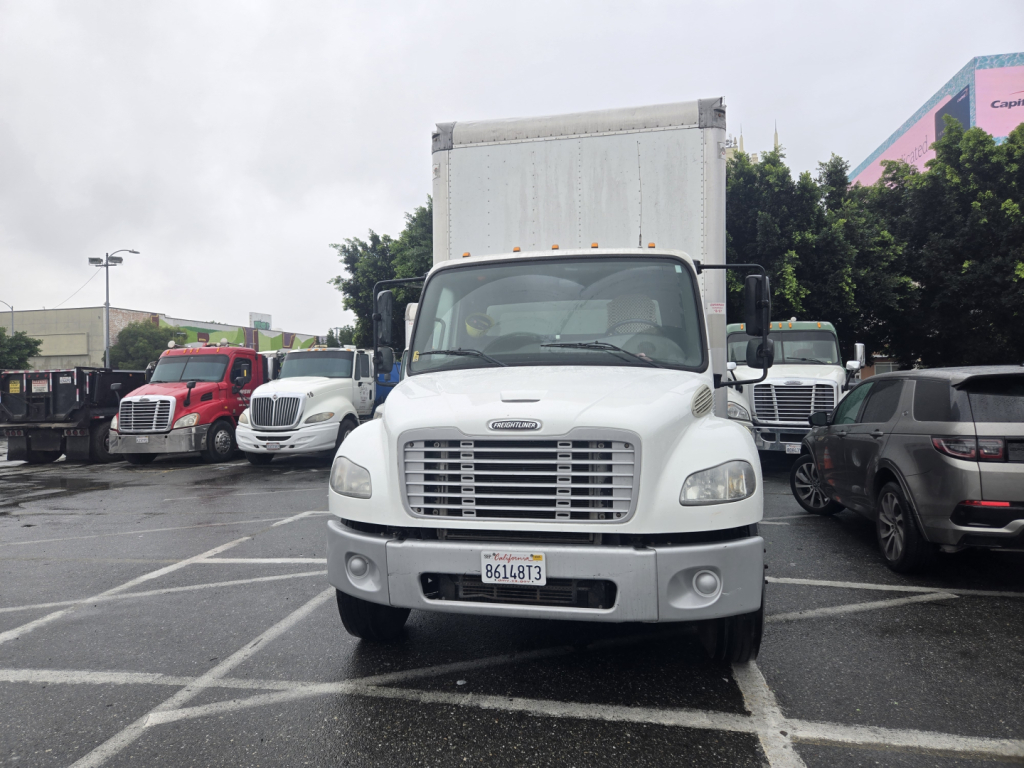
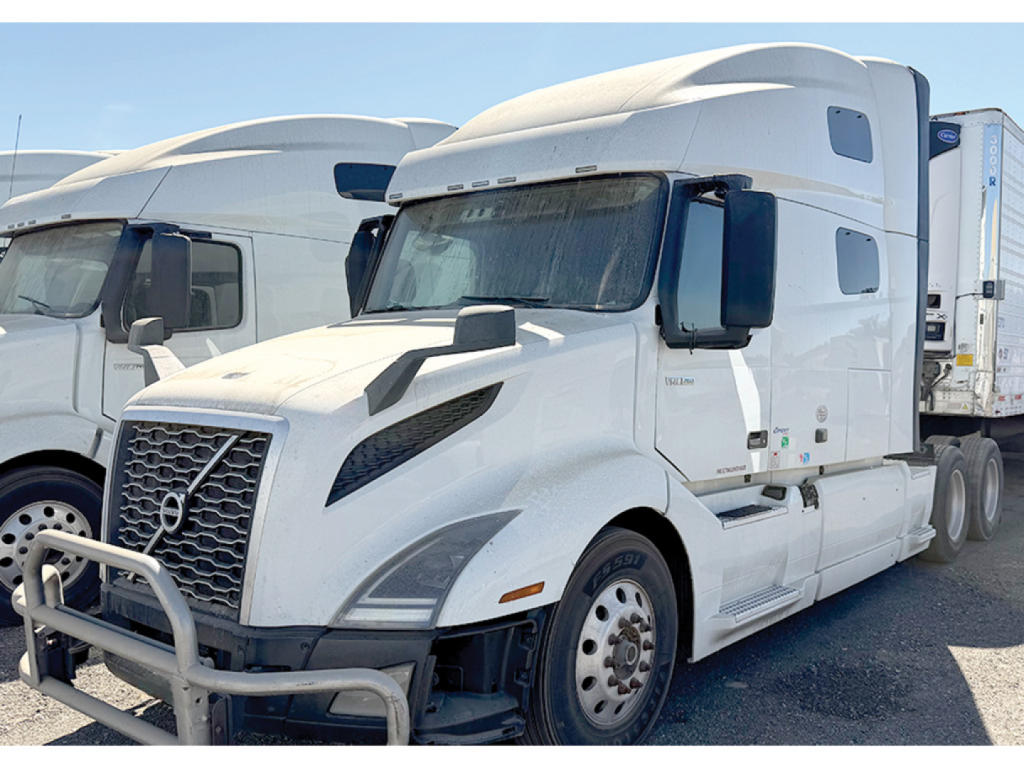

Have used 2019 commercial truck to sell? List it here to reach thousands of buyers.
Used 2019 Commercial Trucks in California
Powertrain specs matter more than model year alone. In 2019 trucks, common engines include class-leading diesel platforms in the 11- to 15-liter range, often paired with automated manual transmissions and 6x4 tandem rears. Buyers should compare horsepower, torque, rear axle ratio, and wheelbase against the work the truck will actually do. A lower numerical ratio can favor fuel economy on steady highway runs, while a deeper ratio may be better for heavier loads, grade changes, or more stop-and-go operation. In California, emissions compliance is especially important, so it is worth confirming engine family, aftertreatment condition, mileage, idle hours, and maintenance history on DPF, SCR, and EGR-related components.
Cab configuration drives total operating value. A 2019 conventional sleeper, also known as a sleeper tractor, is built for long-distance freight and usually brings a raised-roof cab, larger fuel capacity, storage, and driver amenities that support team or solo over-the-road use. A 2019 day cab, also called a non-sleeper tractor, is typically lighter, shorter in wheelbase, and better suited to drayage, regional runs, and drop-and-hook work where maneuverability matters. Buyers should also check suspension type, fifth wheel setup, brake configuration, tire size, and whether the truck has features like air slide fifth wheel, collision mitigation, adaptive cruise, lane departure warning, or an APU.
Condition is where the best buying decisions are made. On a used 2019 truck, focus on service records, ECM data, prior use, and signs of uneven wear in the driveline, suspension, brakes, and cab interior. California buyers often pay close attention to corrosion-free chassis condition, clean bodywork, and regulatory readiness for CARB-related operations. A well-spec'd 2019 truck can still deliver solid uptime, driver acceptance, and fuel performance if the spec matches the route and the maintenance story is clear.
Frequently Asked Questions about Used 2019 Commercial Trucks in California
What should I look for when buying a used 2019 truck in California?
Start with emissions compliance, maintenance history, and application fit. In California, buyers should verify the truck’s engine and aftertreatment system are suitable for current operating requirements, then review records for DPF cleaning, SCR performance, EGR work, and any fault code history. After that, compare horsepower, axle ratio, wheelbase, and cab style to the intended job so the truck is not over- or under-spec'd.
Is a 2019 sleeper truck or a 2019 day cab better for my operation?
A 2019 sleeper truck is usually the better choice for long-haul freight, team driving, and lanes that require overnight stays, because it provides bunk space, more storage, and often larger fuel capacity. A 2019 day cab is typically better for local delivery, drayage, regional routes, and terminal-based work where lower weight, shorter wheelbase, and easier maneuverability matter more than living space.
Are 2019 trucks old enough to have major emissions problems?
A 2019 truck is modern enough to offer refined emissions technology, but used condition matters more than age by itself. Problems usually come from poor maintenance, excessive idle time, repeated short-route operation, or deferred repairs rather than the model year alone. A proper inspection should include fault code scans, regen history, aftertreatment performance, and any recent emissions-system replacements or repairs.
What drivetrain specs are most important on a used 2019 truck?
The most important drivetrain specs are engine rating, torque, transmission type, rear axle ratio, suspension, and gross axle ratings. These determine how the truck will pull, cruise, maneuver, and consume fuel. For highway use, many buyers prefer aerodynamic specs with automated manuals and fuel-economy-oriented axle ratios, while heavier or more demanding duty cycles may call for higher horsepower and deeper gearing.
How many miles is too many on a used 2019 truck?
There is no single mileage limit that makes a 2019 truck a bad buy. A higher-mile truck with documented maintenance, clean ECM data, and strong inspection results can be a better purchase than a lower-mile truck with poor service history or long idle exposure. Buyers should look at miles, engine hours, idle percentage, repair records, and overall chassis condition together rather than relying on odometer reading alone.