
Used 2022 Commercial Trucks For Sale in California
Shop used 2022 trucks for sale in California, including sleeper, day cab, cab and chassis, and vocational truck options.
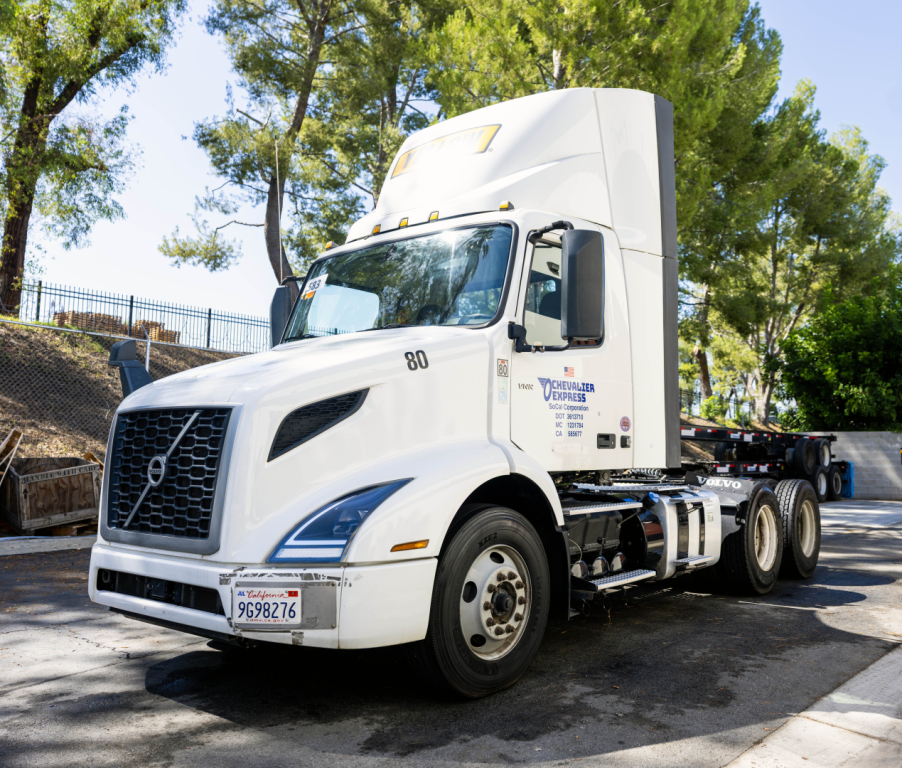

Selling a used 2022 commercial truck? List your used 2022 commercial truck for sale and reach thousands of commercial buyers.
Used 2022 Commercial Trucks in California
For over-the-road and regional work, 2022 sleeper and day cab tractors often show up with power ratings in the 400 to 505 HP range, 12-speed automated transmissions, 6x4 drivetrains, and 40,000 lb rear axles. Common engine platforms include Detroit, Cummins, and PACCAR offerings, depending on make. Buyers should pay close attention to rear axle ratio, wheelbase, sleeper size, and fuel capacity because those specs determine where the truck fits best. A raised-roof sleeper with a tall ratio geared for fuel economy is a different tool than a shorter wheelbase day cab built for port, drayage, or local transfer work. In California, that distinction matters even more because routes can range from long I-5 and I-10 freight lanes to dense metro, warehouse, and port operations around Los Angeles, Oakland, and the Inland Empire.
For cab and chassis and vocational applications, a used 2022 truck can be a practical starting point for a box body, flatbed, service body, dump setup, utility build, or refrigerated body. The key buying decision is usually not just engine or mileage, but body compatibility and remaining chassis capacity. Check GVWR, front and rear axle ratings, frame length, PTO provisions, suspension type, and brake configuration before planning an upfit. If the truck is diesel, verify emissions service history and look for documentation on DPF, SCR, and regen-related maintenance. If the truck is electric or alternative-fuel, battery range, charging speed, duty cycle, and local infrastructure become the first questions, especially for urban California routes where stop-and-go delivery can be a good fit.
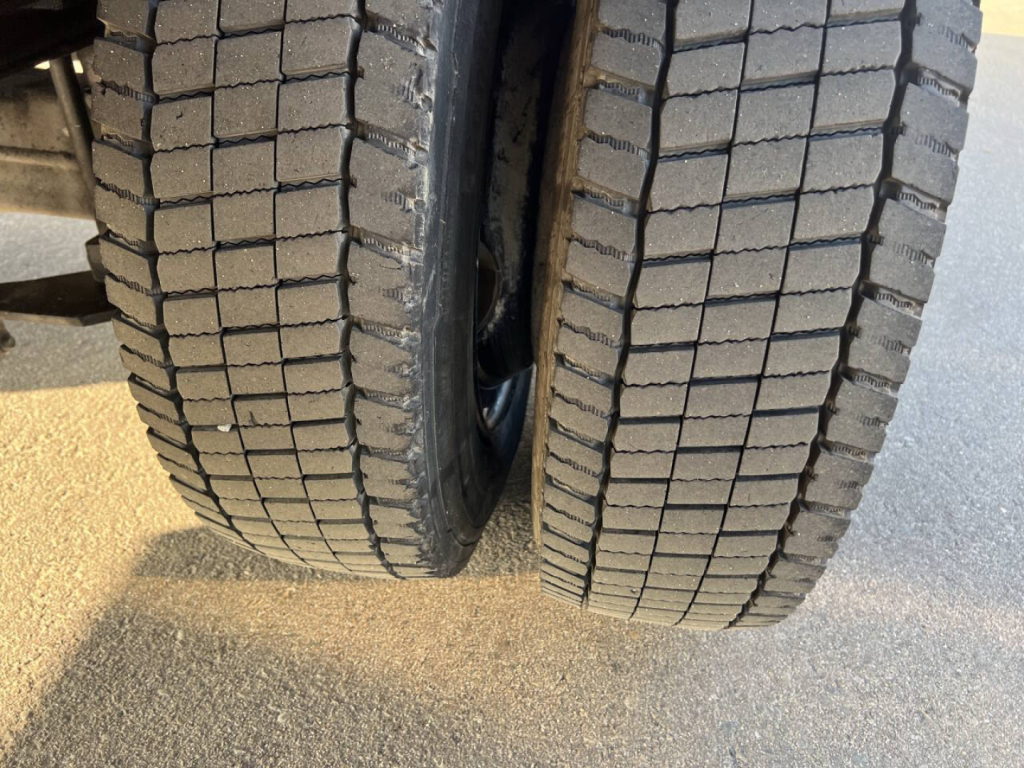
The smartest way to compare used 2022 trucks is to match the truck’s original job to your next job. A fleet-maintained sleeper with high highway miles may be a better buy than a lower-mileage unit with severe-duty idle time. California buyers should also review CARB compliance considerations, registration class, tire condition, brake wear, and signs of corrosion or frame damage from prior body installs or hard vocational use. Service records, fault-code scans, fifth-wheel wear, suspension condition, and aftertreatment history tell more than the odometer alone. When a 2022 truck is spec'd correctly for the lane, payload, and operating region, it can deliver a modern ownership experience with more predictable operating costs than an older platform.
Frequently Asked Questions about Used 2022 Commercial Trucks in California
What should I look for first when buying a used 2022 truck in California?
Start with the truck’s prior application, emissions compliance status, mileage and engine hours, and complete service history. In California, CARB-related requirements, aftertreatment condition, and registration considerations matter as much as make and model. For tractors, focus on horsepower, transmission, axle ratio, wheelbase, and sleeper or day cab configuration. For cab and chassis or vocational trucks, verify GVWR, frame dimensions, axle ratings, and PTO or body-mount compatibility before making a decision.
Is a used 2022 truck a good balance between price and technology?
Yes. A used 2022 truck often gives buyers access to newer safety systems, improved fuel economy, better cab ergonomics, and current powertrain designs without the cost of a new unit. Many 2022 trucks have automated manual transmissions, aerodynamic improvements, and integrated diagnostics that help with uptime and driver acceptance. That makes this model year attractive for fleets and owner-operators who want modern specs while keeping acquisition costs under tighter control.
How do I compare a 2022 sleeper tractor to a 2022 day cab?
The answer comes down to route length, payload, maneuverability, and driver requirements. A sleeper tractor is built for longer runs and often carries larger fuel capacity, a longer wheelbase, and more driver amenities. A day cab is usually lighter, shorter, and easier to maneuver in local or regional service, port work, and dedicated lane operations. If the truck will spend most of its time in California metro areas, distribution yards, or drayage service, a day cab may be the better fit. If it will run interstate freight with overnight trips, a sleeper usually makes more operational sense.
What are common powertrain specs on used 2022 highway trucks?
Many used 2022 highway tractors are equipped with engines in the 400 to 505 HP range, paired with 12-speed automated manual transmissions and 6x4 drivetrains. Rear axle ratings around 40,000 lbs are common on linehaul tractors, and axle ratios are often selected for fuel economy or regional pull power depending on the original fleet spec. Buyers should confirm the exact engine family, transmission model, rear ratio, and suspension type because those details directly affect performance, fuel burn, and resale value.
Why does service history matter more than mileage on a used 2022 truck?
Mileage only tells part of the story. Two trucks with similar odometer readings can have very different wear patterns depending on idle time, stop-and-go duty cycles, payload, terrain, and maintenance discipline. A highway tractor with consistent preventive maintenance may be a stronger buy than a lower-mileage truck that spent years in severe-duty vocational service. Oil analysis, fault-code scans, brake and tire wear, aftertreatment repairs, and documented maintenance intervals provide a clearer picture of the truck’s real condition.