
Used 2004 Commercial Trucks For Sale
Explore used 2004 trucks, day cabs, sleepers, box and reefer trucks. Key specs, tare weight, floor and thermal integrity, corrosion checks.
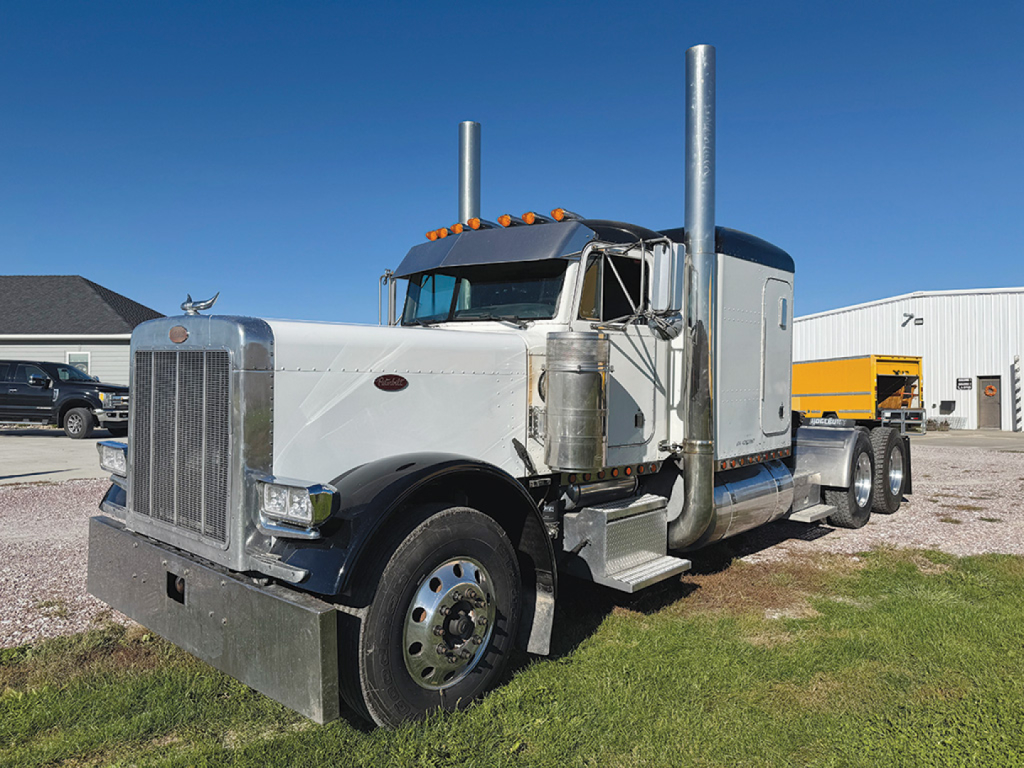
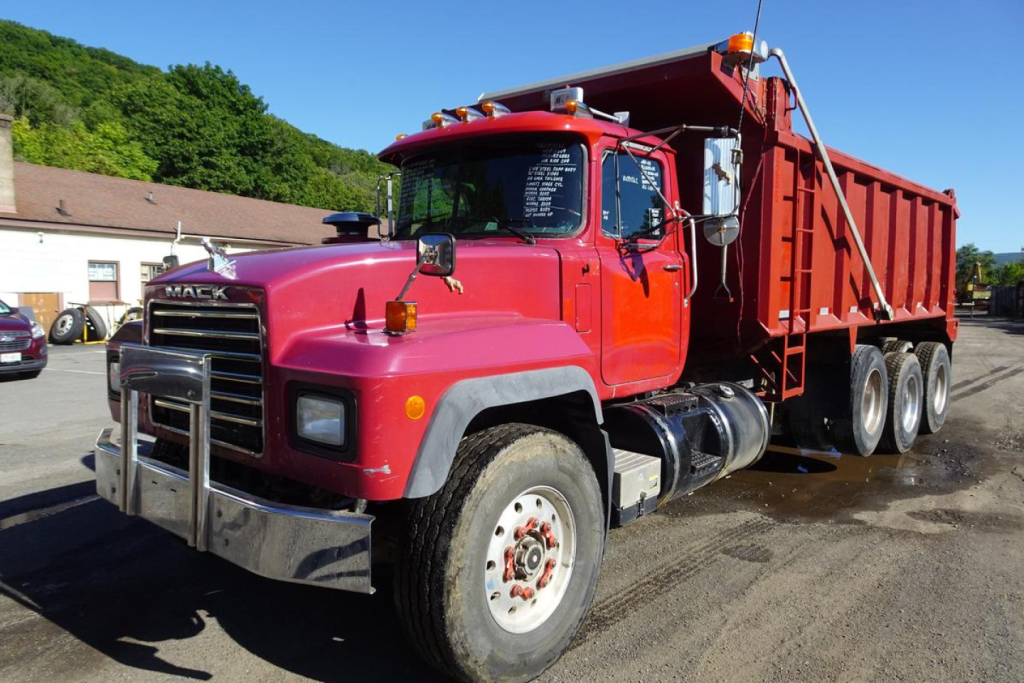
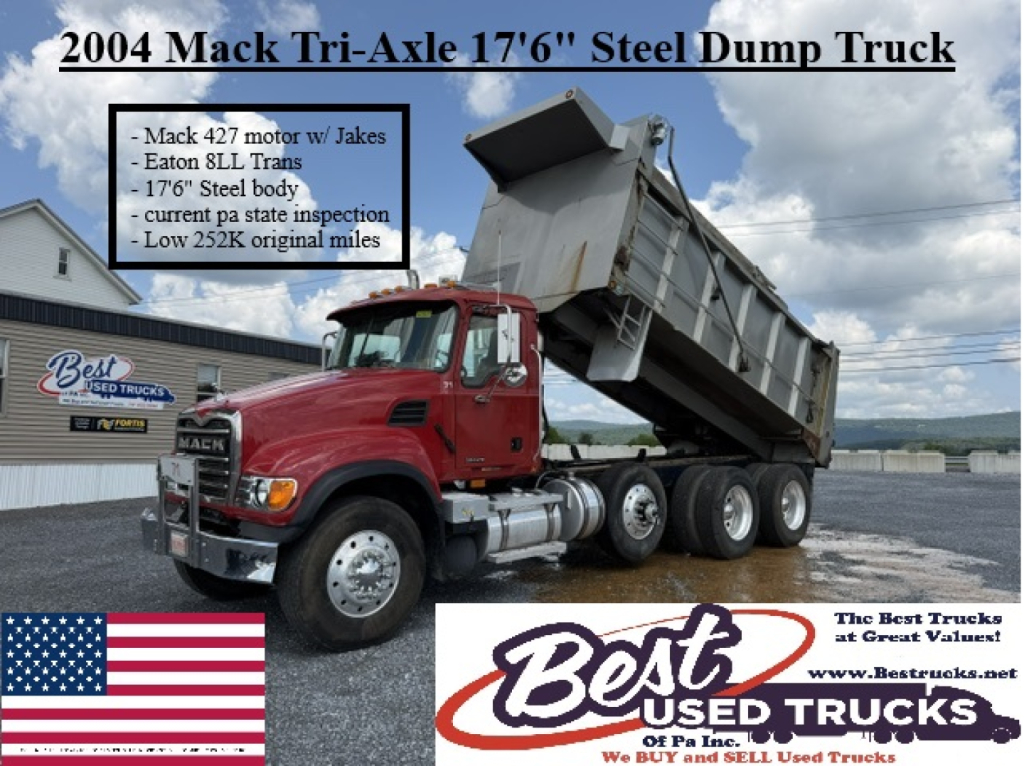
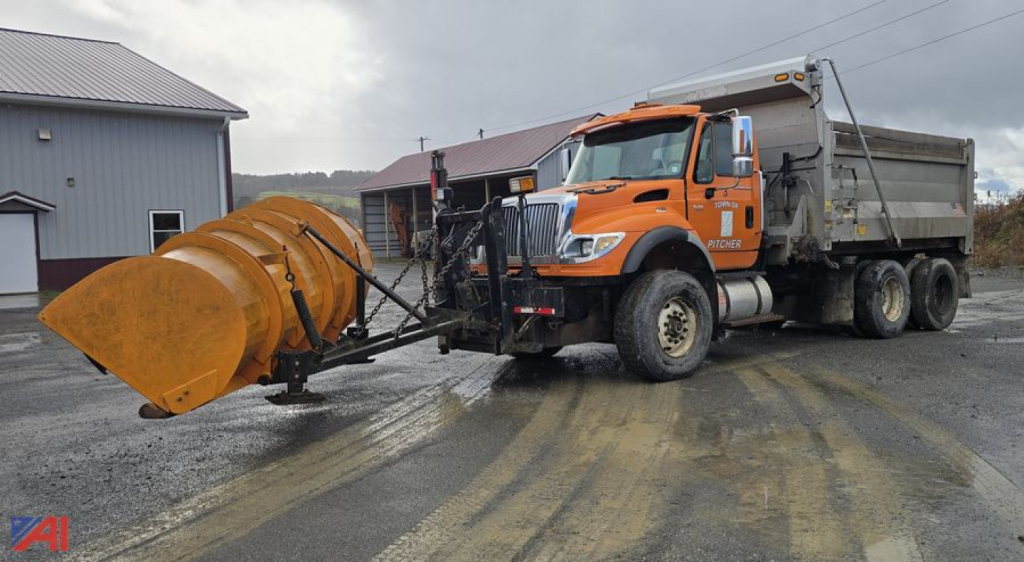

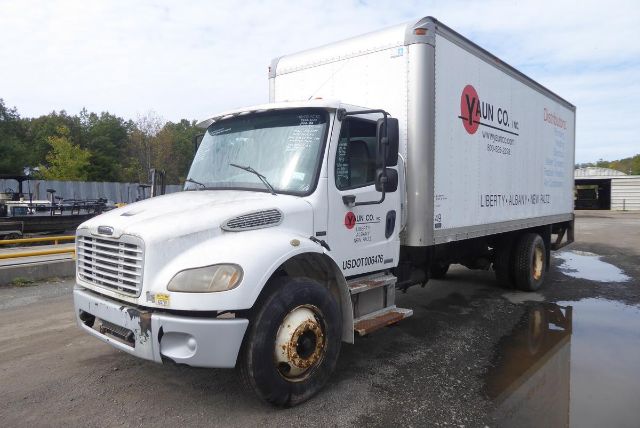
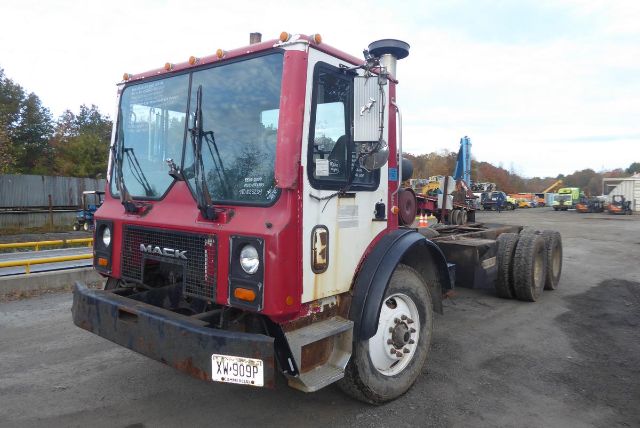
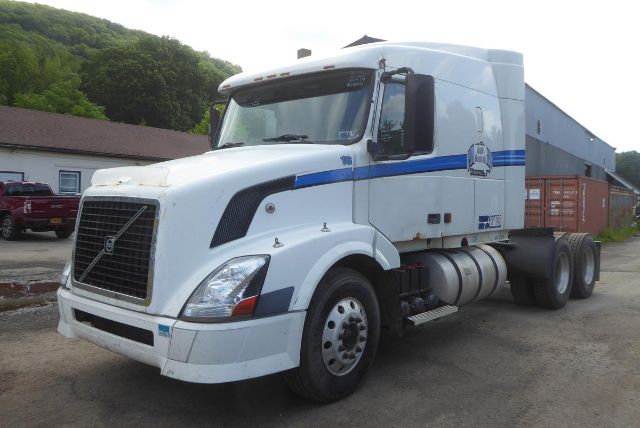
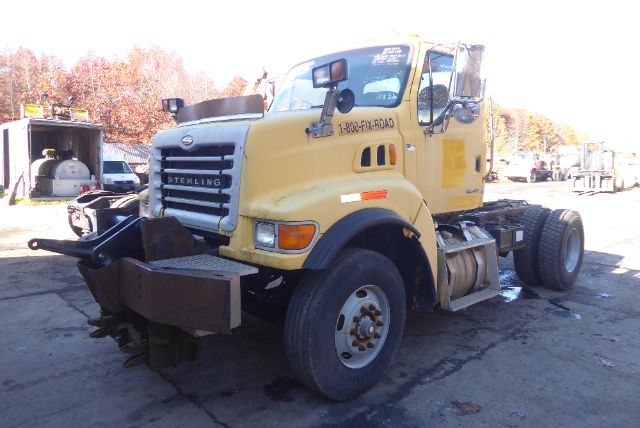
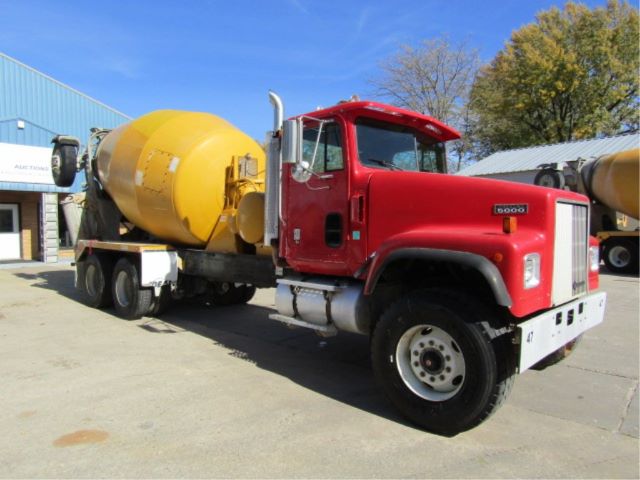
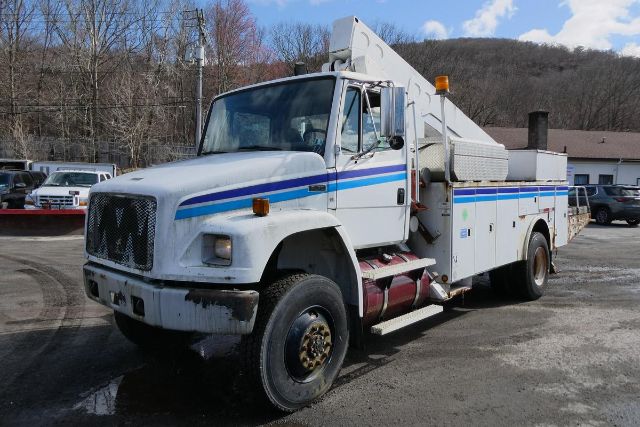

Selling a used 2004 commercial truck? List your used 2004 commercial truck for sale and reach thousands of commercial buyers.
Used 2004 Commercial Trucks
Tare weight varies widely with spec. Aluminum wheels, hubs and crossmembers can trim several hundred pounds, while steel components, dual 150 gallon tanks and heavy suspensions add up fast. A sliding fifth wheel with adequate travel helps balance steer and drive axle loads with different trailer kingpin settings; verify the rail condition and lock mechanism. On vocational chassis, pay attention to PTO provisions, double frame sections and body hardware, which add strength but increase empty weight. Brake systems are usually drum, so measure lining thickness, drum condition and air system drying performance to keep moisture and corrosion in check.
For box and reefer configurations from 2004, floor strength and thermal integrity make or break productivity. Look for floors with close crossmember spacing, 10 to 12 inch centers, hardwood or composite floors in the 1.25 to 1.5 inch range, and wear plates at the rear, all of which support forklift traffic without racking. Check fork pocket scars, deck screw pull-through and scuff liner damage to understand real load ratings, not just the placard. Thermal performance hinges on foam insulation that has not absorbed moisture, tight door seals, straight frames and intact drain paths; confirm pull-down times and hold temps on the reefer unit, and inspect the evaporator box, micro logs, and wiring for intermittent faults. In sleepers, verify HVAC output, bunk heater function and any APU or battery HVAC retrofit, since cab comfort depends on system efficiency rather than raw BTUs.
Corrosion resistance is a key differentiator at this age. Inspect inside frame rails, crossmembers, suspension hangers and torque rod brackets for scaling and pitting, and probe delamination on double frames. Aluminum cabs and steps resist rust but watch for galvanic corrosion at fasteners and cab seams; cab mount bushings and radiator support cradles often tell the truth about prior exposure to salt. Look closely at ground points, bulkhead connectors and relay panels for greened terminals that create ghost faults. The trade is clear, lower acquisition cost and simpler emissions systems, balanced against the need for a thorough undercarriage and body inspection, a cooling pack pressure test for the radiator and charge air cooler, and compression or overhead checks to baseline engine health.
Frequently Asked Questions about Used 2004 Commercial Trucks
Do 2004 trucks have DPF or require DEF fluid?
Most 2004 diesel trucks are EGR-only and do not use a diesel particulate filter or DEF, the 2007 standard introduced DPFs and 2010 added SCR with DEF. You still need to evaluate the EGR cooler, VGT turbo and intake soot load, since these components drive reliability and fuel economy on EGR-era engines.
How do I evaluate floor strength on a 2004 box or reefer truck?
Inspect crossmember spacing and condition, 10 to 12 inch centers typically support dock work better than wider spacing. Verify floor thickness and material, laminated hardwood or composite at roughly 1.25 to 1.5 inches, and look for rear wear plates, intact fasteners and undistorted forklift tire paths. Check for soft spots, screw pull-through and scuff liner damage to gauge real forklift rating, then compare to your pallet weights and handling equipment.
What proves thermal integrity on a 2004 reefer body?
Conduct a pull-down test from ambient to setpoint with the box empty, doors closed and vents sealed, and record time to temperature and cycle behavior. Inspect door seals, hinge alignment, roof and wall skins for delamination or patches, and look for moisture intrusion along rivet lines. Review reefer micro logs, alarm history, evaporator cleanliness and fan operation, since even a sound box will struggle if airflow or controls are compromised.
How much tare weight can I save with aluminum components on a 2004 tractor?
Switching from steel to aluminum wheels typically saves 300 to 400 pounds on a tractor-trailer set when combined with aluminum hubs. Additional savings come from aluminum deck plates, crossmembers and air tanks, often totaling 500 to 800 pounds depending on spec. Consider the trade against purchase price and duty cycle, and verify that corrosion at dissimilar-metal interfaces is managed with proper sleeves and coatings.
What are the key corrosion checkpoints on a 2004 chassis?
Focus on the inside faces of frame rails, crossmember attachments, fifth wheel rails, suspension hangers and torque rod brackets. Look for scaling, pitting and elongated bolt holes, then examine air tanks, brake chambers and lines for external rust and moisture history. In the cab, inspect grounds, bulkhead connectors and fuse blocks for verdigris and melted pins; electrical corrosion is common at this age and can mimic component failures.