
Used 2004 International Trucks For Sale
Browse used 2004 International trucks, from vocational chassis to highway tractors, with specs, engine insights, and buyer-focused guidance.
Selling a used 2004 international truck? List your used 2004 international truck for sale and reach thousands of commercial buyers.
Used 2004 International Trucks
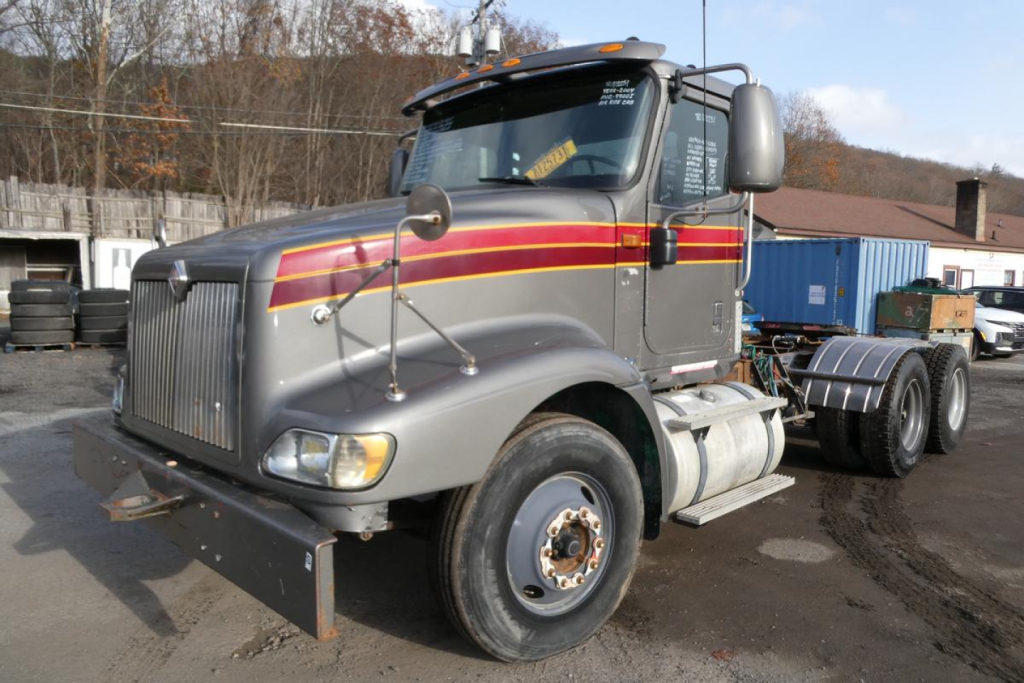
Engine and driveline choices matter more on these trucks than almost anything else. Depending on model and original spec, a 2004 International may have an International DT466, DT570, HT570, or larger heavy-duty diesel, and some highway tractors from that period were spec'd with Cummins or Caterpillar power. Transmission choices often include Fuller manual 9-speed, 10-speed, 13-speed, and various Allison automatics on vocational units. Rear axle ratings, suspension type, wheelbase, and PTO setup should be matched closely to the job. A buyer looking at a tandem dump or crane chassis will care about double frame construction, front axle capacity, locking rears, and hydraulic provisions, while a linehaul buyer will focus more on ratio, fuel capacity, sleeper size, and whether the truck has air ride suspension and a sliding fifth wheel.
Condition on a used 2004 International truck depends heavily on prior use. Medium-duty units that spent life in local delivery can show cab wear but still have strong drivetrains, while municipal and utility trucks may have low mileage with high idle hours and extensive PTO time. Frame rust, spring hanger condition, steering play, injector performance, turbo response, and cooling system health deserve close attention on trucks of this age. On vocational bodies, inspect the body installation as carefully as the chassis itself, including outriggers, hoists, subframes, hydraulic lines, and any aerial or auxiliary equipment. If the truck is a road tractor, pay attention to kingpin setting, fifth wheel wear, brake condition, suspension bushings, and tire wear patterns that may point to alignment or axle issues.
A 2004 International can still be a cost-effective truck when the spec matches the route, payload, and maintenance plan. Buyers operating in states or metro areas with tighter emissions rules should confirm registration compliance before narrowing in on a unit, especially for port, municipal, or non-attainment area work. Parts availability is generally strong across much of the International lineup, but cab trim, electrical repairs, and older emissions components can vary by model. The best buying approach is to start with the intended application, then compare axle configuration, GVWR or GCWR, engine family, transmission, brake setup, and service history. On this year range, a clean maintenance record and a correct original spec usually matter more than cosmetic appearance alone.
Frequently Asked Questions about Used 2004 International Trucks
What are the most common uses for a used 2004 International truck?
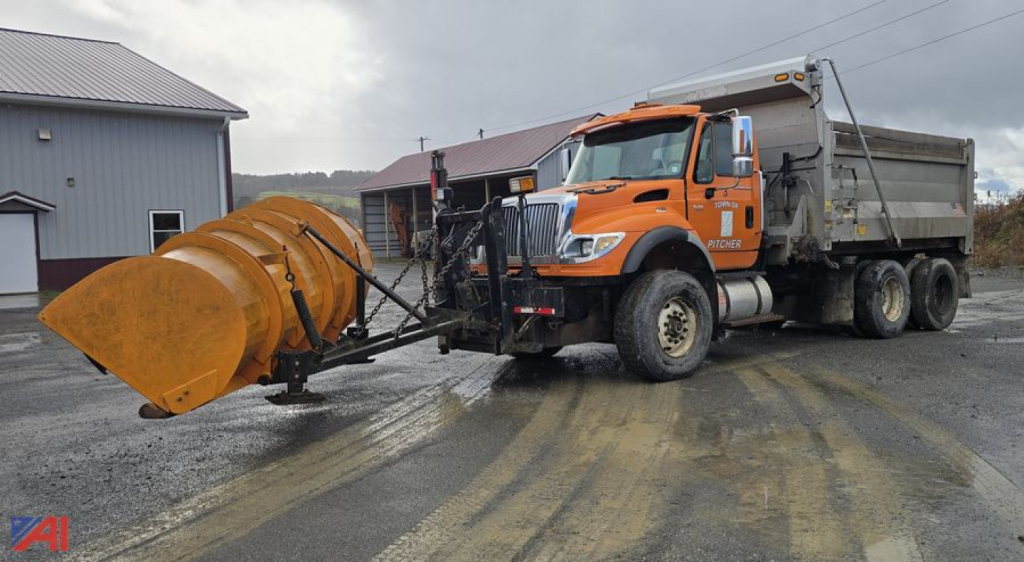
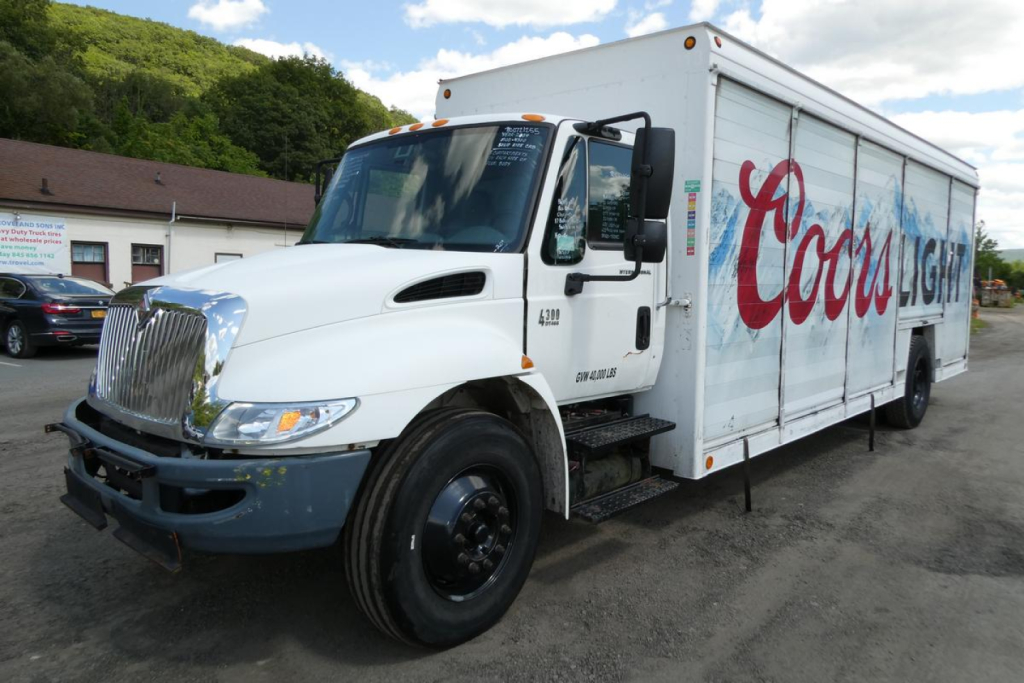
Used 2004 International trucks are commonly found in regional hauling, local delivery, construction, utility, municipal, and agricultural service. The medium-duty models are often used as box trucks, flatbeds, dumps, service trucks, and bucket trucks, while heavier models are frequently set up as day cabs or sleeper tractors for regional and highway work. The best use depends on axle rating, wheelbase, engine, transmission, and any vocational equipment mounted on the chassis.
Which engines are common in 2004 International trucks?
Common engines in 2004 International trucks include the DT466, DT570, HT570, and other International diesel platforms, with some heavy-duty tractors also equipped with Cummins or Caterpillar engines depending on original spec. Engine choice affects parts support, service familiarity, torque curve, and operating cost. Buyers should verify the exact engine family from the VIN tag or engine plate rather than assuming by model alone, since drivetrain specs could vary widely within the same truck series.
What should I inspect first on a used 2004 International truck?
Start with the frame, engine condition, transmission operation, axle ratings, brake system, and maintenance records. On older trucks, corrosion, oil or coolant leaks, excessive blow-by, steering looseness, suspension wear, and electrical problems are often more important than cosmetic appearance. If the truck is a vocational unit, inspect PTO operation, hydraulics, body mounting points, and any specialized equipment such as booms, outriggers, or hoists. A truck that is correctly spec'd and mechanically sound will usually be a better buy than a cleaner truck with the wrong setup.
Are 2004 International trucks good for vocational work?
Yes, many 2004 International trucks are well suited for vocational work because they were commonly ordered with practical chassis specs such as PTO capability, set-back or set-forward front axles, multiple wheelbase options, and heavy front and rear axle ratings. Models used in dump, utility, rollback, and municipal applications often have straightforward driveline layouts and strong parts support. The key is to confirm the frame, suspension, axle capacity, and transmission are appropriate for the body and duty cycle.
Do emissions rules matter when buying a used 2004 International truck?
Yes, emissions compliance can be a major factor depending on where the truck will be operated. Some states, ports, municipalities, and private fleets have restrictions on older diesel trucks, even if the truck is mechanically sound. Before buying, confirm local registration rules, jobsite requirements, and any fleet policy related to model year or engine emissions family. This is especially important for buyers planning to run in California, port environments, or urban non-attainment areas.