
Used 2004 Sterling Trucks For Sale
Browse used 2004 Sterling trucks including LT and Acterra models. Compare specs, engines, GVWR, body setups, and vocational applications.
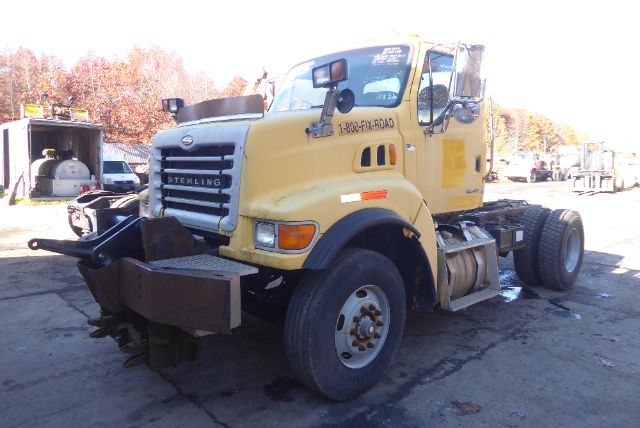

Have used 2004 sterling truck to sell? List it here to reach thousands of buyers.
Used 2004 Sterling Trucks
The first thing to verify is the truck's original job and whether the current spec still fits your operation. Many 2004 Sterling units were built for severe-service or municipal use, so buyers should look closely at frame condition, body mounts, hydraulic systems, PTO engagement, and signs of corrosion from water, debris, or seasonal road treatment. Engine and transmission combinations vary widely, with common diesel power from Caterpillar, Cummins, Mercedes-Benz, and other period-correct suppliers, paired with Eaton Fuller manuals or Allison automatics. Horsepower, rear ratio, suspension type, and axle configuration matter more than badge alone, especially if the truck will be repurposed from forestry, utility, sewer, or construction work.
On the spec side, pay attention to GVWR, front and rear axle ratings, tandem versus single axle layout, and wheelbase in relation to the body or equipment mounted behind the cab. Sterling trucks from this era were often ordered with air brakes, steel or aluminum wheel mixes, spring or air ride suspensions, and PTO-ready driveline setups for pumps, wet kits, or hydraulic tools. If you are shopping a used 2004 Sterling day cab or tractor, check fifth wheel style, cab-to-axle measurement, and frame length. If you are looking at a vocational truck, focus on pump hours, body condition, hydraulic leaks, boom or vacuum system operation, and how well the chassis has held up under stationary PTO work.
Condition matters more than age in this category. A 2004 Sterling with clear maintenance history, solid wiring, intact air system, and a properly matched powertrain can still be a productive truck in regional construction, municipal, utility, and specialty service work. Buyers should inspect cab mounts, steering components, spring pins, brake condition, engine blow-by, transmission shift quality, and any emissions or electrical modifications made over the years. Sterling is no longer a current production brand, but many chassis components, drivetrain parts, and service items remain familiar to fleets and independent shops, which helps keep these trucks relevant in the used market.
Frequently Asked Questions about Used 2004 Sterling Trucks
What should I look at first on a used 2004 Sterling truck?
Start with the chassis and the truck's vocational history. Check the frame rails for rust, cracks, repairs, and extra drilled holes from prior body changes. Then review engine hours, PTO hours if applicable, transmission operation, axle ratings, suspension condition, and brake wear. On vocational trucks, the mounted equipment can be as important as the chassis, so inspect hydraulics, pumps, booms, tanks, or dump gear just as closely as the engine and driveline.
What engines are common in 2004 Sterling trucks?
A used 2004 Sterling truck may have diesel power from Caterpillar, Cummins, Mercedes-Benz, or other engines commonly spec'd in that period, depending on the model and application. The exact engine matters because service support, parts cost, horsepower, torque curve, and emissions complexity can vary significantly. Buyers should confirm the engine family, horsepower rating, maintenance records, and whether the truck's current gearing and transmission still match the intended workload.
Are 2004 Sterling trucks good for vocational work?
Yes, many 2004 Sterling trucks were built specifically for vocational service such as dump, vacuum, grapple, boom, municipal utility, and other PTO-driven applications. Their value comes from usable frame layouts, multiple wheelbase choices, and drivetrain specs suited for body installations and hydraulic equipment. The key is making sure the truck was maintained for that duty cycle, because severe-service use can accelerate wear in suspension, steering, hydraulics, and cab structure.
Is parts and service support still a concern for Sterling trucks?
It can be, but it is usually manageable when the buyer understands what is Sterling-specific and what is shared with major component suppliers. Many used 2004 Sterling trucks rely on widely supported engines, transmissions, axles, brakes, and suspension components from established manufacturers. Body, trim, and certain cab-related parts may require more effort to source, so buyers should evaluate parts availability for the exact model, especially if the truck will be working daily in a revenue-producing operation.
How do I know if a used 2004 Sterling truck is properly spec'd for my job?
Match the truck's GVWR, axle ratings, wheelbase, cab-to-axle, engine horsepower, transmission, rear ratio, and PTO setup to the actual work you need it to perform. A truck built for municipal vacuum service may not be ideal for highway tractor use, and a day cab tractor may need major changes before it can handle a body installation. The best fit is a truck whose original application closely matches your current one, because that usually reduces repurposing cost and lowers the risk of driveline or frame mismatch.