
Used Commercial Trucks For Sale in South Carolina
Browse used trucks for sale in South Carolina, including vocational and on-road models with specs that fit hauling, service, municipal, and fleet work.
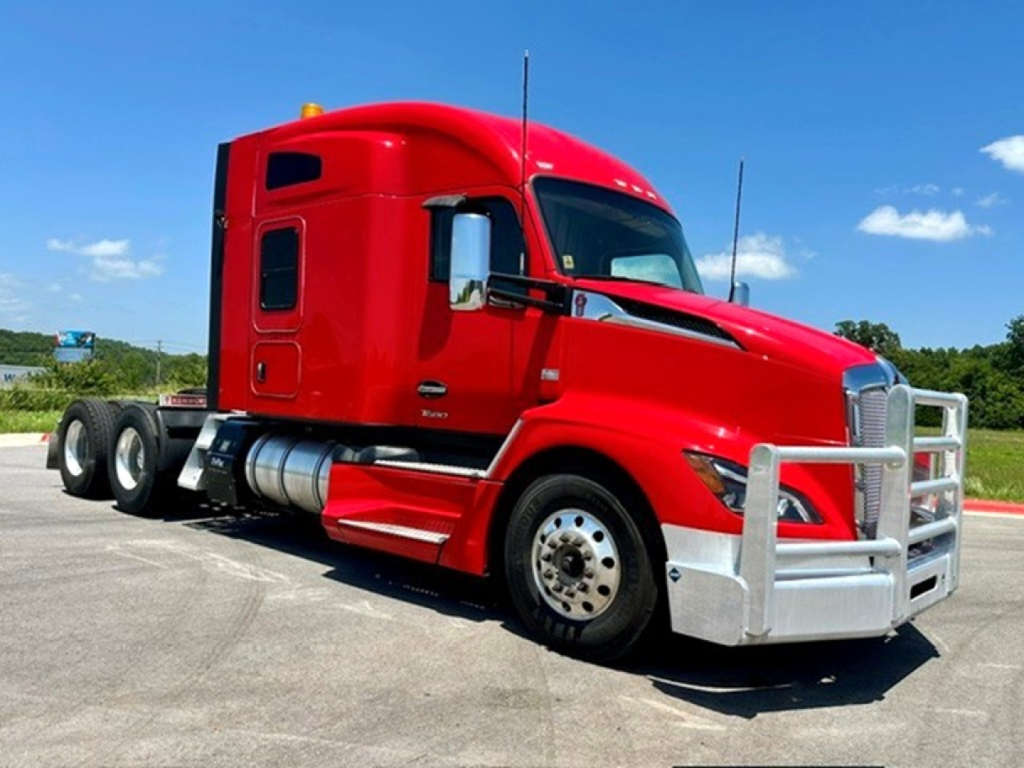
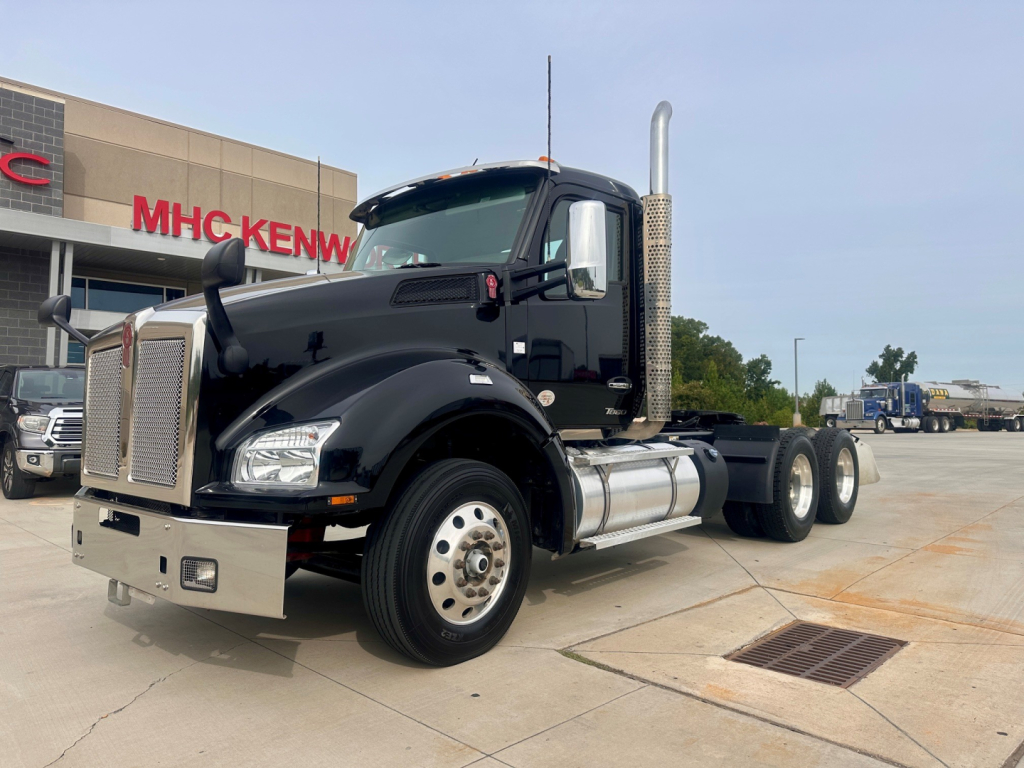
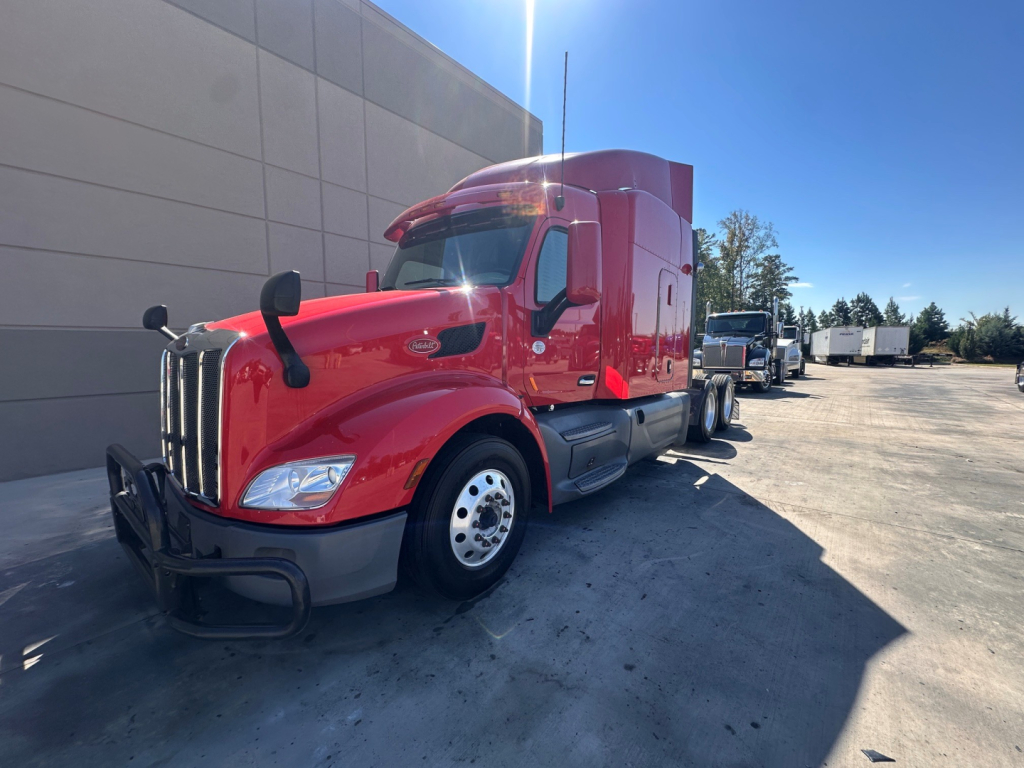
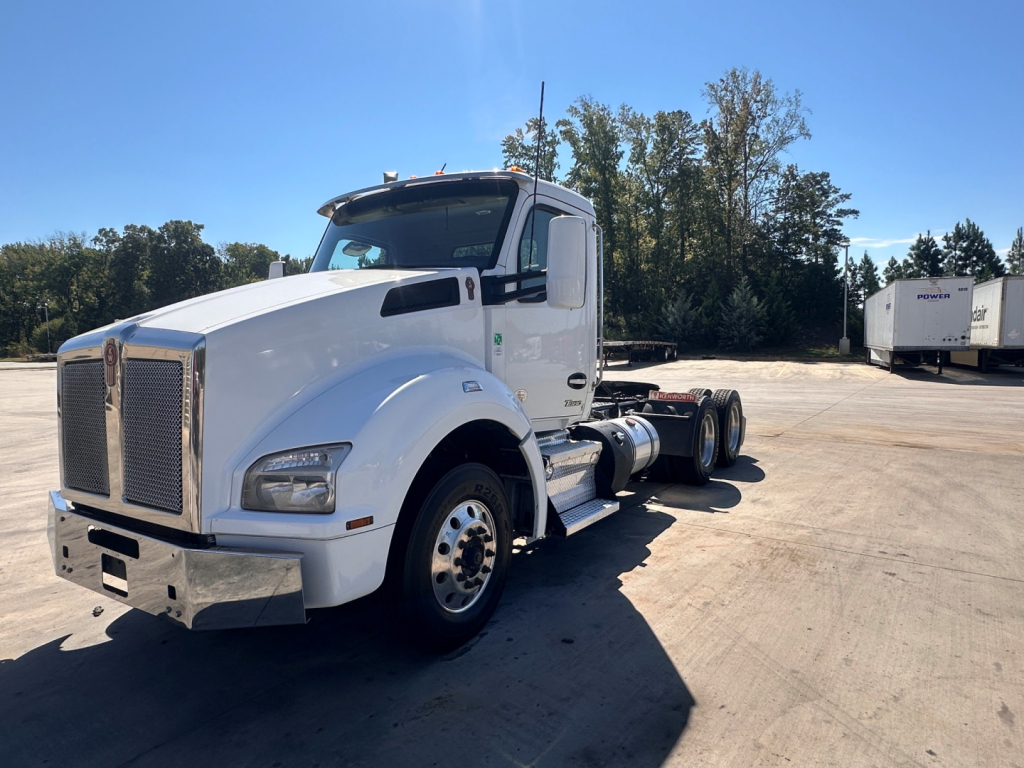
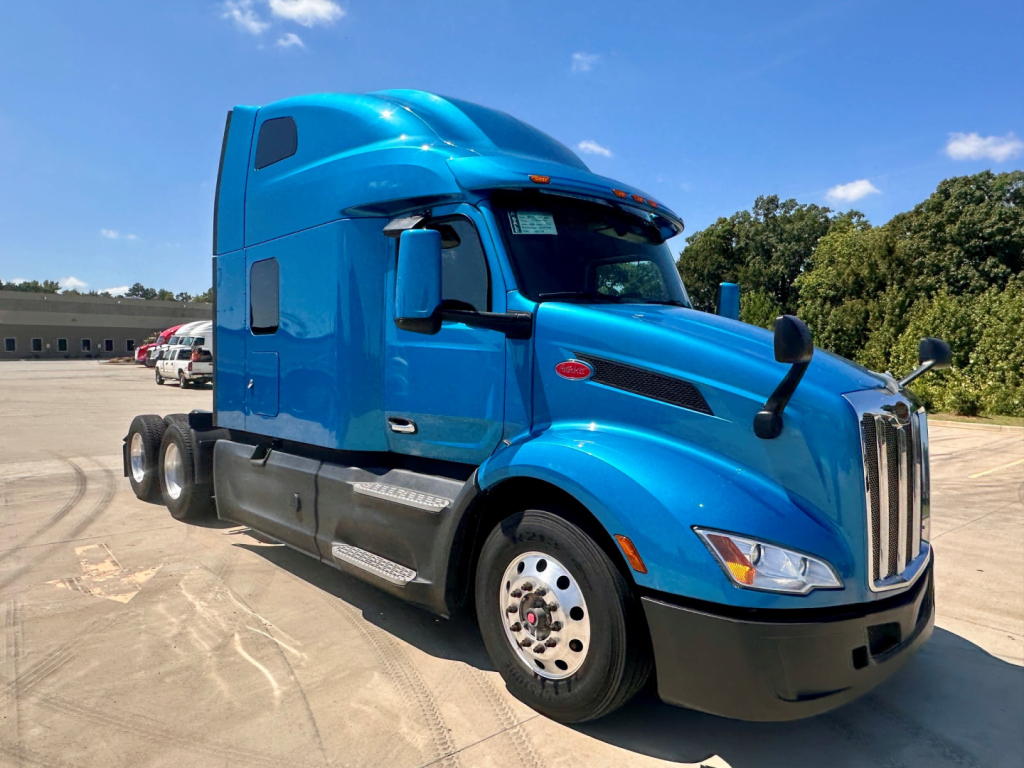
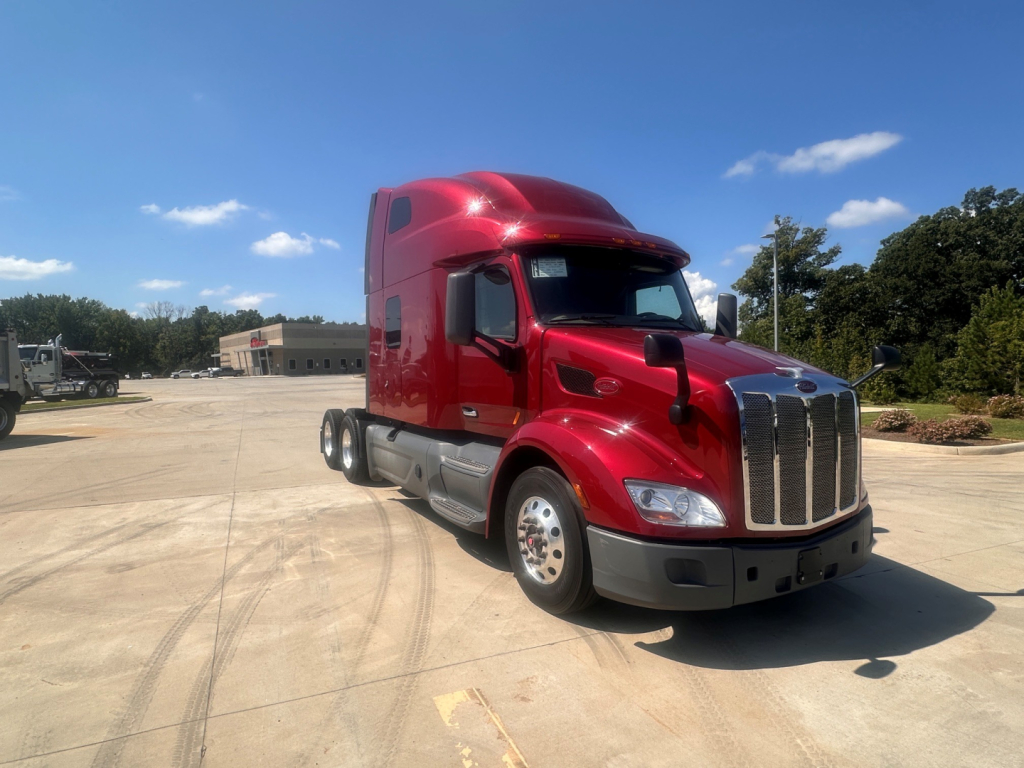
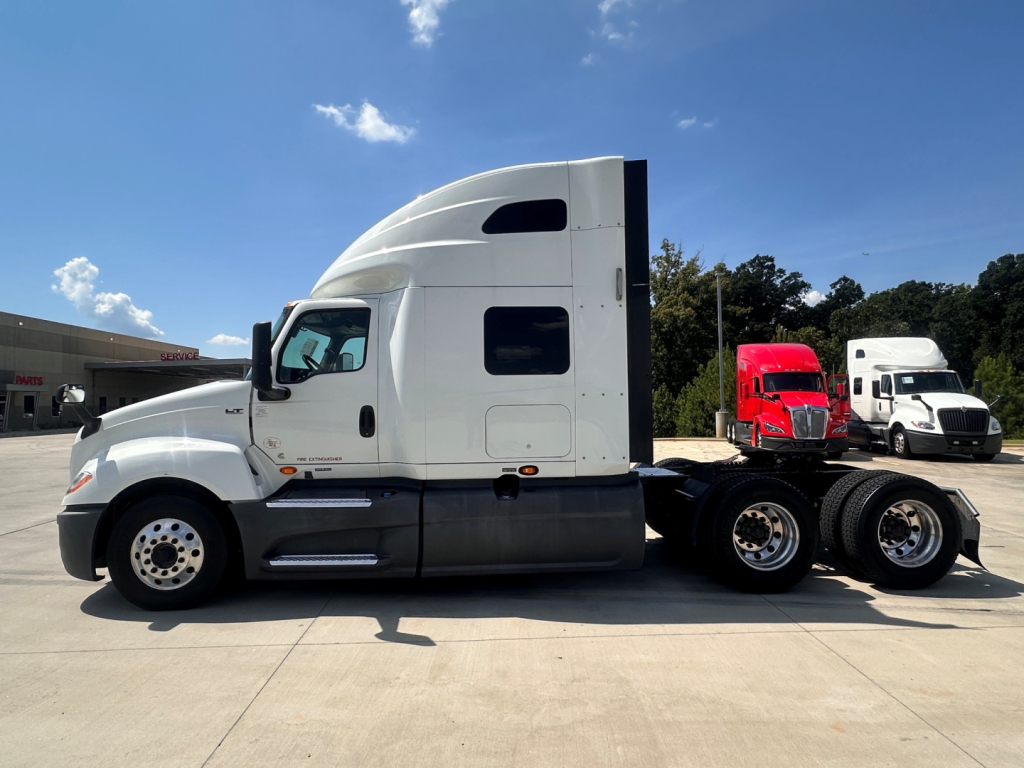
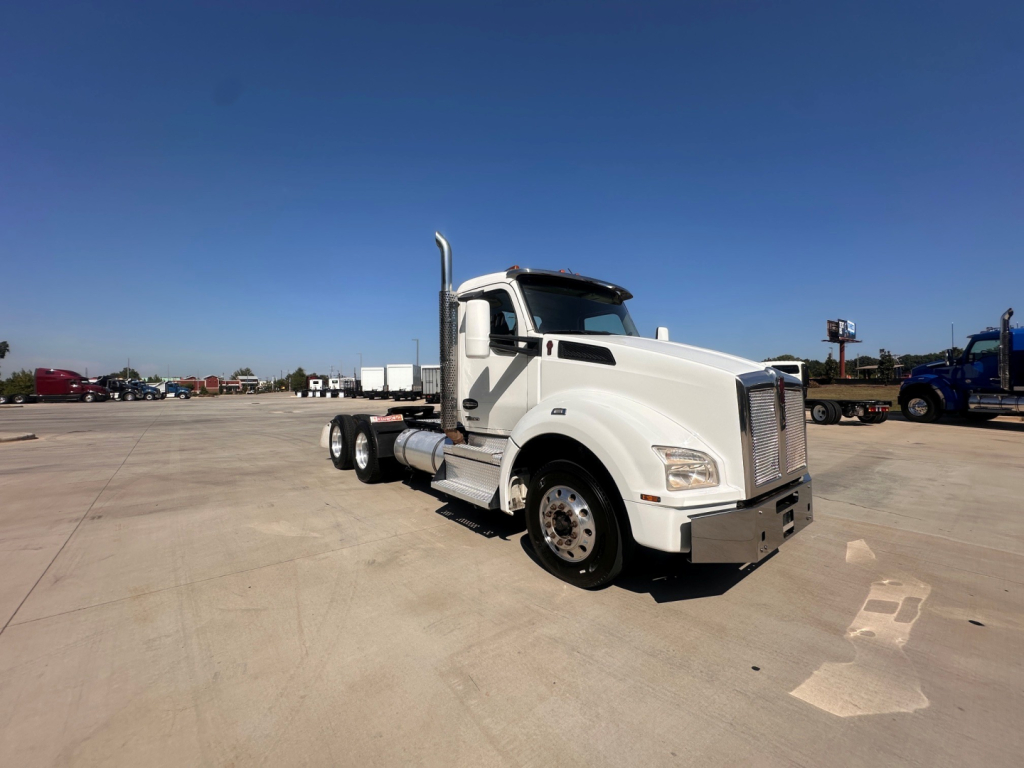


Selling a used commercial truck? List your used commercial truck for sale and reach thousands of commercial buyers.
Used Commercial Trucks in South Carolina
South Carolina buyers often shop with regional operating conditions in mind. Coastal humidity can accelerate corrosion on frames, electrical connections, hydraulic lines, beds, and underbody components, so rust, pitting, and prior repairs deserve a close inspection. In municipal, utility, and contractor fleets, used trucks may show lower miles but high idle hours, PTO use, or stop-and-go duty cycles. That is especially relevant on vacuum trucks, dump trucks, and rollback carriers where hydraulics, pumps, hoists, wheel lifts, and auxiliary systems can tell more of the story than the odometer alone. Service records, engine hours, transmission behavior, brake condition, suspension wear, and tire date codes are all worth reviewing before purchase.
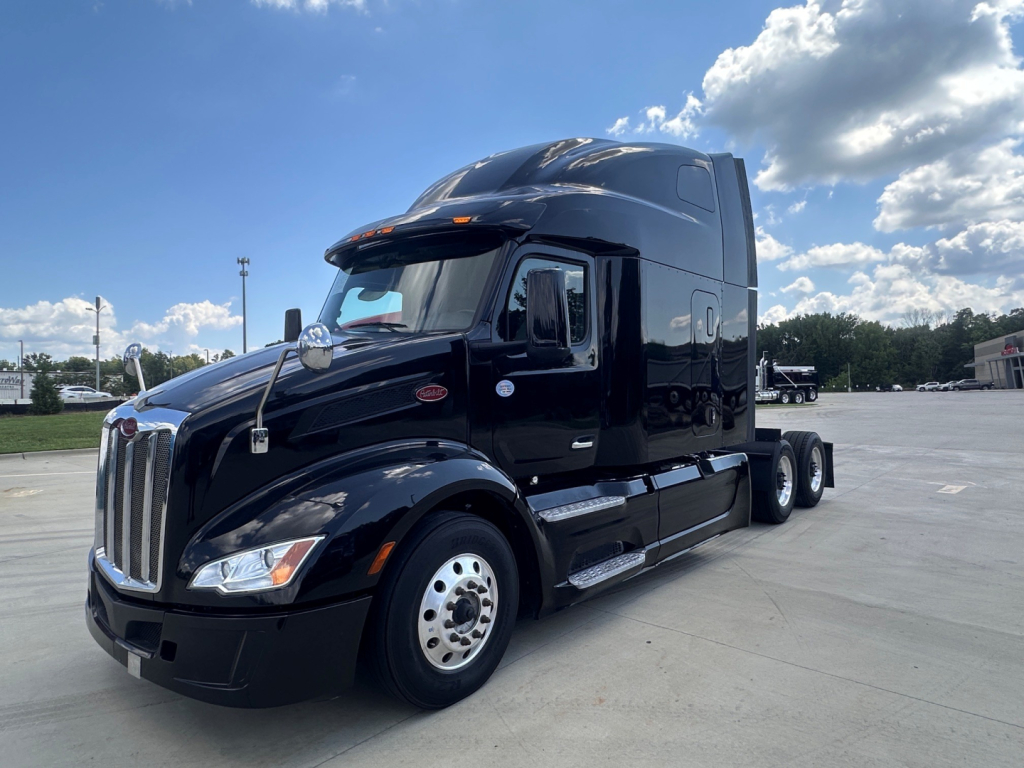
Specs vary widely by truck class. Medium-duty trucks such as Ford F-550 or International DuraStar models are common choices for local hauling, towing, landscaping, and equipment transport, often paired with automatic transmissions, hydraulic brakes or air brakes, and GVWRs that may or may not require a CDL depending on configuration. Heavy-duty trucks such as Peterbilt conventionals or tandem-axle vocational units are more likely to bring diesel engines in the 10 to 15 liter range, full air brakes, higher-capacity suspensions, and setup flexibility for dumps, tanks, or future body installation. Buyers comparing used trucks should pay attention to wheelbase, frame height, axle spacing, front axle capacity, rear ratio, and PTO provisions if the plan is to mount a body or run auxiliary equipment.
A good used truck match comes down to operating cost as much as purchase price. Emissions system condition, parts availability, local service support, and the truck’s previous application all affect long-term value. A former fleet-maintained chassis can be a strong buy if inspections confirm sound driveline, electrical, and hydraulic condition. For South Carolina work, it also helps to verify title status, DOT inspection readiness, lighting, and any body-specific equipment such as hoists, winches, tool compartments, or tank systems. The strongest listings in this category usually make it easy to evaluate miles, hours, engine and transmission combination, axle setup, and the condition of the components that actually do the work.
Frequently Asked Questions about Used Commercial Trucks in South Carolina
What should I look for first when buying a used truck in South Carolina?
Start with the truck’s intended job and confirm the chassis matches it. GVWR, axle ratings, wheelbase, body type, brake system, and PTO capability should fit the work before you compare cosmetic condition. In South Carolina, buyers should also inspect for corrosion from humidity and coastal exposure, especially on frames, crossmembers, hydraulic components, electrical connectors, and bed or body mounts. Maintenance records, idle hours, and evidence of prior fleet service are often more important than mileage alone.
Are miles or engine hours more important on a used vocational truck?
On many vocational trucks, engine hours can be just as important as miles and sometimes more important. Dump trucks, vacuum trucks, rollbacks, and municipal units may spend long periods idling or operating PTO-driven equipment, which adds wear without adding road miles. A truck with moderate mileage but high idle or PTO hours may have more wear on the engine, transmission, hydraulics, and cooling system than the odometer suggests. The best evaluation looks at both miles and hours together along with service history.
How do I know if a used truck requires a CDL?
CDL requirements depend on the truck’s gross vehicle weight rating, actual configuration, and how it will be operated. Many medium-duty trucks can fall below CDL thresholds, but once GVWR exceeds 26,000 pounds or the truck is equipped for certain commercial uses, CDL rules may apply. Air brakes, body upfits, and towing capacity can also affect licensing and compliance considerations. Buyers should verify the door sticker, registration class, and intended operating weight rather than assume a truck is non-CDL based only on appearance.
What matters most when buying a used cab and chassis truck?
Frame dimensions and upfit readiness are critical on a cab and chassis. Buyers should confirm wheelbase, cab-to-axle measurement, frame rail condition, rear axle ratio, suspension type, and whether the truck has PTO openings or existing hydraulic provisions. Those details determine what body can be installed and how well the finished truck will balance weight and operate in the field. It is also smart to check for previous frame modifications, added holes, rust around mounts, and electrical compatibility for the planned body or equipment package.
Why are service records so important on used trucks?
Service records help verify how the truck was maintained and can reveal patterns that are not obvious during a walk-around. Regular fluid changes, brake work, suspension repairs, emissions maintenance, and documented inspections reduce the guesswork on higher-mileage or specialized trucks. Records are especially valuable on former government, utility, or contractor trucks that may have been maintained on schedule but used in severe duty. A clean maintenance file can support value, while missing history means the buyer should inspect more aggressively and budget for deferred repairs.