
Used International Trucks For Sale in South Carolina
Browse used International trucks in South Carolina, including DuraStar and 7000 series models built for municipal, vocational, and fleet work.
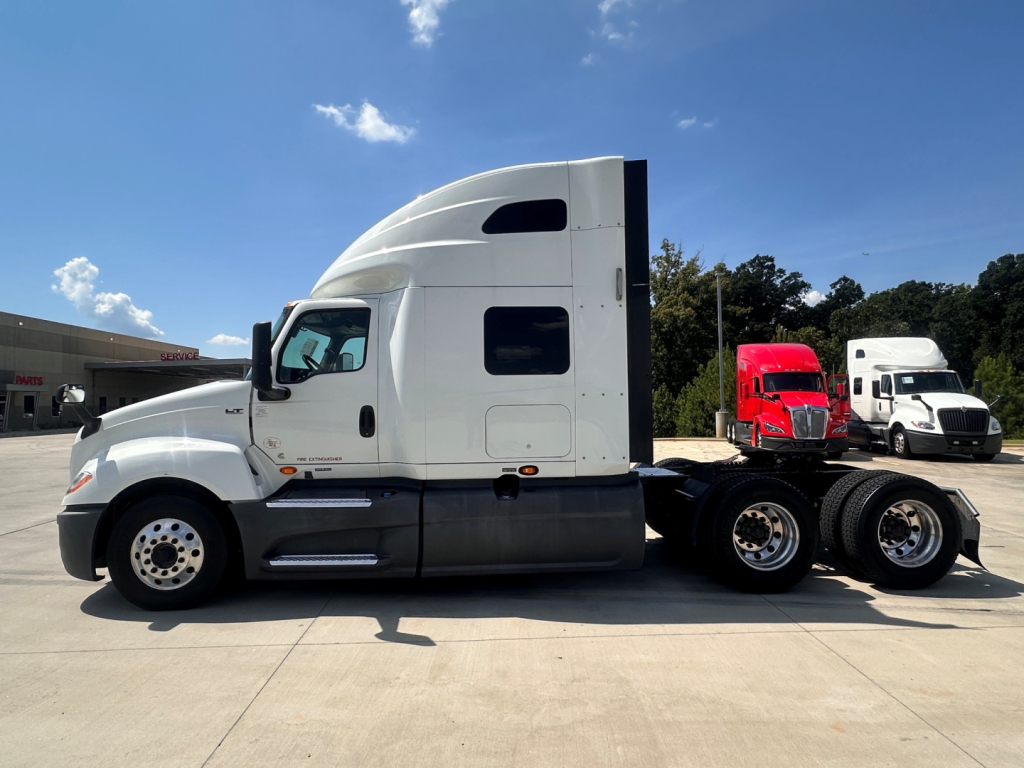

Selling a used international truck? List your used international truck for sale and reach thousands of commercial buyers.
Used International Trucks in South Carolina
A smart buying decision starts with matching the chassis class to the job. DuraStar models are common in Class 6 and Class 7 applications where maneuverability, PTO capability, and body-builder flexibility matter. Heavier 7000 series trucks are more typical for severe-duty work, larger hydraulic systems, and higher front axle loading. Key specs to verify on any used International truck include GVWR, front and rear axle ratings, wheelbase, brake type, suspension, PTO setup, tire size, and whether the truck is CDL or non-CDL as equipped. On body-specific trucks, the body condition can matter as much as the chassis. A rollback bed, sweeper package, boom, or vacuum system can add value or create major repair exposure depending on hours, maintenance history, and hydraulic condition.
Engine and emissions details deserve close attention, especially on used International work trucks from the late-2000s through mid-2010s. Buyers should confirm the exact engine family, emissions system configuration, and service records for items like EGR, DPF, sensors, turbo components, and aftertreatment cleaning or replacement. Many fleet-operated International trucks have accumulated high idle time or PTO hours that do not show up in the odometer, so engine hours and PTO hours should be reviewed alongside mileage. On utility and municipal trucks, corrosion around outriggers, frame-mounted equipment, crossmembers, and electrical harnesses can tell you as much as the paint. In coastal South Carolina and humid environments, rust is usually less severe than in northern salt-belt states, but water intrusion, body corrosion, and hydraulic wear still need inspection.
International trucks remain popular on the used market because they are easy to place into vocational service, especially for buyers who need a purpose-built truck rather than a highway tractor. The best listings tend to be the ones with complete body information, documented fleet maintenance, and clear details on axle capacity, transmission operation, and equipment functionality. If the truck carries a specialty body, verify that all work systems operate under load, not just at idle. A used International truck can be a strong value when the chassis, engine, and vocational equipment are all aligned with the work you need it to do.
Frequently Asked Questions about Used International Trucks in South Carolina
What are the most common used International truck models buyers see in vocational applications?
The most common used International vocational trucks include the DuraStar 4300 and heavier 7000 series models such as the 7300 and 7400. The DuraStar is widely used for medium-duty applications like rollback bodies, small flatbeds, service trucks, and municipal equipment. The 7000 series is more common in severe-duty roles that require stronger front axles, heavier frames, larger hydraulic packages, or specialty upfits such as vacuum systems and utility bodies.
What should I check first on a used International truck with a specialty body?
Start with the body and hydraulic system, then confirm the chassis can still support the intended work. On a rollback, inspect the bed structure, winch, cylinders, and wheel lift. On a digger derrick or bucket-style unit, review boom inspections, PTO hours, pump condition, and dielectric or annual certification records if applicable. On sweepers and vacuum trucks, check auxiliary engine hours, blower or broom condition, tank integrity, and operating functions under load. A truck can run well and still need expensive body repairs, so body performance is often the first value driver.
Are used International trucks in South Carolina a good fit for municipal and utility work?
Yes. International trucks are common in municipal, utility, and contractor fleets because the chassis are available in many wheelbases and axle configurations, and they are well suited for PTO-driven equipment. In South Carolina, used units often come from local government, utility, and service fleets, which means buyers may find purpose-built trucks with regular maintenance records. The main caution is to inspect the truck for idle hours, PTO wear, electrical accessory condition, and any corrosion or moisture-related damage that can affect body systems.
How important are engine hours and PTO hours on a used International truck?
They are critical, especially on vocational trucks that spend long periods idling or operating equipment while stationary. A truck with moderate mileage can still have significant engine wear if it has accumulated high idle time or thousands of PTO hours. Auxiliary systems such as booms, pumps, sweepers, and vacuum packages also age by hours, not miles. Buyers should compare odometer reading, engine hour meter, PTO hour meter, and service history together to get a realistic picture of remaining life and maintenance needs.
What drivetrain and chassis specs matter most when comparing used International trucks?
GVWR, axle ratings, wheelbase, suspension type, brake system, transmission model, and PTO compatibility are the main chassis specs to compare. The right combination depends on the body and intended payload. A non-CDL rollback may prioritize lower GVWR and maneuverability, while a utility or vacuum truck may need heavier front axle capacity, a robust PTO provision, and severe-duty suspension. Buyers should also verify tire size, frame condition, and whether the truck's current setup matches local registration and licensing requirements.