
Used Refrigerated Trucks For Sale
Browse used refrigerated trucks with insulated bodies, reefer units, liftgates, and delivery-ready specs for cold chain service.
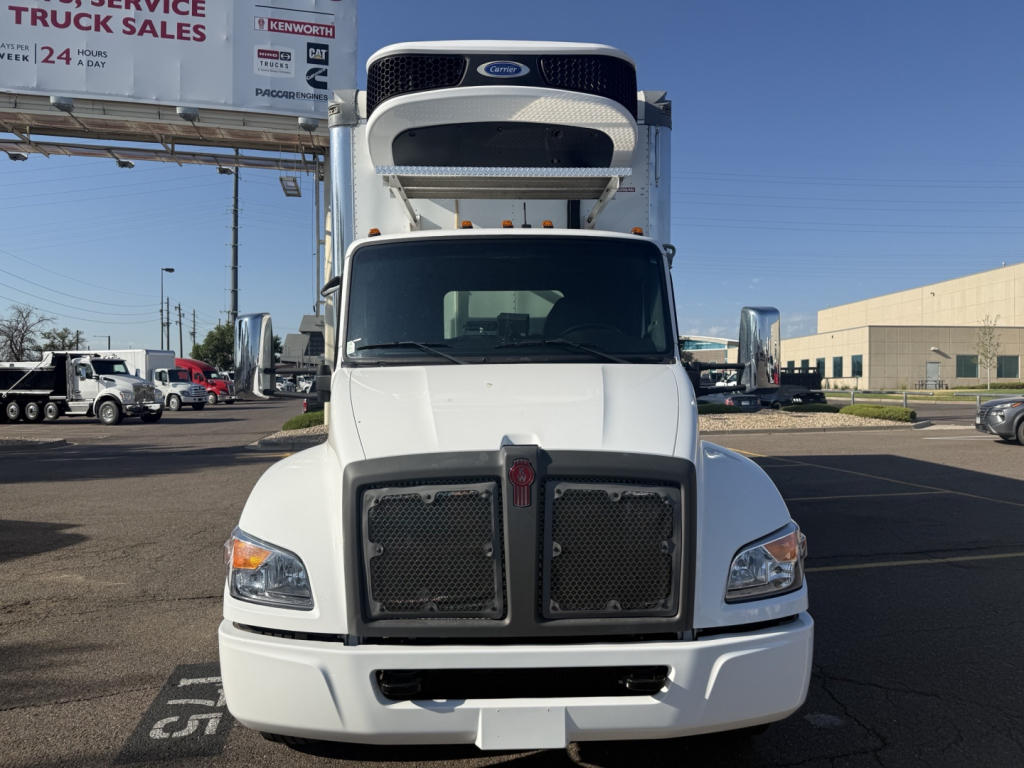
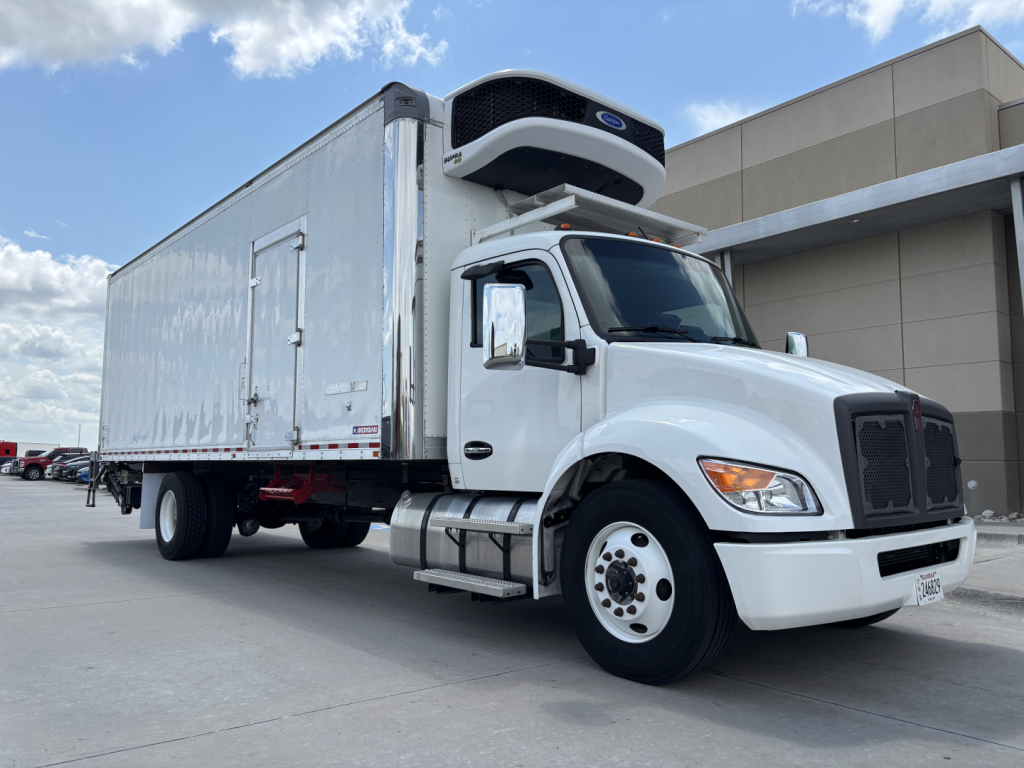
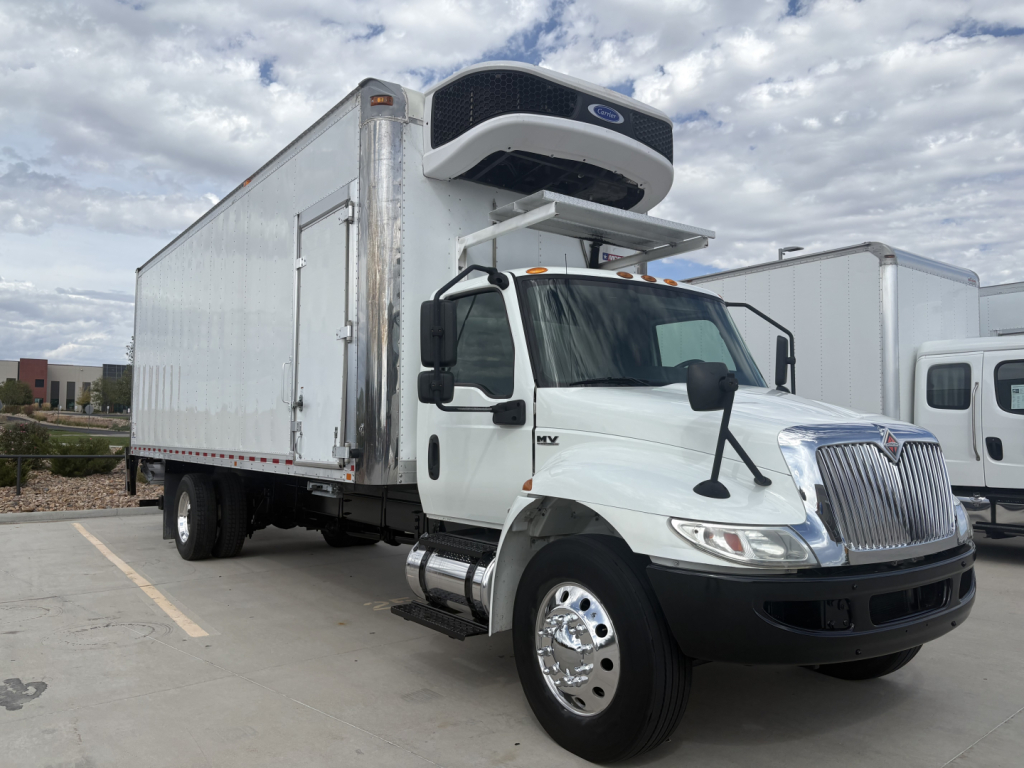
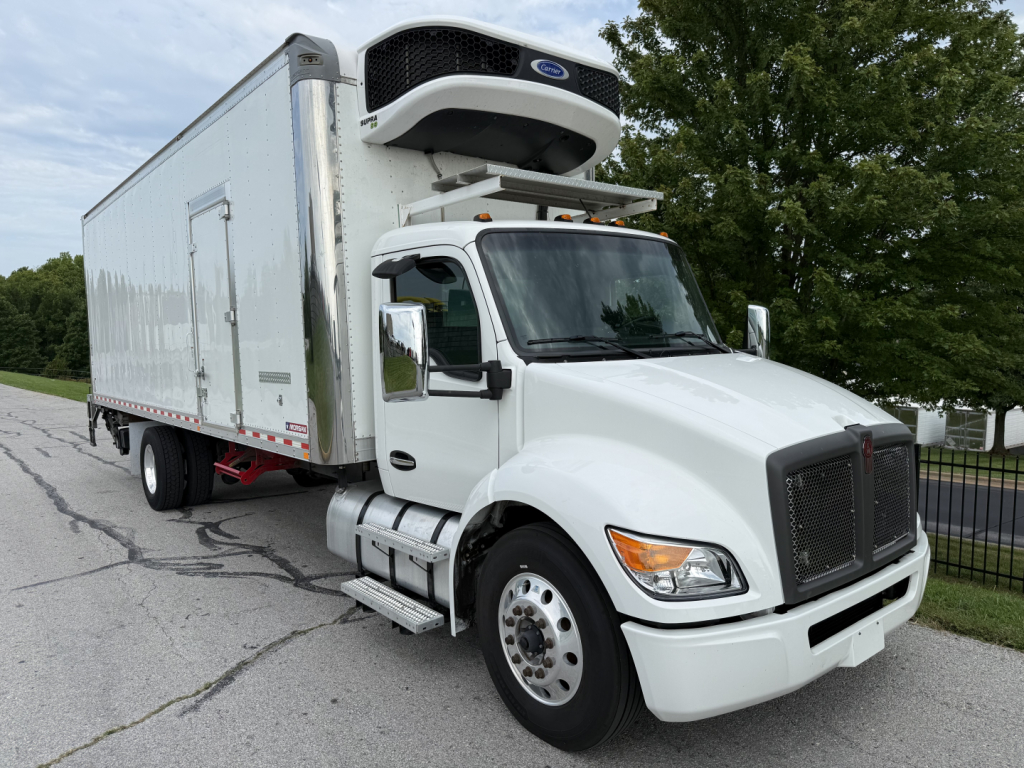
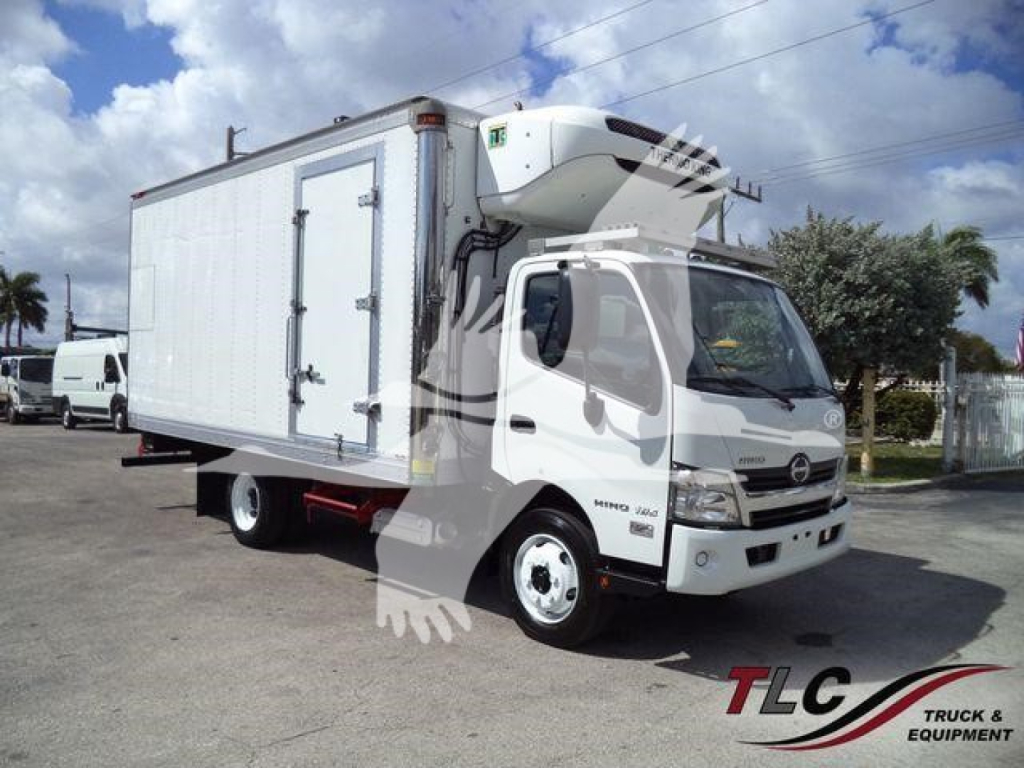
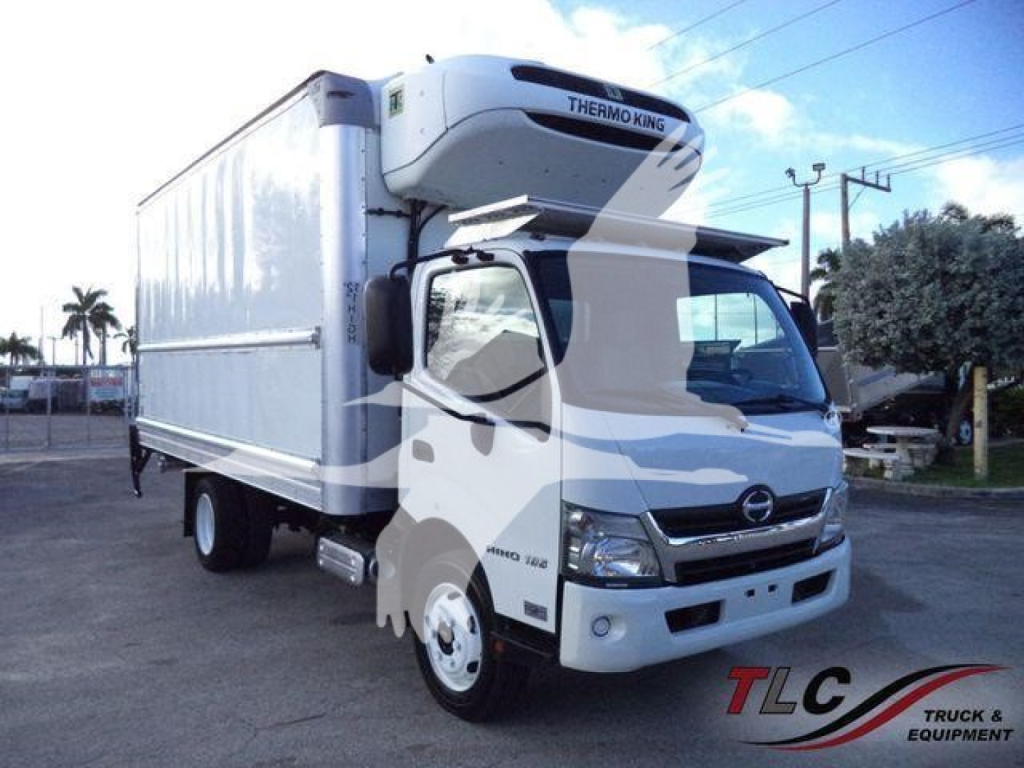
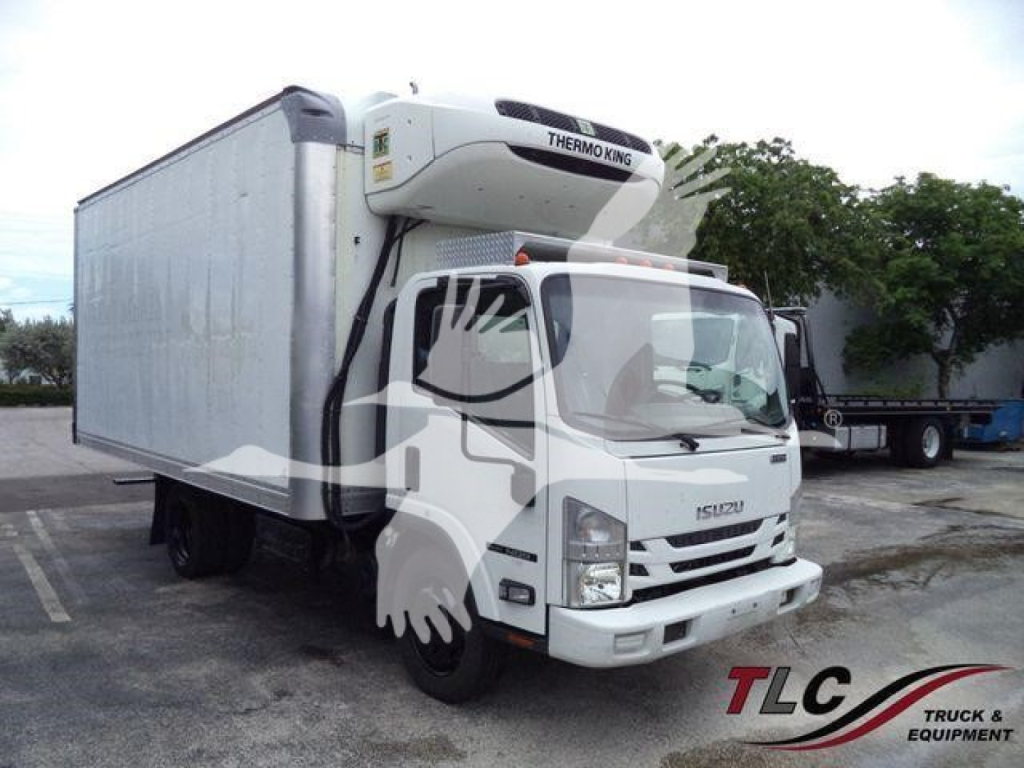
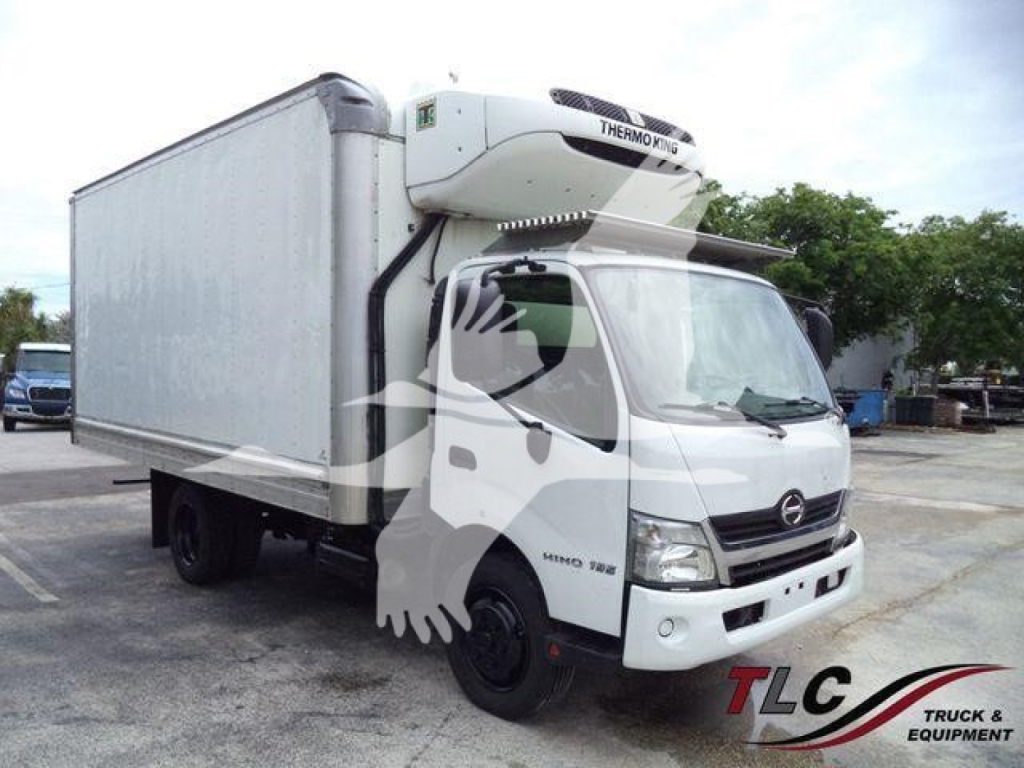
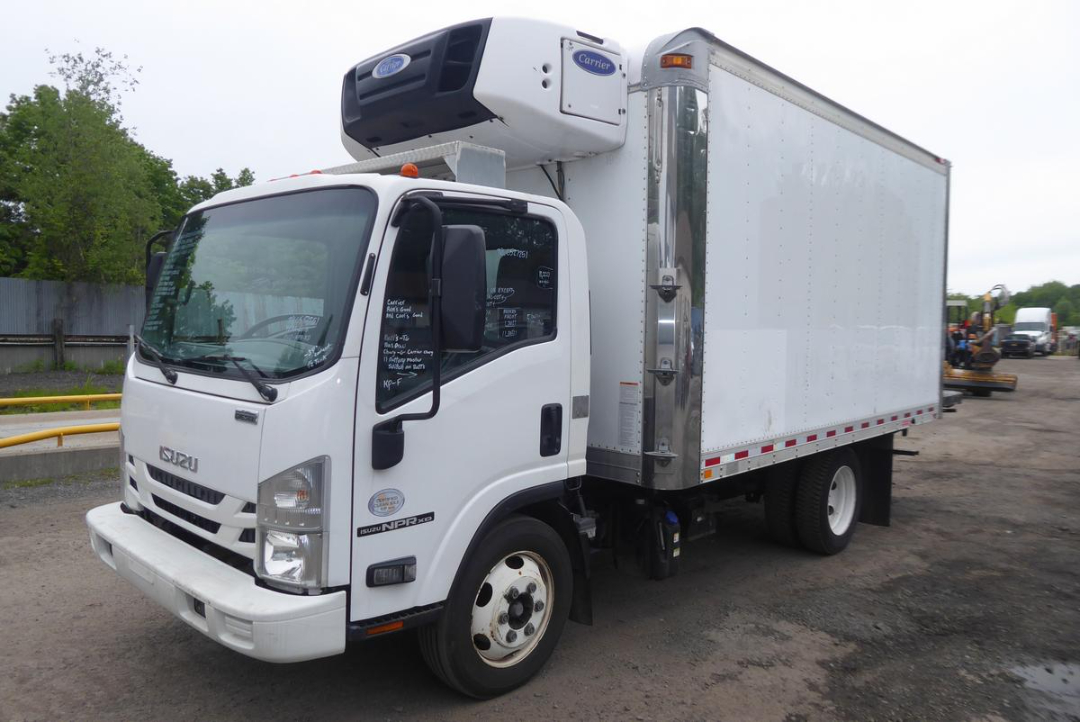
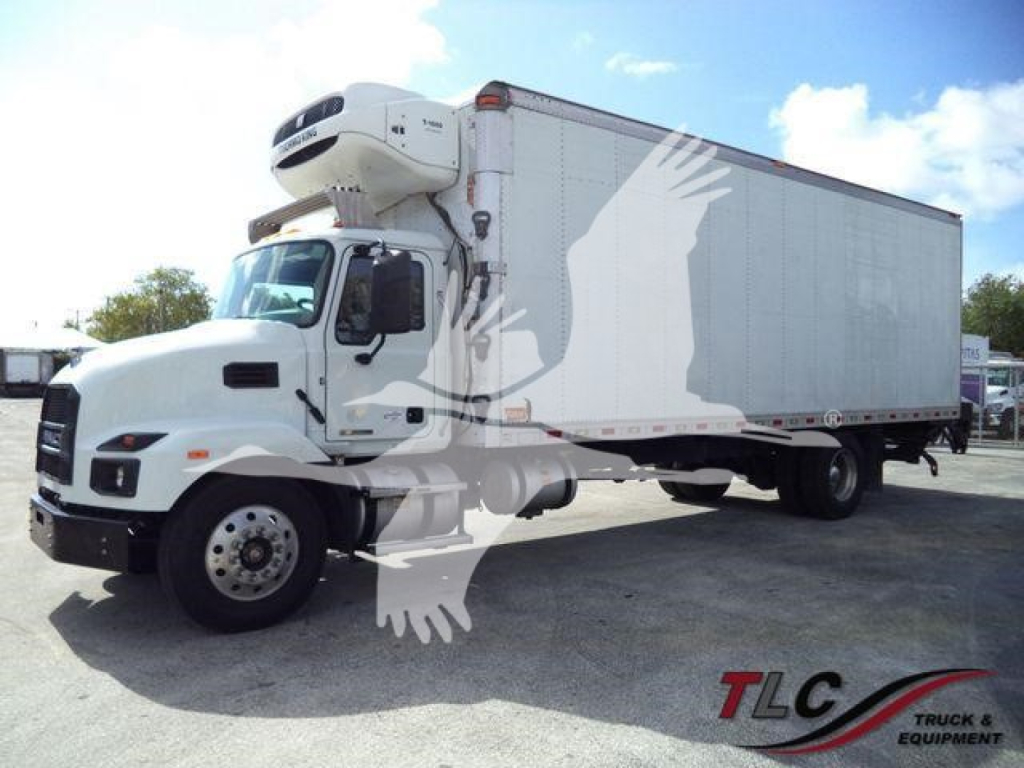
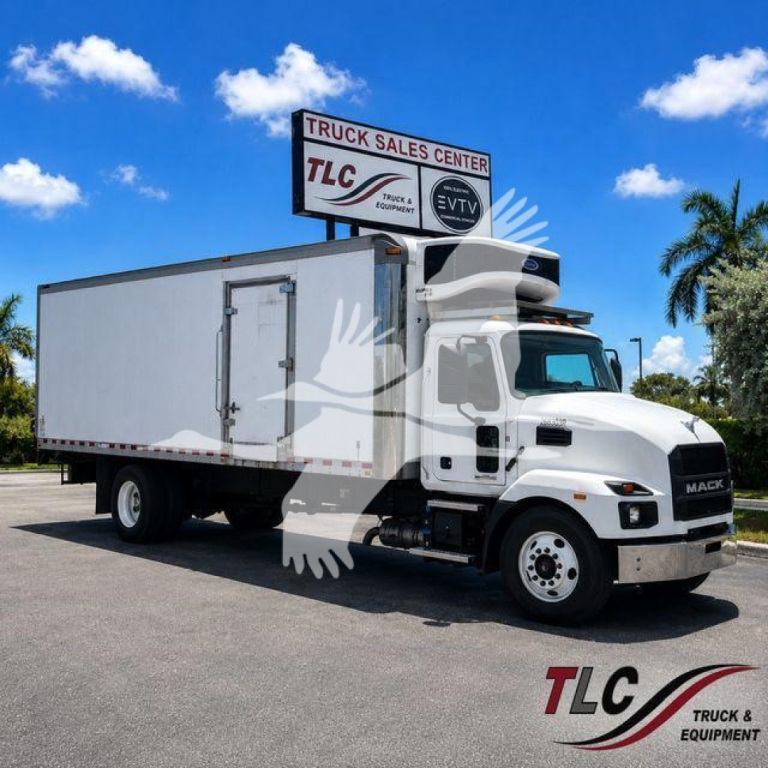
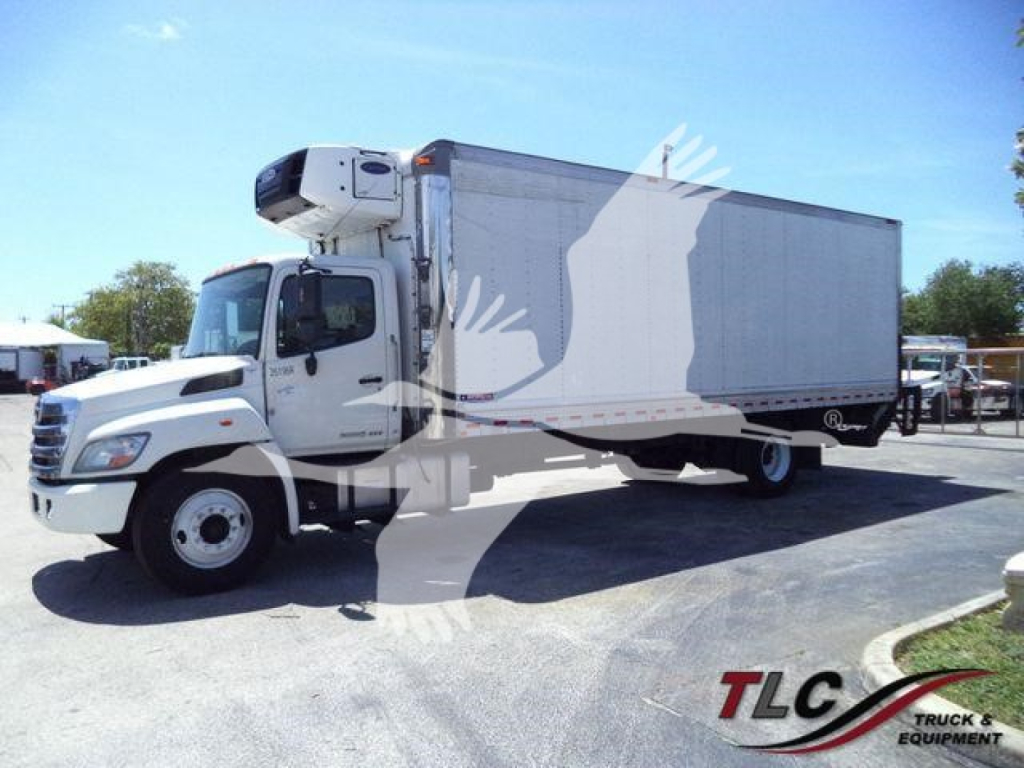
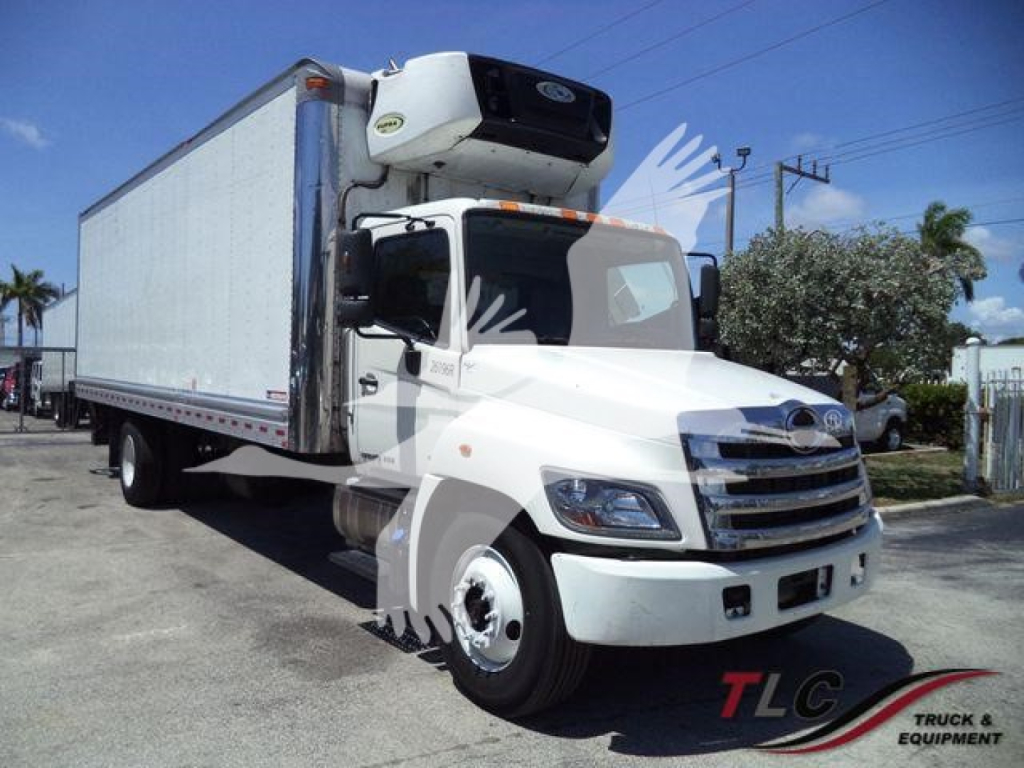
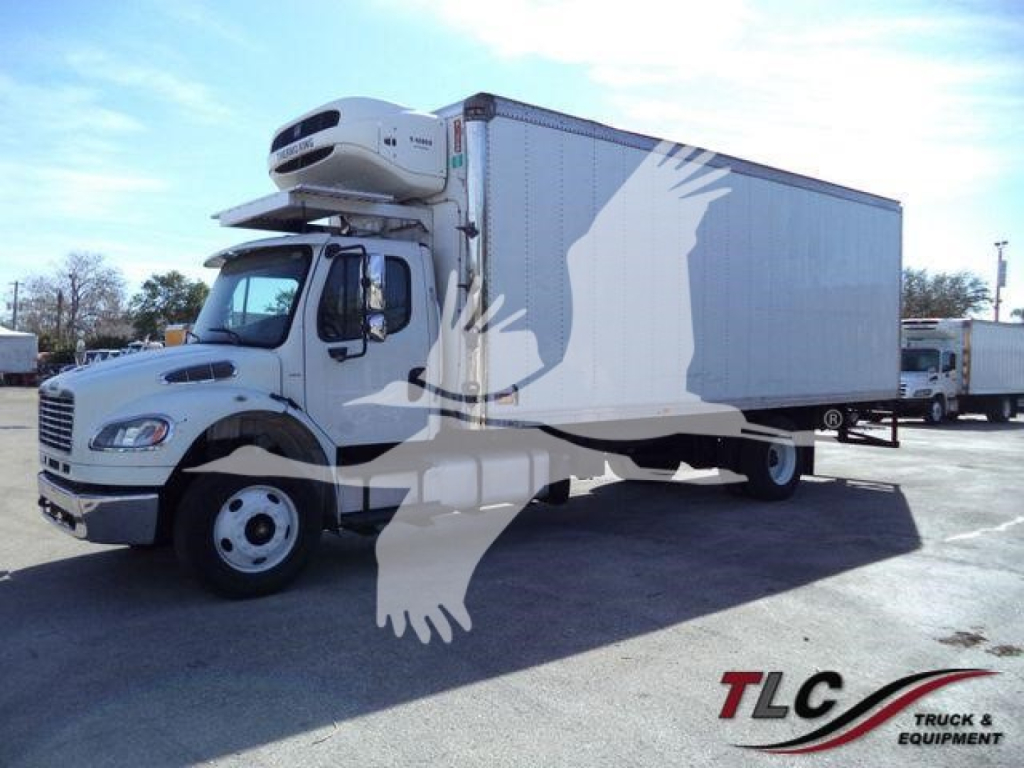
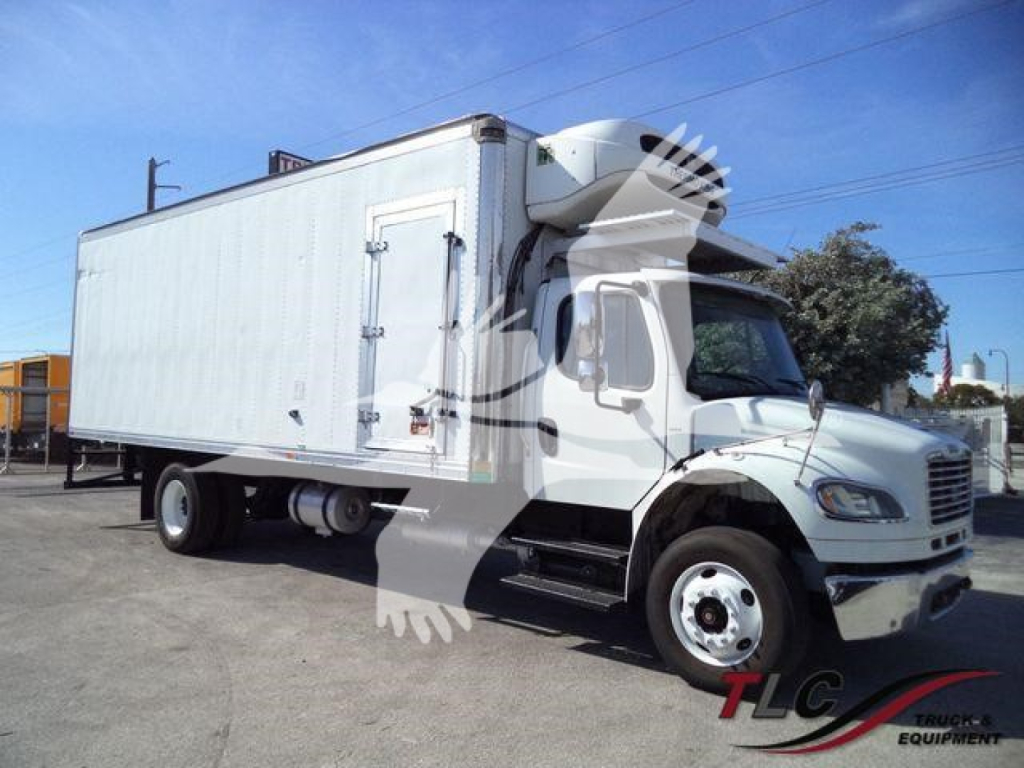
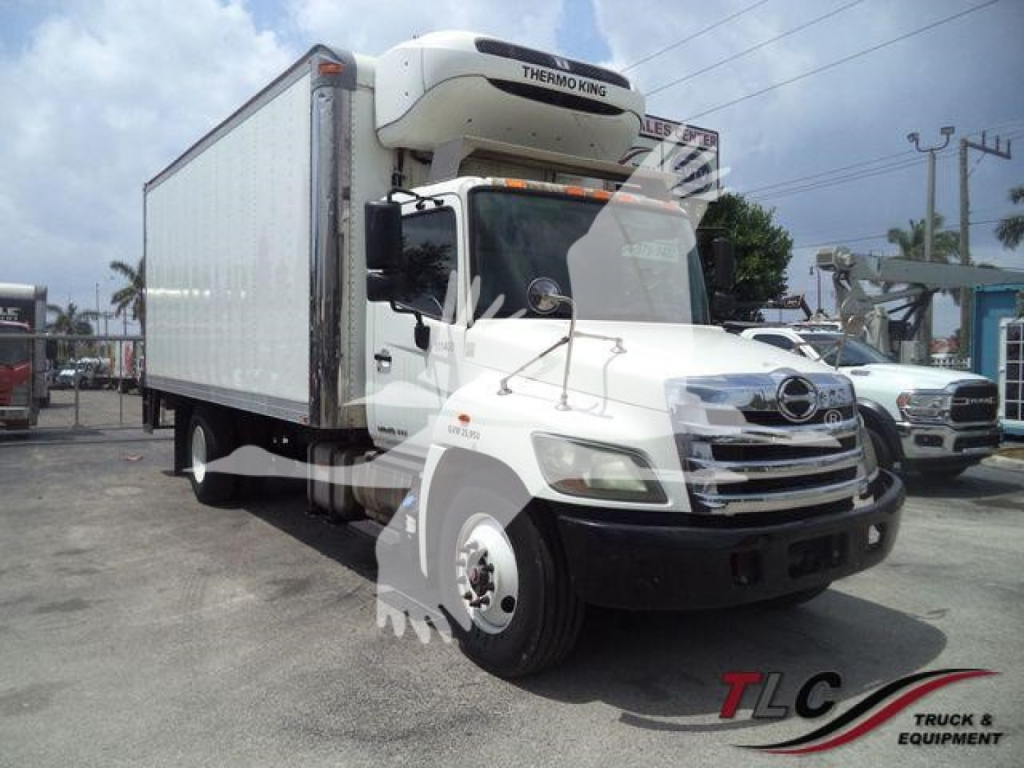
Showing 1 to 28 of 32 results
Selling a used refrigerated truck? List your used refrigerated truck for sale and reach thousands of commercial buyers.
Used Refrigerated Trucks
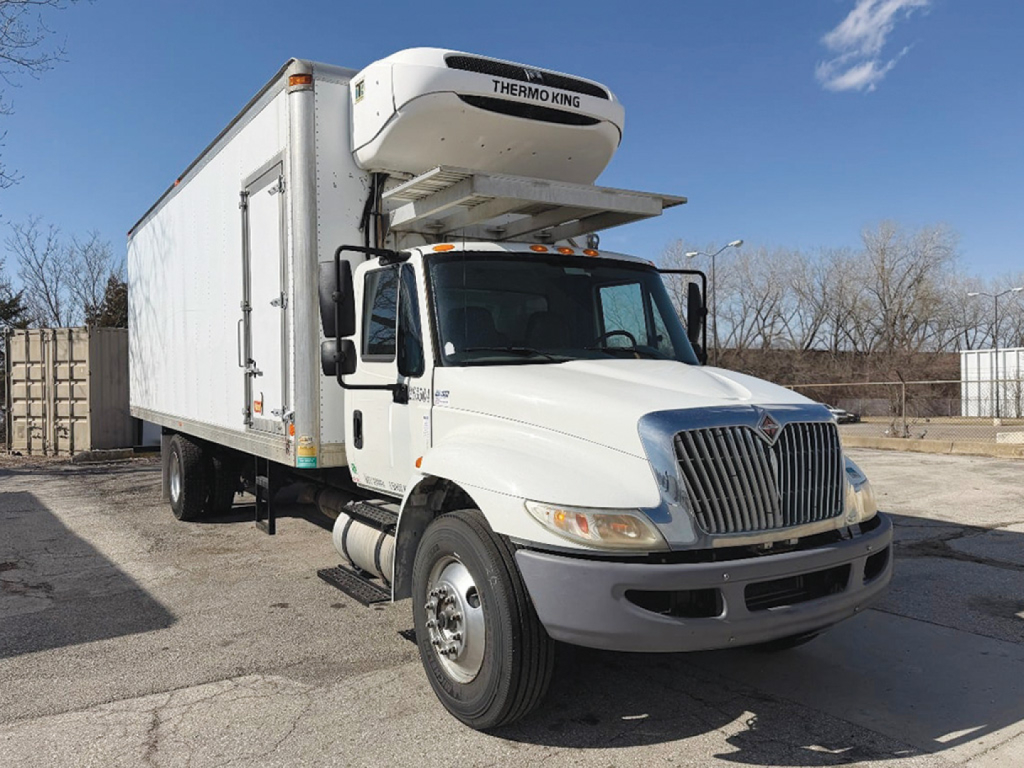
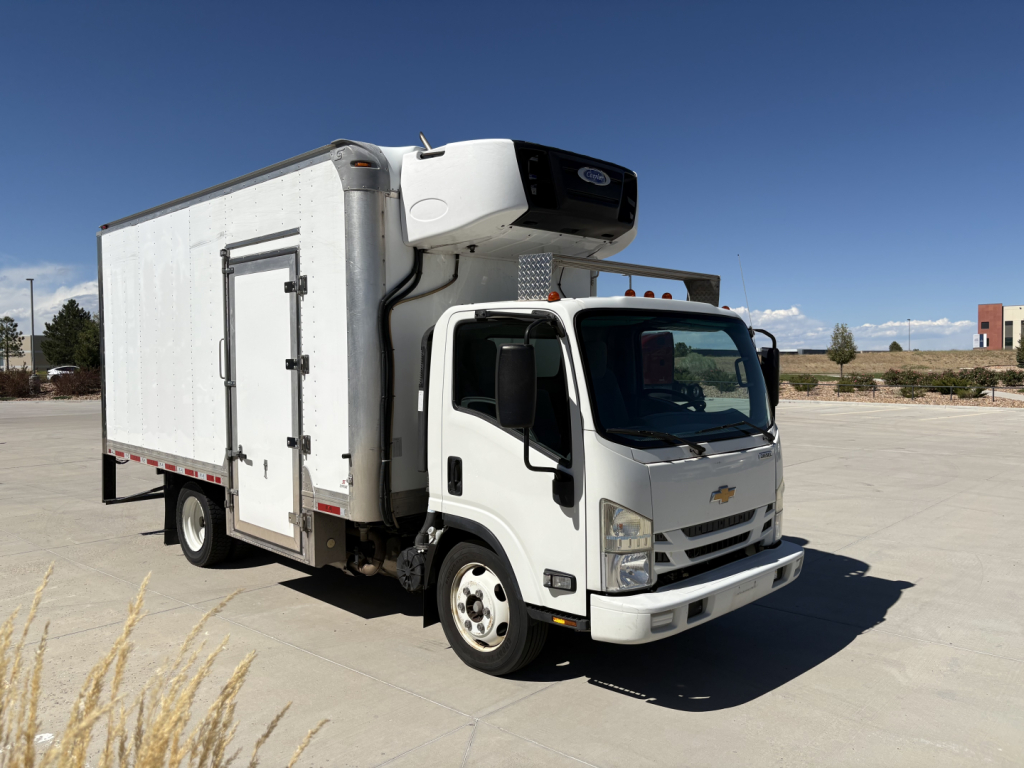
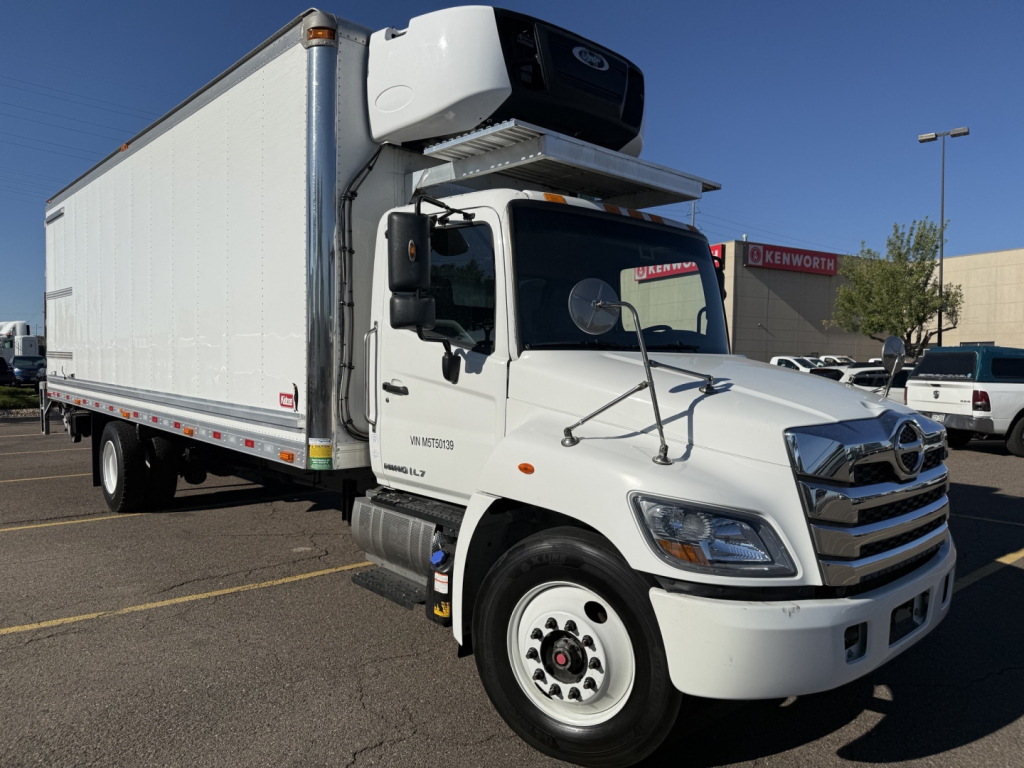
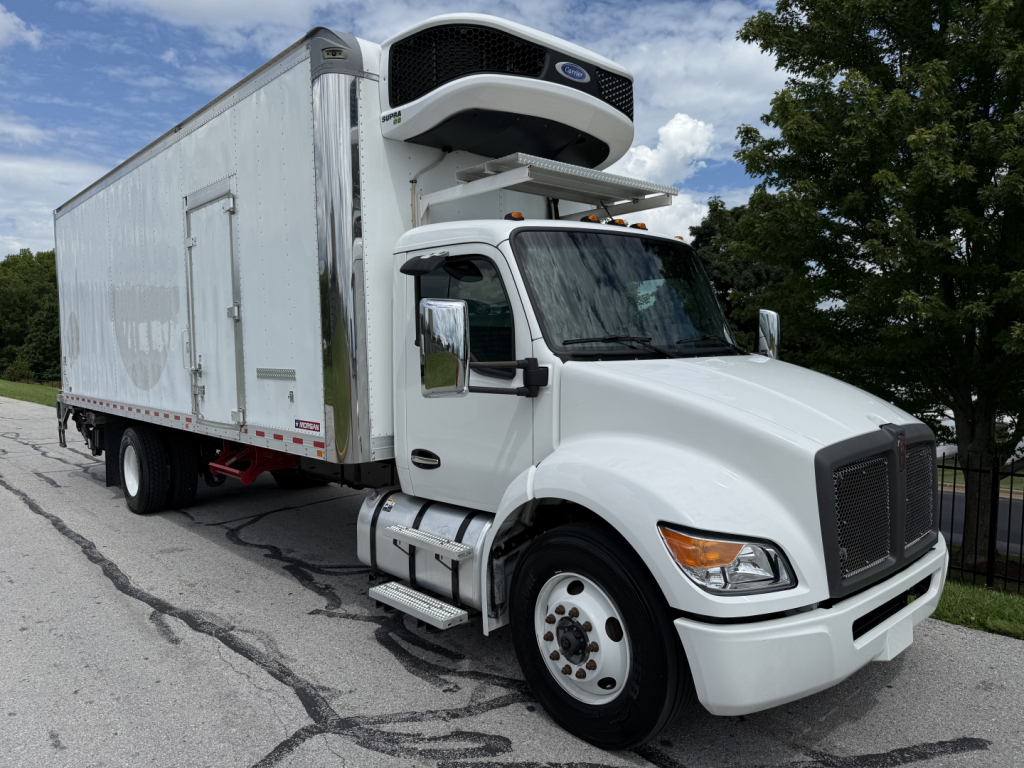
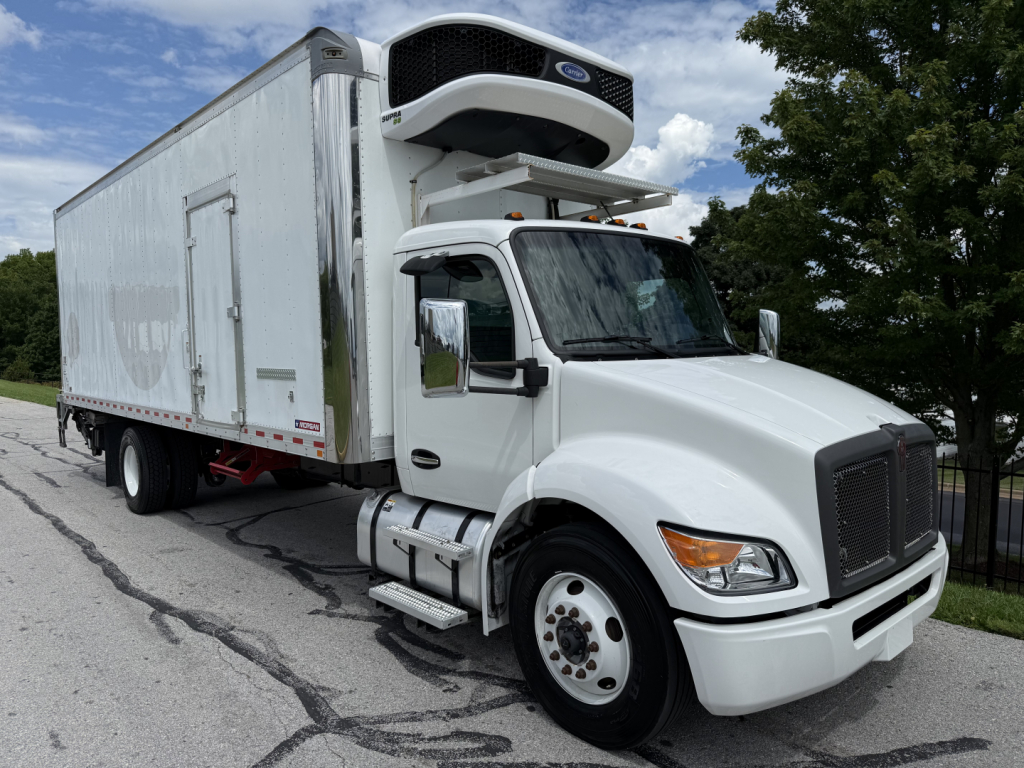
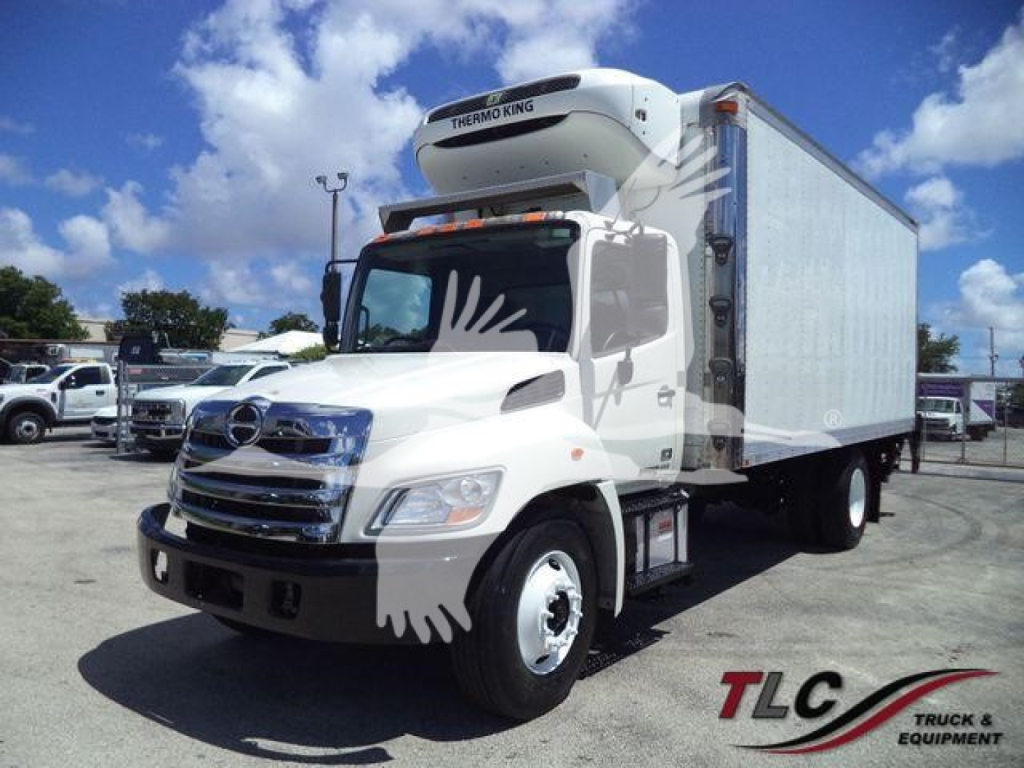
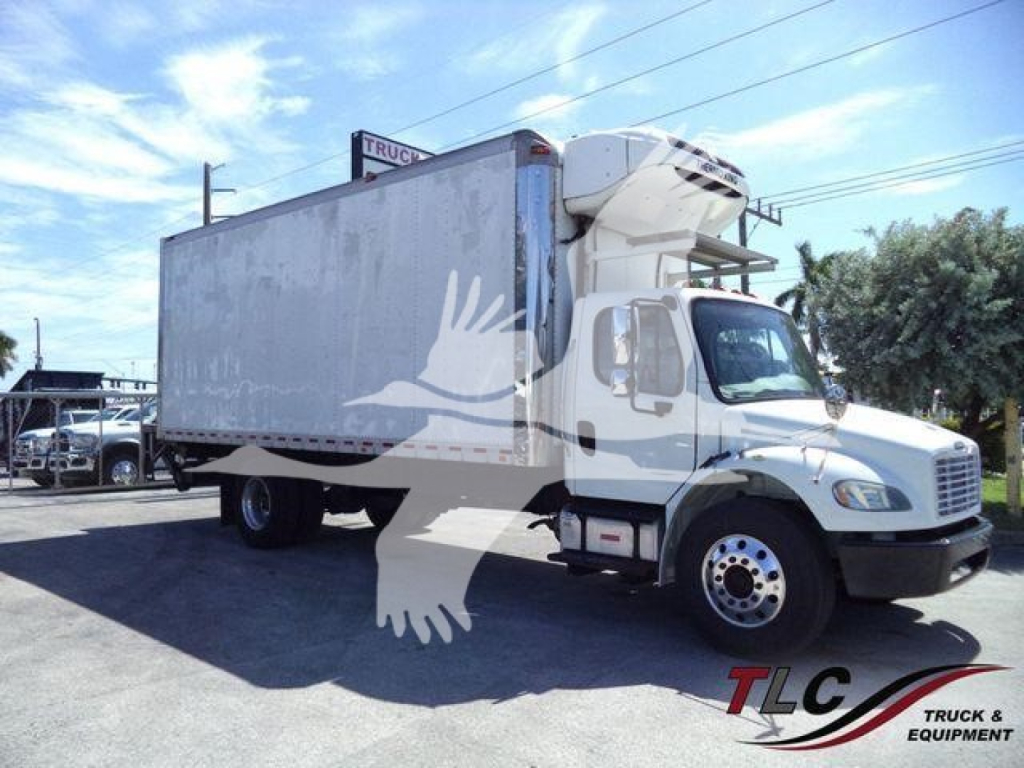
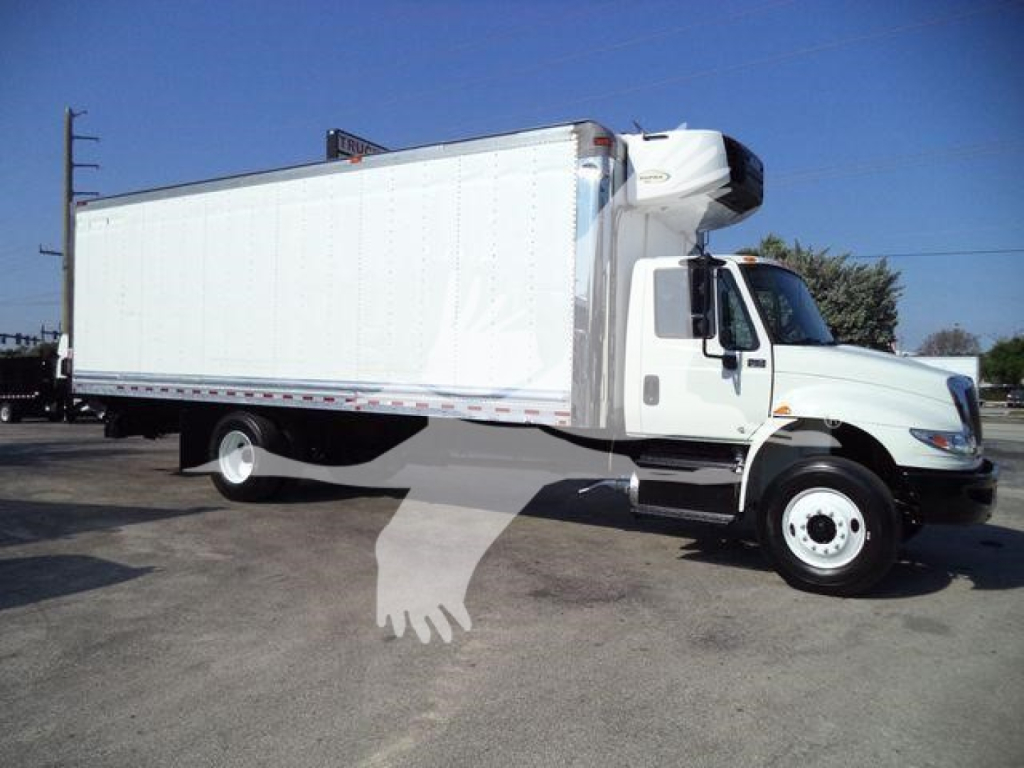
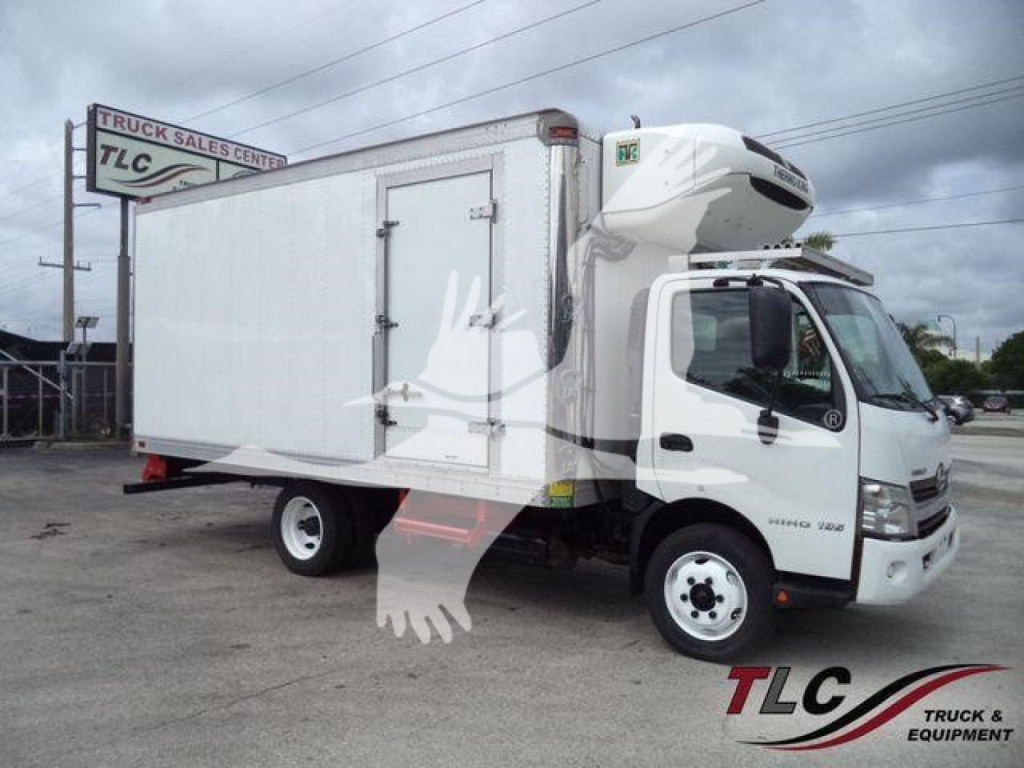
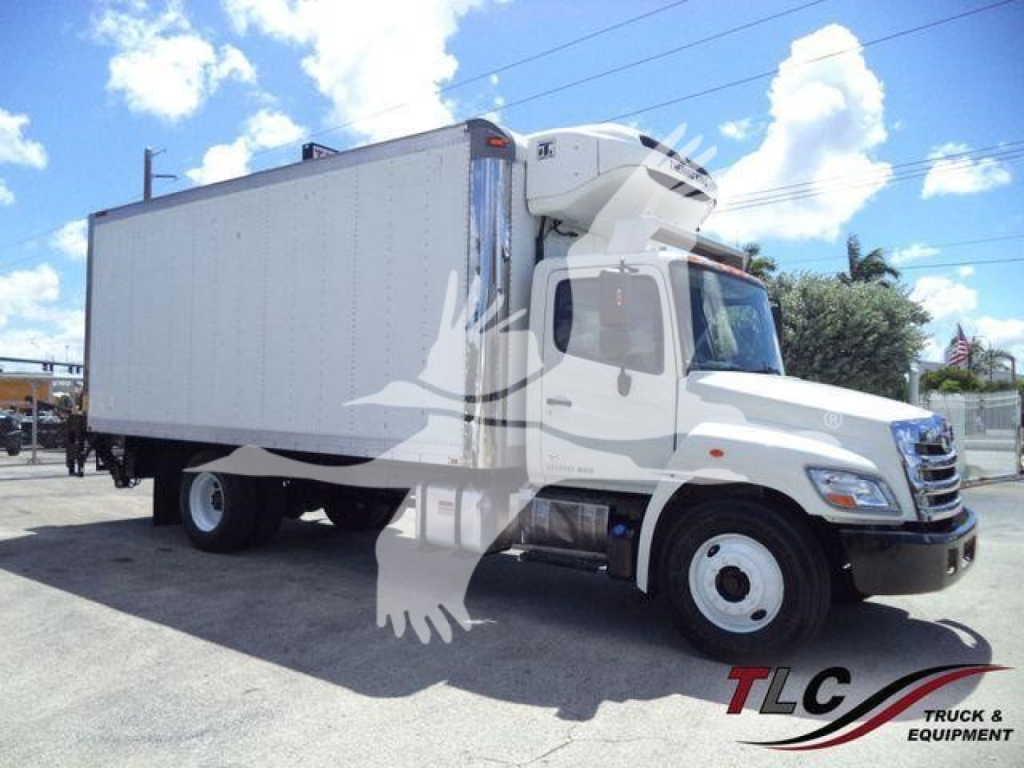
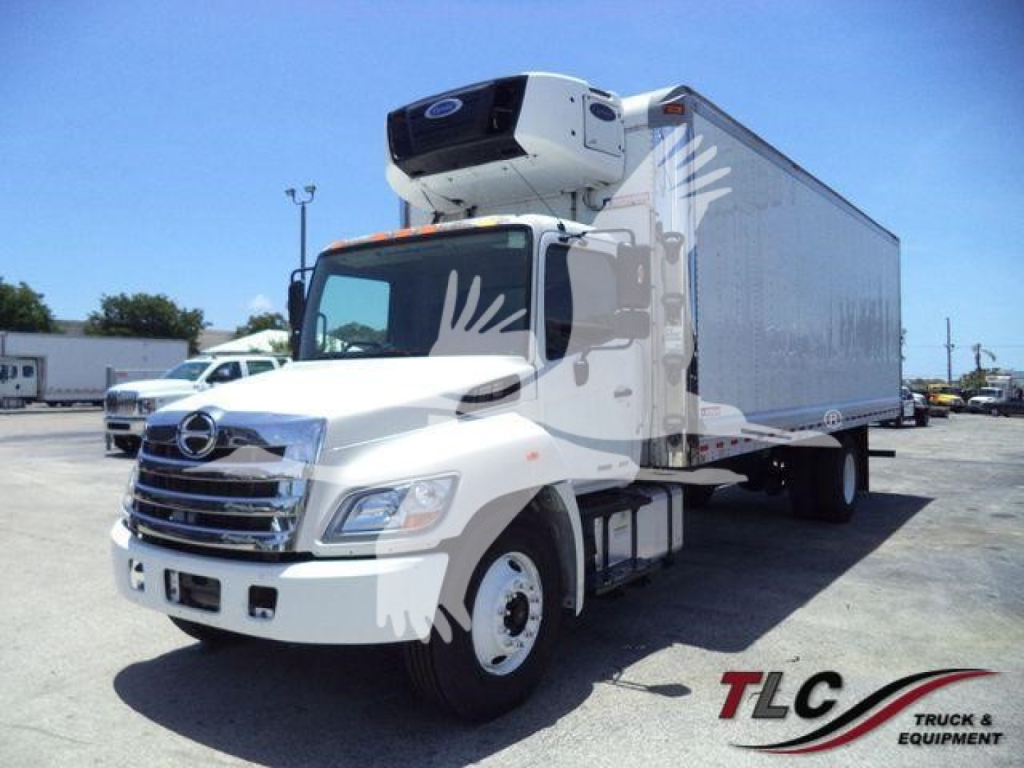
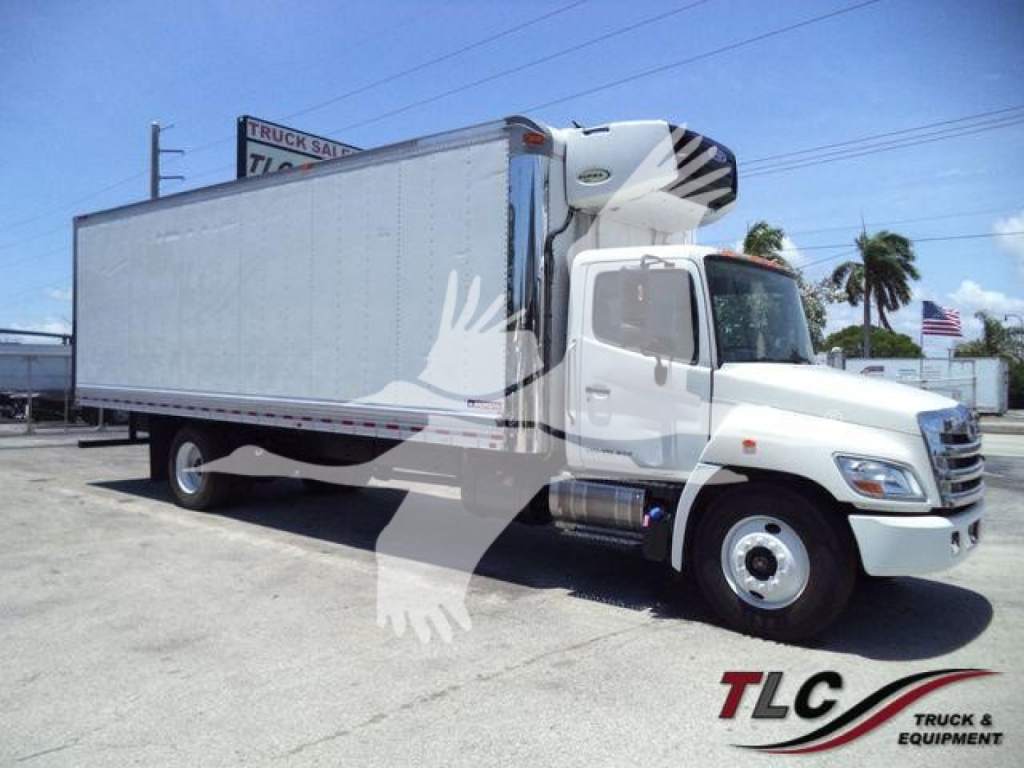
Reefer unit spec matters as much as chassis spec. Common systems from Thermo King and Carrier are found in both truck-driven and self-powered configurations, and many medium-duty trucks include electric standby for overnight pre-cooling or warehouse use. Buyers should confirm the unit can reliably hold the temperatures required for frozen, chilled, or multi-product service, then review engine hours, maintenance history, evaporator condition, and pull-down performance. Body details are equally important. Duct floors, insulated bulkheads, scuff liners, stainless rear frames, curb-side doors, and swing or roll-up rear doors all affect sanitation, durability, and route efficiency. If frequent hand-unloading is part of the job, features like E-track, ramps, and liftgates can be more important than horsepower.
On the chassis side, most used refrigerated trucks in this segment are automatic, single-axle units with diesel or gas power, hydraulic brakes on lighter models, and air brakes on heavier GVWR trucks. Wheelbase, rear axle ratio, and suspension type influence maneuverability and ride quality, especially on city routes with high stop counts. A 12 to 16 foot body is often the right fit for tight urban delivery, while 20 to 26 foot bodies are more common in regional distribution and higher cube applications. Buyers should also pay close attention to payload after insulation, reefer equipment, and liftgate weight are factored in. A truck with a 26,000-pound GVWR may lose more usable payload than expected once the refrigerated body package is added.
Condition evaluation on a used refrigerated truck should go beyond the odometer. Inspect the box for water intrusion, delamination, floor wear, door seal condition, and previous panel repairs. Confirm the reefer starts cleanly, cycles correctly, and does not show signs of excessive compressor wear or deferred service. On diesel-powered medium-duty chassis, service records for emissions components and transmission maintenance are worth reviewing, especially on route trucks with long idle time and PTO or accessory use. A well-matched used refrigerated truck can be a very efficient cold-chain asset, but the best value comes from balancing body size, reefer capacity, payload, and route demands rather than buying on price alone.
Frequently Asked Questions about Used Refrigerated Trucks
What should I check first on a used refrigerated truck?
Start with the refrigeration unit and the insulated body, because those are the most expensive category-specific components to repair or replace. Confirm the reefer can pull down to the required temperature, hold that temperature under load, and cycle normally. Review unit hours, service records, electric standby operation if equipped, and the condition of the evaporator, condenser, and controls. Then inspect the box for water leaks, damaged insulation, worn door seals, floor deterioration, and signs of previous structural repair.
What size refrigerated truck is best for local delivery routes?
The right size depends on route density, street access, and product volume. Smaller refrigerated trucks with 10 to 16 foot bodies are easier to maneuver in urban areas, alleys, and tight loading zones. Medium-duty 20 to 26 foot reefer trucks offer more cube and are common for foodservice, grocery, and regional distribution work. Buyers should match body length to stop frequency, pallet count, dock height, and payload needs rather than choosing the largest body available.
Is reefer unit hours or truck mileage more important?
Both matter, but reefer unit hours often tell more about cold-chain wear than truck mileage alone. A truck can have moderate miles but high refrigeration hours from route work, pre-cooling, or extended daily operation. High reefer hours are not automatically a problem if maintenance has been consistent, but they should prompt a closer look at compressor condition, belts, electrical components, and temperature performance. The best buying decision comes from evaluating the chassis and reefer system as two separate assets on one truck.
Can a used refrigerated truck handle frozen and chilled products?
Many can, but only if the refrigeration system and body insulation are designed for the target temperature range. Some used refrigerated trucks are best suited for chilled loads such as produce, dairy, or beverages, while others are equipped to maintain frozen product temperatures. Buyers should verify the reefer model, insulation package, door seal condition, and air delivery setup before assuming a truck is freezer-capable. If mixed loads are part of the operation, features like insulated bulkheads or multi-temp capability may be necessary.
How does a liftgate affect a refrigerated truck purchase?
A liftgate adds route flexibility, especially for deliveries without docks, but it also affects payload, maintenance, and rear access. On reefer trucks, a liftgate can be a major advantage for foodservice, healthcare, and multi-stop retail delivery. Buyers should verify platform capacity, cycle condition, hydraulic performance, and how the gate integrates with rear door sealing and loading practices. It is also important to account for the gate's weight, because it reduces net payload on lighter GVWR trucks.