
Used 2020 Refrigerated Trucks For Sale
Shop used 2020 refrigerated trucks with insulated bodies, diesel engines, automatic transmissions, and reefer units for cold-chain delivery.
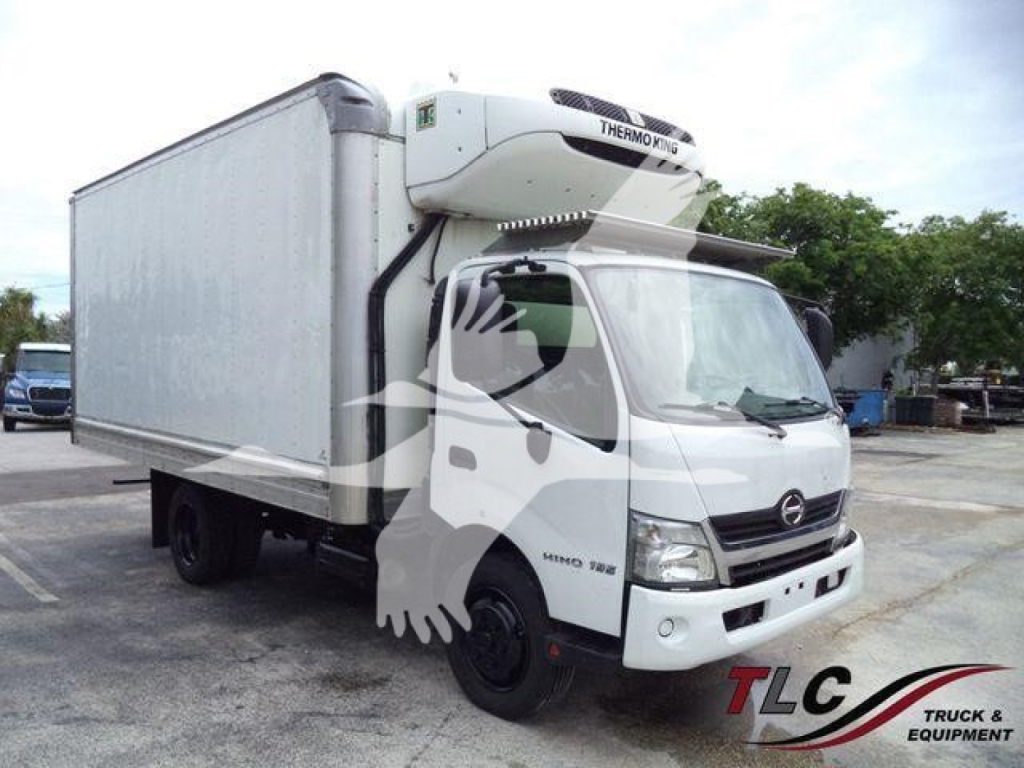
Selling a used 2020 refrigerated truck? List your used 2020 refrigerated truck for sale and reach thousands of commercial buyers.
Used 2020 Refrigerated Trucks
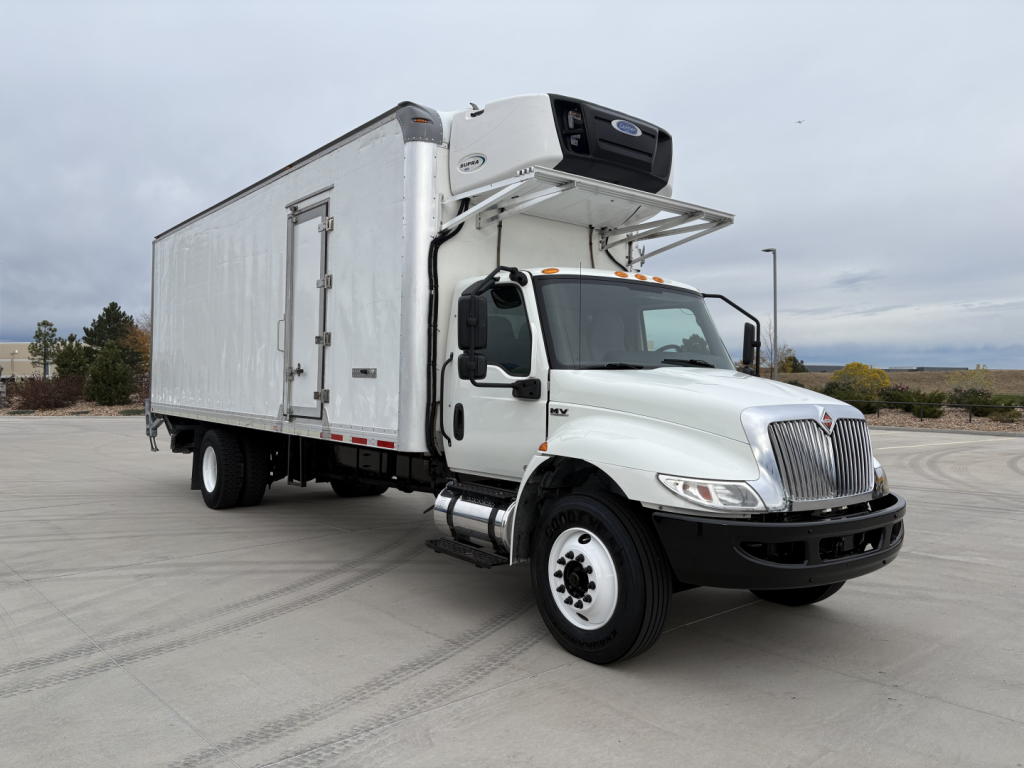
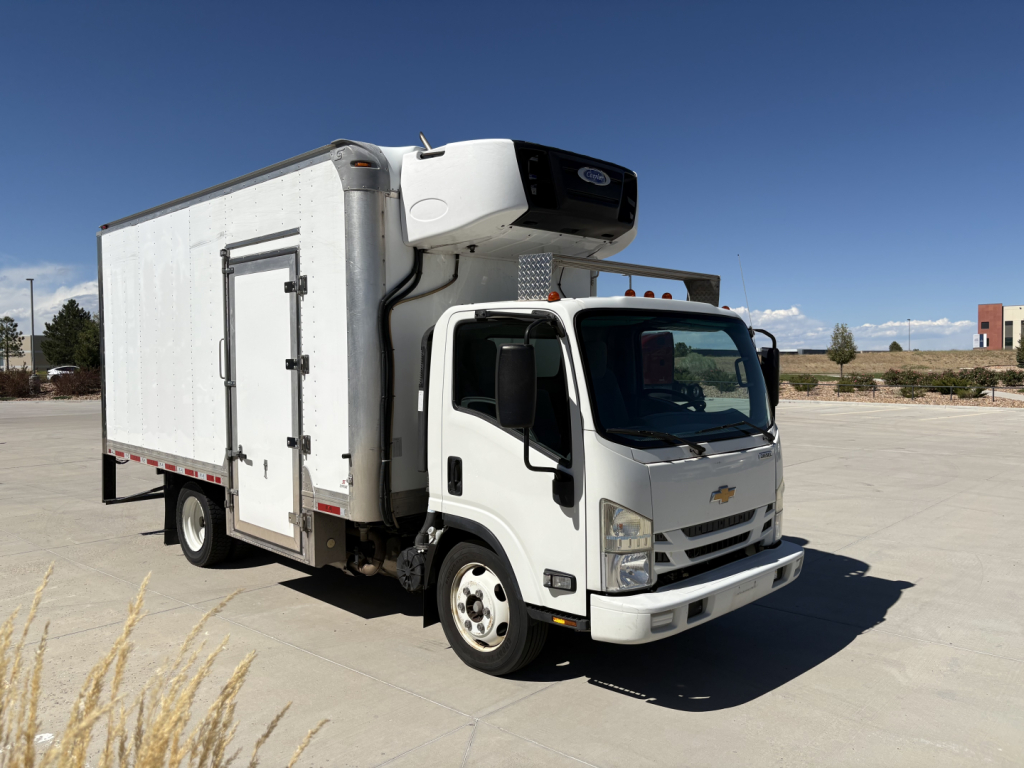
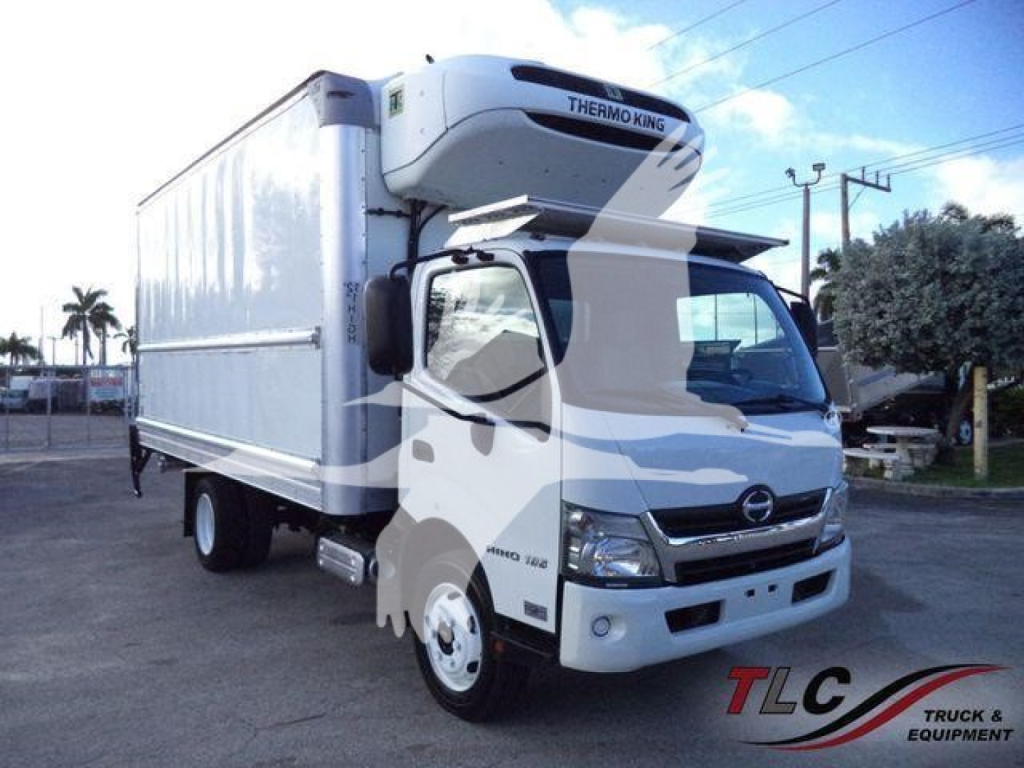
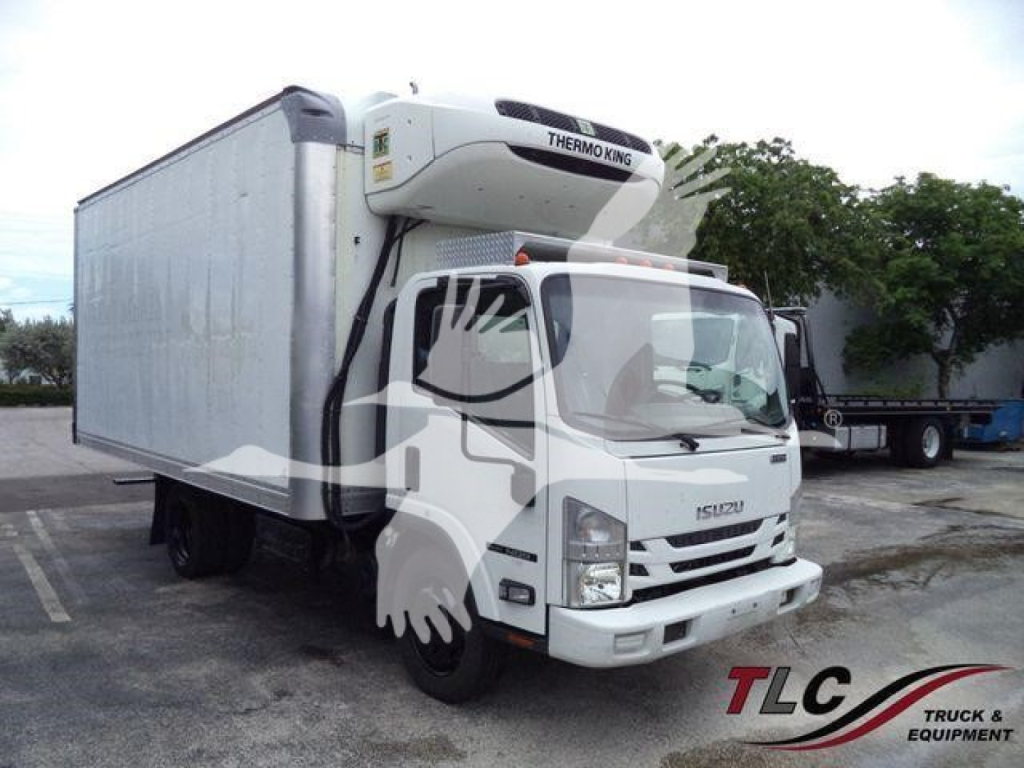
The reefer unit is the main component to inspect closely. Thermo King and Carrier units are the most common in this category, and buyers should compare reefer hours separately from chassis miles. A 2020 refrigerated truck can look clean and still need expensive refrigeration service if the unit has high hours, weak pull-down performance, evaporator issues, door seal leaks, or deferred maintenance. It is worth confirming temperature range, fuel source, controller operation, defrost function, and whether the body was spec'd for fresh, frozen, or mixed-load service. Interior condition matters too. Scuffed liners, damaged insulation, soft flooring, and poor rear door sealing can all affect temperature retention and sanitation compliance.
Chassis specs in this category often include diesel engines in the 5.0L to 5.2L range on under-CDL trucks around 19,500-lb GVWR, or larger medium-duty platforms up to 26,000-lb GVWR and above for heavier payloads and longer bodies. Automatic transmissions are common, especially for urban route work with frequent stops. Cabover refrigerated trucks remain popular because they shorten overall length and improve maneuverability in tight loading areas, while conventional chassis can offer a more familiar service network and easier highway manners. Buyers should match body length, wheelbase, liftgate rating, and axle capacity to the actual product mix, not just the advertised box size.
A good used 2020 reefer truck should be evaluated as a complete cold-chain package, not just a truck with an insulated box. Review maintenance records for both chassis and refrigeration unit, verify that the unit reaches and holds setpoint under load, and inspect the body for water intrusion, corrosion, and panel damage. If the route includes docks, hand unloading, or palletized deliveries, details like floor type, E-track, liftgate configuration, and door opening dimensions will affect daily productivity. For many fleets, the best value in this category comes from a truck with a clean service history, sensible reefer hours, and a body spec that matches the delivery profile from day one.
Frequently Asked Questions about Used 2020 Refrigerated Trucks
What should I check first on a used 2020 refrigerated truck?
Start with the refrigeration unit, not just the chassis. Verify reefer hours, maintenance history, pull-down performance, controller function, and whether the unit holds the required temperature consistently. Then inspect the insulated body for damaged panels, weak door seals, soft spots in the floor, evaporator condition, and signs of water intrusion. A sound chassis with a weak reefer system can become an expensive cold-chain problem very quickly.
Are most 2020 refrigerated trucks under CDL?
Many are, but not all. A large share of 2020 reefer box trucks were built on 19,500-lb to 25,950-lb GVWR chassis, which can fall under CDL limits depending on the exact rating. Larger refrigerated trucks with 24-foot to 26-foot bodies or heavier payload specs may be rated at 26,000 lbs or above. Buyers should confirm the GVWR on the door tag and make sure it aligns with driver requirements, payload needs, and route conditions.
How important are reefer hours compared with miles?
Reefer hours are extremely important because the refrigeration unit has its own wear cycle separate from the truck engine. A truck with moderate miles can still have a heavily used reefer unit if it spent years on long stationary cooling cycles or frequent multi-stop delivery work. Compare chassis miles, engine hours if available, and reefer hours together. That gives a more accurate picture of total use and likely maintenance needs.
What body length is most common for a used 2020 refrigerated truck?
Body lengths in this category commonly range from 16 feet to 24 feet, with 16-foot units frequently seen on under-CDL cabover chassis and longer 20-foot to 24-foot bodies more common on medium-duty conventional trucks. The right size depends on pallet count, product density, and delivery environment. Shorter bodies are easier in urban routes and tight docks, while longer bodies improve cube and route efficiency when access is less restricted.
What features matter most for multi-stop refrigerated delivery?
For multi-stop work, buyers usually prioritize an automatic transmission, a dependable reefer unit, a roll-up rear door, and either a pull-out ramp or tuck-under liftgate depending on the freight. Interior features such as scuff liners, logistics track, a durable floor, and good lighting also matter because they reduce damage and speed up handling. If the truck serves mixed customers, curbside doors and a body layout that supports fast access can improve route time and temperature control.