
Used 2020 Refrigerated Trucks For Sale in Florida
Shop used 2020 refrigerated trucks in Florida. Compare reefer box trucks by GVWR, body length, reefer unit, liftgate, and under-CDL specs.
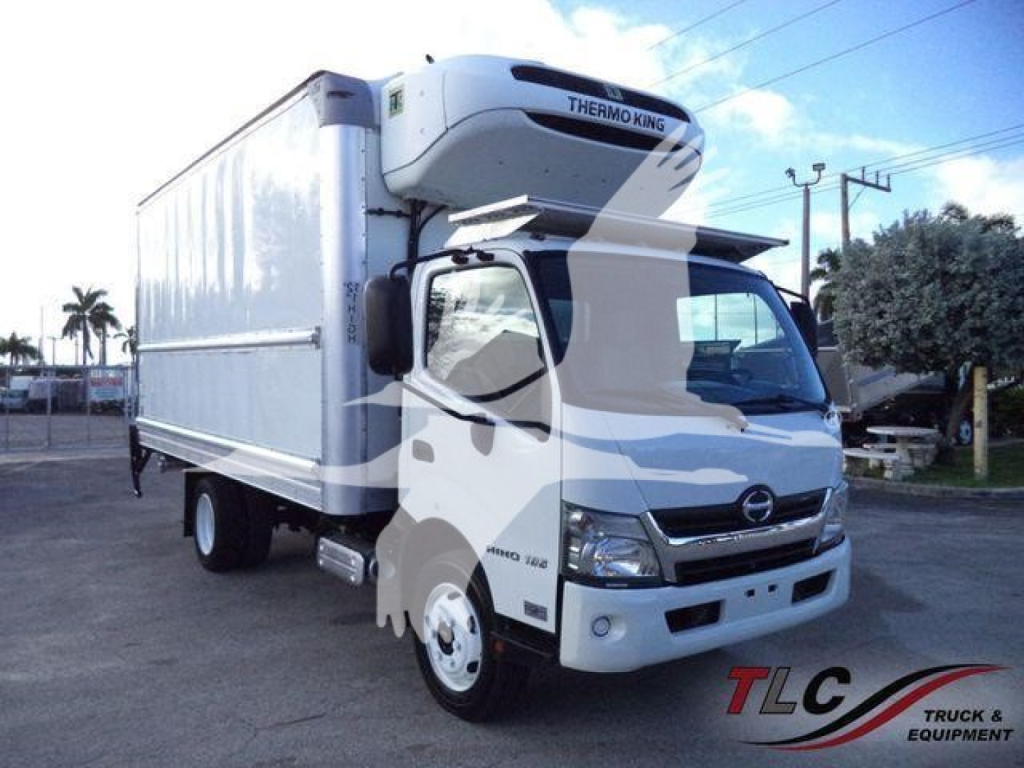
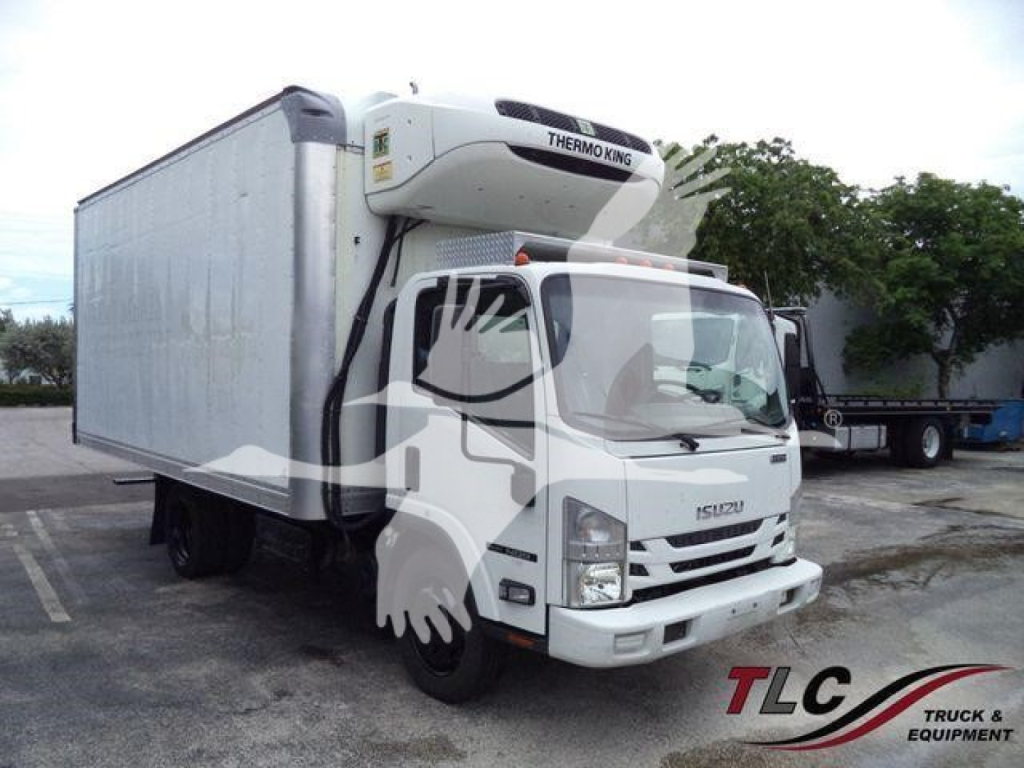
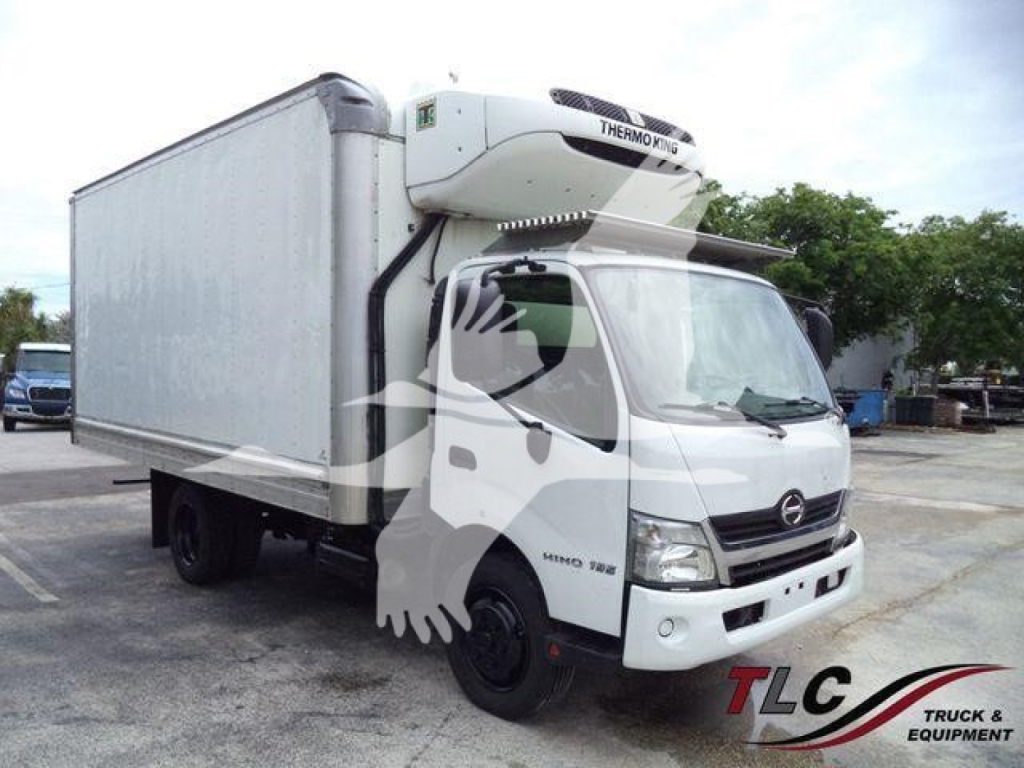
Selling a used 2020 refrigerated truck? List your used 2020 refrigerated truck for sale and reach thousands of commercial buyers.
Used 2020 Refrigerated Trucks in Florida
One of the first decisions is GVWR and CDL exposure. Many 2020 refrigerated trucks are spec'd at 19,500 or 25,950 pounds GVWR to stay under CDL thresholds while still carrying a useful payload. That matters in Florida urban delivery, where route density, driver availability, and stop frequency often favor an under-CDL reefer truck. Buyers should compare body length against product mix and axle rating. A 16-foot body is easier to maneuver in tight retail and restaurant locations, while a 20-foot to 26-foot body supports higher cube and broader route consolidation. On the chassis side, this segment commonly uses diesel engines in the 4-cylinder to 6-cylinder range paired with automatic transmissions, which helps with start-stop route work and reduces driver fatigue.
The refrigeration unit deserves as much scrutiny as the truck itself. Common systems in this class include Thermo King T-series and Carrier Supra units, and the real buying question is pull-down performance, operating hours, service history, and the temperature range your freight requires. If the truck will run frozen product, fresh product, or mixed-route deliveries, verify insulation condition, door seal integrity, evaporator layout, and whether the body has features like a bulkhead or movable partition. Reefer hours can tell a very different story than chassis miles, especially on trucks used for stationary cooling at docks or on long delivery days in Florida heat. Also inspect the floor type, drain setup, interior lining, and scuff protection, since damaged liners and poor floor condition can affect sanitation, airflow, and thermal efficiency.
Florida buyers should also pay attention to corrosion around the box, door hardware, liftgate components, and reefer mounting points because humidity and coastal exposure can shorten service life. A liftgate can be a major value point for palletized route work, while a ramp may be the better fit for dolly and hand-truck deliveries with lighter freight. Look closely at fuel capacity, reefer fuel source, tire condition, brake type, and maintenance access, because uptime matters more than headline specs on a delivery truck. A good 2020 refrigerated truck should balance cold-chain reliability, payload, and route efficiency, with a reefer body and chassis spec that match the exact stop pattern and commodity profile of the operation.
Frequently Asked Questions about Used 2020 Refrigerated Trucks in Florida
What body length is most common on a used 2020 refrigerated truck?
Used 2020 refrigerated trucks commonly appear with 16-foot, 20-foot, and 26-foot insulated box bodies. The right length depends on route density, dock access, and product cube. A 16-foot reefer truck is easier to park and turn in urban delivery, while a 20-foot to 26-foot body usually provides more payload volume for grocery, wholesale, and multi-stop distribution.
Why do many 2020 refrigerated trucks have a 19,500 or 25,950 GVWR?
These GVWR ratings are popular because they keep the truck under the 26,001-pound CDL threshold while still offering practical payload capacity for delivery work. That can widen the driver pool and simplify operations, especially for local and regional fleets. Buyers still need to verify actual payload after accounting for the refrigerated body, reefer unit, fuel, liftgate, and any cargo handling equipment.
What should I check on the reefer unit before buying a used 2020 refrigerated truck?
Check reefer hours, service records, temperature pull-down time, and whether the unit maintains the required setpoint under load. Inspect the condenser, evaporator, hoses, controls, and fuel or electrical supply system. It is also important to examine the box insulation, door seals, and interior condition, because a strong reefer unit cannot compensate for a body that leaks temperature.
Is a liftgate better than a pull-out ramp on a reefer truck?
A liftgate is generally better for palletized freight, heavier product, and locations without dock access. A pull-out ramp works well for hand-cart deliveries, smaller loads, and operations that want lower mechanical complexity. The best choice depends on delivery style, average shipment weight, and how often drivers handle freight at curbside or ground-level stops.
Are used 2020 refrigerated trucks a good fit for Florida routes?
Yes, but Florida service conditions make reefer performance and body condition especially important. High ambient temperatures, humidity, and frequent door openings put extra demand on the refrigeration system and box insulation. Buyers should pay close attention to cooling consistency, seal condition, corrosion, and maintenance history to make sure the truck can protect temperature-sensitive cargo in hot-weather operation.