
Used Refrigerated Trucks For Sale in Florida
Browse used refrigerated trucks in Florida, including reefer box trucks with liftgates, under-CDL GVWR options, and Thermo King or Carrier units.
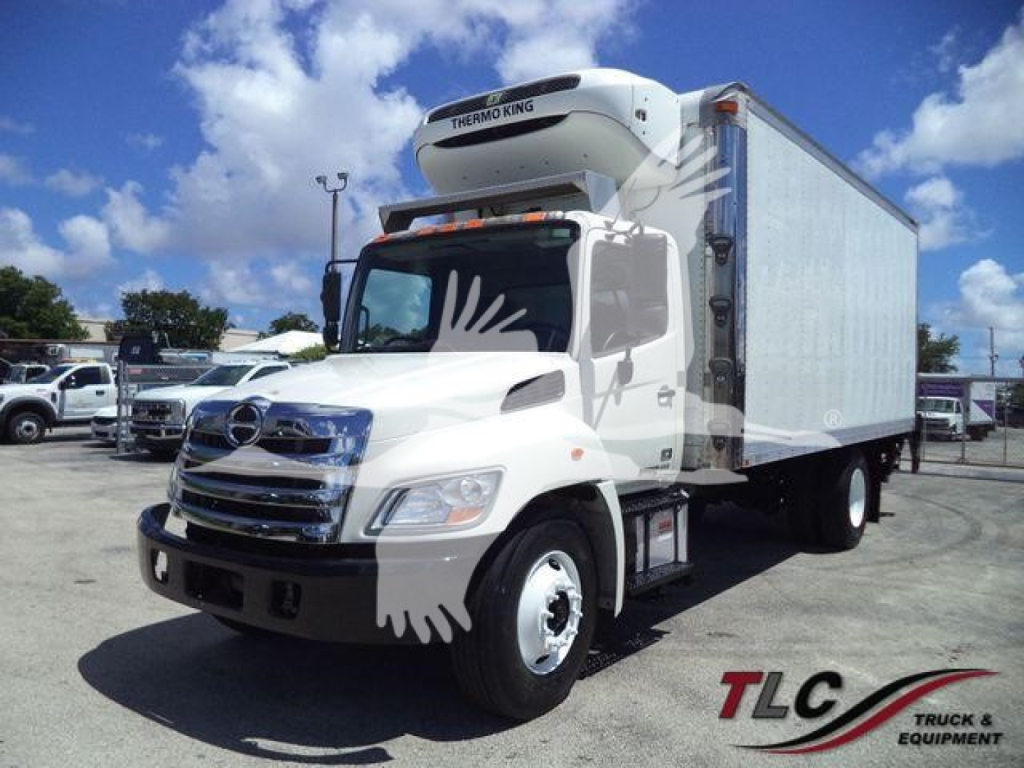
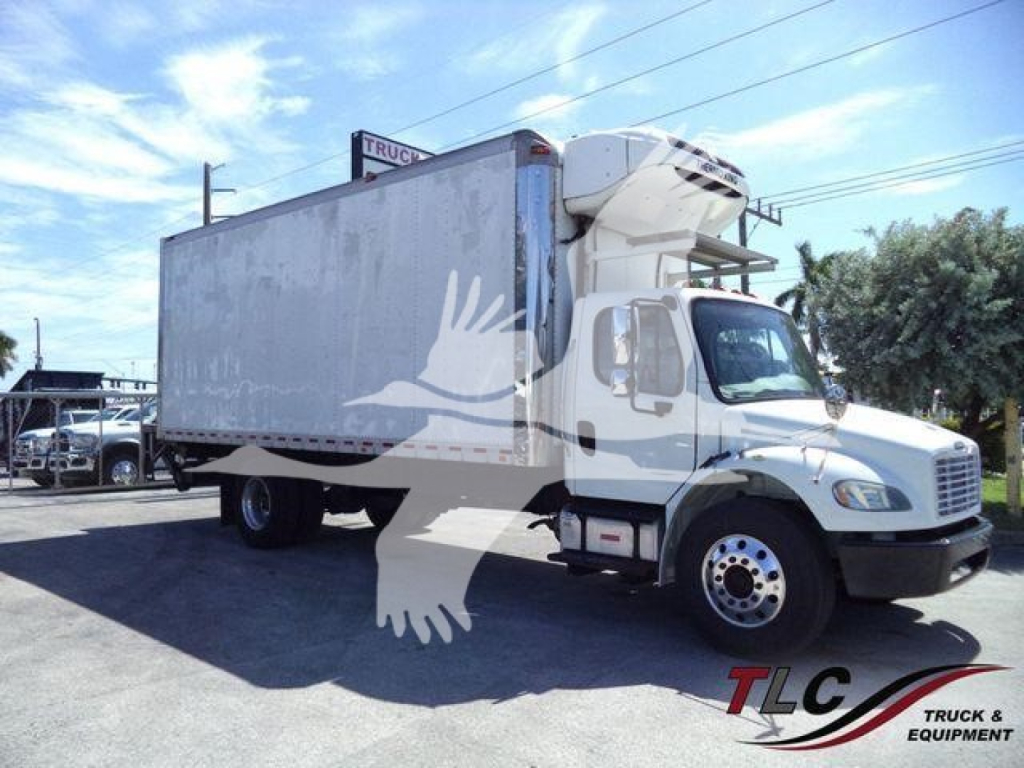
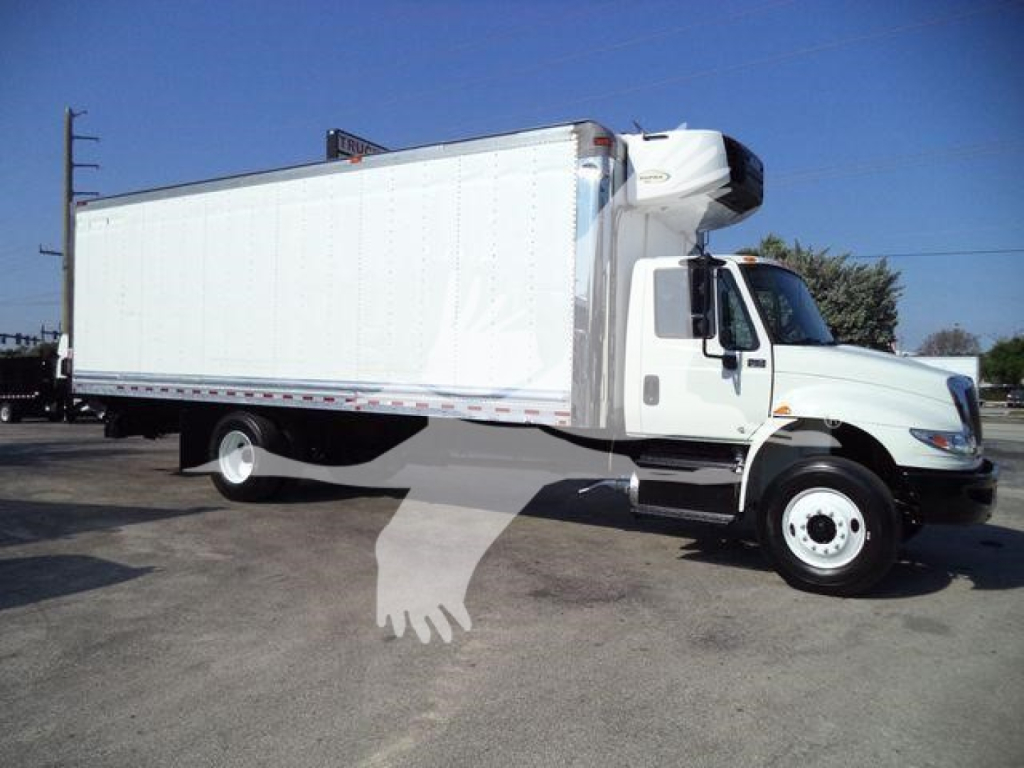
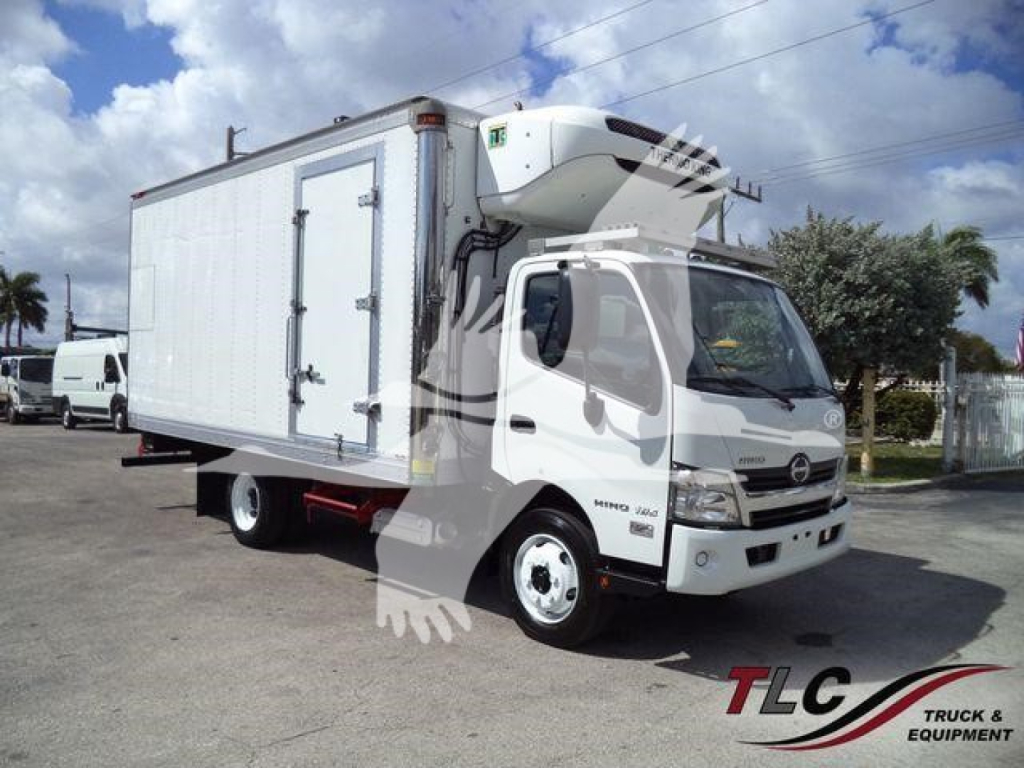
Selling a used refrigerated truck? List your used refrigerated truck for sale and reach thousands of commercial buyers.
Used Refrigerated Trucks in Florida
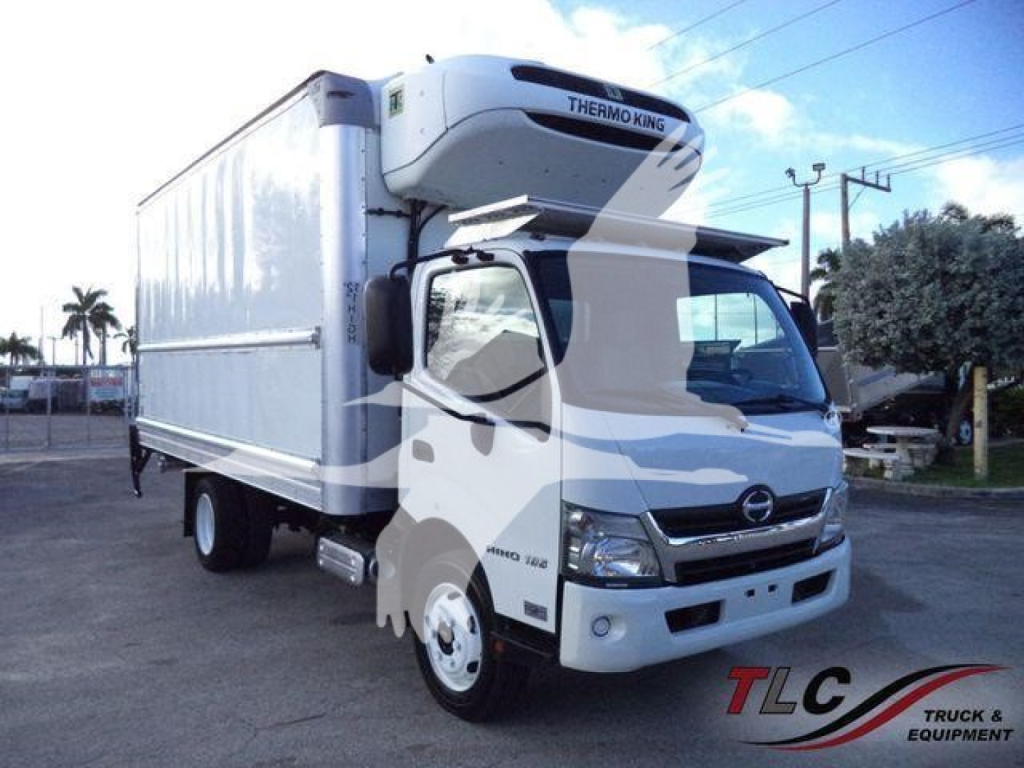
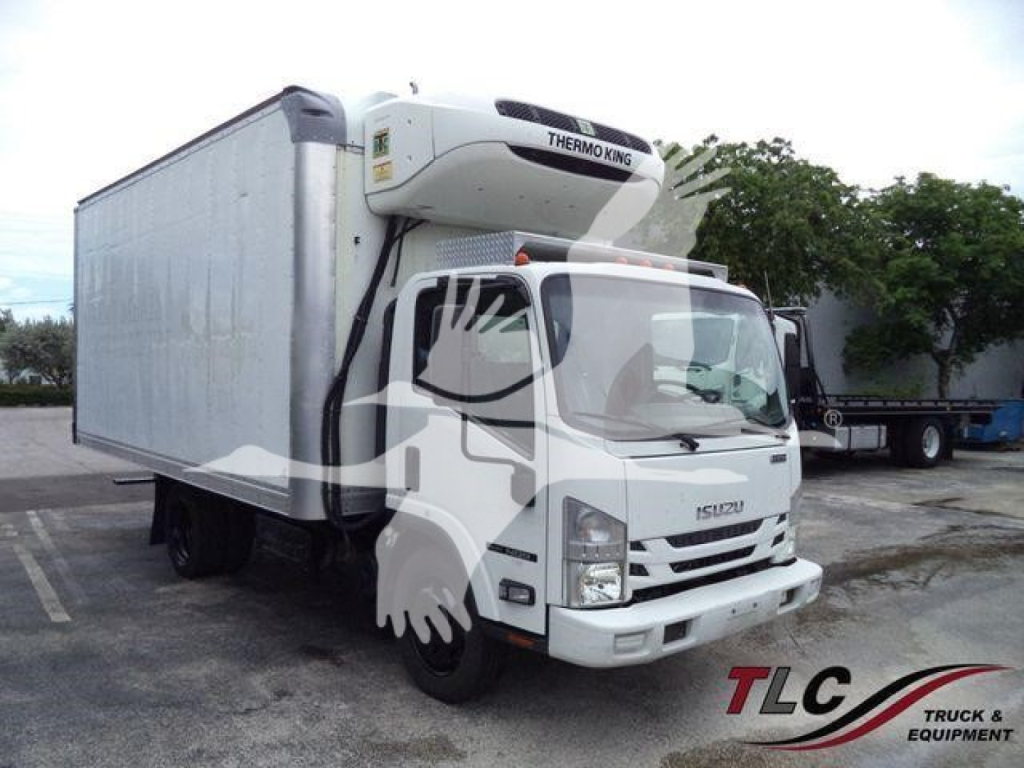
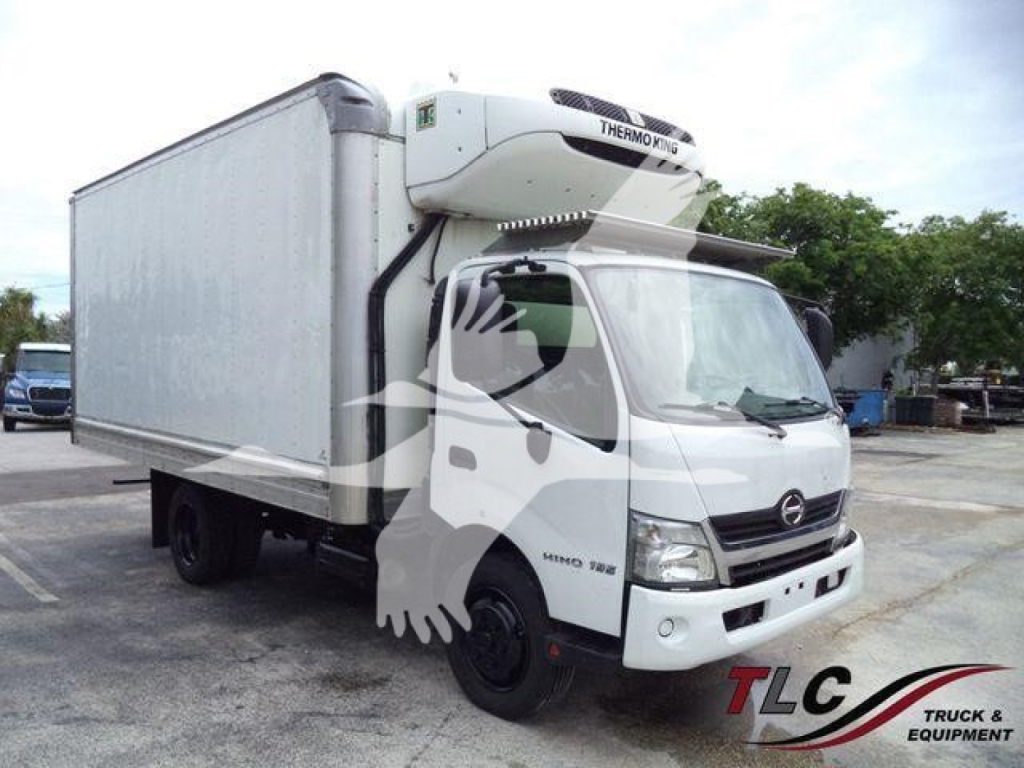
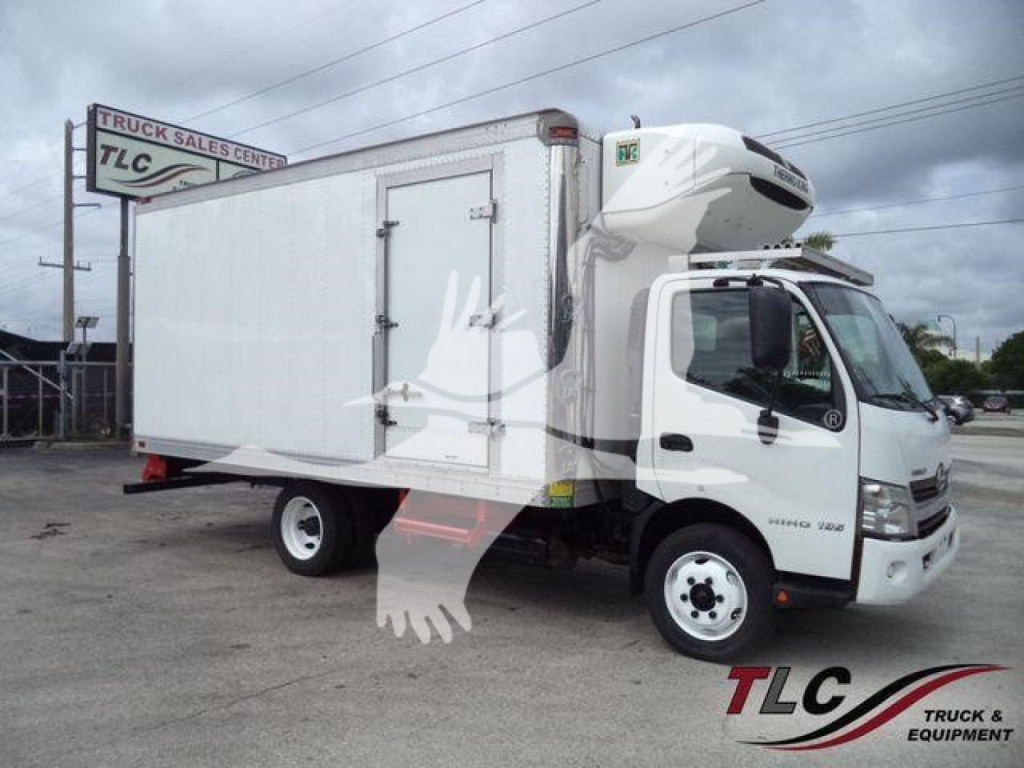
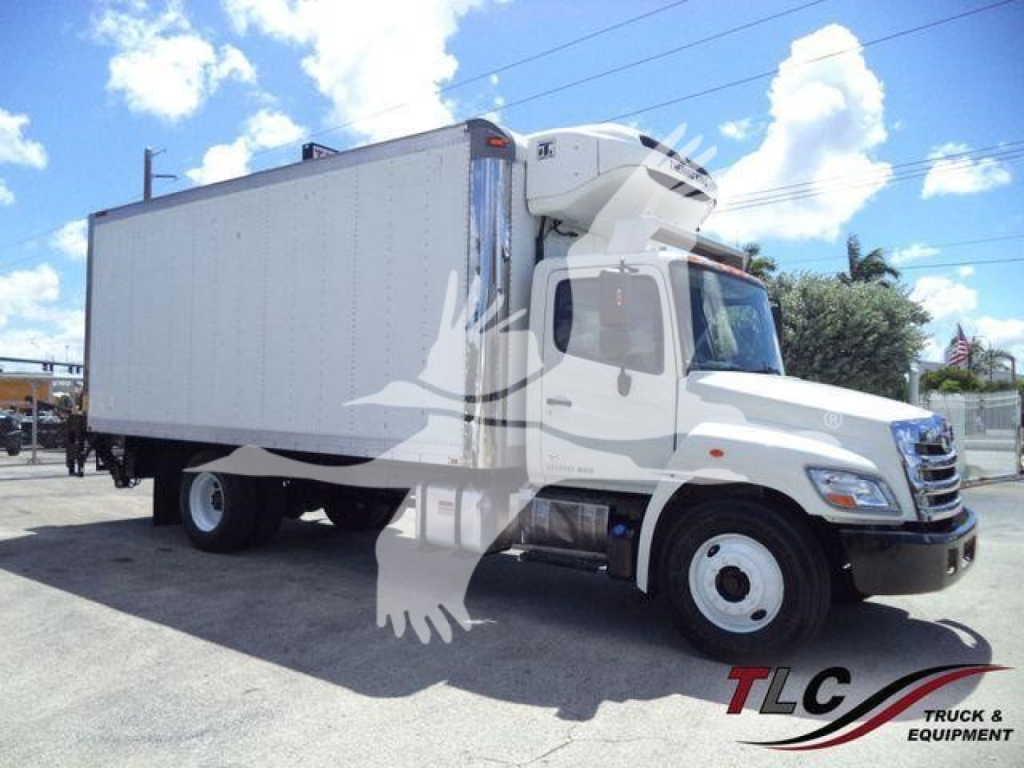
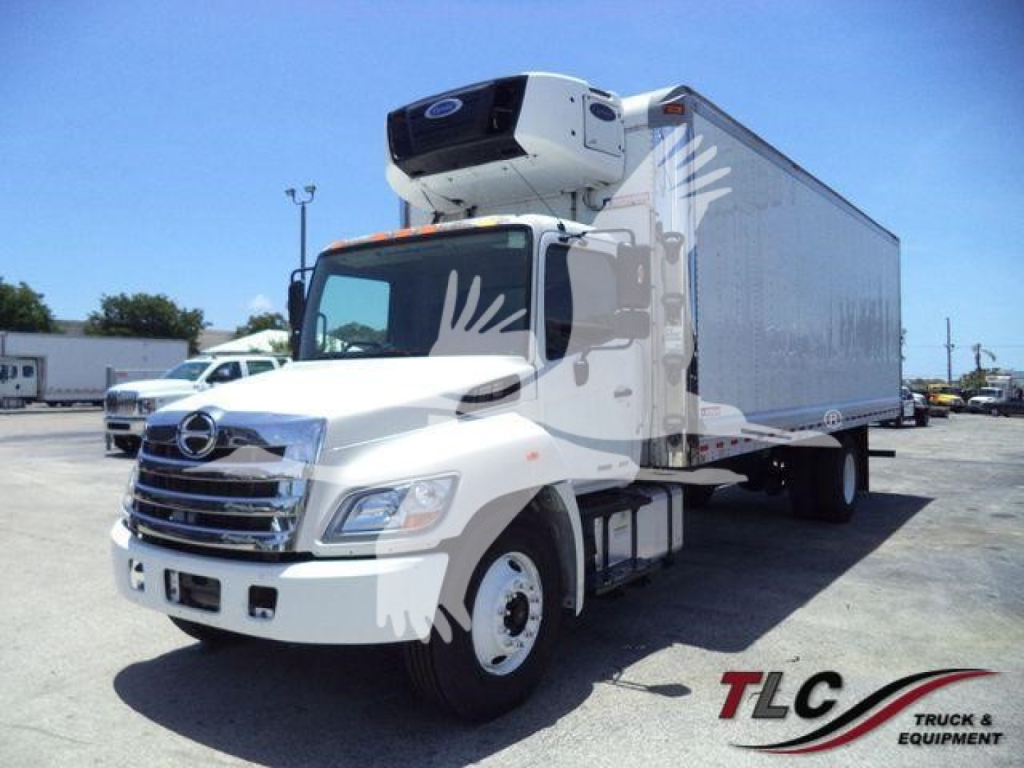
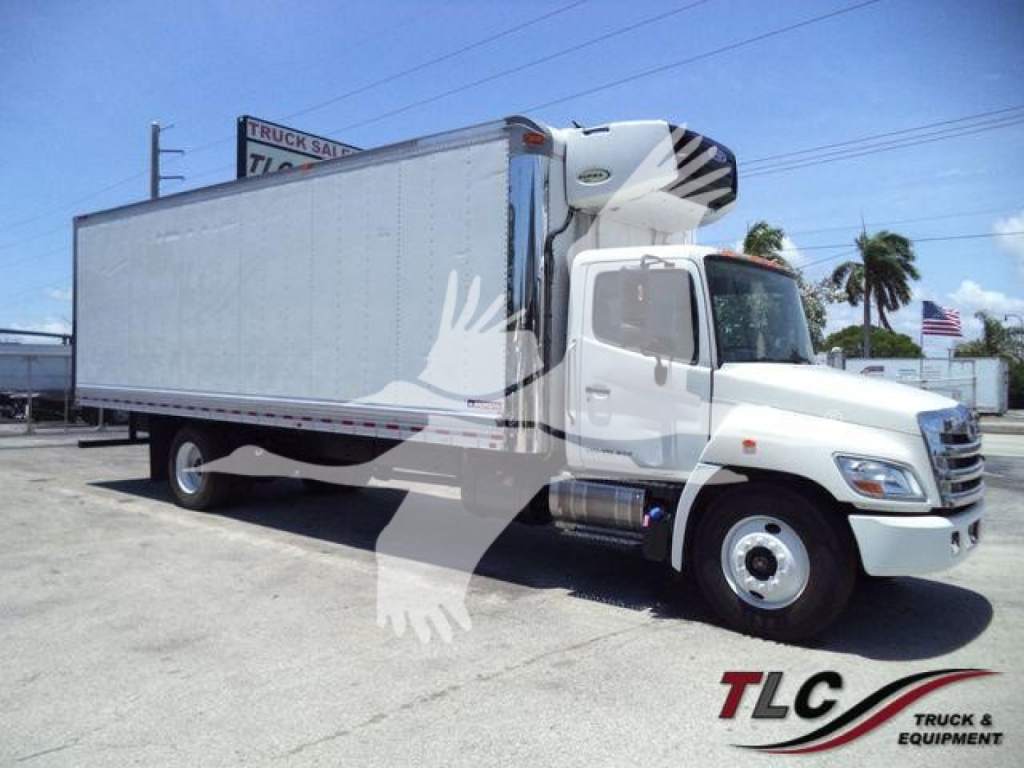
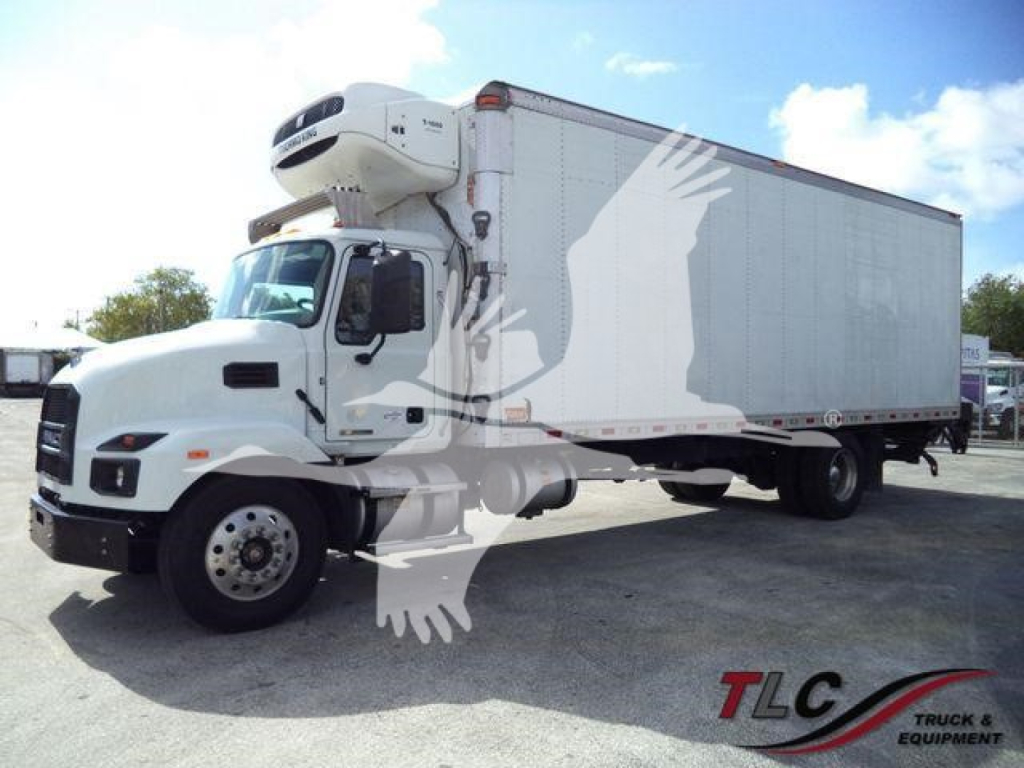
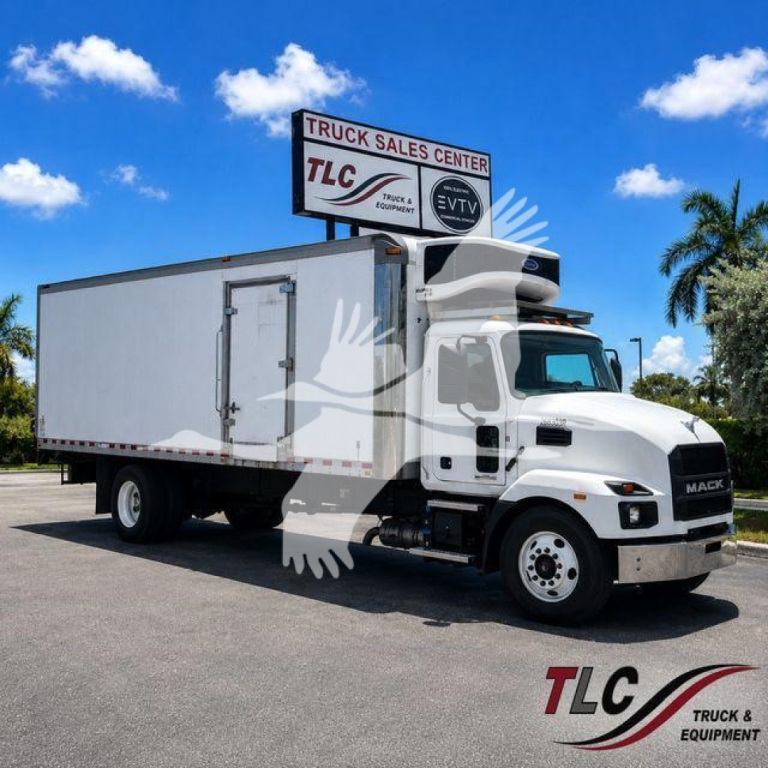
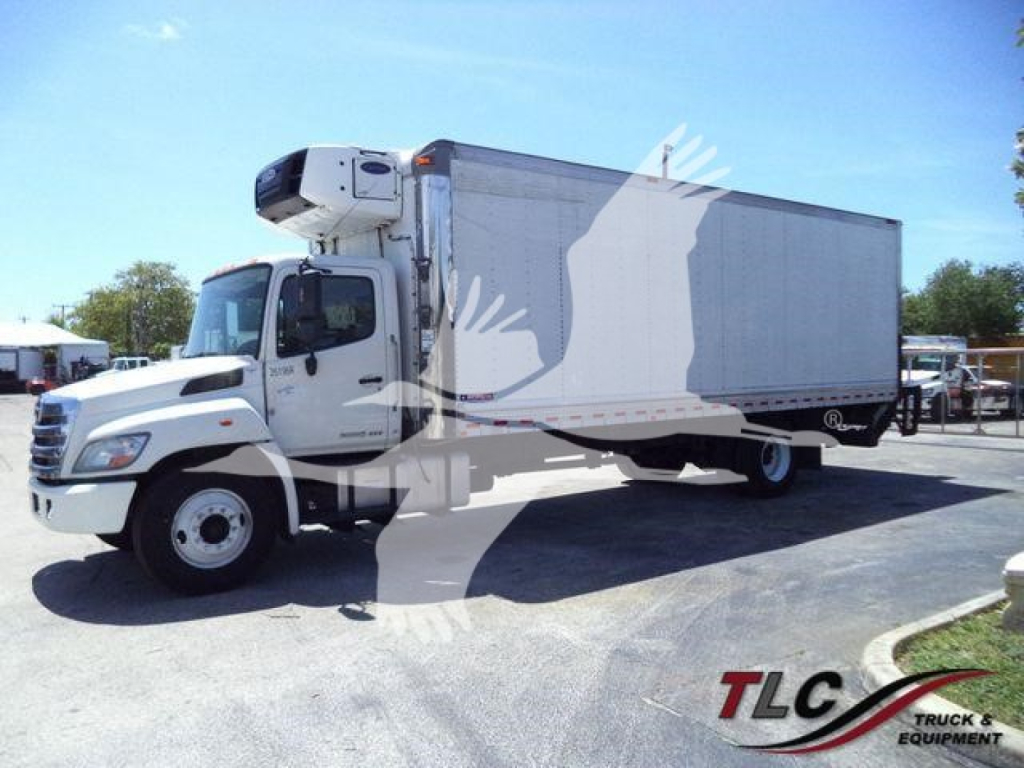
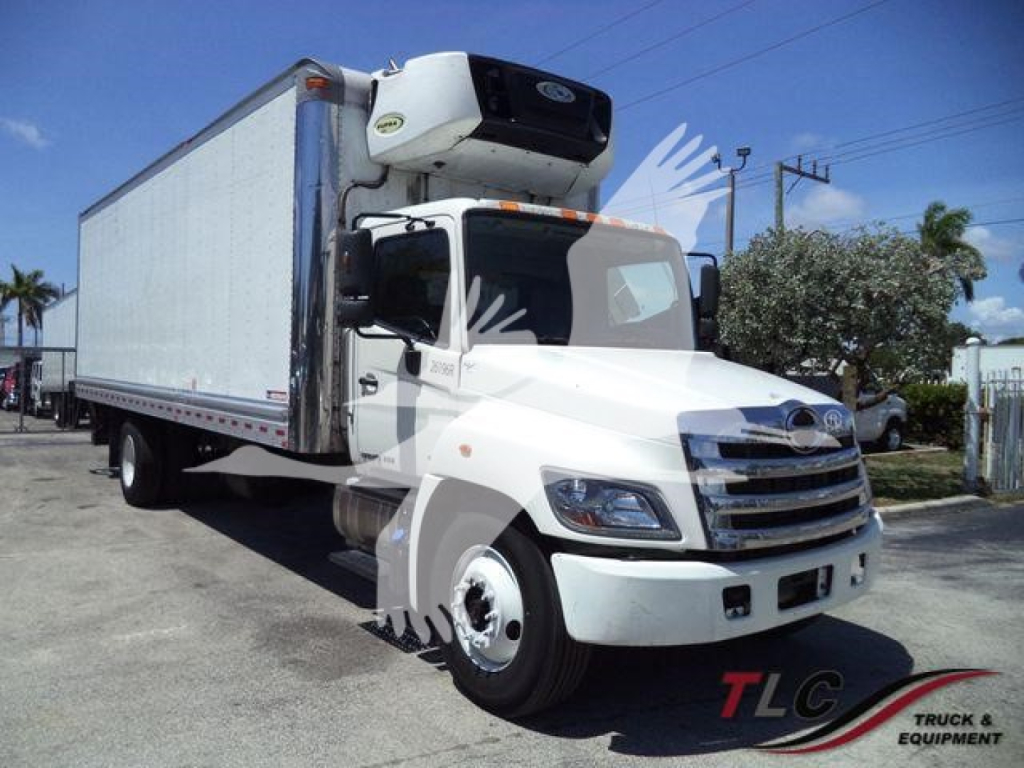
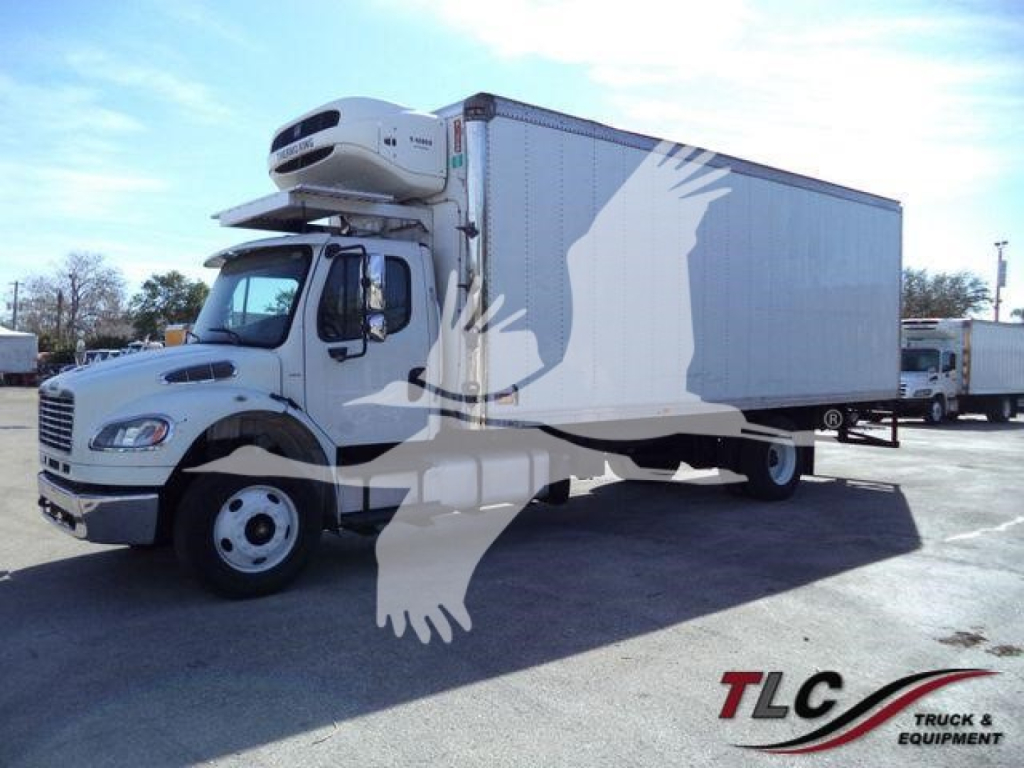
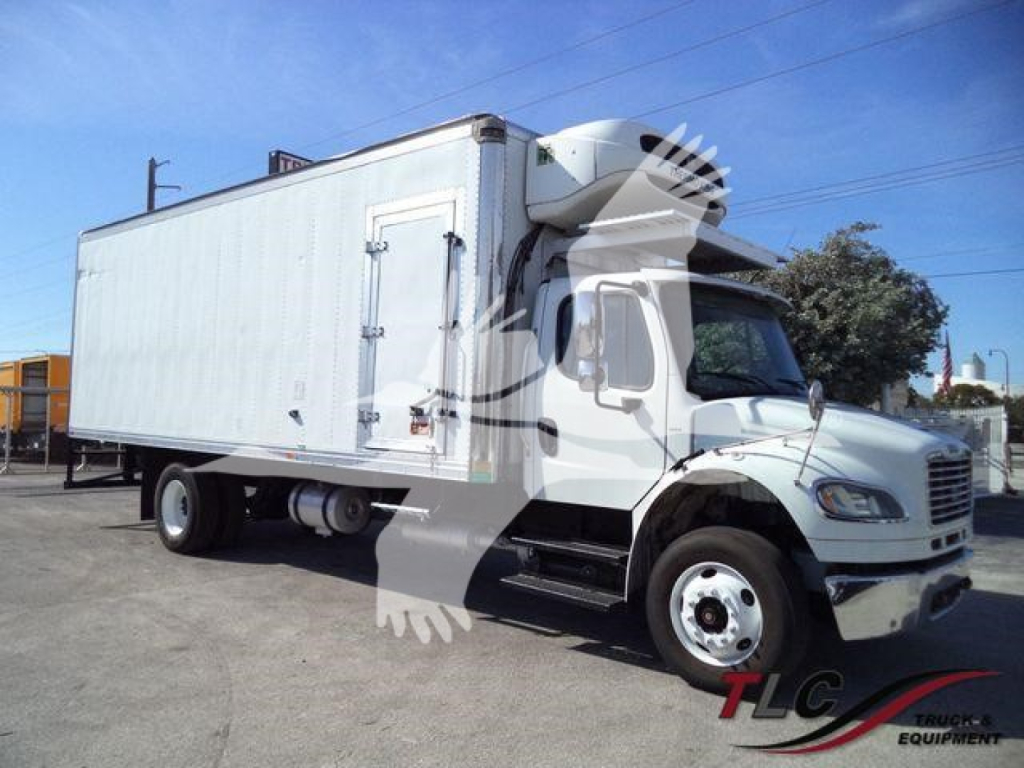
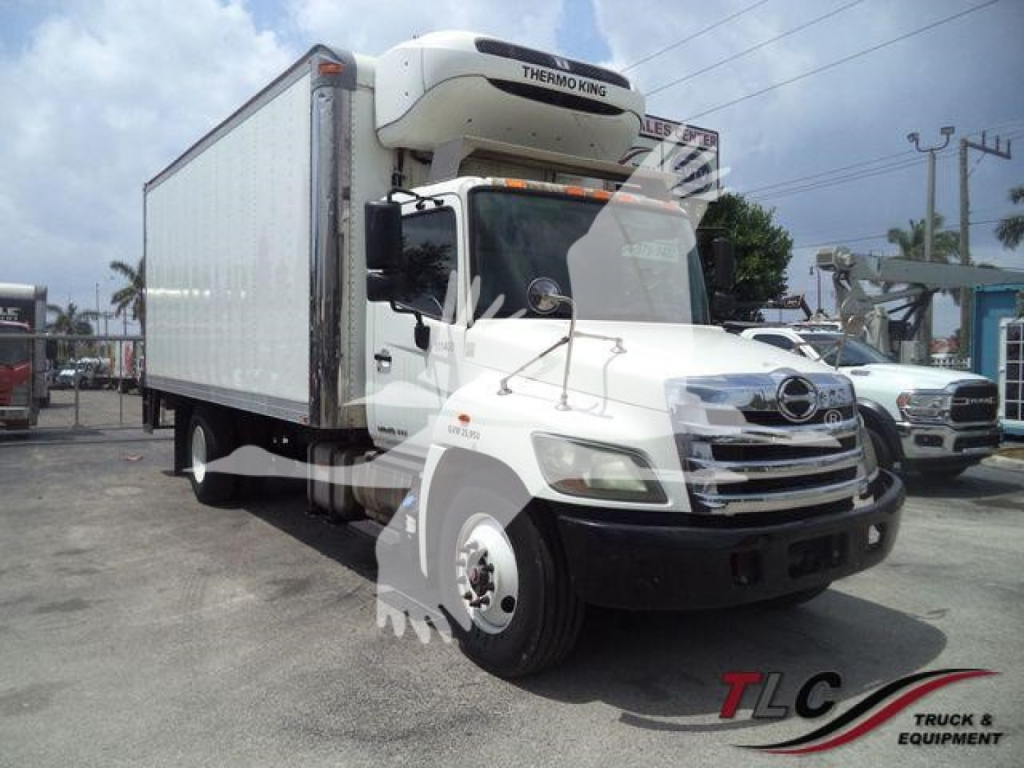
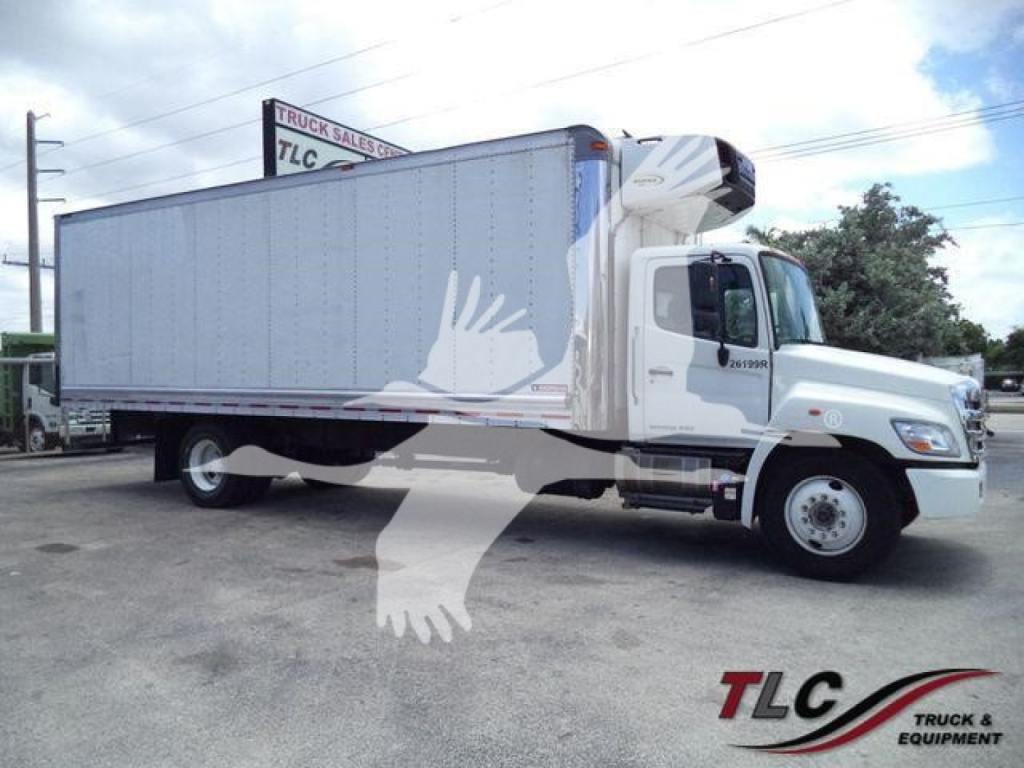
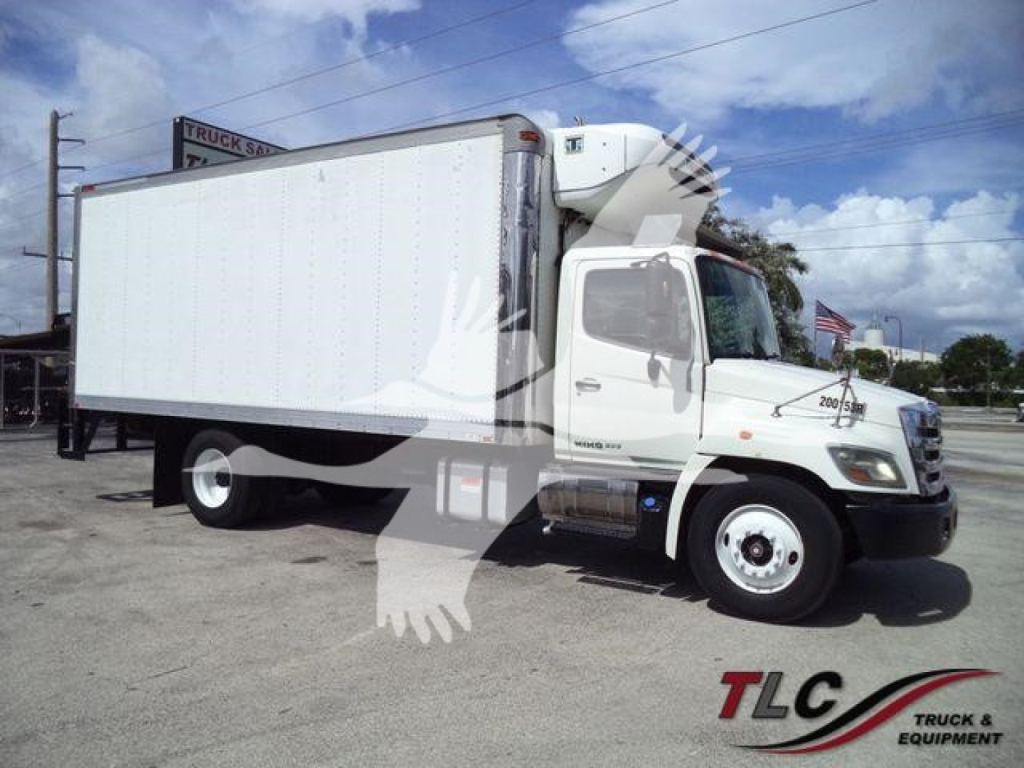
A lot of used refrigerated trucks in this class are non-CDL or under-CDL spec, commonly 19,500 to 25,950 GVWR, which makes them practical for city delivery, grocery routes, and multi-stop service. Common examples include Hino 195 and 268A, plus International Durastar 4300 chassis, usually paired with automatic transmissions, air brakes or hydraulic brakes depending on GVWR, and 16-foot to 26-foot insulated bodies from builders like Morgan or Supreme. Rear access is typically a roll-up door, and many trucks include a pull-out ramp or a tuck-under liftgate for palletized freight. Liftgate capacity, floor condition, and door seal integrity are worth checking because they directly affect loading speed and temperature retention.
On the refrigeration side, Thermo King and Carrier are the names most buyers will see most often. Units such as a Thermo King T-series or Carrier Supra are common on medium-duty reefer trucks and are well suited for straight truck delivery work. Reefer hours are as important as engine miles because the refrigeration unit has its own wear cycle, service needs, and maintenance history. It is smart to verify operating mode, fuel source, defrost function, controller accuracy, and whether the system is set up for fresh or frozen applications. If the route involves constant door openings, look for features and body specs that help recovery time, such as good insulation, tight rear seals, and a bulkhead if the operation runs mixed-zone freight.
For Florida buyers, corrosion exposure, condenser condition, and overall cooling performance in hot weather deserve extra attention. A used refrigerated truck should be evaluated as a complete cold-chain asset, not just a cab and chassis with a box on the back. Check the box interior for scuff liners, wall damage, soft spots in the floor, and evidence of moisture intrusion. Review reefer service records, pre-cool performance, and idle strategy if the truck will be used on dense urban routes. The best used reefer truck is the one matched to the product temperature range, stop frequency, payload, and delivery environment, not simply the newest chassis or the longest box.
Frequently Asked Questions about Used Refrigerated Trucks in Florida
What should I check first on a used refrigerated truck?
Start with the refrigeration unit, not just the chassis mileage. Reefer hours, maintenance records, pull-down performance, temperature stability, defrost operation, and controller accuracy tell you more about cold-chain reliability than engine miles alone. After that, inspect the insulated body for damaged panels, worn door seals, floor soft spots, moisture intrusion, and interior damage from pallets or carts. A used refrigerated truck is only as good as its ability to hold temperature under load.
Is an under-CDL refrigerated truck a good choice for delivery work?
Yes, for many route-delivery operations an under-CDL refrigerated truck is a very practical choice. Trucks rated around 19,500 to 25,950 GVWR are common in foodservice, grocery, bakery, floral, and medical delivery because they are easier to assign to a broader driver pool and are well suited for urban and suburban stops. The tradeoff is payload and box size, so buyers should compare cube, pallet count, and liftgate capacity against the freight they move every day.
Which is more important on a reefer truck, engine miles or reefer hours?
Both matter, but reefer hours are often the better indicator of refrigeration-system wear. The truck engine and the refrigeration unit live different service lives, and a low-mile chassis can still have a heavily used reefer. Buyers should evaluate miles, hours, maintenance intervals, and repair history together. A well-maintained unit with documented service is usually a better buy than a lower-hour unit with gaps in its records.
What body and loading features are most useful on a refrigerated box truck?
The right features depend on how the truck is loaded and how often the doors open. Roll-up rear doors are common for route work, while pull-out ramps help with carts and hand-loaded deliveries. Tuck-under liftgates are valuable for pallet freight and docks without fixed equipment. Inside the body, scuff liners, E-track, a durable insulated floor, and strong door seals improve longevity and help protect temperature control during daily use.
Why does Florida use put extra emphasis on reefer performance?
Florida heat and humidity make refrigeration systems work harder, especially on multi-stop routes with repeated door openings. That means condenser condition, insulation integrity, evaporator performance, and recovery time after each stop are critical. Buyers in Florida should pay close attention to how fast the unit reaches setpoint, how stable box temperature remains in traffic and idle conditions, and whether the body shows signs of moisture intrusion or corrosion from coastal exposure.