
Used 2019 Refrigerated Trucks For Sale in Florida
Shop used 2019 refrigerated trucks in Florida. Compare reefer box trucks by body length, GVWR, reefer unit, liftgate, and delivery use.
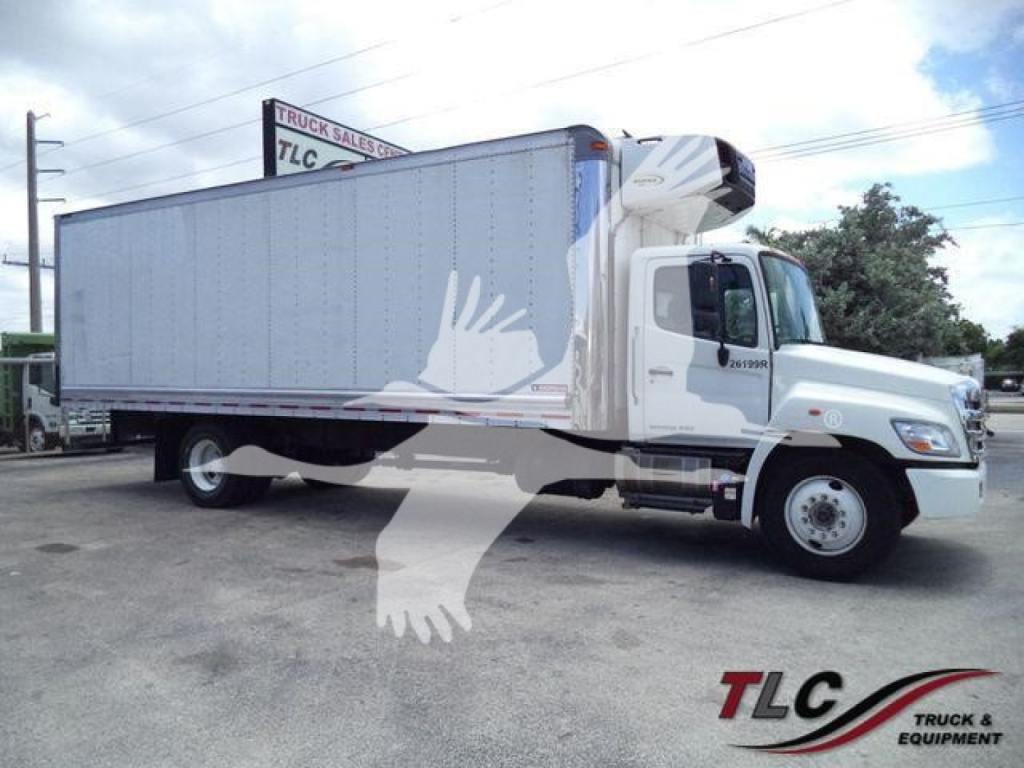
Selling a used 2019 refrigerated truck? List your used 2019 refrigerated truck for sale and reach thousands of commercial buyers.
Used 2019 Refrigerated Trucks in Florida
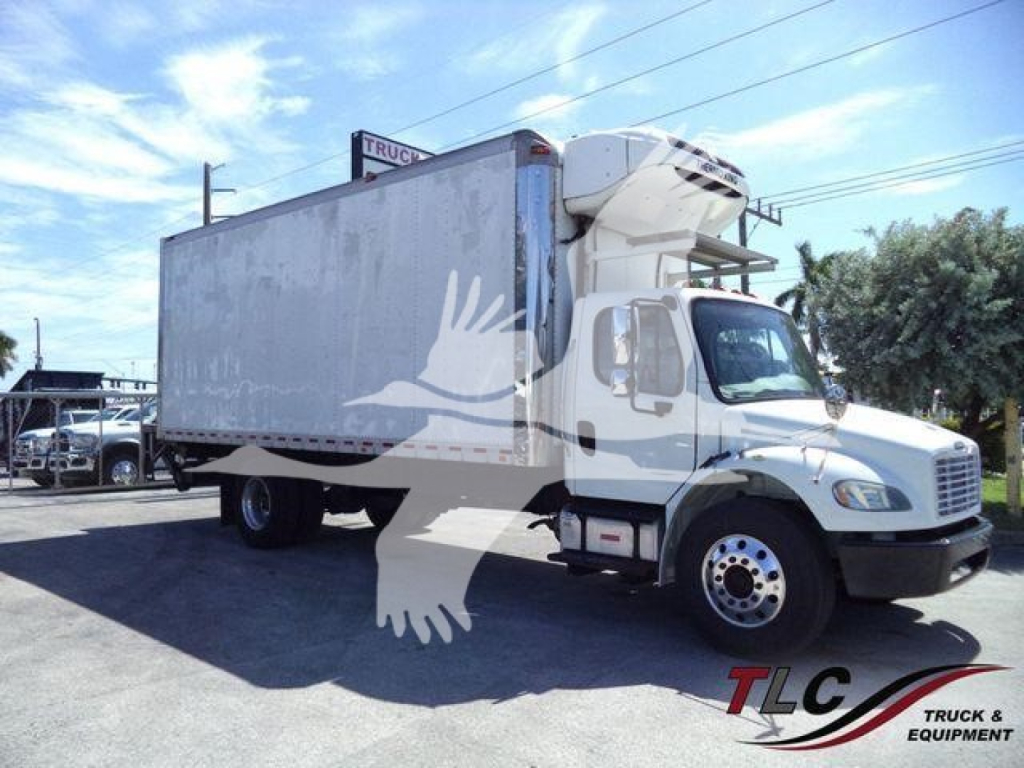
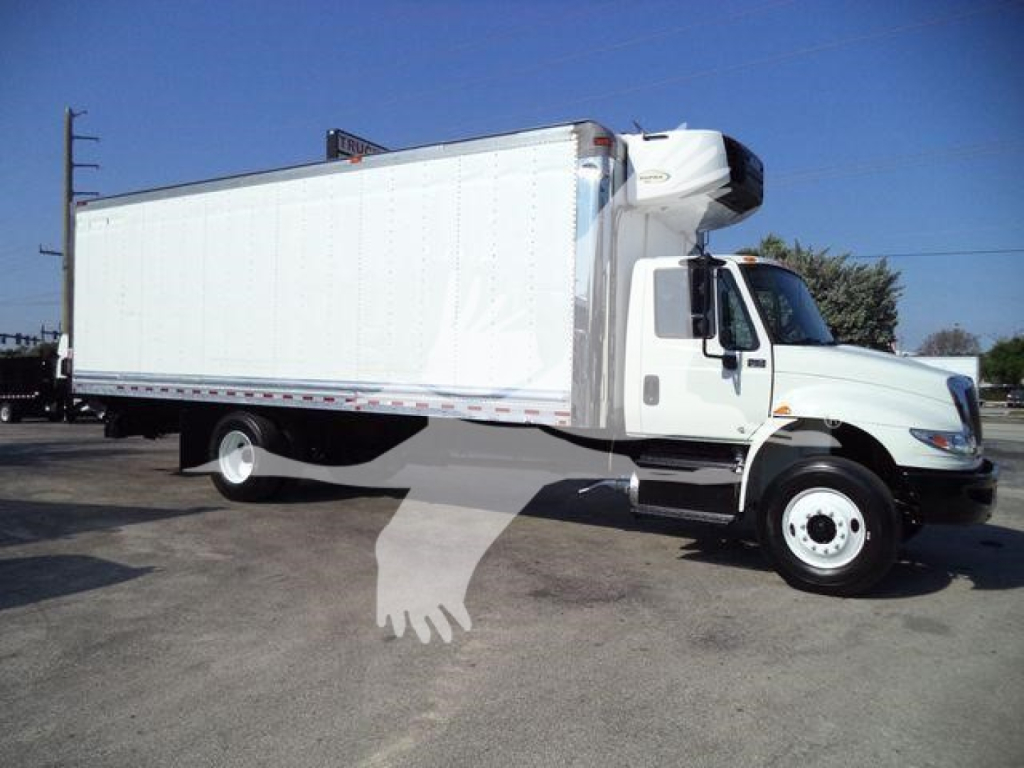
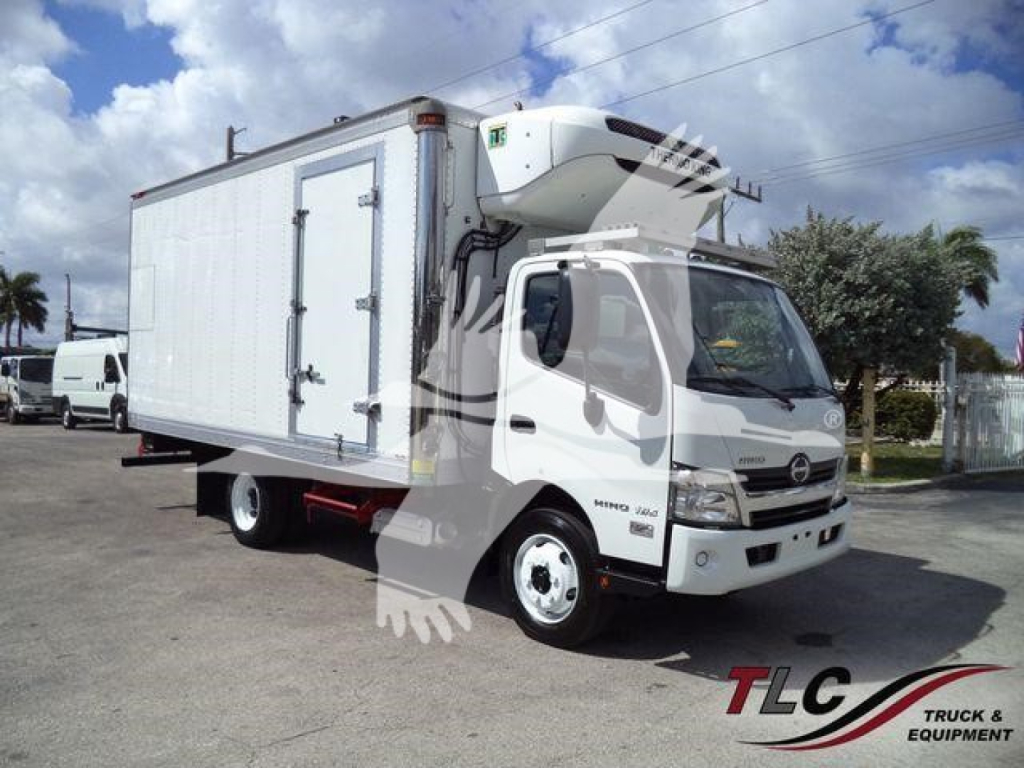
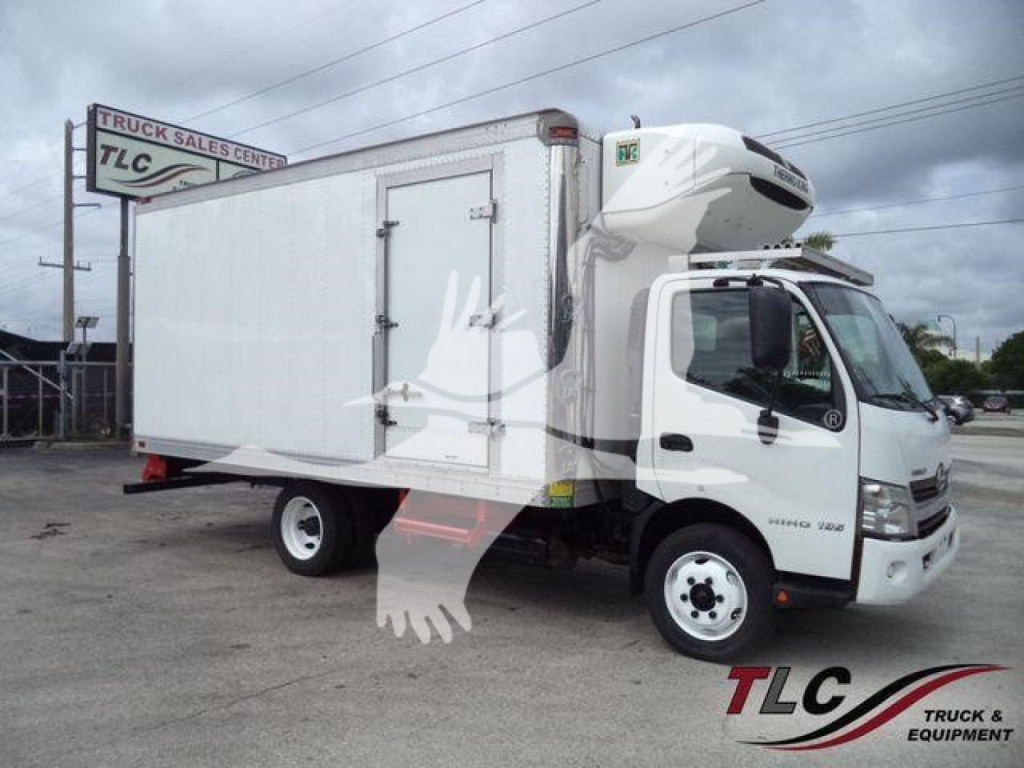
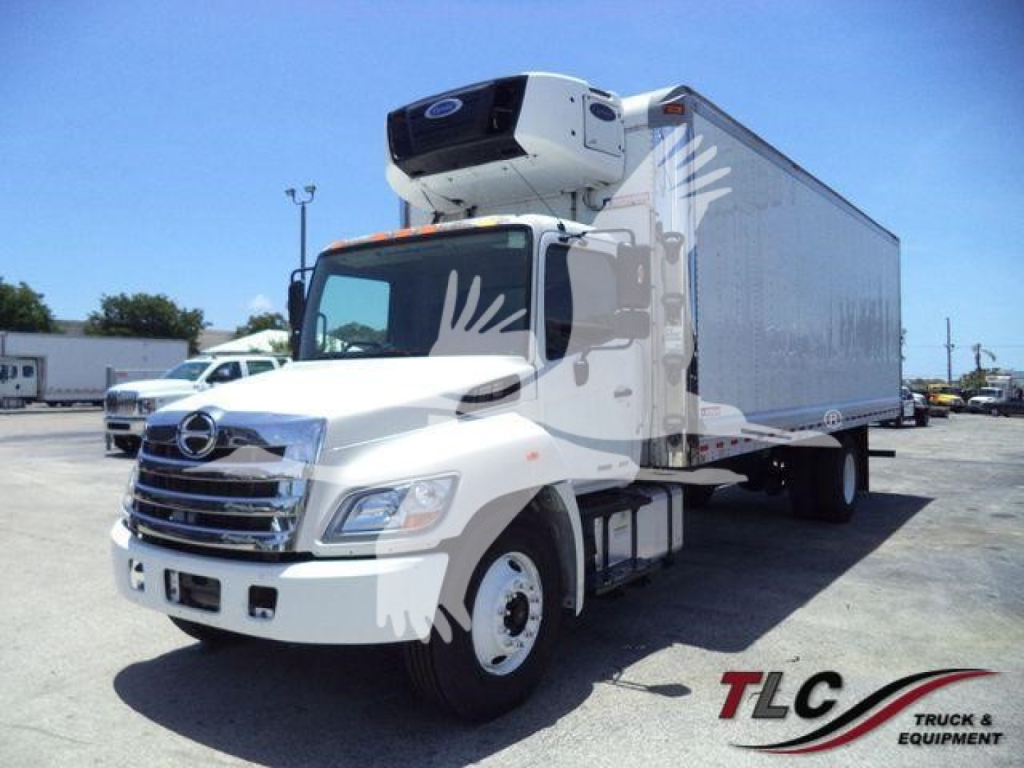
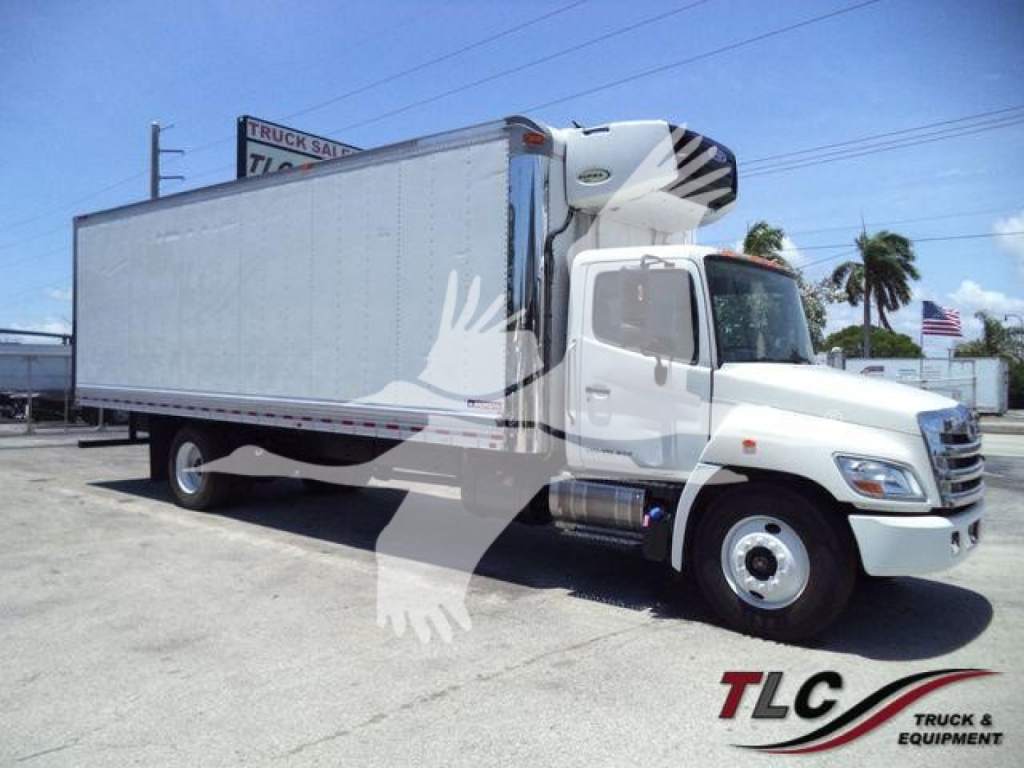
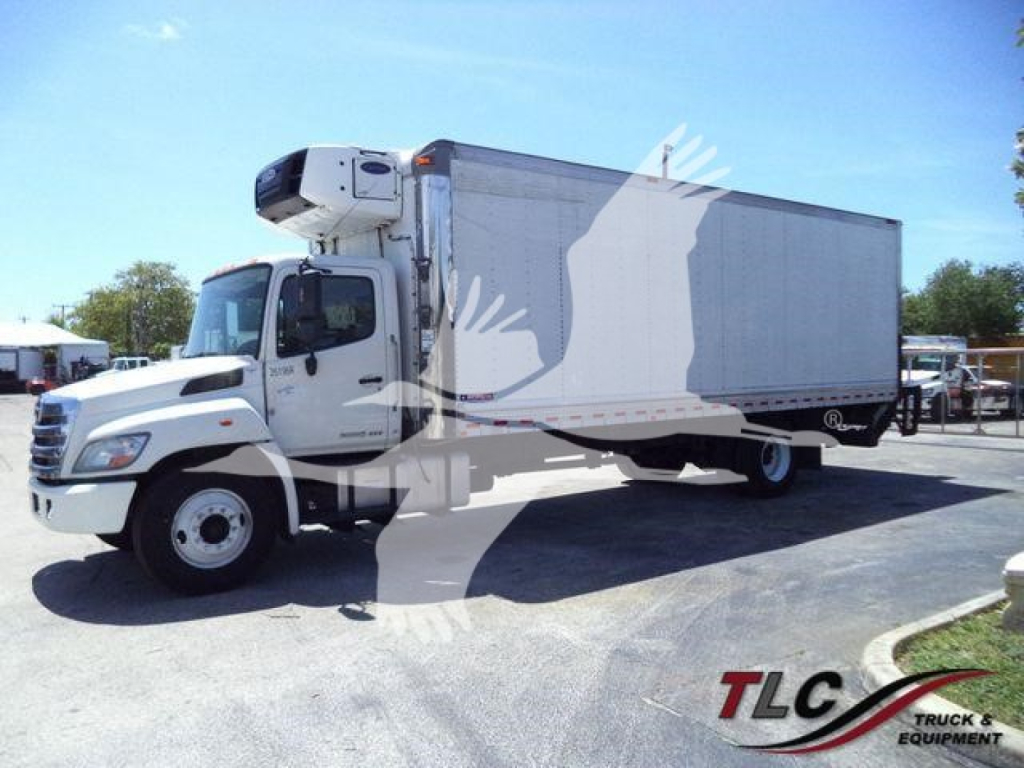
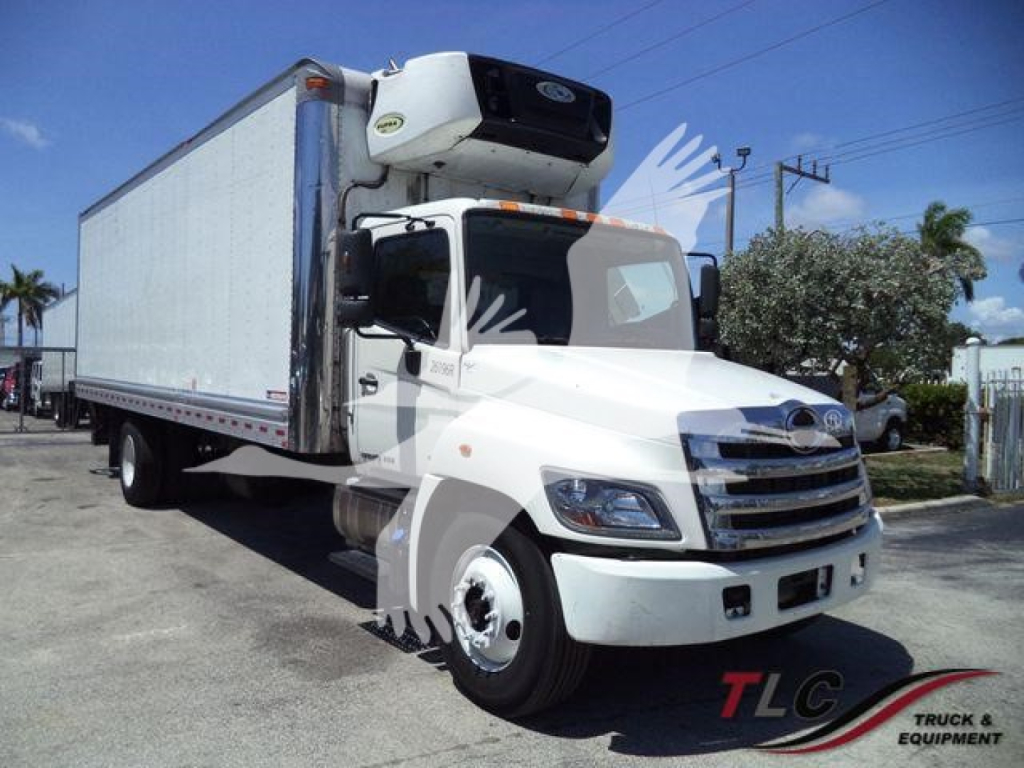
The reefer unit deserves as much attention as the chassis. A 2019 truck may carry a front-mounted unit like a Carrier Supra or Thermo King T-series, and buyers should look closely at hours, pull-down performance, service history, and whether the unit holds the temperatures required for frozen or chilled product. Insulation thickness, door seal condition, evaporator cleanliness, and floor design all affect how well the body maintains temperature in Florida heat and humidity. If your route includes frequent stops, a unit that recovers temperature quickly after door openings is often more valuable than raw box size alone.
Chassis specs in this category commonly include diesel engines in the medium-duty range, automatic transmissions such as Allison automatics, and either hydraulic or air brake setups depending on GVWR. Hino models are common in this segment, especially for local and regional delivery work, because they pair well with 20-foot to 26-foot reefer bodies and straightforward maintenance needs. Buyers should also evaluate payload after the refrigeration body and liftgate are factored in, since a liftgate, thicker insulated walls, and reefer hardware all reduce available cargo capacity compared with a dry van box truck. Fuel tank size matters too on longer regional loops, especially when the truck is powering both route miles and refrigeration demands.
Body configuration can change the truck’s day-to-day usefulness more than buyers expect. A tuck-under liftgate is a strong choice for palletized deliveries without dock access, while a pull-out ramp may suit lighter hand-load applications. Check the floor for soft spots, wall liners for punctures, and the rear frame area for corrosion from washdowns and condensation. For Florida buyers, door gasket condition, reefer drain function, and signs of moisture intrusion are especially important. A well-matched used 2019 refrigerated truck should balance box length, temperature capability, payload, and delivery access so the truck fits the route, not just the budget.
Frequently Asked Questions about Used 2019 Refrigerated Trucks in Florida
What should I check first on a used 2019 refrigerated truck?
Start with the refrigeration system, not just the truck itself. Verify reefer hours, temperature pull-down, operating mode, service records, and any recent repairs to the compressor, evaporator, condenser, or controls. Then inspect the insulated body for damaged seals, moisture intrusion, floor wear, and interior wall damage. A sound chassis is important, but a reefer truck only earns if the box and unit can reliably protect temperature-sensitive cargo.
Are many 2019 refrigerated trucks under CDL in this class?
Yes. Many medium-duty refrigerated trucks are spec'd at or below 26,000 pounds GVWR, with common ratings around 19,500 or 25,950 pounds. That can be a major advantage for local delivery fleets that want more flexibility in hiring drivers. Buyers still need to confirm the exact GVWR on the door tag and account for body weight, liftgate weight, and reefer equipment weight when calculating legal payload.
Which is better for a reefer truck, a liftgate or a ramp?
It depends on the delivery profile. A tuck-under liftgate is usually better for palletized freight, heavier product, and routes with mixed customer docks or curbside drops. A pull-out ramp can work well for lighter hand-cart deliveries and may be simpler to maintain. The key is matching the rear access equipment to product weight, stop frequency, and how often the truck unloads without dock support.
How important is box length on a used refrigerated truck?
Box length affects more than cubic capacity. A 16-foot body can be easier in urban delivery and tighter parking environments, while a 20-foot to 26-foot reefer body supports denser route loading and multi-stop distribution. Longer bodies can reduce maneuverability and may change payload depending on body construction and refrigeration components. Buyers should choose the shortest body that still handles route volume efficiently.
What matters most for refrigerated trucks operating in Florida?
Heat, humidity, and stop-and-go delivery conditions make thermal performance critical in Florida. Buyers should pay close attention to insulation quality, door gasket condition, reefer recovery speed, and any signs of condensation damage inside the body. Corrosion around drains, rear frames, and liftgate components is also worth checking because repeated washdowns and moisture exposure can shorten service life if the truck has not been maintained properly.