
Used 2019 Hino Refrigerated Trucks For Sale in Florida
Shop used 2019 Hino refrigerated trucks in Florida. Compare Hino 195 and 268A reefer specs, body sizes, GVWR, and cold-chain features.
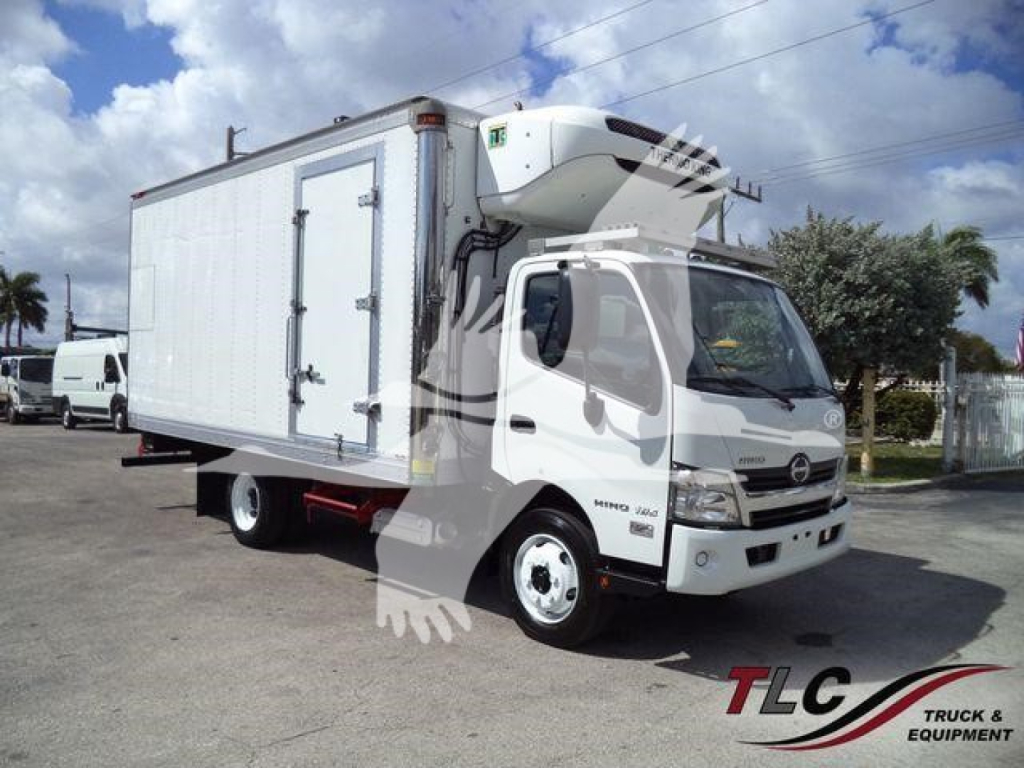
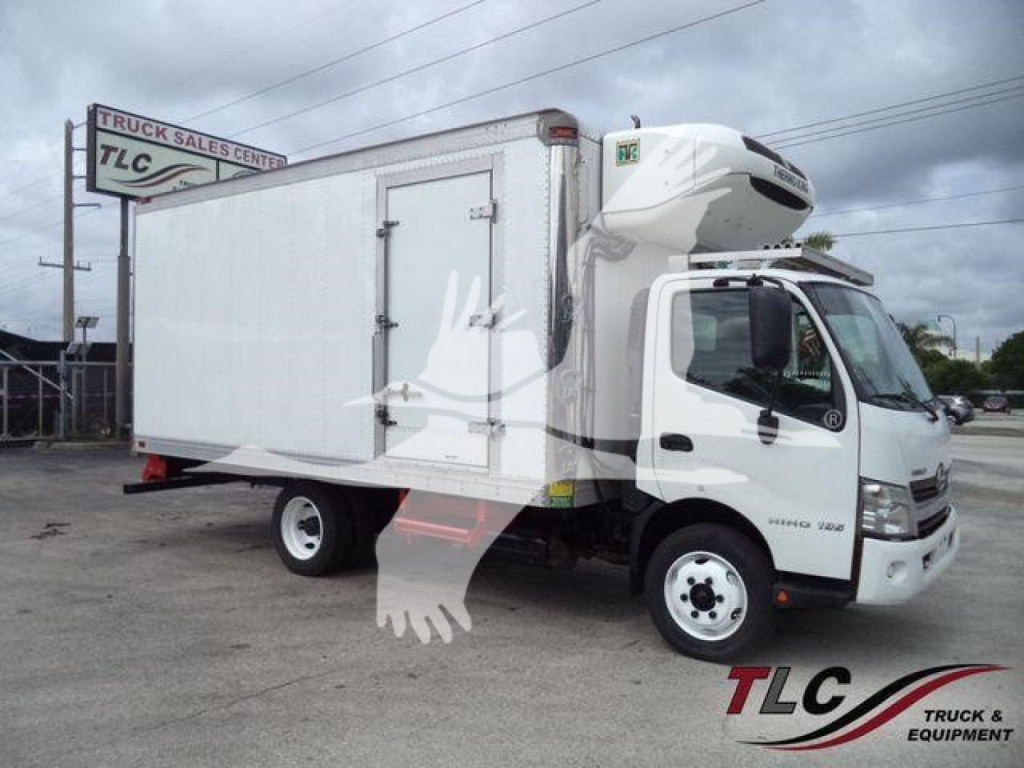
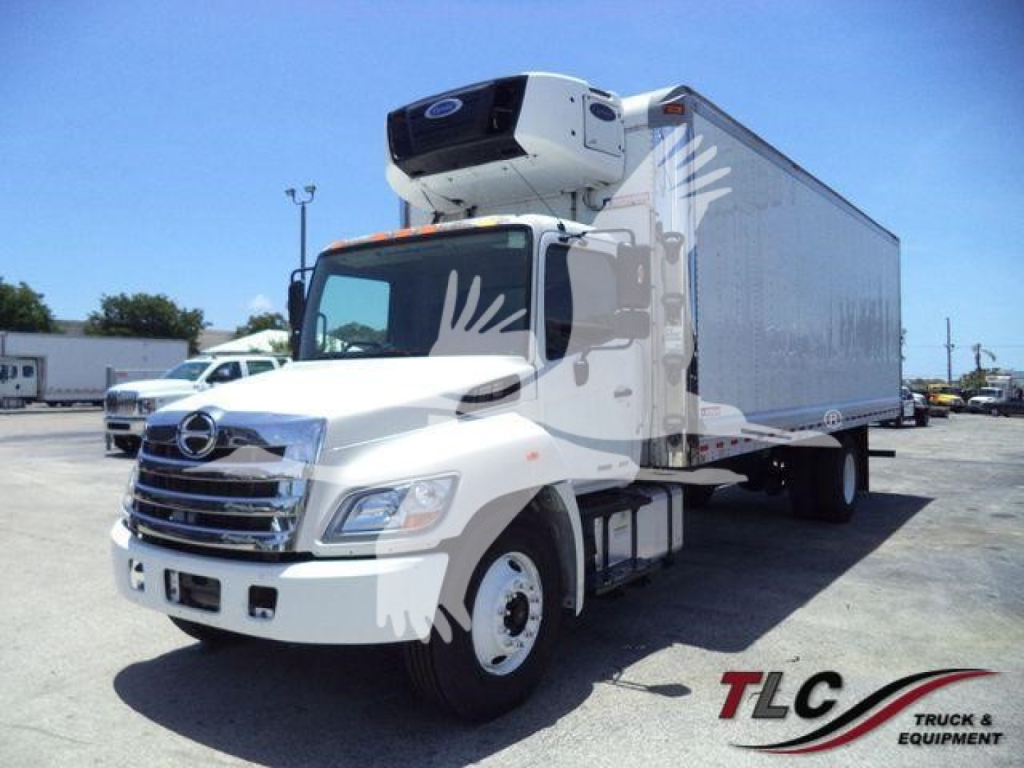
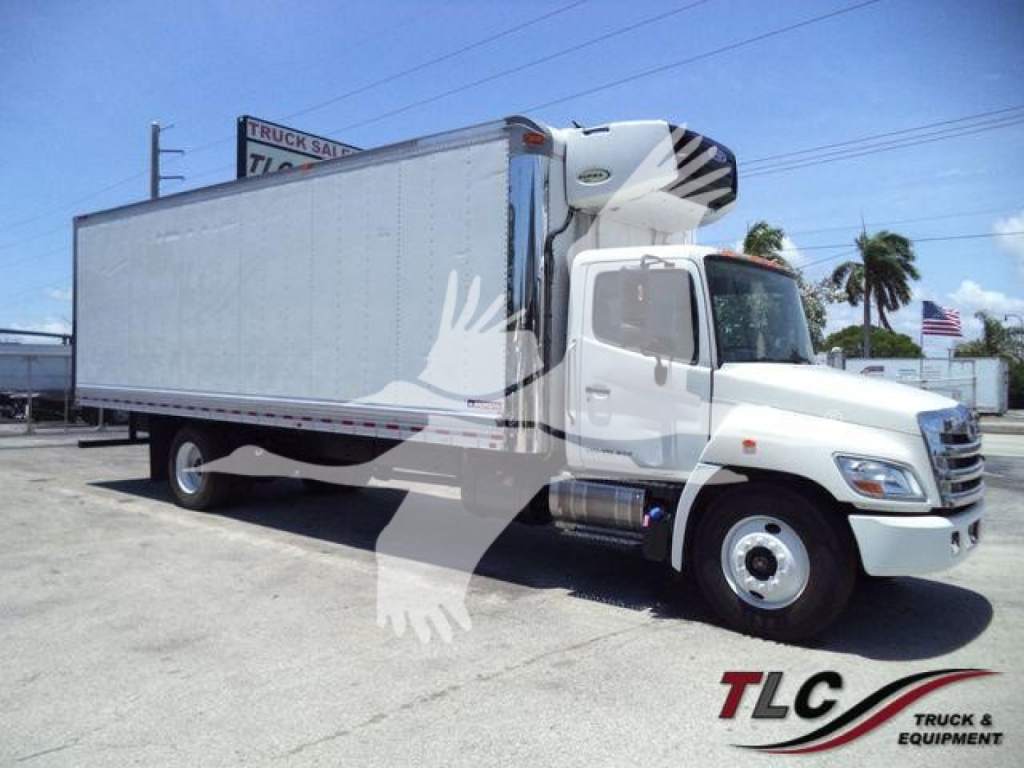
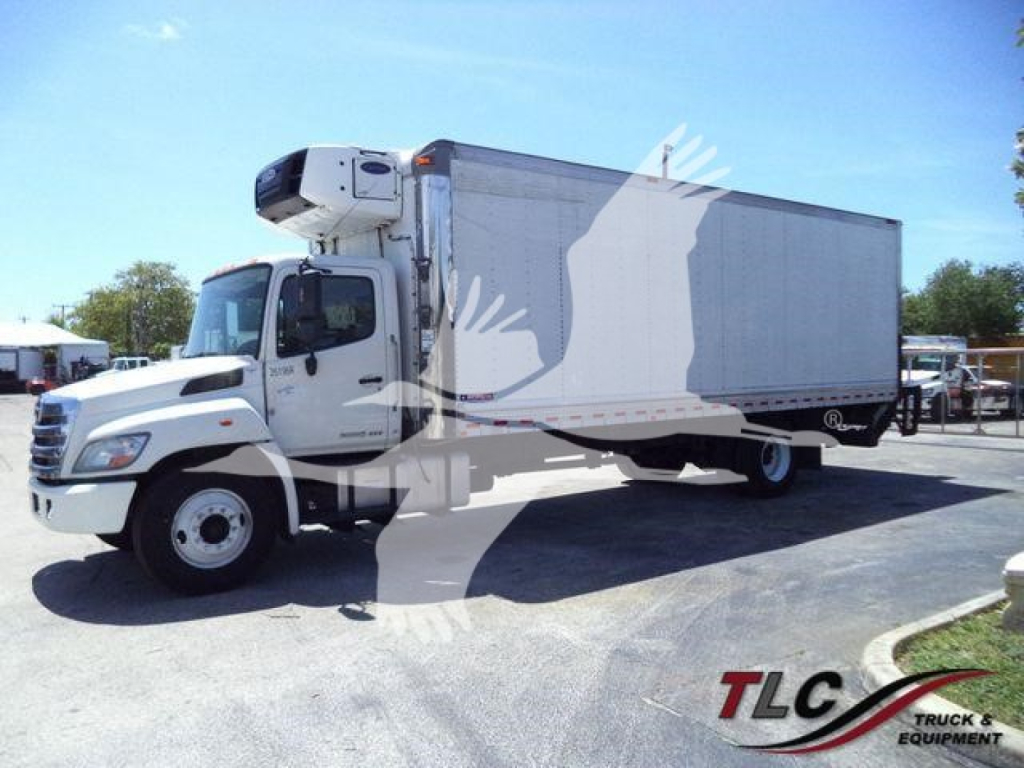
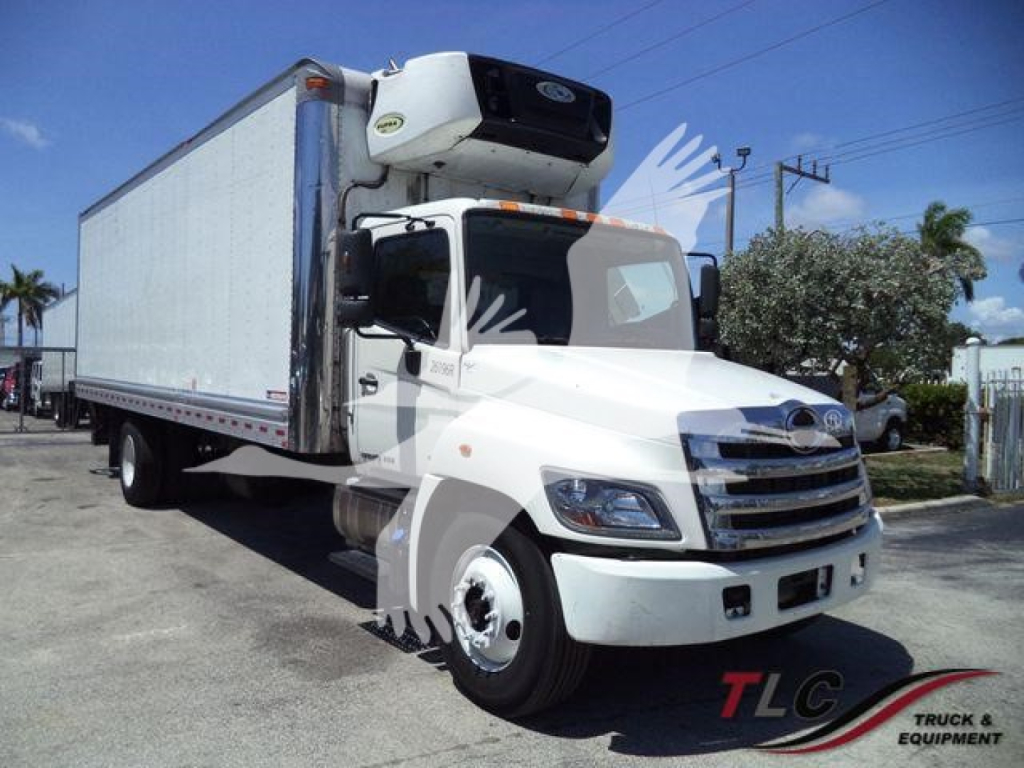
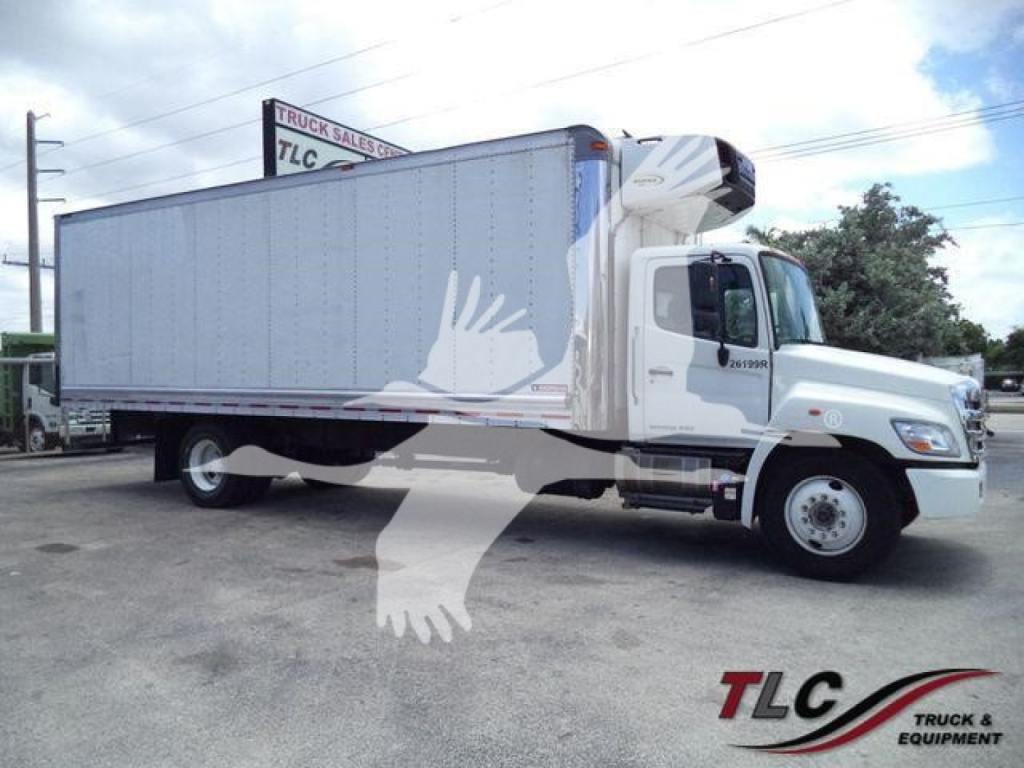
Selling a used 2019 hino refrigerated truck? List your used 2019 hino refrigerated truck for sale and reach thousands of commercial buyers.
Used 2019 Hino Refrigerated Trucks in Florida
The first decision is usually body size and route profile. A Hino 195 refrigerated truck is often paired with a 16-foot insulated body and works well in tighter city delivery lanes, restaurant routes, and multi-stop urban service where turning radius and dock access matter. A Hino 268A reefer truck is more commonly found with a 20-foot to 26-foot refrigerated body, making it better suited for higher cube routes, larger pallet counts, and wholesale distribution. Roll-up rear doors are common, and some trucks add a curbside door for faster hand-load work. Pull-out or roll-out ramps are useful when routes involve carts, dollies, or mixed dock conditions instead of forklift-only loading.
On the chassis side, 2019 Hino refrigerated trucks are typically equipped with automatic transmissions, which is a real advantage on dense stop-and-go routes in Florida traffic. The Hino 195 commonly uses the 5.1L J05E-series turbo diesel rated around 210 hp. The 268A generally steps up to a larger diesel with more torque for longer bodies and heavier refrigerated loads, and many are spec'd with air brakes. Buyers should look closely at GVWR, axle ratings, wheelbase, and body length because reefer bodies, insulation, fuel, and refrigeration equipment all affect usable payload. Under-CDL spec matters to many fleets, especially when hiring flexibility is important, but payload and route frequency still need to pencil out against the truck's empty weight.
The refrigeration system deserves as much attention as the truck itself. Common units in this class include Thermo King and Carrier systems, and reefer hours often tell more than odometer miles about cold-side wear. Check unit start history, temperature pull-down performance, evaporator and condenser condition, insulation integrity, door seal condition, and floor type. In Florida, high ambient temperatures and humidity make reefer performance especially important, so buyers should verify the unit can hold setpoint consistently during loading, idling, and repeated door openings. Also inspect the body for leaks, damaged scuff liners, soft floors, and corrosion around door frames, because cargo protection and sanitation are just as important as engine condition on a refrigerated truck.
Frequently Asked Questions about Used 2019 Hino Refrigerated Trucks in Florida
What is the difference between a 2019 Hino 195 reefer truck and a 2019 Hino 268A reefer truck?
The biggest differences are GVWR, body capacity, and route role. A 2019 Hino 195 is typically an under-CDL refrigerated box truck around 19,500 lb GVWR and is often fitted with a 16-foot reefer body for tighter urban routes. A 2019 Hino 268A is usually closer to 25,950 lb GVWR and is commonly paired with 20-foot to 26-foot refrigerated bodies for larger pallet counts and more cubic capacity. The 268A generally gives buyers more payload and body length, while the 195 is easier to maneuver and often better suited to dense multi-stop delivery work.
Is a used 2019 Hino refrigerated truck in Florida a good choice for food and cold-chain delivery?
Yes, if the refrigeration system and insulated body are in good condition. Florida routes put extra stress on reefer performance because of sustained heat, humidity, and frequent door openings. A used 2019 Hino refrigerated truck can be a solid choice for produce, dairy, meat, frozen goods, pharmaceuticals, and floral delivery, but the truck should be evaluated as a complete cold-chain package. Buyers should confirm the reefer unit holds temperature under load, inspect door seals and insulation, and make sure the body shows no signs of water intrusion or floor damage.
What should buyers inspect first on a used 2019 Hino reefer truck?
Start with reefer hours, service records, and body condition before focusing only on engine miles. The refrigeration unit is a major cost center and directly affects revenue, so buyers should verify start-up, pull-down time, operating temperature stability, and maintenance history. After that, inspect the insulated box for leaks, damaged scuff liners, soft spots in the floor, worn seals, and door hardware issues. On the chassis, review GVWR, brake type, transmission operation, tire wear, and any signs that the body and wheelbase combination may be mismatched for the intended payload.
Are 2019 Hino refrigerated trucks typically under CDL?
Some are and some are not, depending on the model and final GVWR. Many 2019 Hino 195 refrigerated trucks are spec'd at 19,500 lb GVWR, which is under the 26,001 lb CDL threshold. Many 2019 Hino 268A reefer trucks are also set up at 25,950 lb GVWR, which is still under CDL in many applications. That said, CDL requirements can also be affected by air brake rules, local regulations, endorsements, and how the truck is used, so buyers should confirm compliance based on their operating state and driver qualification needs.
How important are reefer hours on a used 2019 Hino refrigerated truck?
Reefer hours are very important because they reflect how much the refrigeration unit has actually worked, independent of chassis mileage. A truck with moderate road miles can still have a heavily used refrigeration system if it spent long periods idling or running overnight to maintain temperature. Higher reefer hours are not automatically a problem if maintenance has been consistent, but buyers should compare hours to service history, inspect major components, and budget realistically for future repairs. On a refrigerated truck, the cooling unit is central to uptime and should be treated as a primary asset, not an accessory.