
Used 2019 Hino Refrigerated Trucks For Sale
Shop used 2019 Hino refrigerated trucks, including under-CDL reefer box trucks with 16-26 ft bodies, diesel power, and liftgate options.
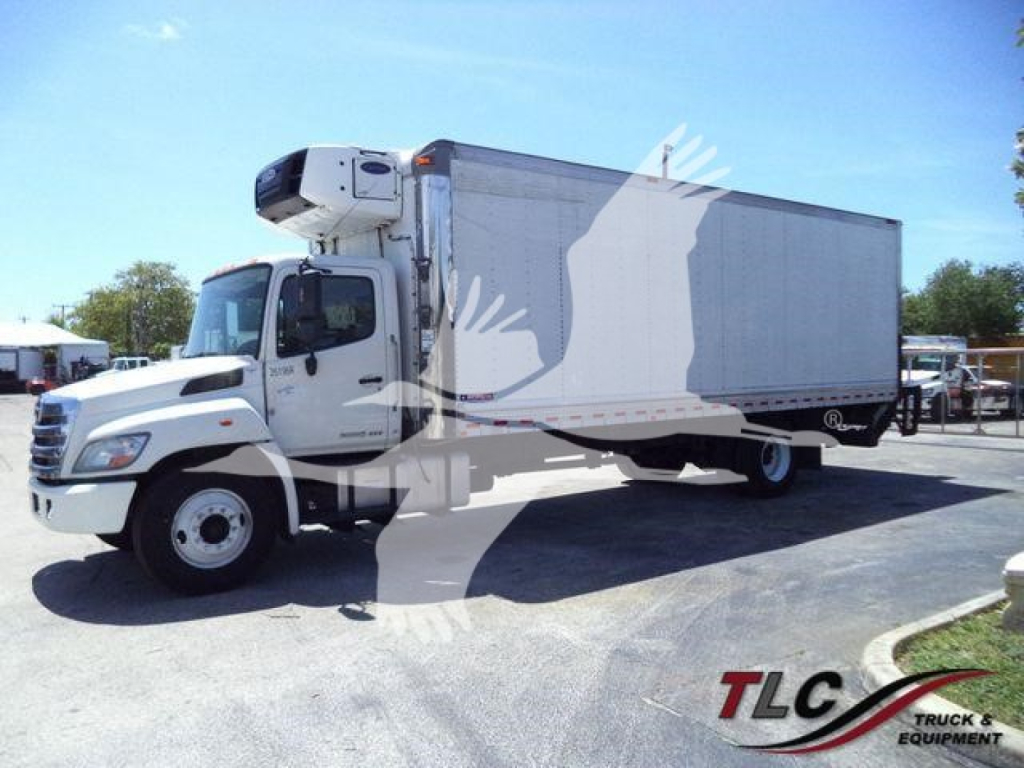
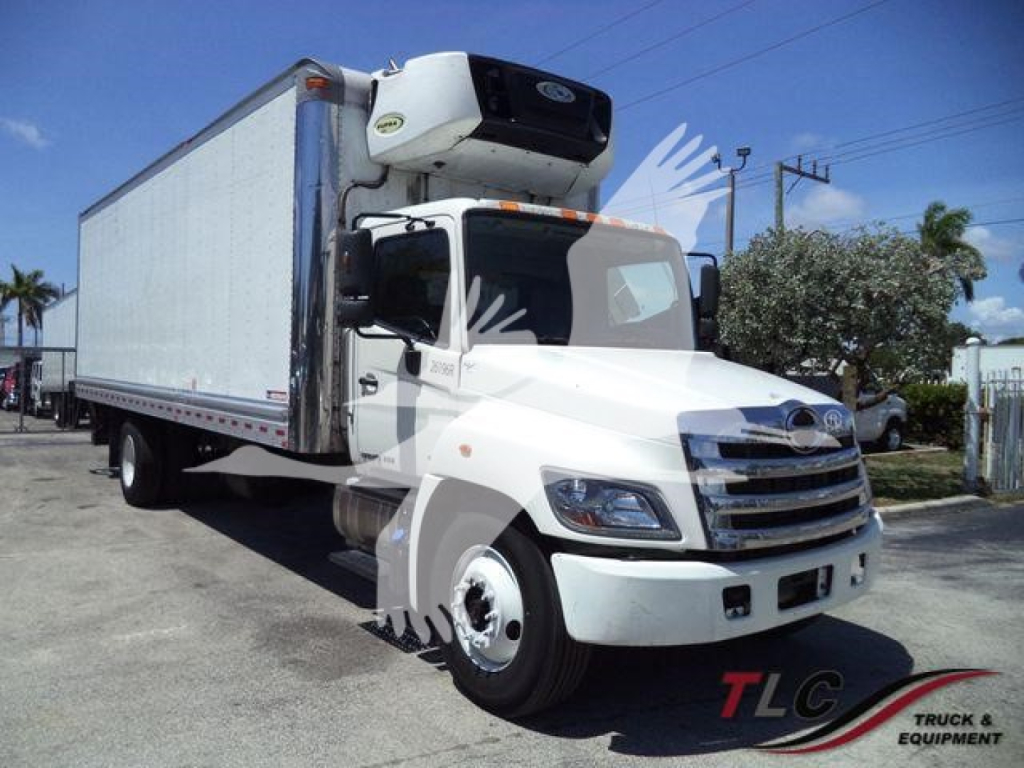
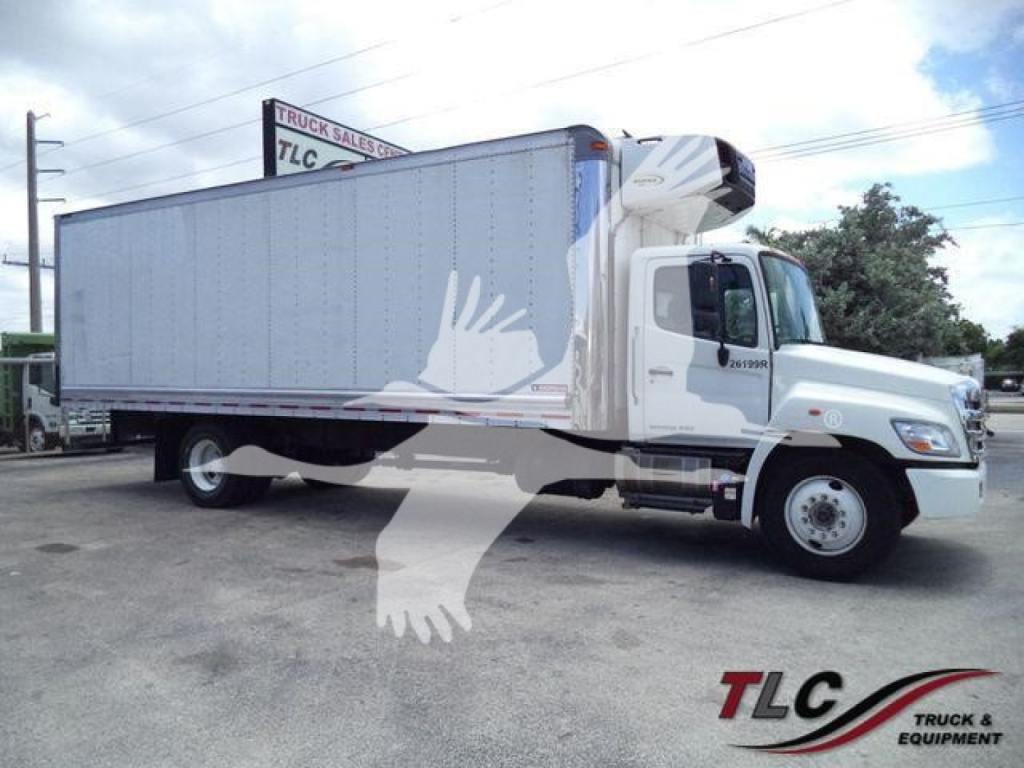
Selling a used 2019 hino refrigerated truck? List your used 2019 hino refrigerated truck for sale and reach thousands of commercial buyers.
Used 2019 Hino Refrigerated Trucks
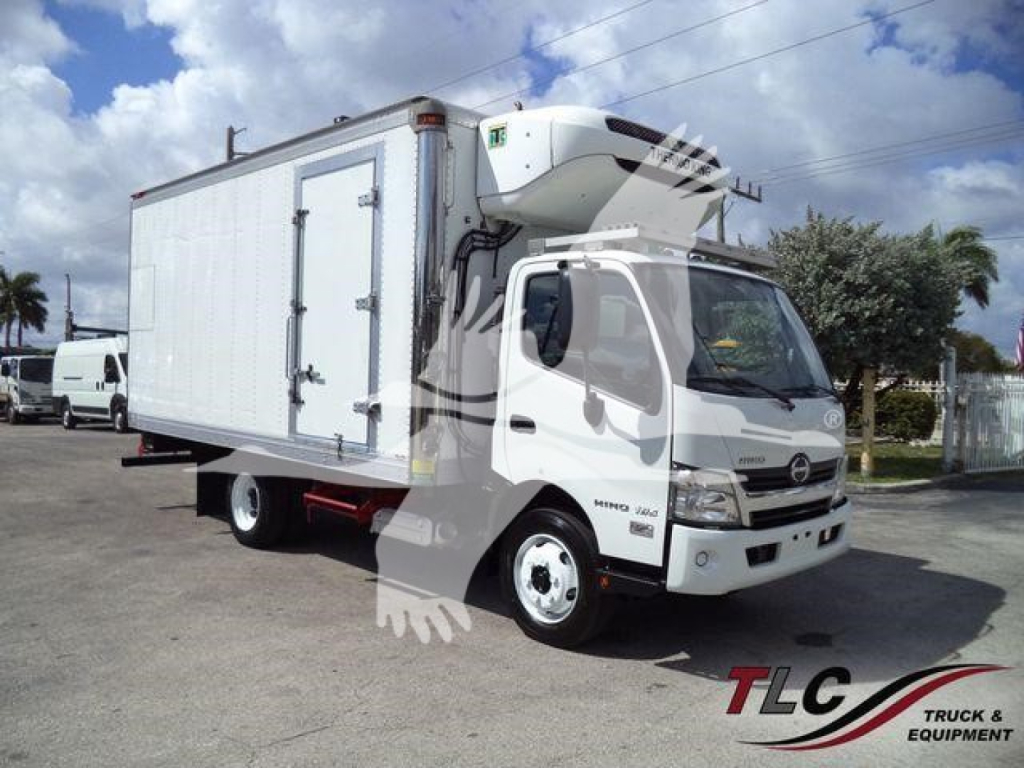
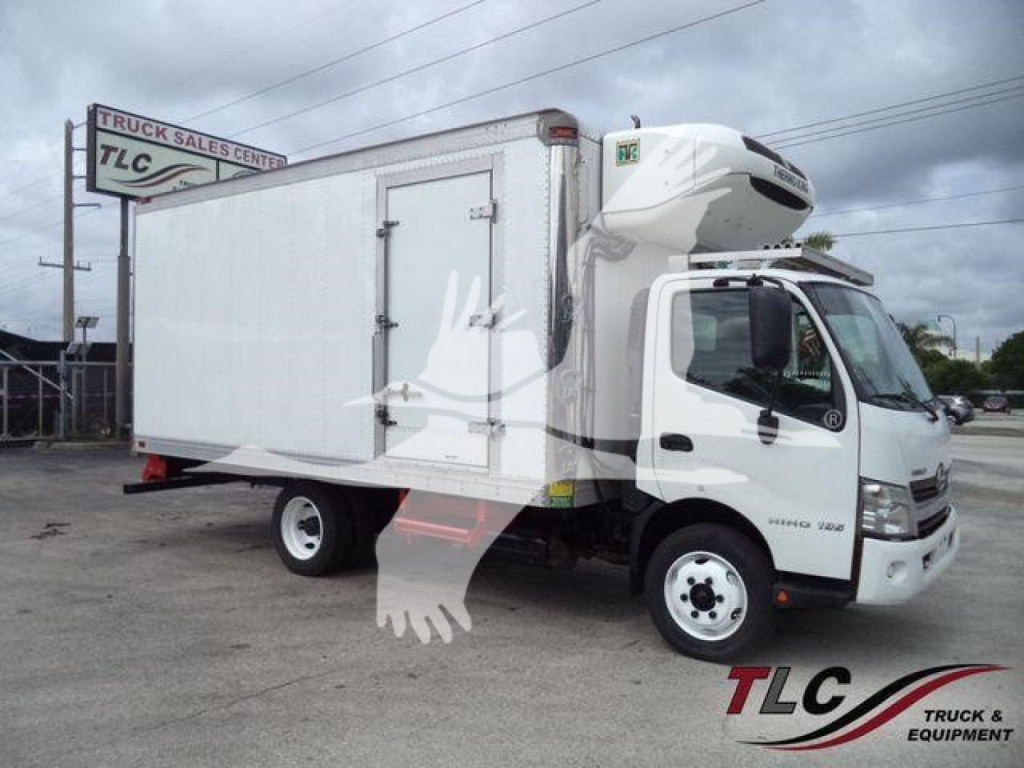
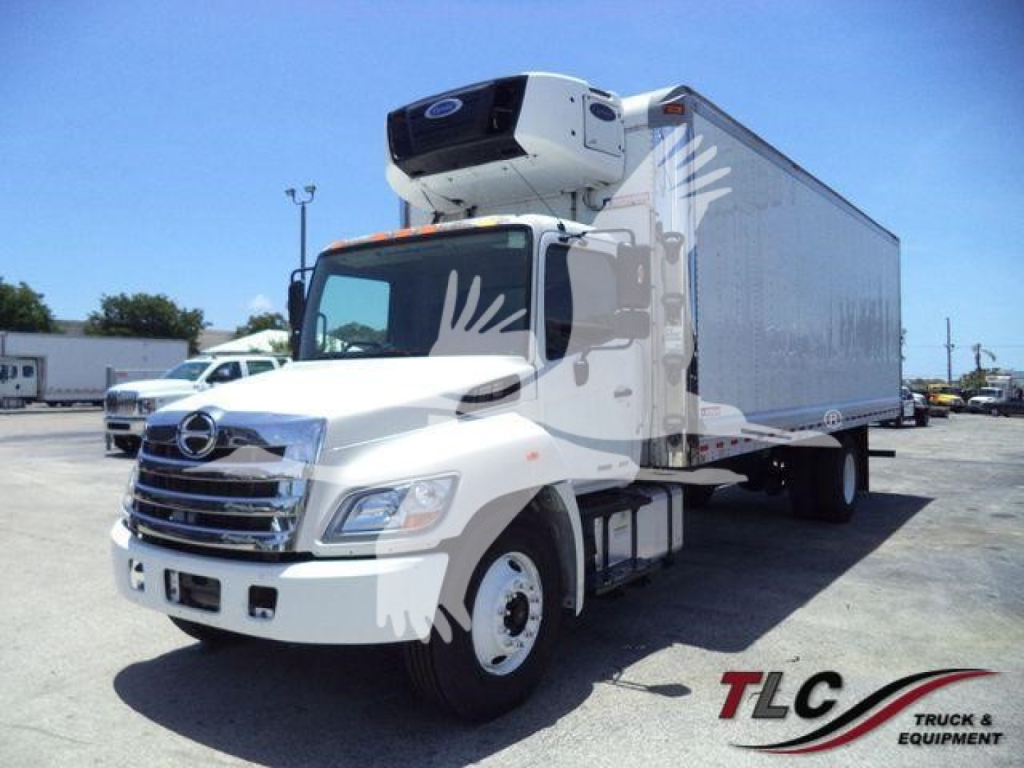
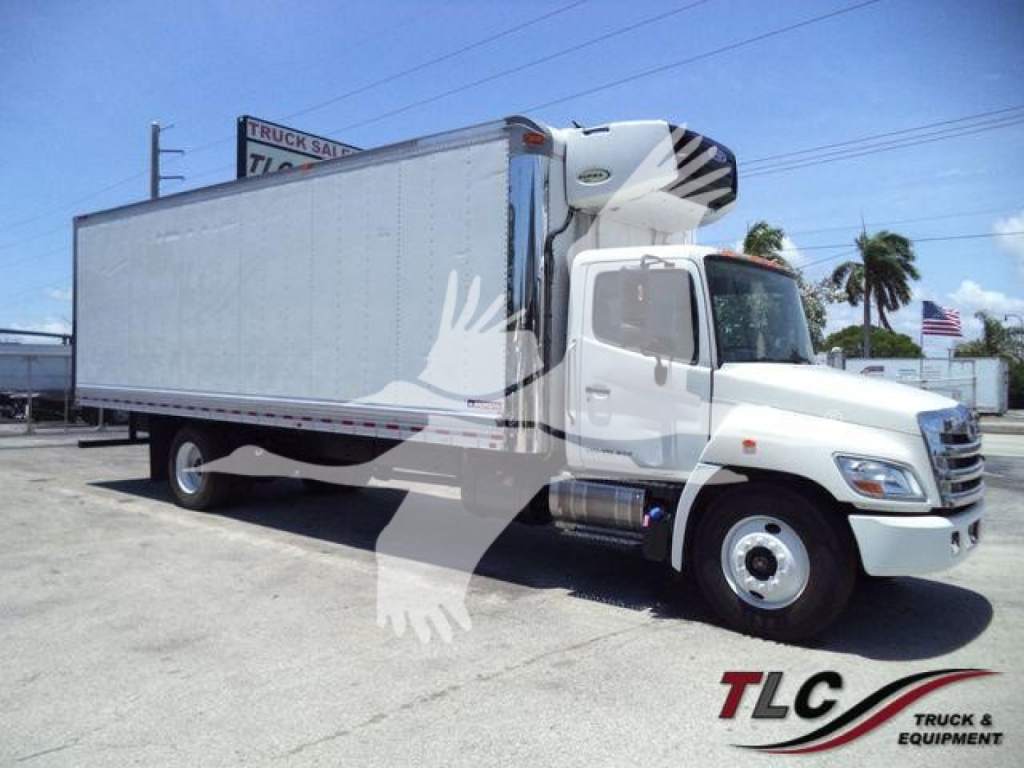
The first decision is usually chassis size and body length. A 2019 Hino 195 is often configured with a smaller 16-foot refrigerated body, making it easier to maneuver in urban delivery work, tighter docks, and multi-stop routes. A 2019 Hino 268A commonly shows up with 20-foot or 26-foot reefer bodies and a 25,950-pound GVWR, which gives buyers more cube and route flexibility while still staying under CDL in many specs. Hino diesel engines paired with automatic transmissions are common in this class, and that combination is popular for reducing driver fatigue and simplifying stop-and-go operation. Air brakes, larger fuel capacity, and straightforward cab ergonomics also make these trucks appealing for regional cold-chain service.
On the body side, buyers should look closely at the refrigeration unit, insulation package, door configuration, and delivery equipment. Common reefer units in this segment include Thermo King and Carrier systems, and reefer hours matter just as much as truck miles when evaluating remaining service life. Roll-up rear doors are common, while tuck-under liftgates and pull-out or roll-out ramps can change how useful the truck is for hand unloads, palletized freight, and mixed dock access. Body brands such as Morgan and Supreme are common in the market, and details like floor condition, drain layout, interior lining, bulkheads, and door seal integrity can have a direct impact on temperature retention and sanitation standards.
A good used 2019 Hino refrigerated truck should be evaluated as both a chassis and a cold-chain asset. Buyers should confirm reefer unit maintenance history, check for evaporator and condenser condition, inspect the box for moisture intrusion or insulation damage, and verify that the unit can hold the temperatures required for the intended commodity. It also helps to match the truck to the route profile. Short urban delivery favors compact wheelbases and smaller bodies, while longer regional work may justify a larger box, higher fuel capacity, and a liftgate-equipped setup. For fleets that need a refrigerated box truck, reefer truck, or temperature-controlled straight truck with a strong reputation for durability and manageable operating costs, a used 2019 Hino remains a solid category to compare closely.
Frequently Asked Questions about Used 2019 Hino Refrigerated Trucks
What are the most common 2019 Hino refrigerated truck models?
The most common 2019 Hino refrigerated truck models are the Hino 195 and Hino 268A. The Hino 195 is typically used for lighter urban delivery with a smaller refrigerated body, often around 16 feet. The Hino 268A is more common for larger 20-foot to 26-foot reefer bodies and gives buyers more cargo space while often remaining under the 26,000-pound GVWR threshold.
Is a 2019 Hino refrigerated truck usually under CDL?
Many 2019 Hino refrigerated trucks are configured to stay under CDL, especially Hino 195 models at 19,500 pounds GVWR and Hino 268A models spec'd at 25,950 pounds GVWR. Buyers should still verify the exact GVWR on the door sticker and confirm local licensing, cargo, and operating requirements. The under-CDL setup is one of the main reasons these trucks are popular for delivery fleets.
What should I inspect on a used reefer truck besides the chassis?
The refrigeration system and insulated body are just as important as the engine and transmission. Check reefer hours, service records, pulldown performance, and whether the unit maintains the target temperature under load. Inspect door seals, floor condition, interior lining, insulation integrity, and signs of water intrusion. A used refrigerated truck can look clean but still have costly issues if the box has lost thermal efficiency.
Which is better for delivery work, a liftgate or a ramp?
That depends on the freight and delivery environment. A tuck-under liftgate is usually the better choice for palletized product, heavier loads, and customers without dock access. A pull-out or roll-out ramp can work well for carts, hand trucks, and lighter route deliveries. Buyers should match the rear access equipment to the actual stop profile because it affects delivery speed, labor, and safety.
Why do reefer hours matter on a used 2019 Hino refrigerated truck?
Reefer hours are a key indicator of wear on the refrigeration unit, similar to engine hours on other equipment. A truck may have moderate chassis miles but high reefer hours if it spent a lot of time idling to maintain product temperature. Higher hours do not automatically rule out a truck, but they make maintenance history, compressor condition, and cooling performance more important during evaluation.