
Hino Refrigerated Trucks For Sale
Browse Hino refrigerated trucks with reefer bodies, diesel power, and medium-duty specs suited for food, floral, and cold-chain delivery.
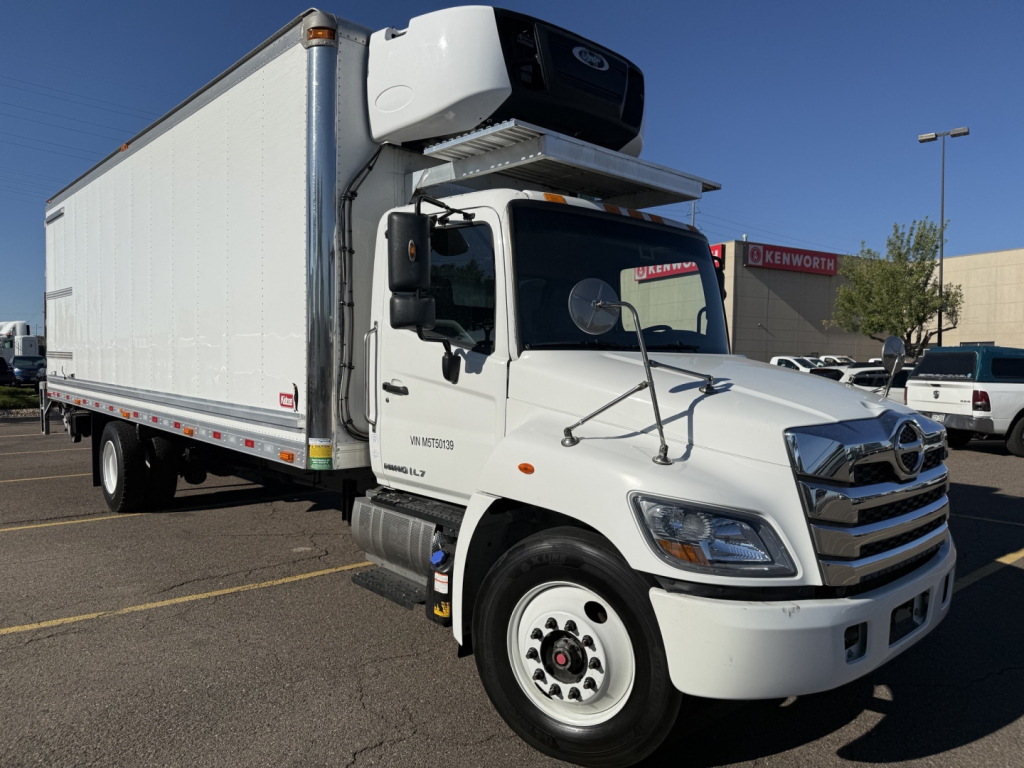
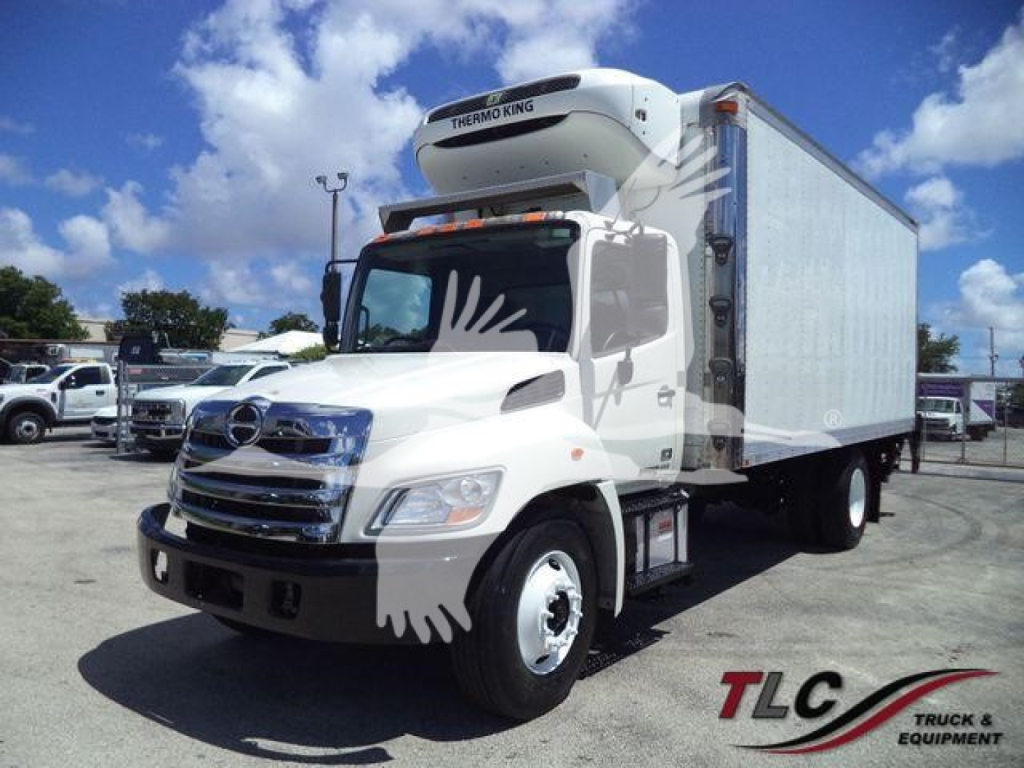
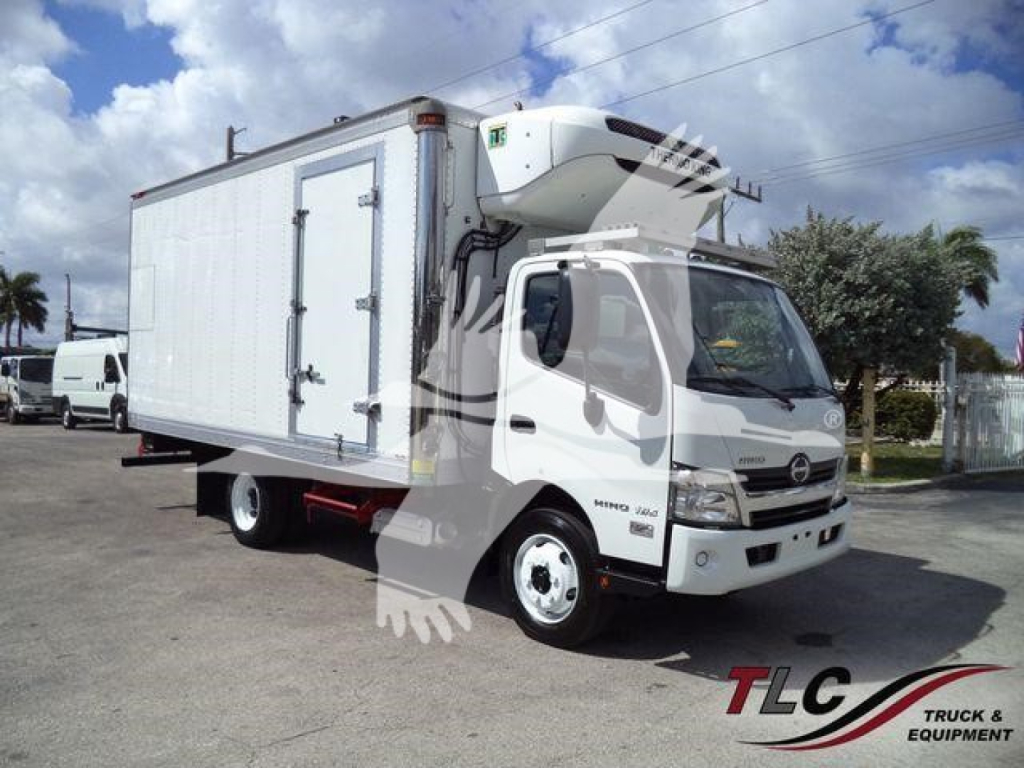
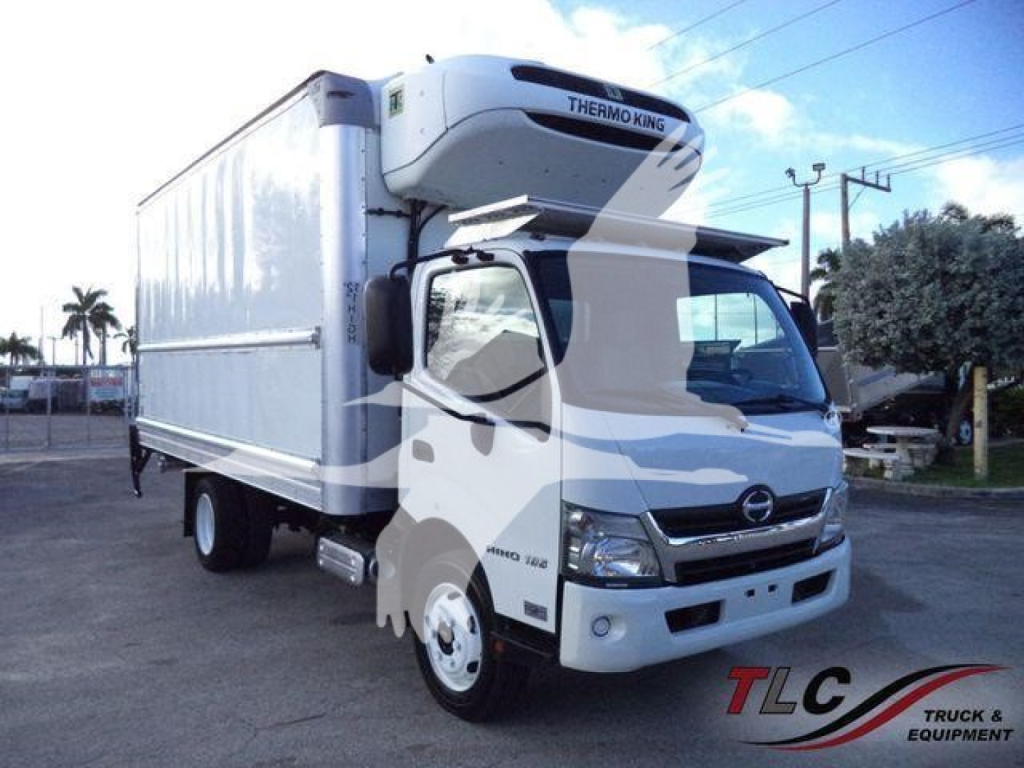
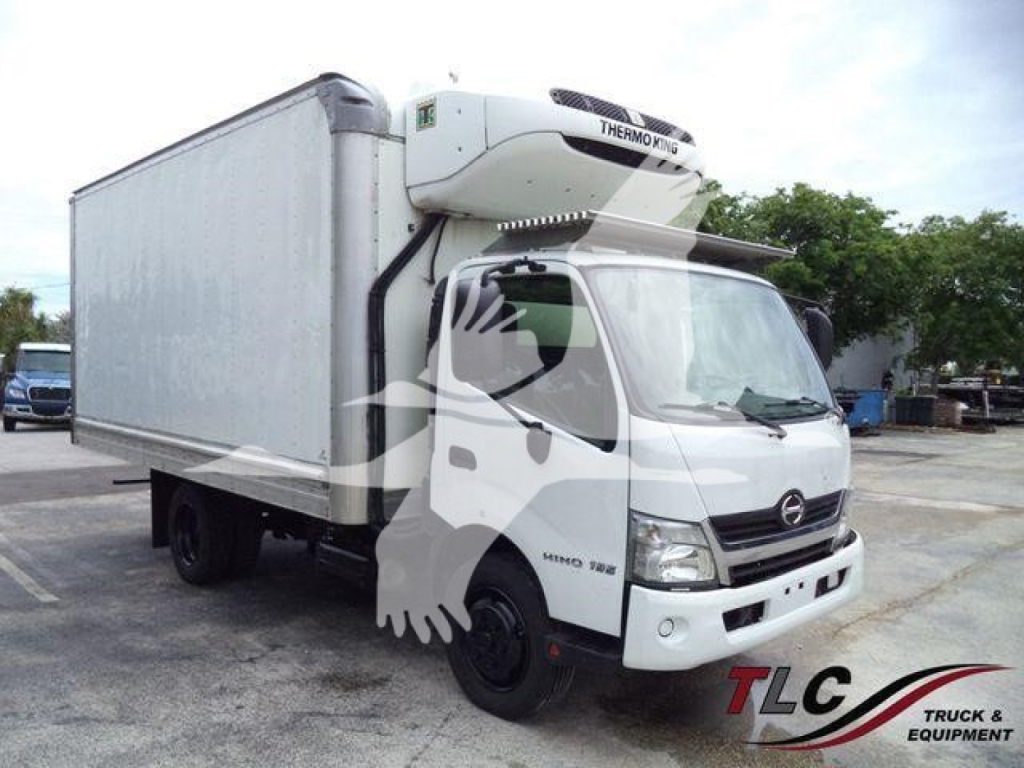
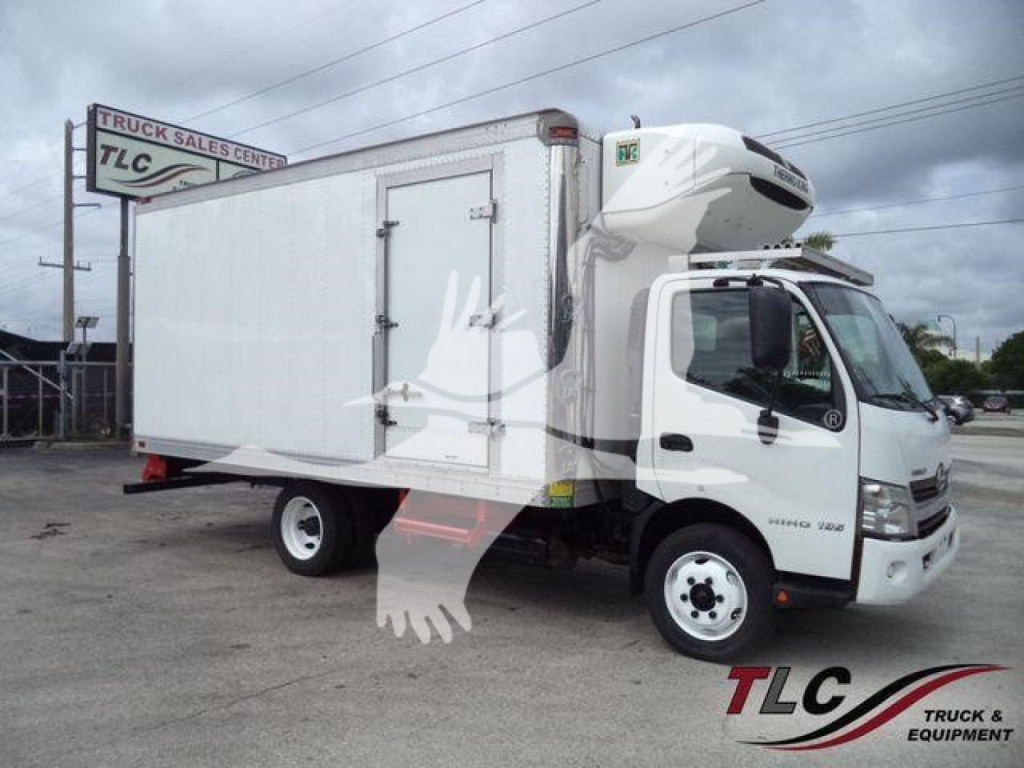
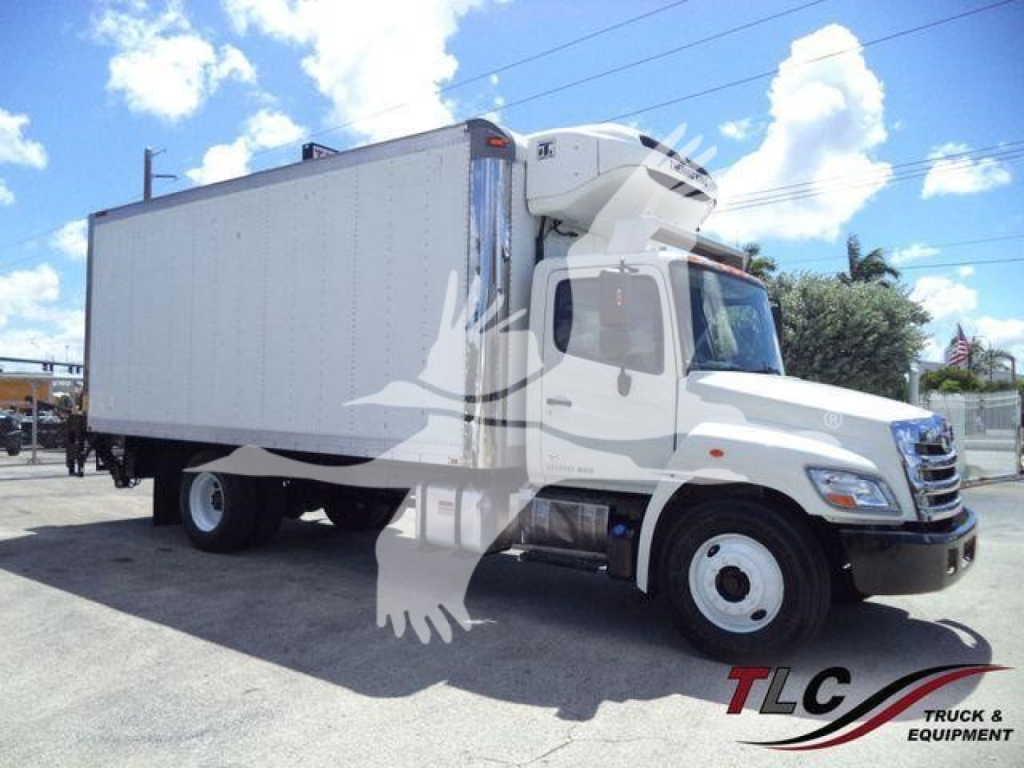
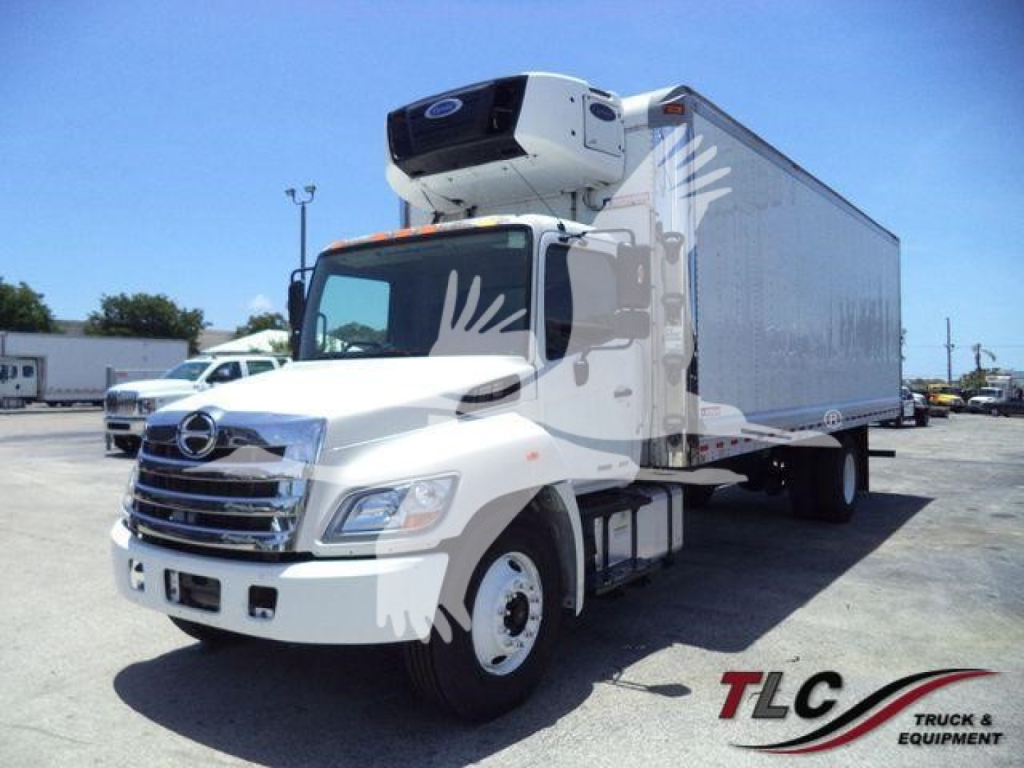
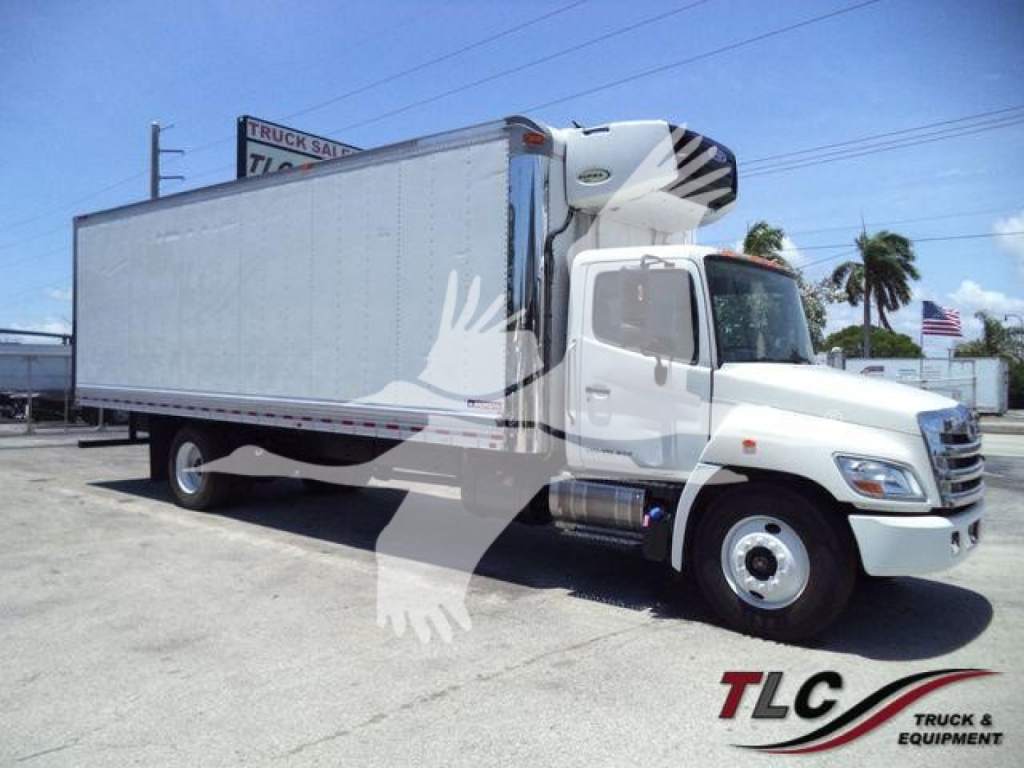
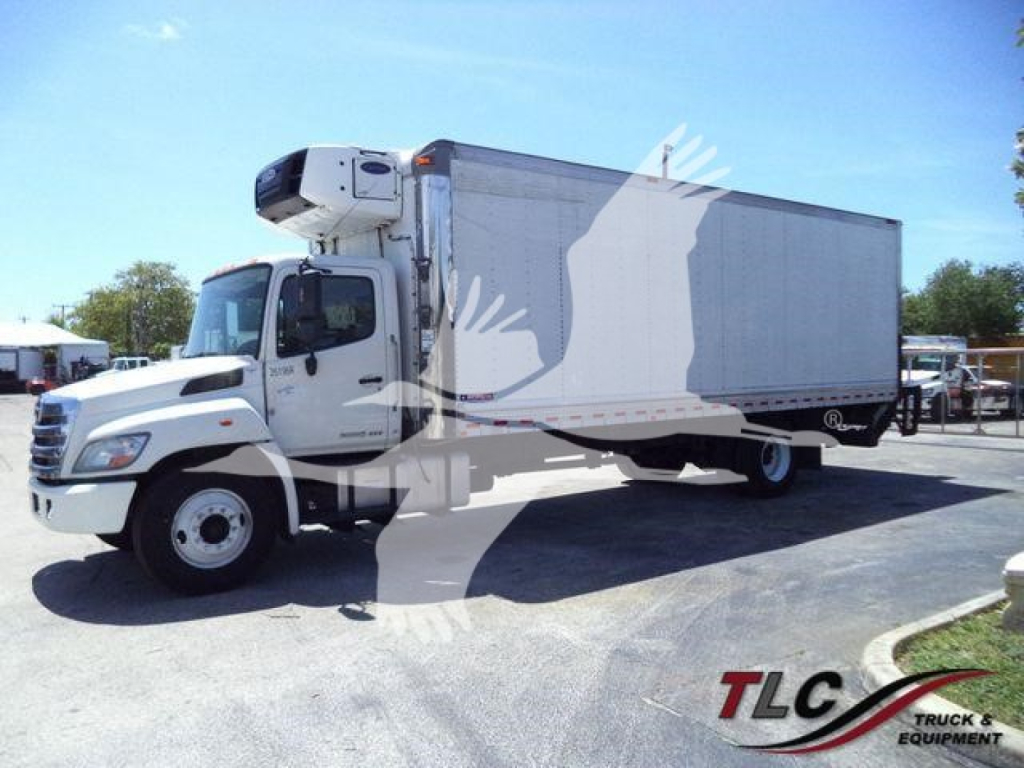
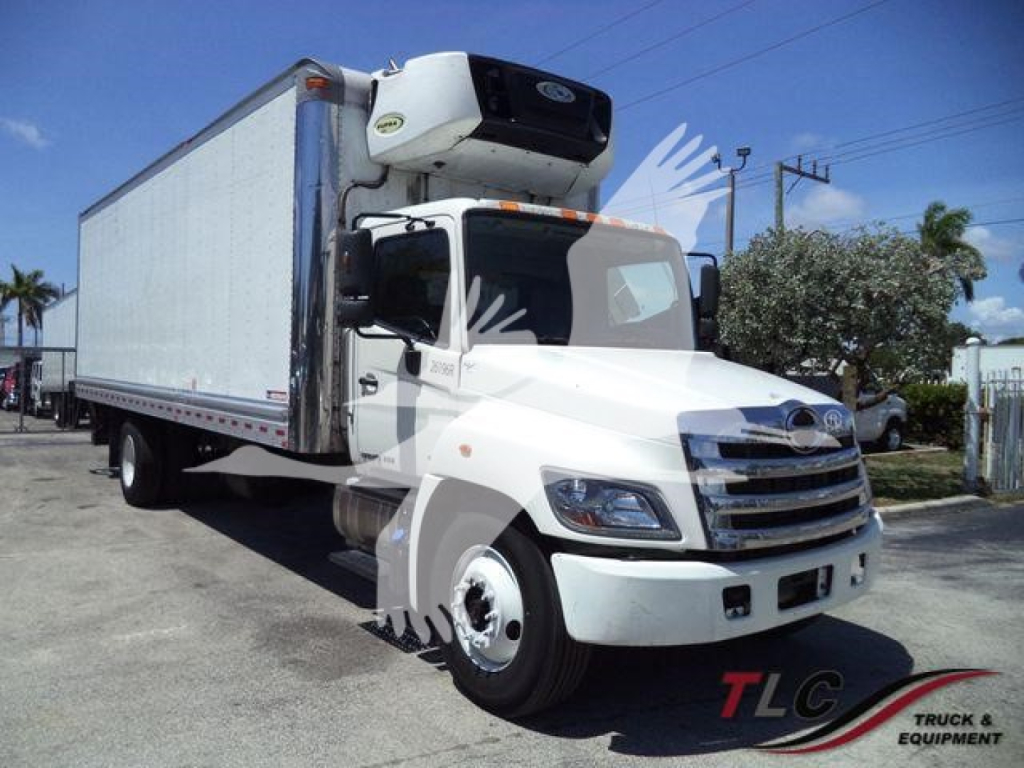
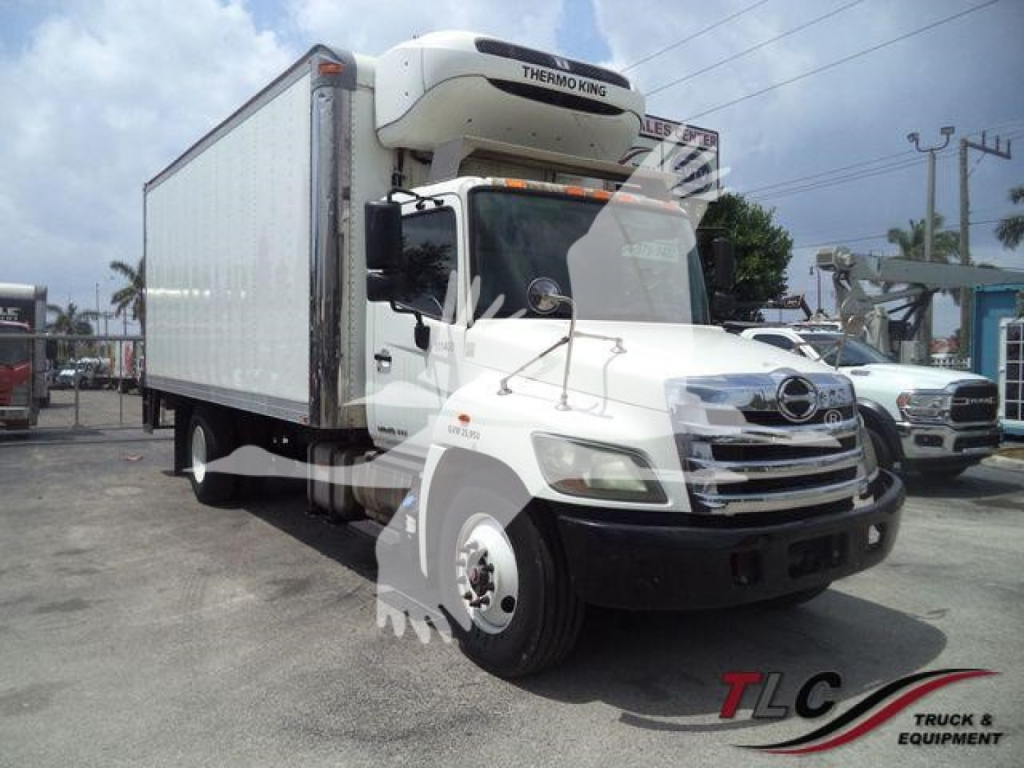
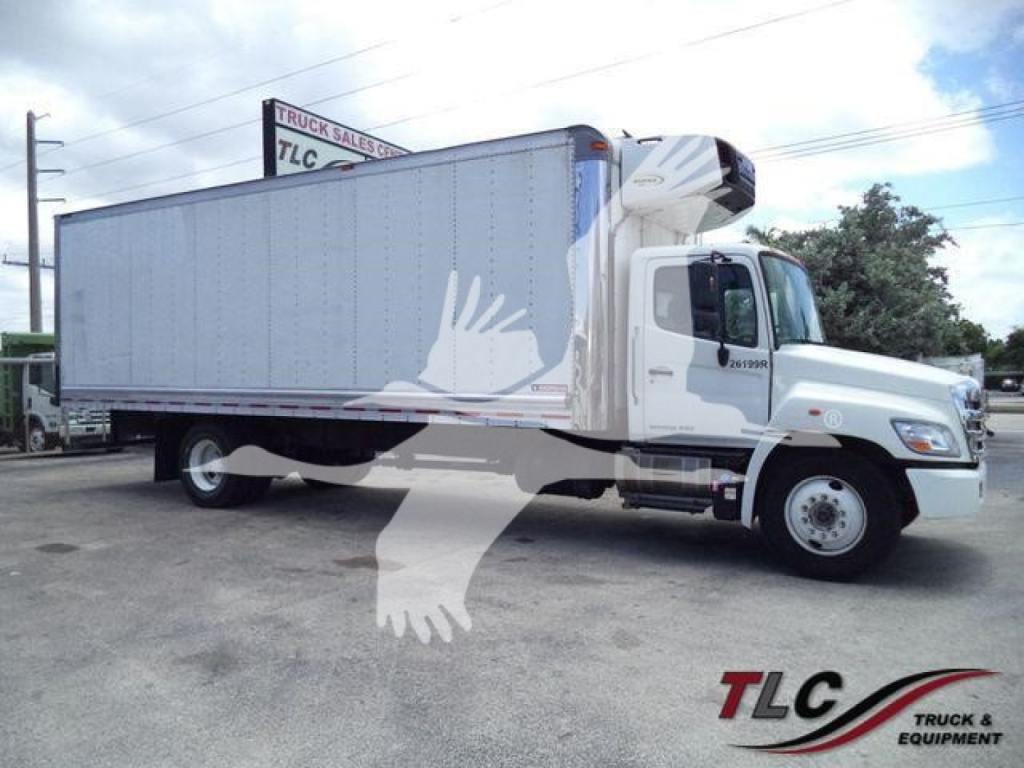
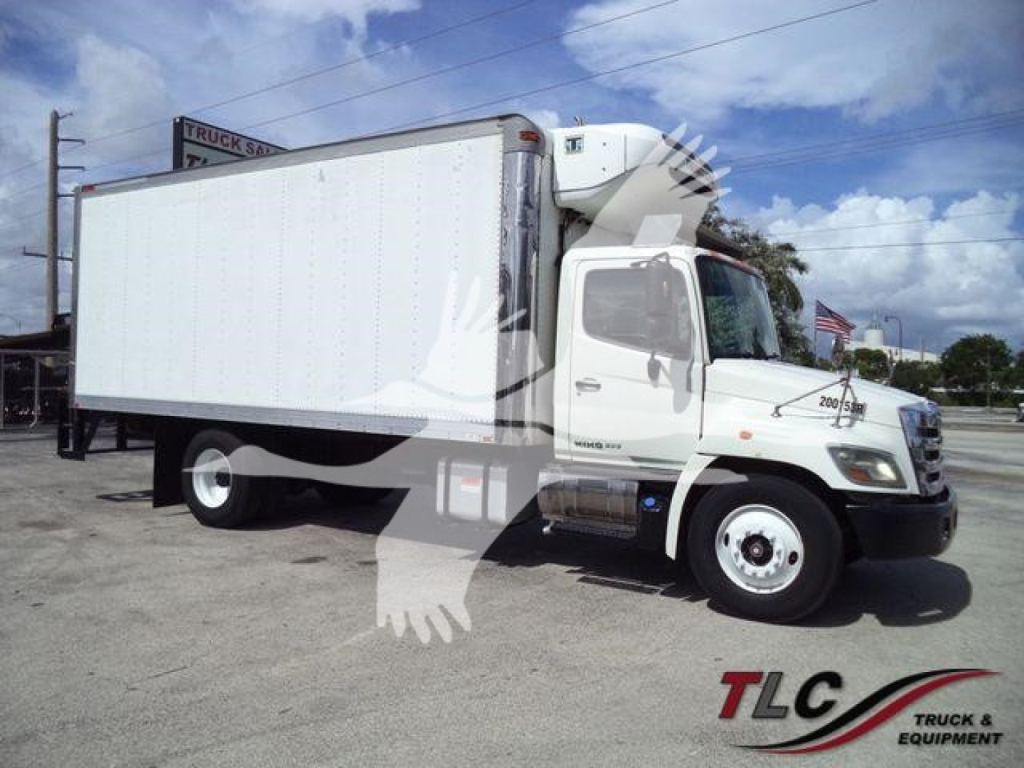

Selling a hino refrigerated truck? List your hino refrigerated truck for sale and reach thousands of commercial buyers.
Hino Refrigerated Trucks
A lot of the buying decision comes down to body size, reefer performance, and chassis rating. Hino refrigerated trucks are often configured with 14 ft to 26 ft reefer bodies, roll-up rear doors, curbside access doors, duct floors, and stainless or aluminum interior components designed for washdown and corrosion resistance. On the chassis side, buyers will commonly see Hino diesel engines such as the J05E or J08E paired with Allison automatic transmissions, single rear axles, and GVWR ratings that fit urban and regional delivery work. Cabover models can be especially attractive in tight city routes because they shorten overall length and improve turning radius, while conventional models may offer a more familiar service layout and cab entry.
Temperature control details deserve close attention. A refrigerated truck is only as good as its reefer unit, insulation package, and door seal condition. Buyers should look at reefer unit brand, hours, operating temperature range, multi-temp capability if needed, fuel source, and maintenance history. Body features like aluminum duct floors, scuff liners, bulkheads, and insulated partitions can make a real difference in airflow and product protection. If the route involves heavy palletized freight, confirm floor rating, liftgate compatibility, and rear axle capacity. If the truck will spend its day in neighborhoods, alleys, and dock-tight urban stops, wheelbase, body overhang, and cab visibility become just as important as horsepower.
Hino has a strong following in local and regional delivery because the platform is straightforward, efficient, and well suited to vocational body upfits. For reefer buyers, the best fit is usually the truck that balances payload, refrigeration performance, and serviceability across the full delivery cycle. Check the insulation condition, door hardware, reefer hours, suspension type, axle ratings, and tire size against the route profile you expect the truck to run. A refrigerated truck that is properly spec'd for stop frequency, ambient temperature, and cargo density will generally outperform a larger or more powerful unit that is mismatched to the job.
Frequently Asked Questions about Hino Refrigerated Trucks
What should I check first on a used Hino refrigerated truck?
Start with the reefer unit and the insulated body, then move to the chassis. Reefer brand, model, service history, and total hours matter because refrigeration repairs can be expensive and downtime affects revenue immediately. Inspect door seals, interior wall condition, floor integrity, evaporator performance, and signs of moisture intrusion. On the truck itself, review engine and transmission service records, axle ratings, GVWR, suspension type, and tire condition to make sure the chassis still matches the intended payload and route demands.
What body length is most common for a Hino refrigerated truck?
Body length depends on the chassis class and delivery profile, but 14 ft to 26 ft bodies are common in this category. Shorter bodies are often preferred for city delivery, specialty food routes, and areas with tight turns or limited dock space. Longer 24 ft to 26 ft bodies are common when cube and pallet count matter more than maneuverability. The right choice depends on product density, stop count, dock access, and whether a liftgate or side door is required.
Are Hino refrigerated trucks good for city delivery routes?
Yes, many Hino reefer configurations are well suited for urban and suburban delivery. Cabover layouts in particular are popular where overall length, visibility, and turning radius are important. Automatic transmissions, medium-duty axle ratings, and reefer body sizes that fit local route work make them practical for grocery, restaurant, floral, and specialty cold freight delivery. The best city specification usually combines a shorter wheelbase, durable body hardware, and a reefer unit sized for frequent door openings.
How important are reefer unit hours on a refrigerated truck?
Reefer unit hours are one of the best indicators of refrigeration system wear, but they should be evaluated alongside maintenance history and actual operating condition. A unit with higher hours and documented service can be a better buy than a lower-hour unit with poor records. Buyers should ask about compressor service, belt condition, temperature pull-down performance, defrost operation, and any controller or sensor issues. Hours matter, but service quality and inspection results matter just as much.
What specs matter most when matching a Hino reefer truck to my operation?
Focus on GVWR, payload capacity, body length, reefer output, insulation quality, and route type. A truck that runs dense palletized product needs enough rear axle and floor capacity, while a truck making many short urban stops needs maneuverability and fast temperature recovery. Engine horsepower and rear axle ratio also affect drivability, especially with heavier loads or regional highway use. If the cargo has strict temperature requirements, confirm the reefer can maintain the needed range under peak summer conditions and repeated door cycling.