
2019 Hino Refrigerated Trucks For Sale
Shop the 2019 Hino refrigerated truck category. Compare 195 and 268A reefer trucks by GVWR, box length, reefer unit, liftgate, and delivery use.
Selling a 2019 hino refrigerated truck? List your 2019 hino refrigerated truck for sale and reach thousands of commercial buyers.
2019 Hino Refrigerated Trucks
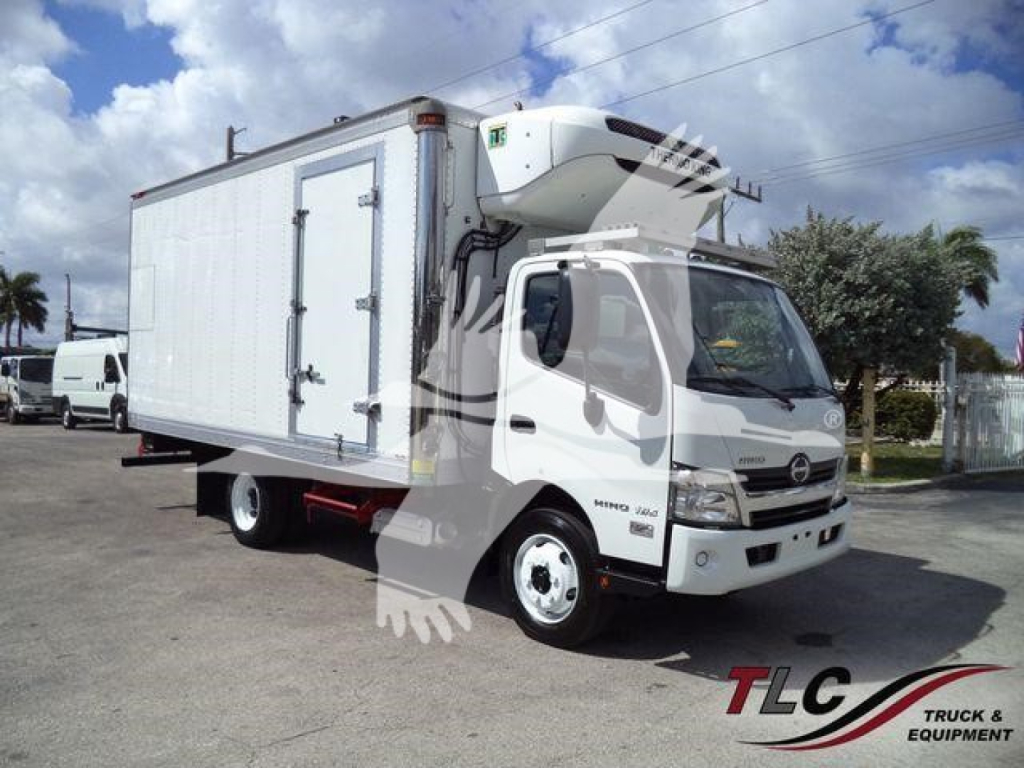
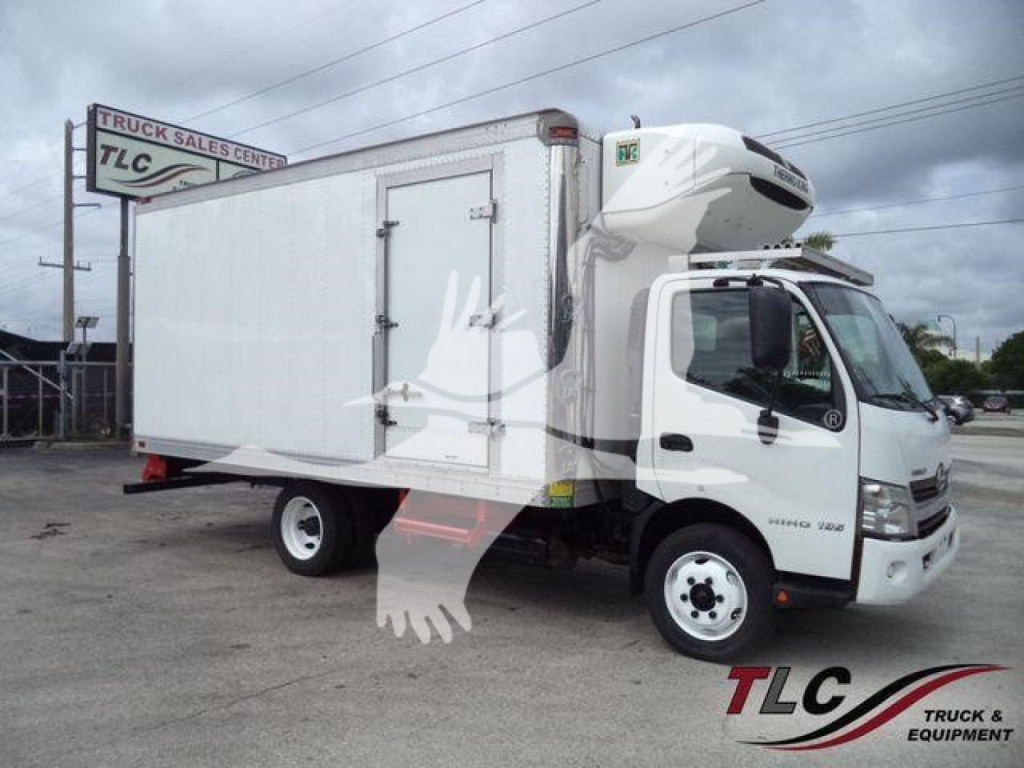
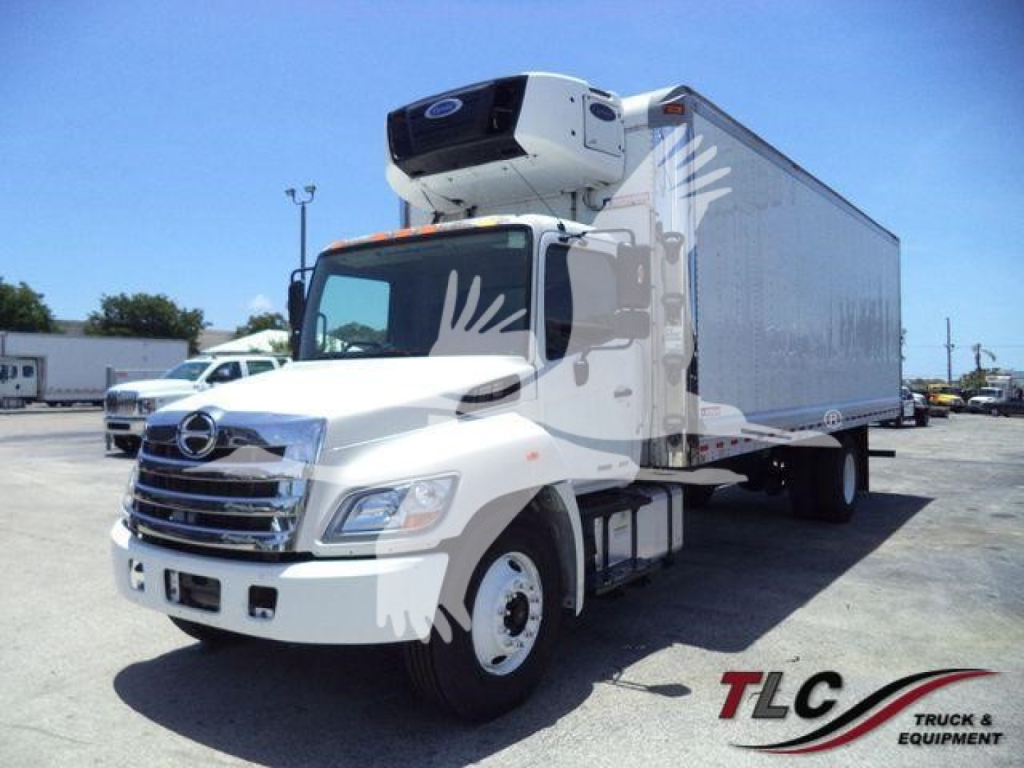
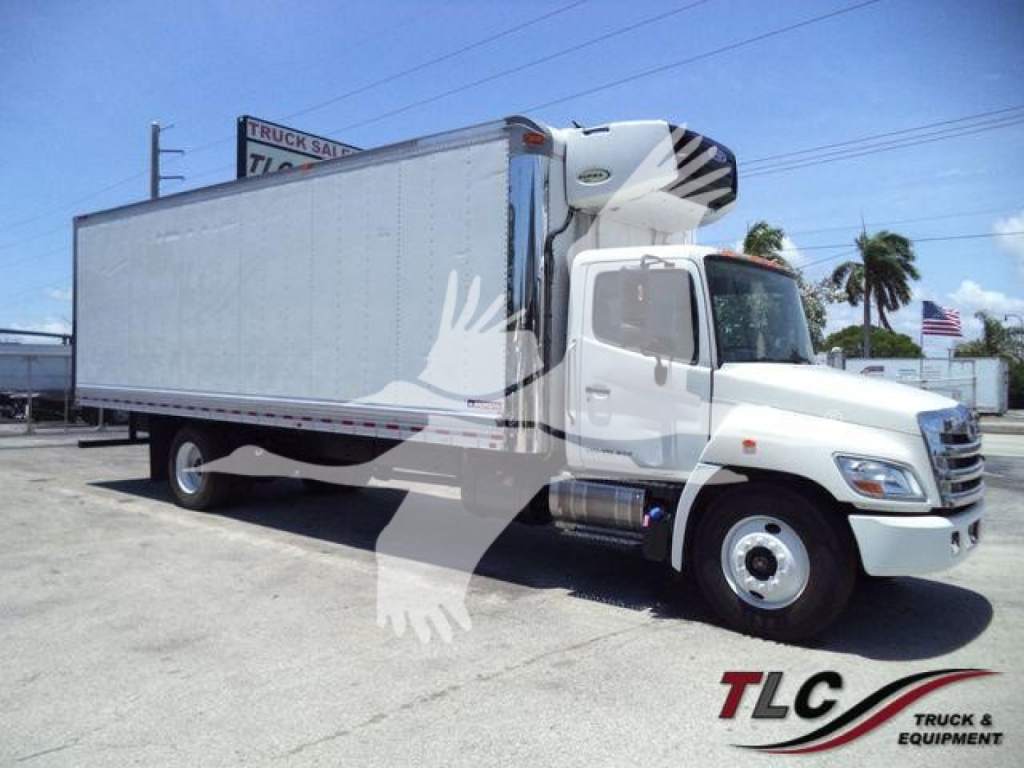
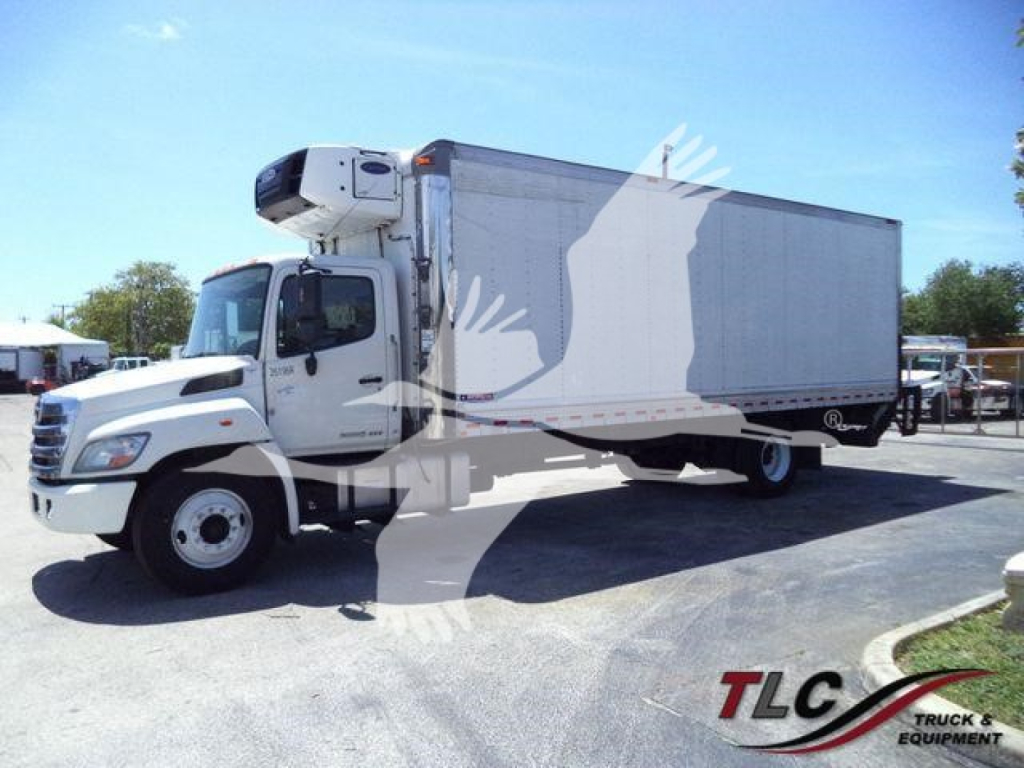
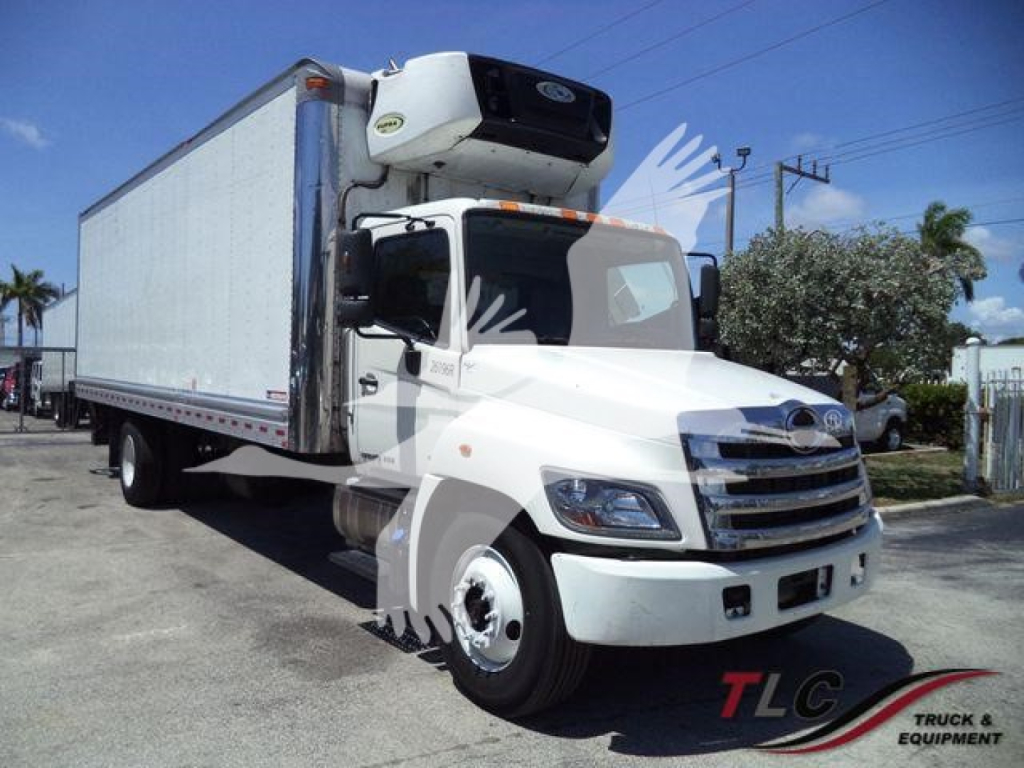
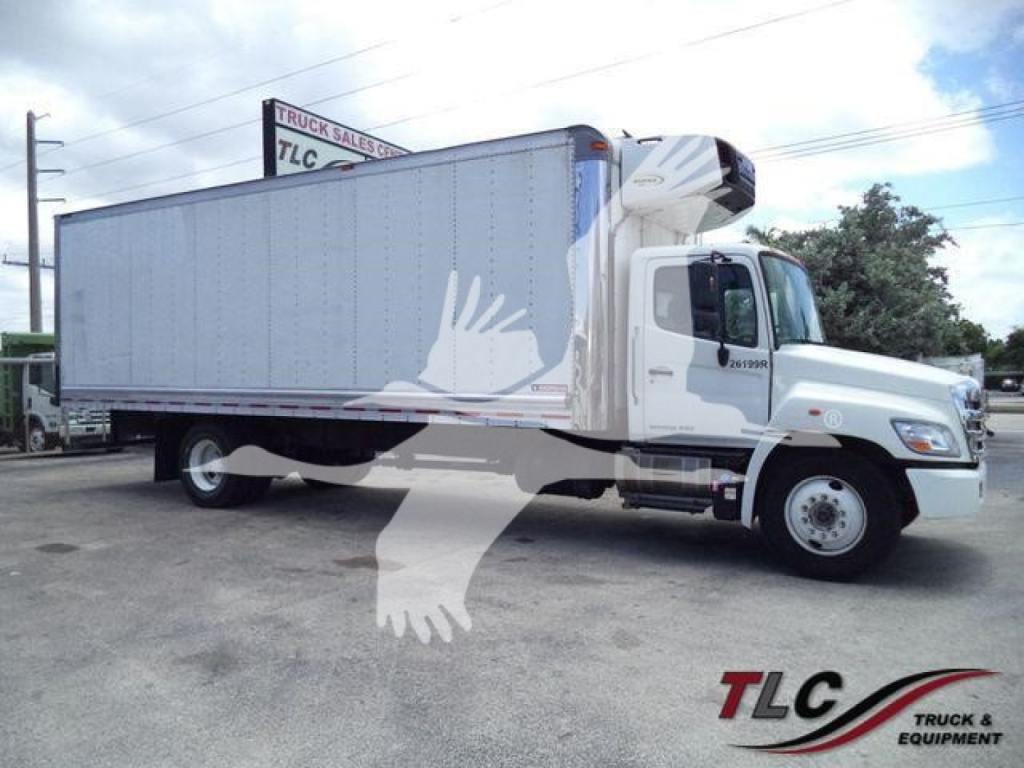
The first decision is chassis size and route type. A 2019 Hino 195 commonly carries a 16-foot refrigerated body and is well suited for dense urban work, tighter docks, and frequent stops. A 2019 Hino 268A is more often paired with a 20-foot to 26-foot insulated body for regional delivery where pallet count matters more than maneuverability. Typical engines in this year range include Hino's turbo diesel platform, with automatic transmissions being very common, especially on P&D and foodservice specs. Air brakes are more common on the heavier 268A, while body equipment often includes roll-up rear doors, curbside access, pull-out ramps, or tuck-under liftgates for cart and pallet handling.
Reefer spec matters as much as the chassis. Many 2019 Hino refrigerated trucks are fitted with Carrier Supra or Thermo King units, and the exact model should match the cargo profile, ambient temperatures, and door-open frequency. Buyers should look closely at reefer hours, maintenance records, evaporator condition, fuel source, temperature pull-down performance, and whether the body has features like insulated bulkheads, ducted air delivery, and scuff liners. Floor condition is important on multi-stop delivery trucks because soft spots, damaged seams, and poor door seals can cost more in lost temperature control than in obvious repair bills. A liftgate can add major delivery flexibility, but it also affects payload and rear axle loading, so it should be evaluated as part of the full operating spec.
For many fleets, 2019 Hino reefer trucks hit a practical middle ground between size, serviceability, and operating cost. The cab layout is straightforward, visibility is good for urban driving, and the automatic transmission setup is familiar to mixed-driver operations. The best buyer approach is to match box length, GVWR, reefer capacity, and loading method to the actual route instead of buying on chassis year alone. A shorter truck with the right refrigeration unit and door configuration can outperform a larger one if the work is city-based, while a 26-foot 268A may be the better fit for wholesale, commissary, or multi-pallet grocery distribution.
Frequently Asked Questions about 2019 Hino Refrigerated Trucks
What is the difference between a 2019 Hino 195 refrigerated truck and a 2019 Hino 268A refrigerated truck?
The main differences are GVWR, body size, and intended workload. A 2019 Hino 195 reefer truck is commonly rated at 19,500 lbs GVWR and often carries a 16-foot refrigerated body, making it a strong fit for city routes and lighter pallet counts. A 2019 Hino 268A reefer truck is typically spec'd around 25,950 lbs GVWR and often supports 20-foot to 26-foot bodies, which gives it more cargo capacity for regional or higher-volume delivery work.
Are 2019 Hino refrigerated trucks under CDL?
Many are, but the answer depends on the exact GVWR shown on the door sticker. Common 2019 Hino 195 refrigerated trucks are rated at 19,500 lbs GVWR, and many 2019 Hino 268A refrigerated trucks are spec'd at 25,950 lbs GVWR. Both ratings are generally under the 26,001-lb federal CDL threshold, but buyers still need to confirm local rules, endorsements, and any company-specific operating requirements.
What should I check first on a used 2019 Hino reefer truck?
Start with the refrigeration system and the body, not just the chassis mileage. Reefer hours, service history, temperature pull-down, door seal condition, evaporator performance, and insulation integrity tell you more about cold-chain capability than the odometer alone. After that, check liftgate operation, floor condition, rear frame area, suspension wear, brake type, and whether the body length and axle ratings match your actual payload.
Which reefer units are common on 2019 Hino refrigerated trucks?
Carrier Supra and Thermo King units are both commonly found on this truck class. The right unit depends on box size, cargo temperature target, delivery frequency, and climate. A truck doing frozen product with repeated door openings has a different refrigeration demand than one hauling chilled produce on a steady route, so buyers should compare unit model, cooling capacity, hours, and maintenance records instead of focusing only on brand name.
Is a liftgate necessary on a 2019 Hino refrigerated box truck?
A liftgate is necessary if your stops do not have dock access or if you handle palletized freight, carts, or rolling racks at customer locations. It adds delivery flexibility and can reduce driver strain, but it also increases tare weight and affects payload. On some city delivery specs, a pull-out ramp may be enough for lighter hand-load work, while pallet-based operations usually benefit more from a properly rated tuck-under liftgate.