
2019 Hino Refrigerated Trucks For Sale in Florida
Shop 2019 Hino refrigerated trucks in Florida. Compare 268A reefer specs, body lengths, liftgates, and under-CDL cold-chain options.
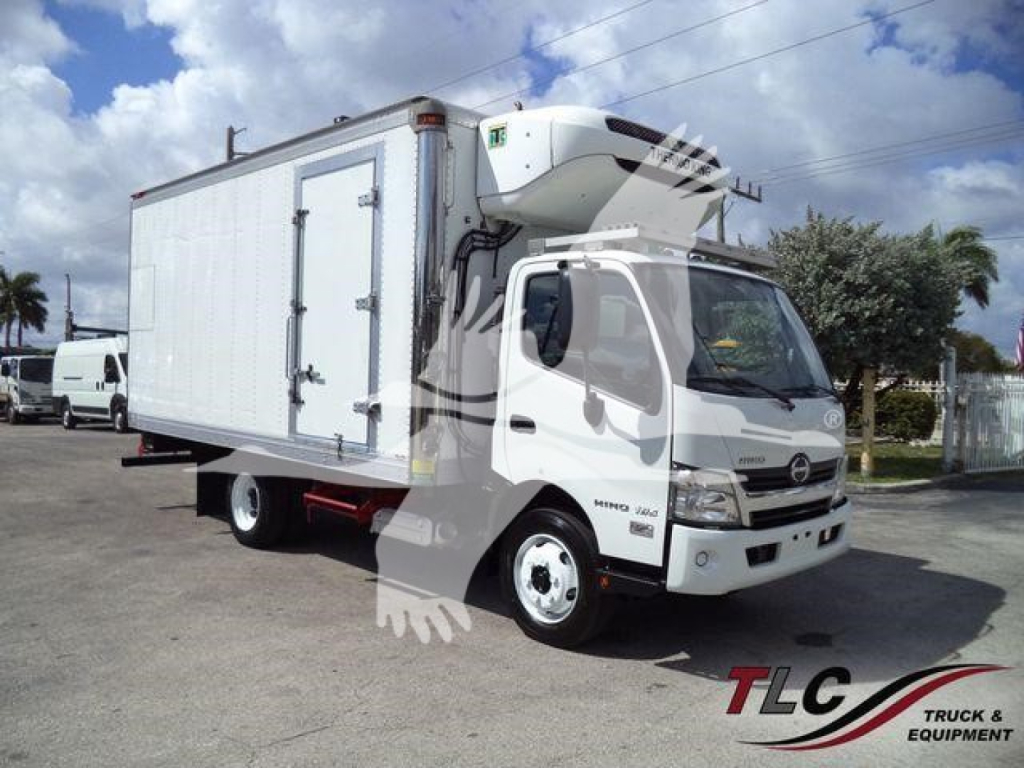
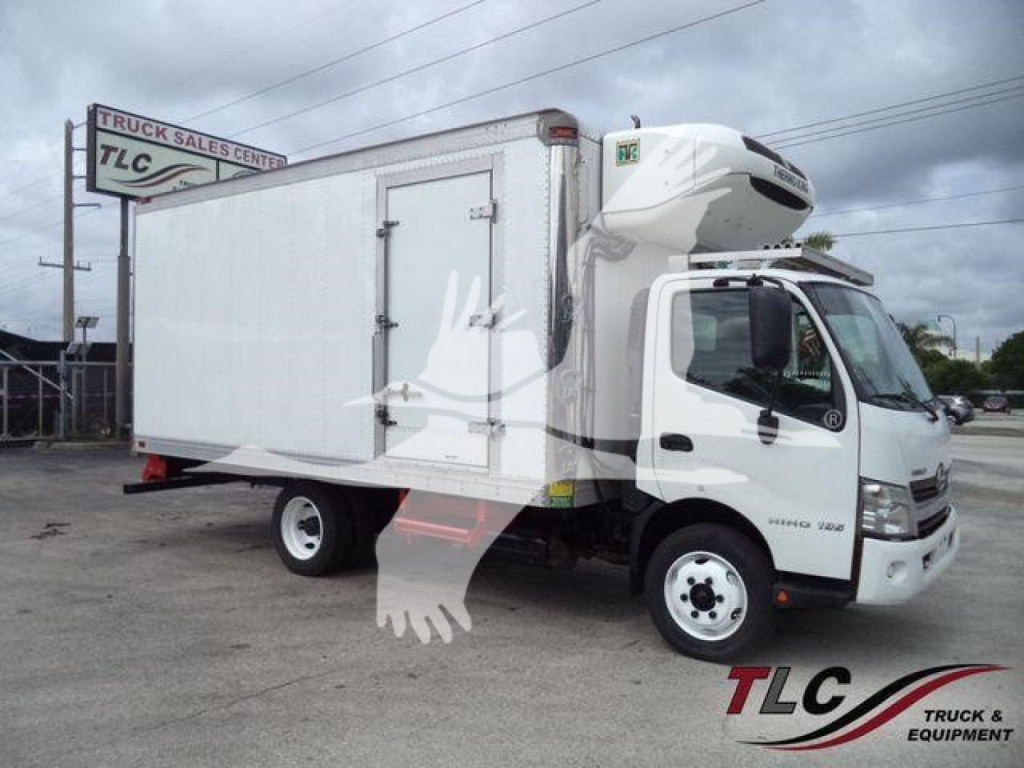
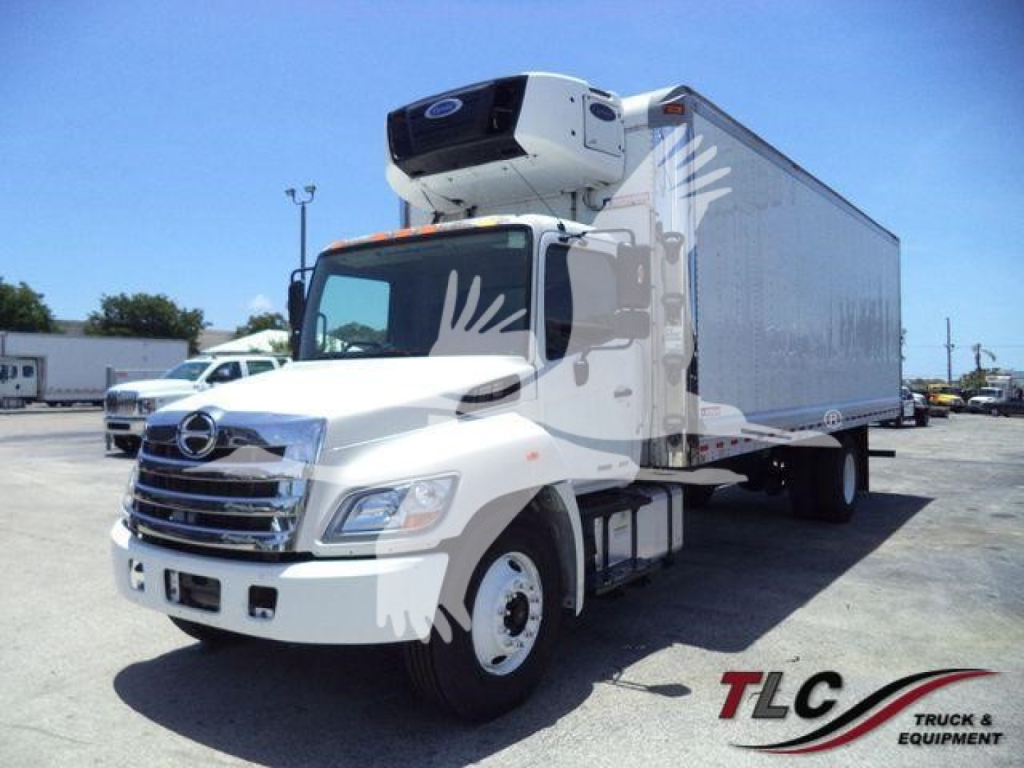
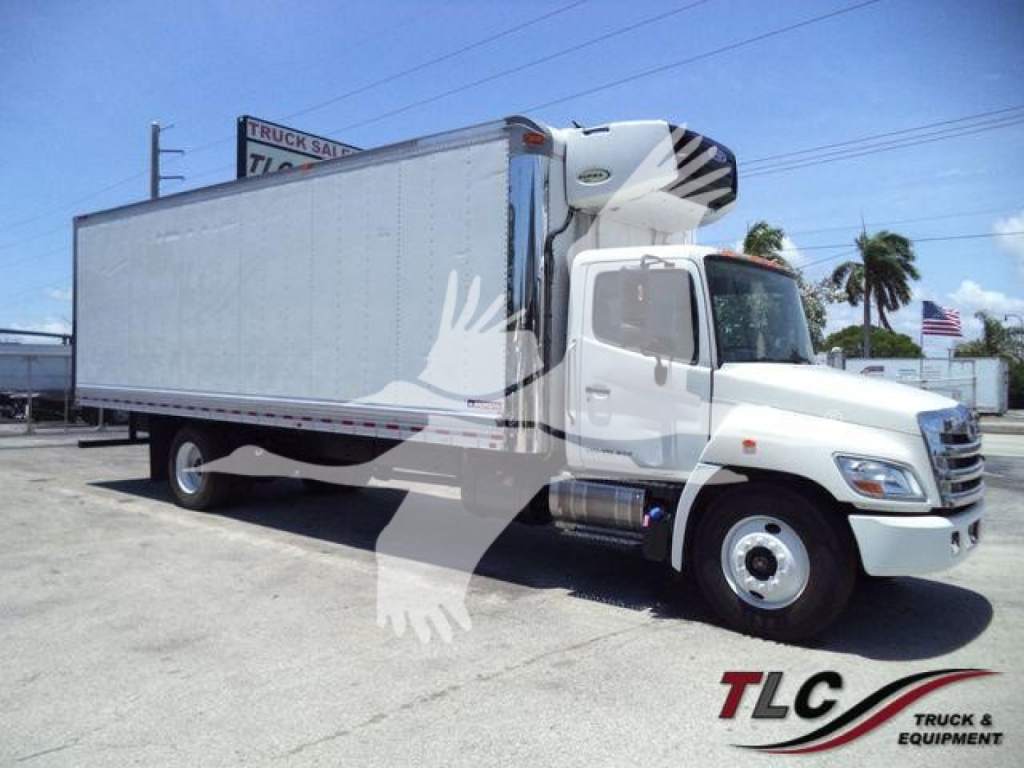
Selling a 2019 hino refrigerated truck? List your 2019 hino refrigerated truck for sale and reach thousands of commercial buyers.
2019 Hino Refrigerated Trucks in Florida
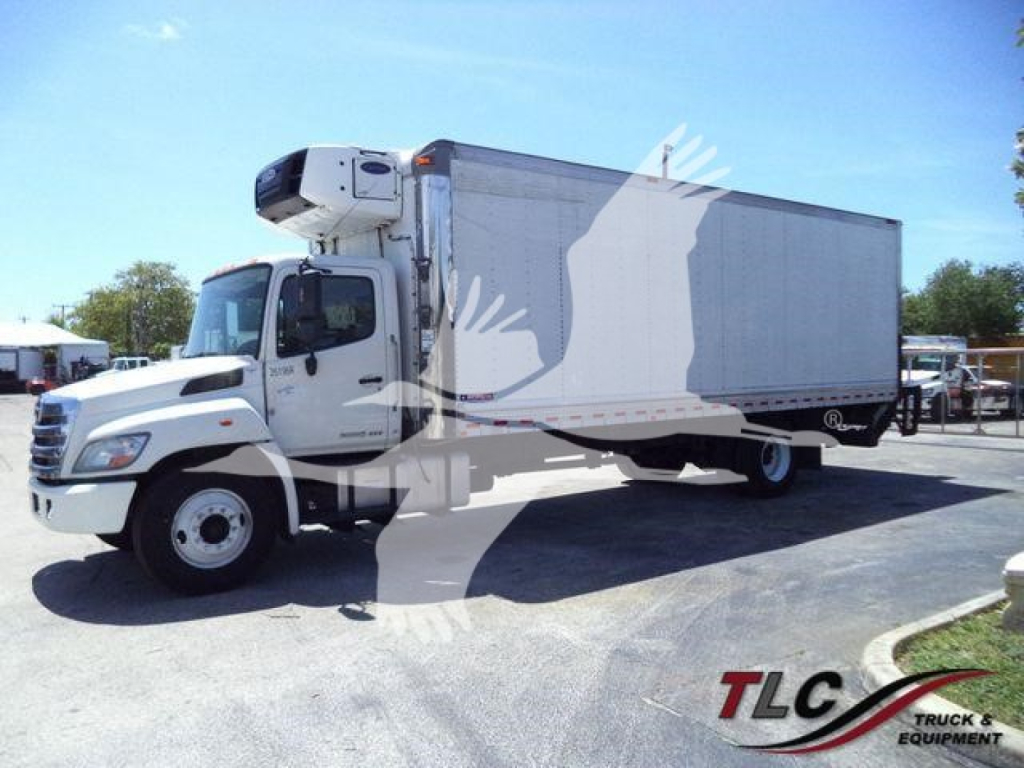
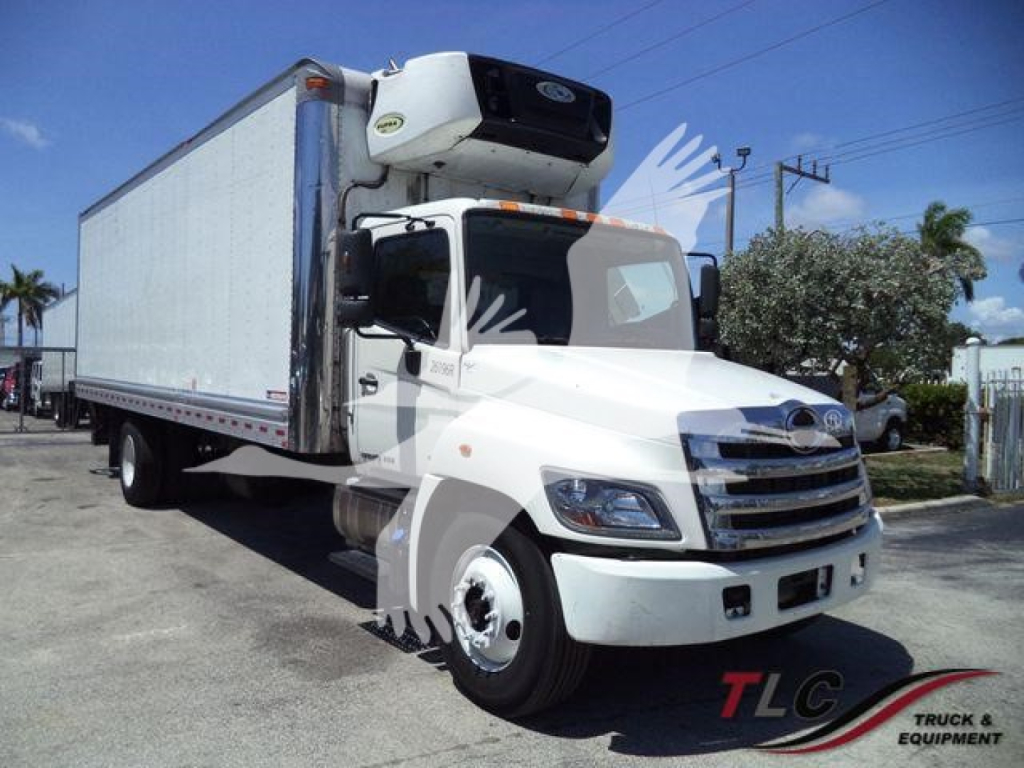
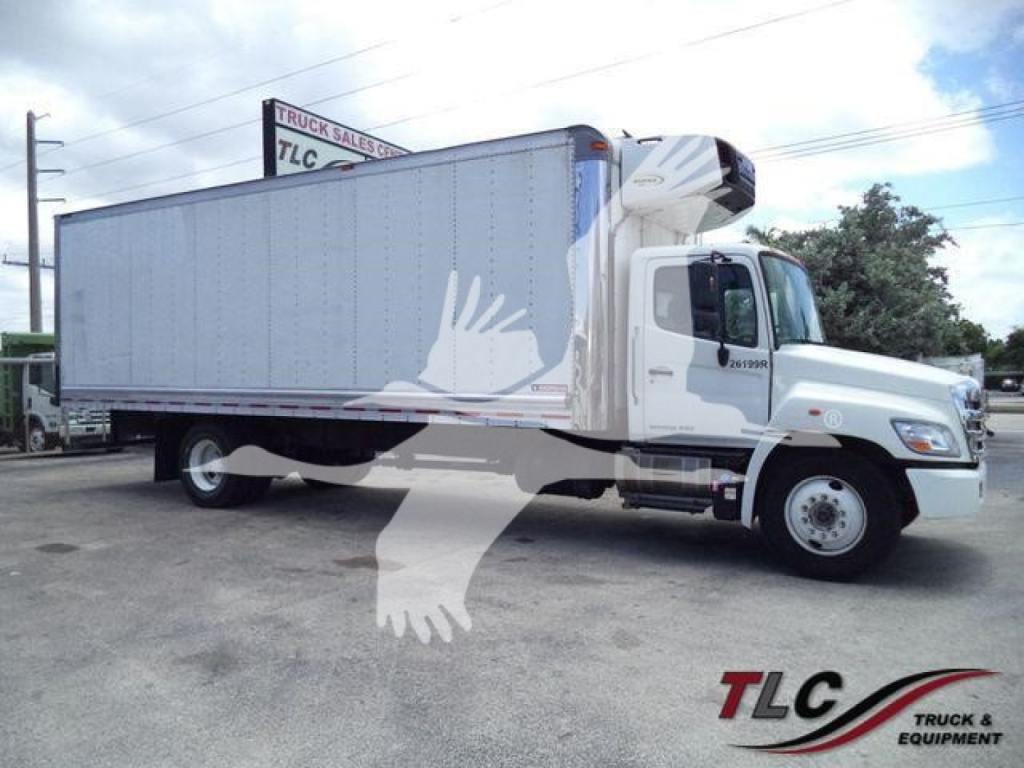
The main buying decisions are body length, reefer unit capacity, and delivery access. Many 2019 Hino reefer trucks are paired with 20 ft to 26 ft insulated van bodies from builders like Morgan or Supreme, typically with a roll-up rear door and either a pull-out ramp or a tuck-under liftgate. Reefer units commonly come from Carrier or Thermo King, and the right setup depends on the cargo profile. Multi-stop urban work usually benefits from fast pull-down performance and stable temperature recovery after frequent door openings. A liftgate matters if pallets are moving without dock support, while a ramp can be enough for carts, hand trucks, and lighter route delivery.
On the chassis side, buyers usually look for Hino diesel power, automatic transmissions, air brakes on heavier specs, and fuel capacity that matches route length and reefer run time. Hino medium-duty trucks from this era are known for a comfortable cab layout, good visibility, and straightforward serviceability, which matters when a refrigerated truck has to protect both delivery schedules and product quality. Beyond the chassis, inspect insulation condition, door seals, floor wear, evaporator placement, and reefer hours just as closely as engine miles. In a reefer application, box integrity and unit performance often affect operating value as much as the truck itself.
Florida buyers should also pay attention to corrosion exposure, condenser condition, and how well the refrigeration system handles high ambient temperatures and humidity. If the truck will run frozen product, verify the reefer unit is spec'd for that duty cycle and not just cooler or fresh load work. If it will be used for mixed-temp or strict HACCP-sensitive deliveries, details like bulkheads, interior lining, drain design, and temperature recording capability become more important. A well-matched 2019 Hino refrigerated truck can be a very efficient platform for last-mile and regional cold freight, but the best choice is the one with the right box, refrigeration package, and access equipment for the actual route.
Frequently Asked Questions about 2019 Hino Refrigerated Trucks in Florida
What is the typical GVWR for a 2019 Hino refrigerated truck?
A common setup is 25,950 lbs GVWR on a Hino 268A, which keeps the truck under CDL in many applications while still allowing a full refrigerated body and solid payload capacity. Some smaller Hino refrigerated trucks may be rated around 19,500 lbs GVWR, while the exact rating depends on the chassis, axle configuration, body size, and liftgate or ramp equipment installed.
What body lengths are common on 2019 Hino reefer trucks?
Common body lengths include about 16 ft on lighter Hino models and 20 ft to 26 ft on Hino 268A refrigerated trucks. The right length depends on cubic capacity, pallet count, turning radius, and route density. Longer bodies improve cargo volume, but they can reduce maneuverability in tight urban delivery zones and add weight that affects payload.
Which refrigeration units are commonly found on Hino refrigerated trucks?
Carrier Supra and Thermo King units are among the most common refrigeration systems on this class of truck. Buyers should match the reefer unit to the cargo temperature requirement, the number of delivery stops, and the local climate. Reefer hours, maintenance records, temperature pull-down, and door-open recovery performance are all critical when evaluating a used refrigerated truck.
Is a liftgate better than a pull-out ramp on a refrigerated box truck?
A liftgate is usually the better choice for palletized freight, dock-low deliveries, and heavier product because it improves unloading efficiency and reduces manual handling. A pull-out ramp can work well for carts, dollies, and lighter route work where delivery points are predictable. The best choice comes down to freight type, stop conditions, and how often the truck operates without dock access.
What should buyers inspect first on a used 2019 Hino refrigerated truck?
Start with the refrigeration system, insulated body, and rear door condition before focusing only on engine miles. Reefer hours, service history, air leaks around door seals, floor damage, interior wall condition, and signs of poor temperature retention can directly affect cargo protection and operating cost. On Florida trucks, it is also smart to inspect the condenser area, wiring, and chassis components for corrosion or heat-related wear.