
Hino Refrigerated Trucks For Sale in Florida
Shop Hino refrigerated trucks for sale, including 195 and 268A reefer box trucks with under-CDL GVWRs, Thermo King or Carrier units, and liftgates.
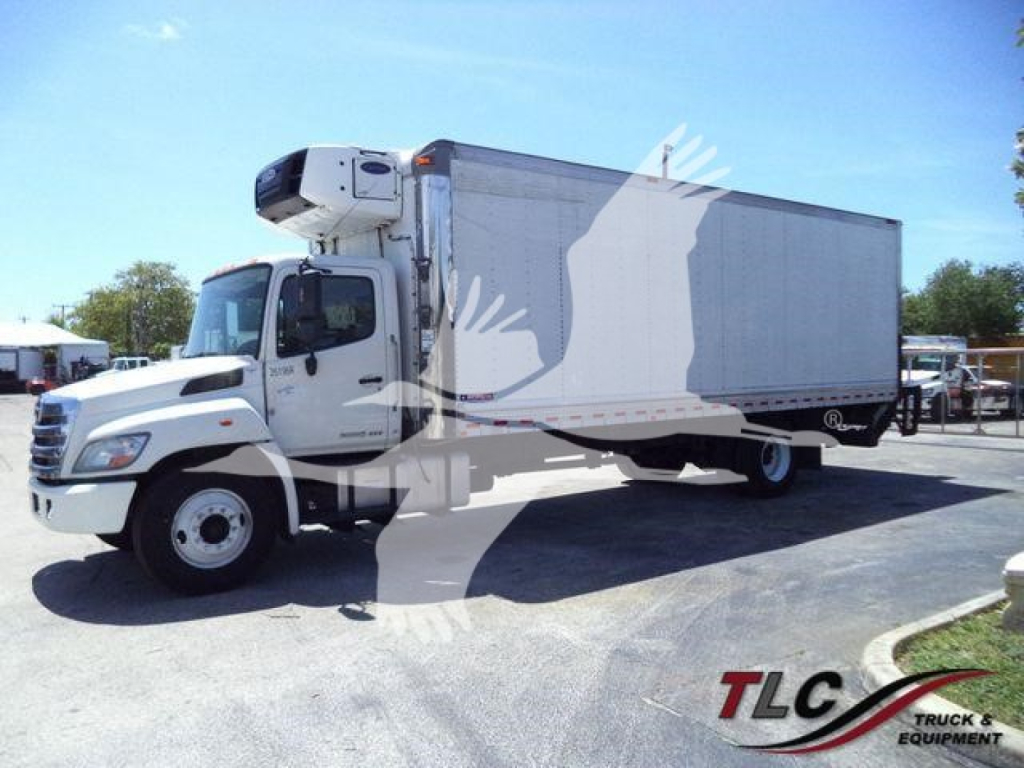
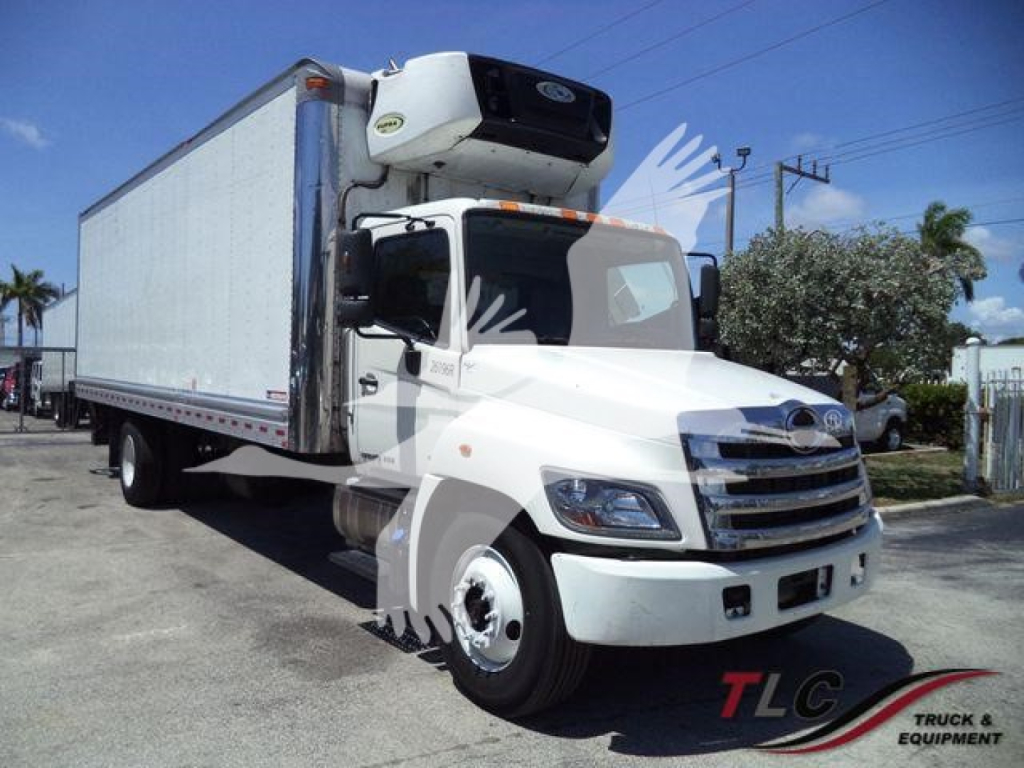
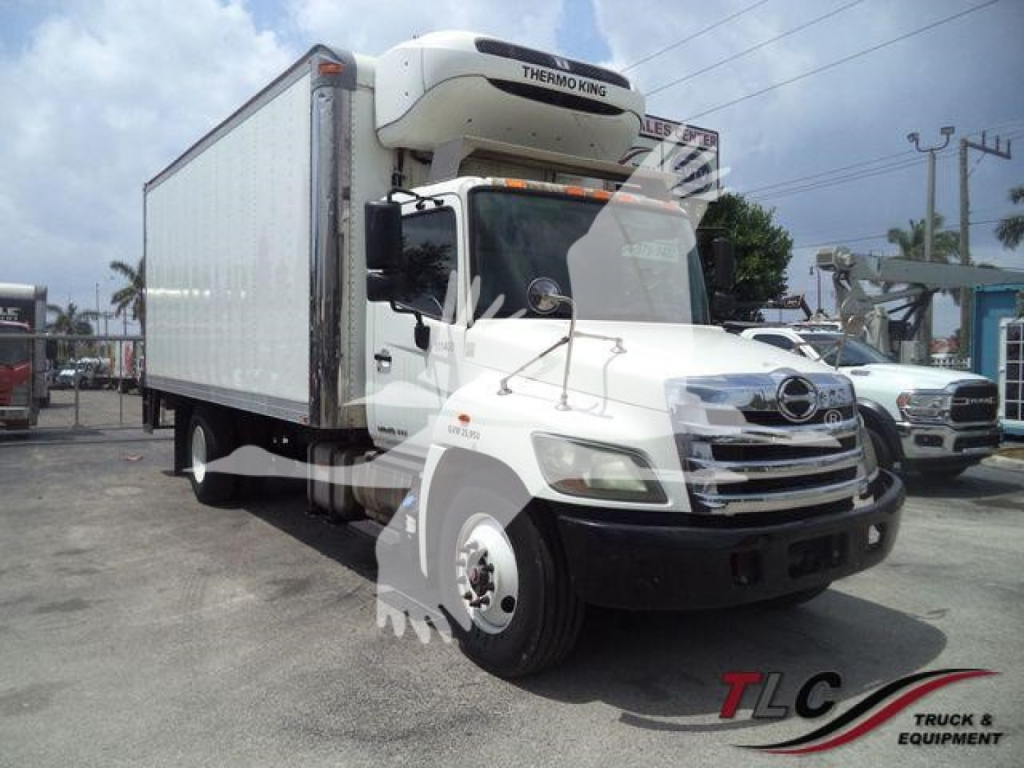
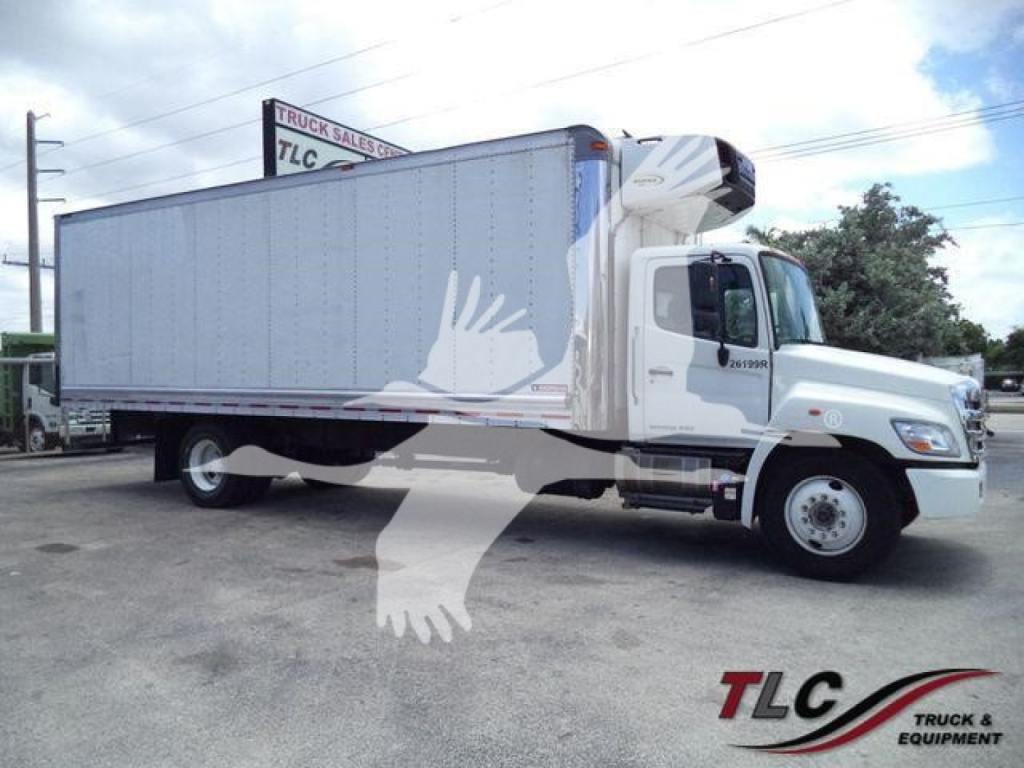
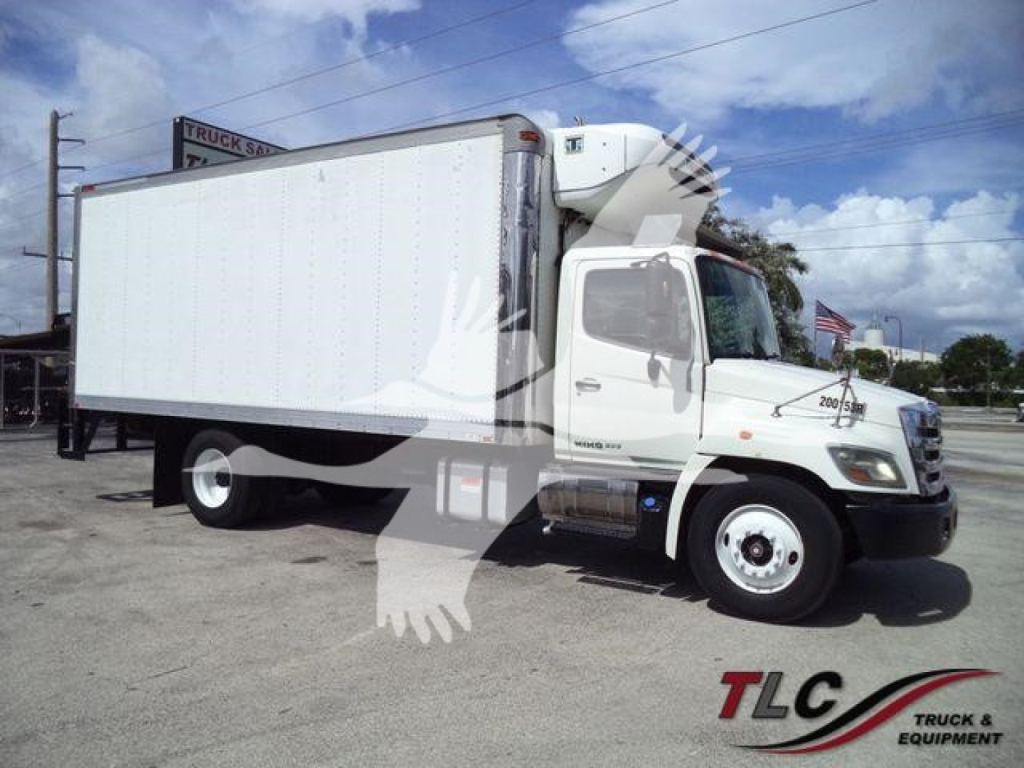
Selling a hino refrigerated truck? List your hino refrigerated truck for sale and reach thousands of commercial buyers.
Hino Refrigerated Trucks in Florida
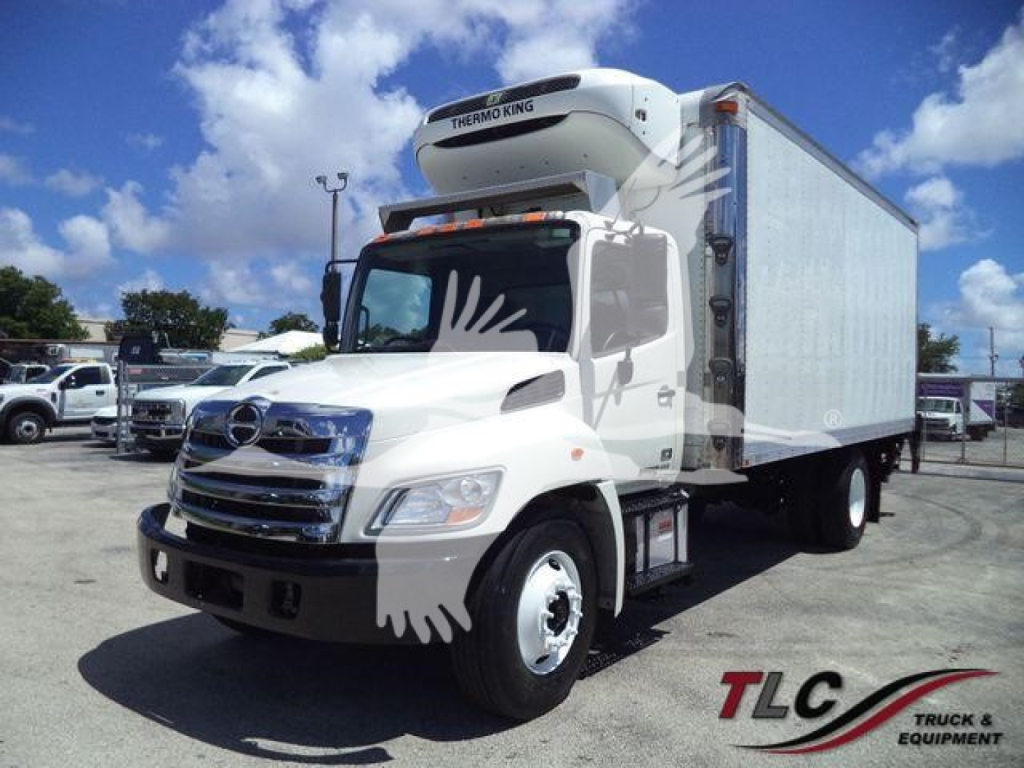
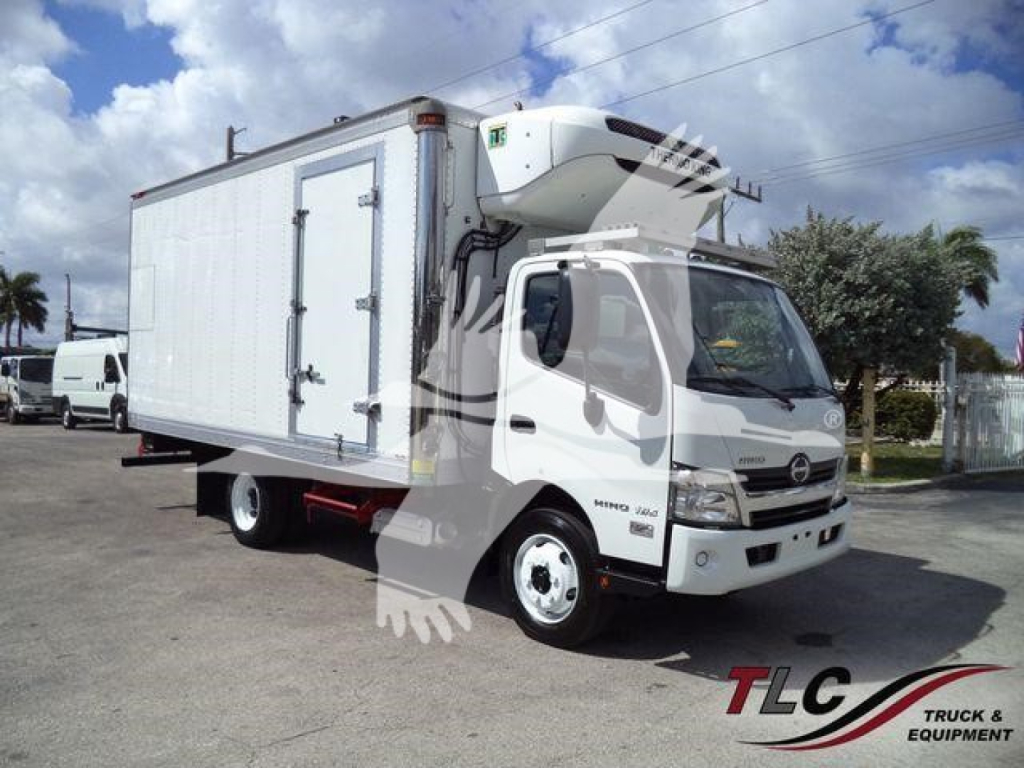
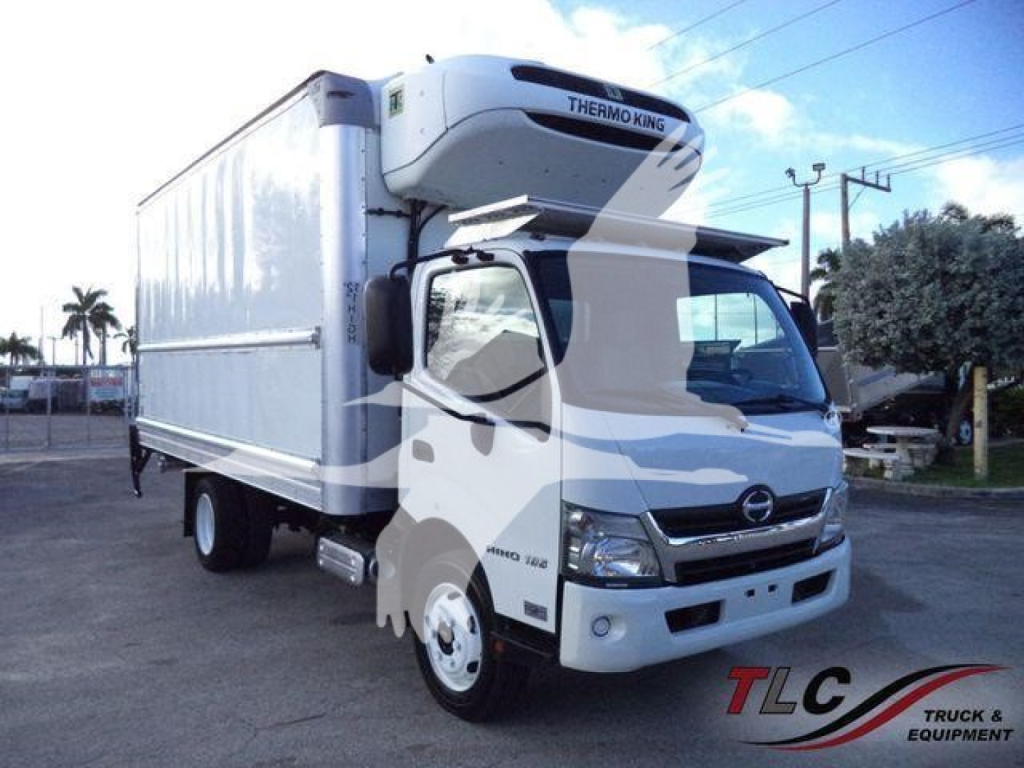
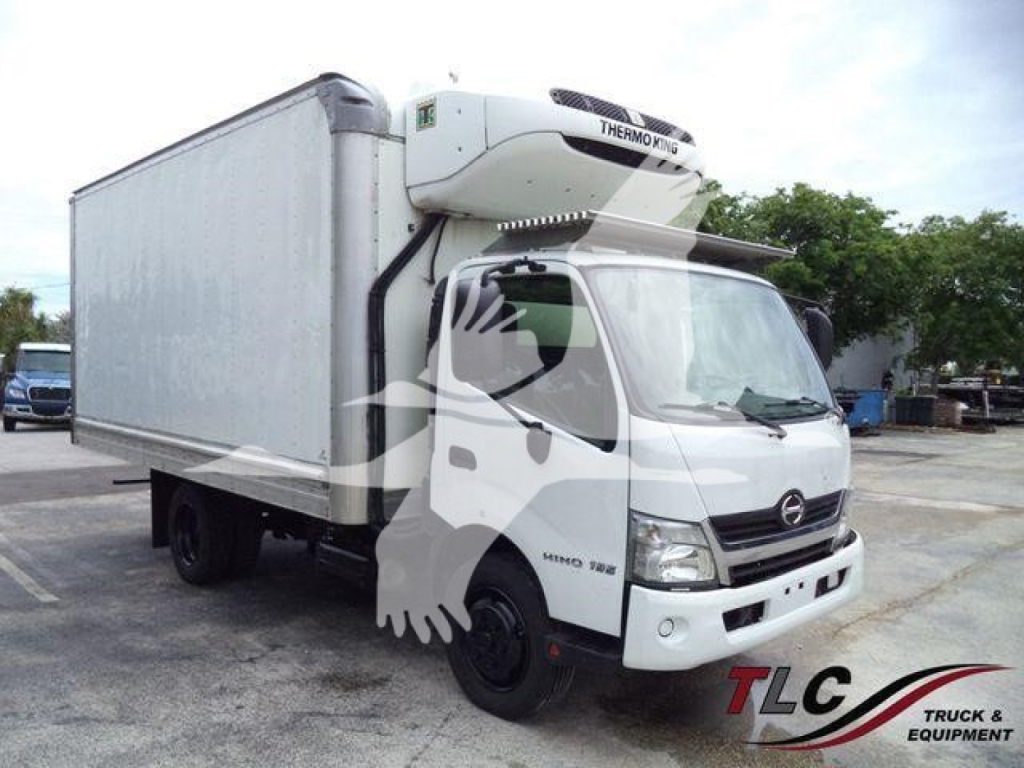
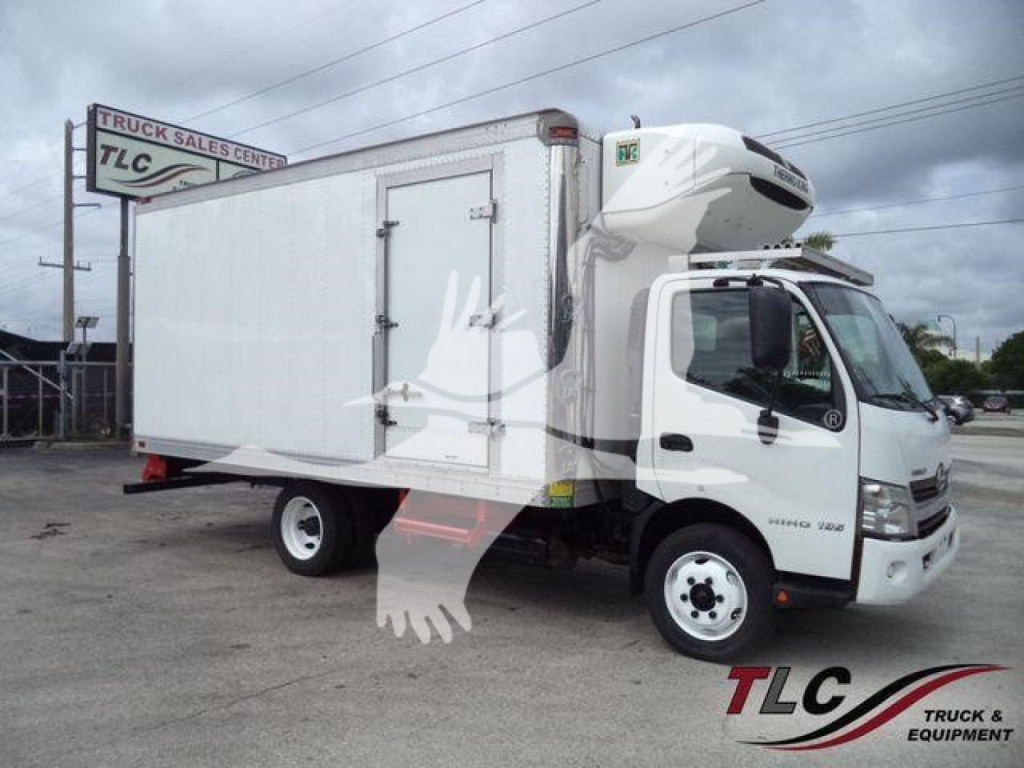
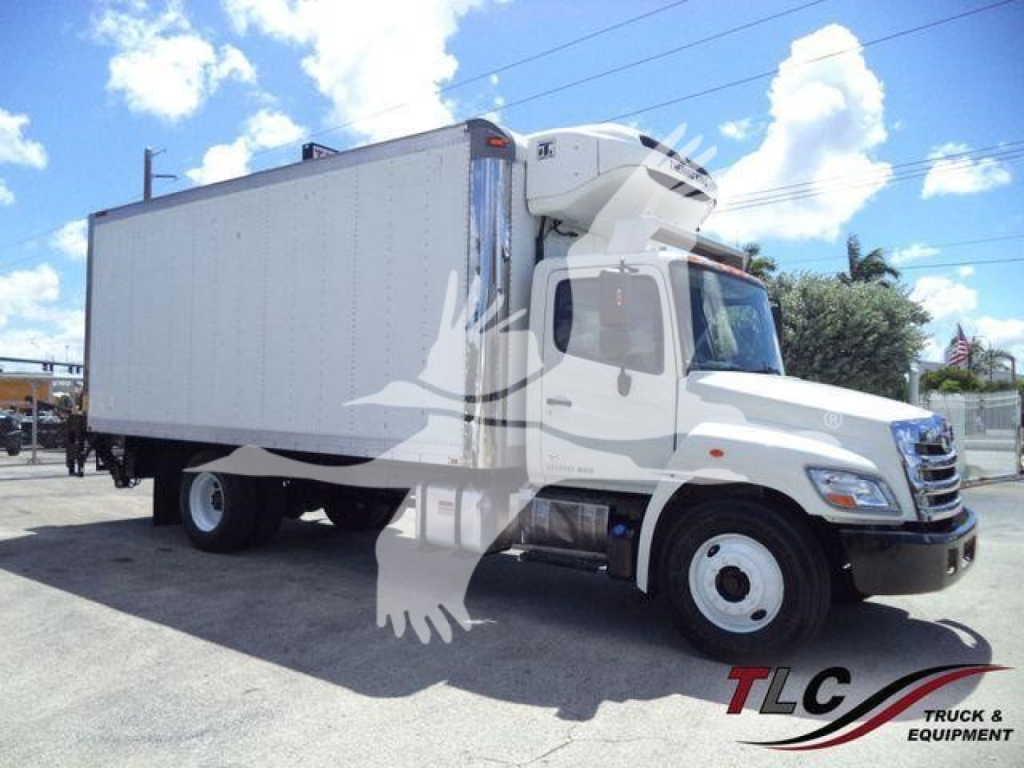
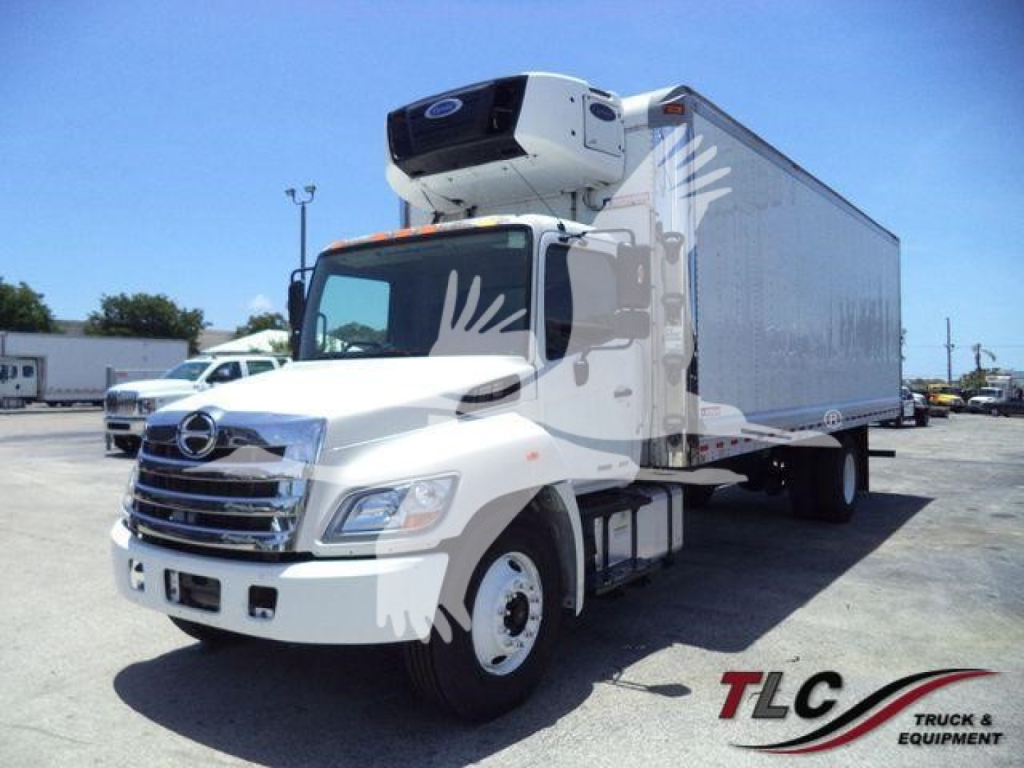
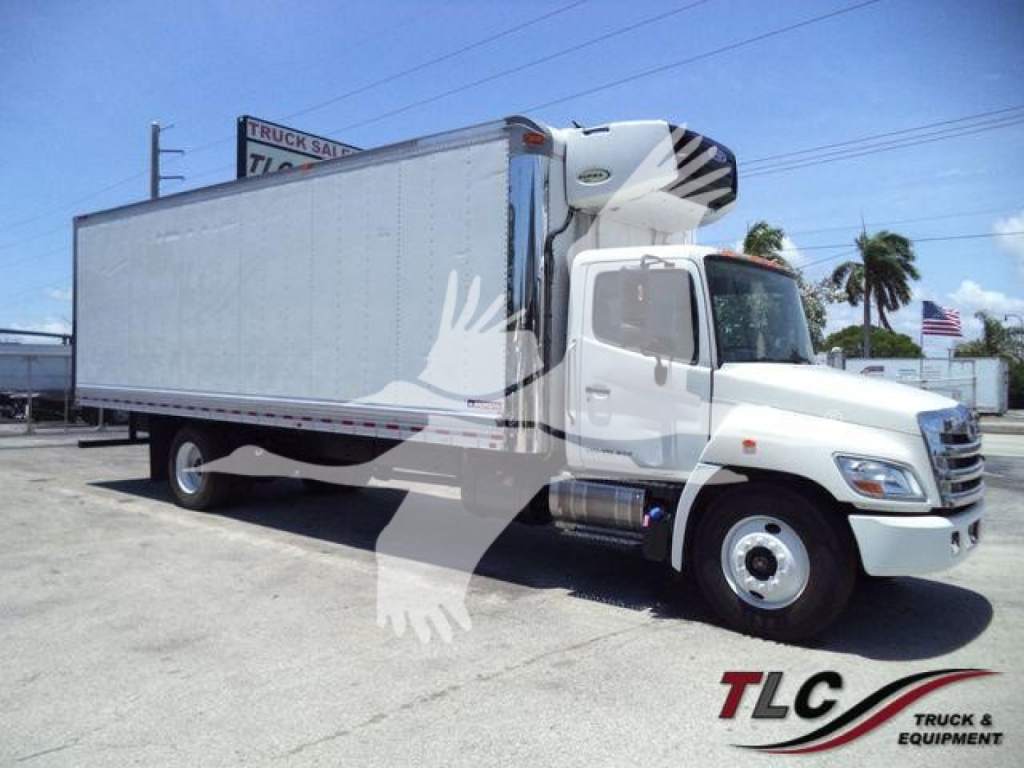
The first decision is usually body size and GVWR. A Hino 195 often shows up with a 16-foot refrigerated body and a 19,500-lb GVWR, which keeps it under CDL thresholds in many applications while still offering enough cube for route delivery. A Hino 268A is commonly spec'd closer to 20-foot to 26-foot bodies with a 25,950-lb GVWR, giving operators more room for pallets and better suitability for higher-volume distribution. Buyers should match body length to stop density, dock access, and product mix. A shorter reefer body is easier in downtown loading zones and older industrial areas, while a 26-foot box makes more sense for consolidated grocery, commissary, or multi-stop wholesale routes.
Powertrain and operating equipment deserve close attention on any used Hino refrigerated truck. Many Hino 195 models use the 5.1L J05E turbo diesel with an automatic transmission, while 268A trucks often carry a larger 6-cylinder diesel backed by an Allison automatic and, in many cases, air brakes. On the reefer side, unit model and hours matter as much as truck mileage. Thermo King T-series and Carrier Supra units are common in this class, and reefer hour history helps indicate service life and maintenance exposure. Body details also affect day-to-day productivity, especially roll-up rear doors, curb-side doors, pull-out ramps, and tuck-under liftgates. For hand-unload routes, a liftgate can be essential. For cart, dolly, or light pallet work, a ramp may be faster and simpler.
A buyer comparing Hino reefer trucks should look past the badge and focus on cold-box condition, insulation integrity, floor wear, and refrigeration performance under load. Check for clean door seals, consistent box temperature, evaporator condition, drain function, and evidence of past panel or floor repairs. In a hot, humid state like Florida, thermal efficiency and door-cycle recovery are especially important because reefer units work harder in stop-and-go service. Hino's medium-duty chassis reputation, straightforward cab layout, and common automatic transmission specs make these trucks practical for mixed driver fleets. The best choice usually comes down to route length, product temperature requirements, loading method, and whether the operation needs an under-CDL refrigerated truck or a higher-capacity medium-duty reefer body.
Frequently Asked Questions about Hino Refrigerated Trucks in Florida
What is the difference between a Hino 195 refrigerated truck and a Hino 268A refrigerated truck?
The Hino 195 is typically a lighter medium-duty reefer truck with a 19,500-lb GVWR and shorter bodies around 16 feet, making it a common under-CDL choice for dense local delivery routes. The Hino 268A is a larger platform, often rated around 25,950 lbs GVWR, and is commonly equipped with 20-foot to 26-foot refrigerated bodies for higher pallet count and payload capacity. The 195 usually fits tighter urban work, while the 268A is better for larger route volumes and more demanding distribution schedules.
Are Hino refrigerated trucks good for Florida delivery routes?
Yes. Hino refrigerated trucks are well suited for Florida operations because they are commonly used in local and regional delivery where maneuverability, automatic transmissions, and reliable temperature control are important. Florida heat and humidity put extra demand on reefer performance, so the real key is not just the chassis but the condition of the insulated body, door seals, and refrigeration unit. A properly maintained Hino reefer truck can work well for produce, seafood, dairy, beverage, and restaurant supply delivery across urban and coastal markets.
What should I check first on a used Hino reefer truck?
Start with the refrigeration unit, reefer hours, and box condition. Confirm that the unit reaches and holds set temperature, cycles properly, and shows no obvious signs of deferred service. Then inspect the insulated body for damaged panels, soft spots in the floor, worn seals, evaporator corrosion, and poor door alignment. After that, review chassis items such as engine service history, transmission operation, brake type, tire condition, and liftgate or ramp function. On a refrigerated truck, the cold box and reefer system often drive operating value more than the base chassis alone.
Do Hino refrigerated trucks usually come with liftgates or ramps?
Many do, but it depends on the route application and original body spec. Smaller Hino 195 reefer trucks are often equipped with pull-out ramps for hand carts and light freight, while larger Hino 268A refrigerated trucks frequently have tuck-under liftgates for palletized product and heavier stop deliveries. Buyers should choose based on how freight is loaded and unloaded. A liftgate adds versatility for docks without equipment, while a ramp can be lighter, simpler, and faster for cart-based delivery work.
What reefer units are common on Hino refrigerated trucks?
Thermo King and Carrier are the most common refrigeration unit brands found on Hino reefer trucks in this class. Models such as Thermo King T580, T680, T680R, and Carrier Supra series units are frequently paired with 16-foot to 26-foot insulated bodies. The right unit depends on box size, temperature range, route length, and door-open frequency. Buyers should look at reefer hours, service records, startup behavior, and pull-down performance rather than choosing on brand name alone.