
Used 2019 Refrigerated Trucks For Sale
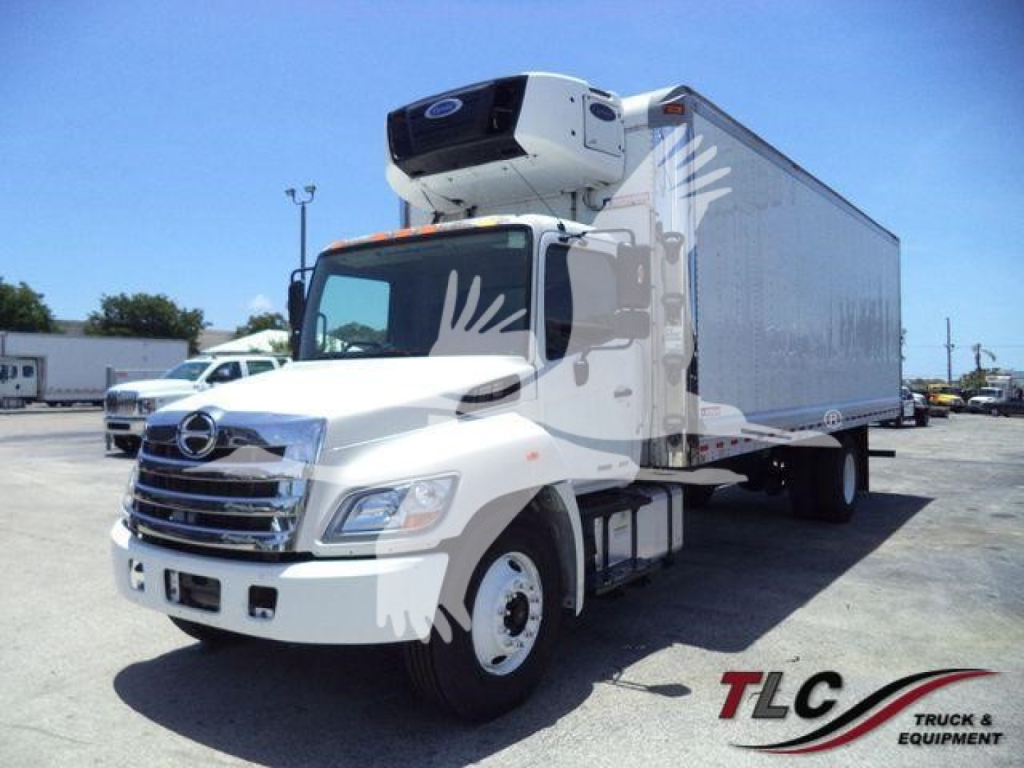
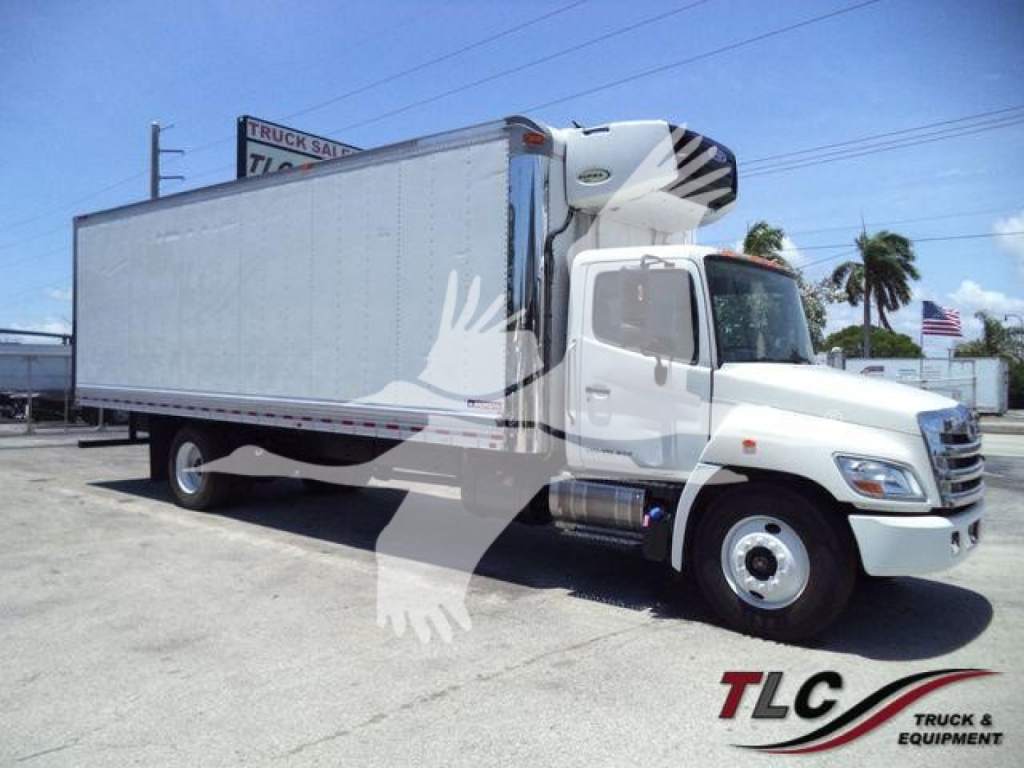
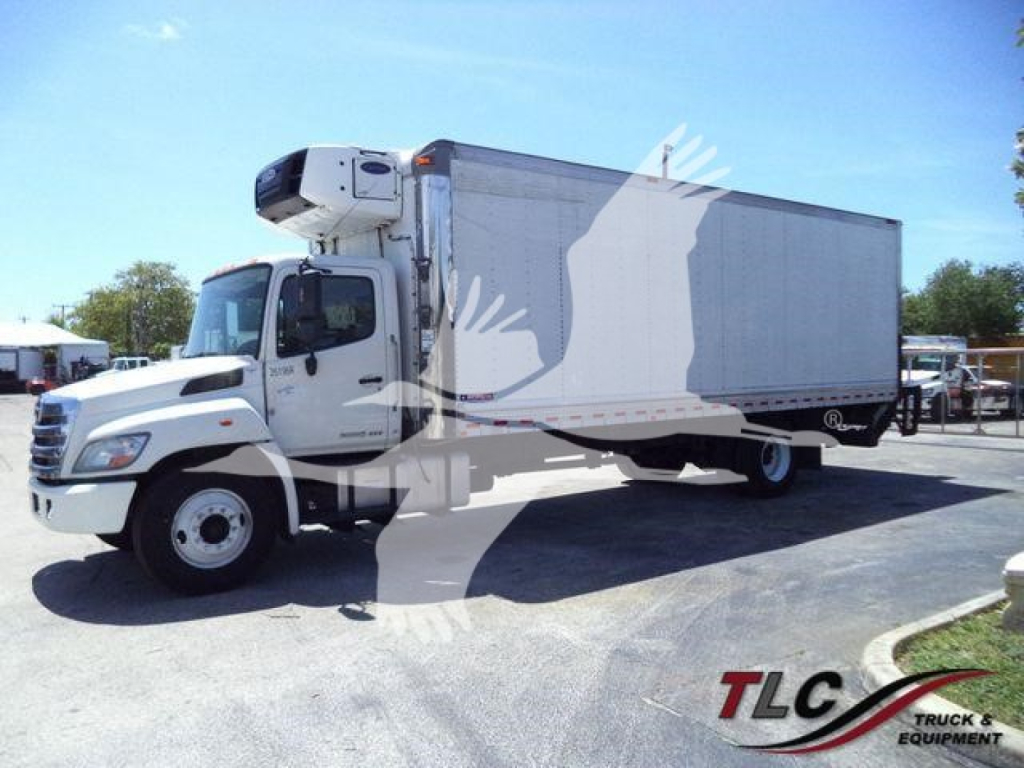
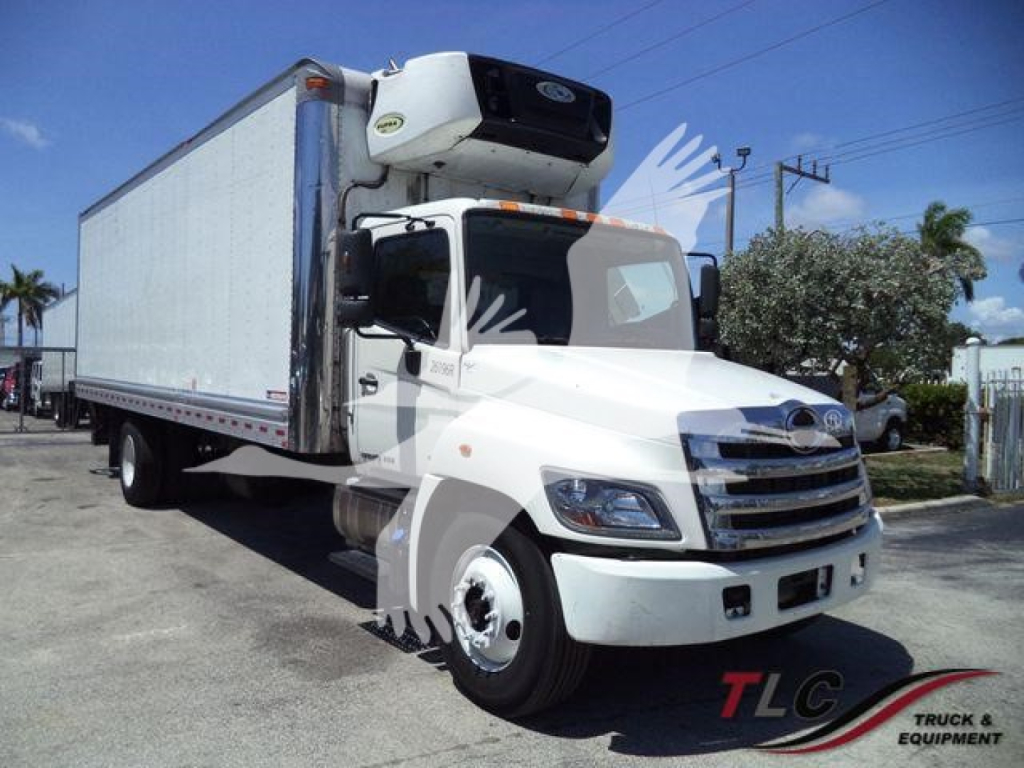
Shop used 2019 refrigerated trucks with reefer bodies, liftgates, and under-CDL or Class 6-7 specs for cold-chain delivery work.
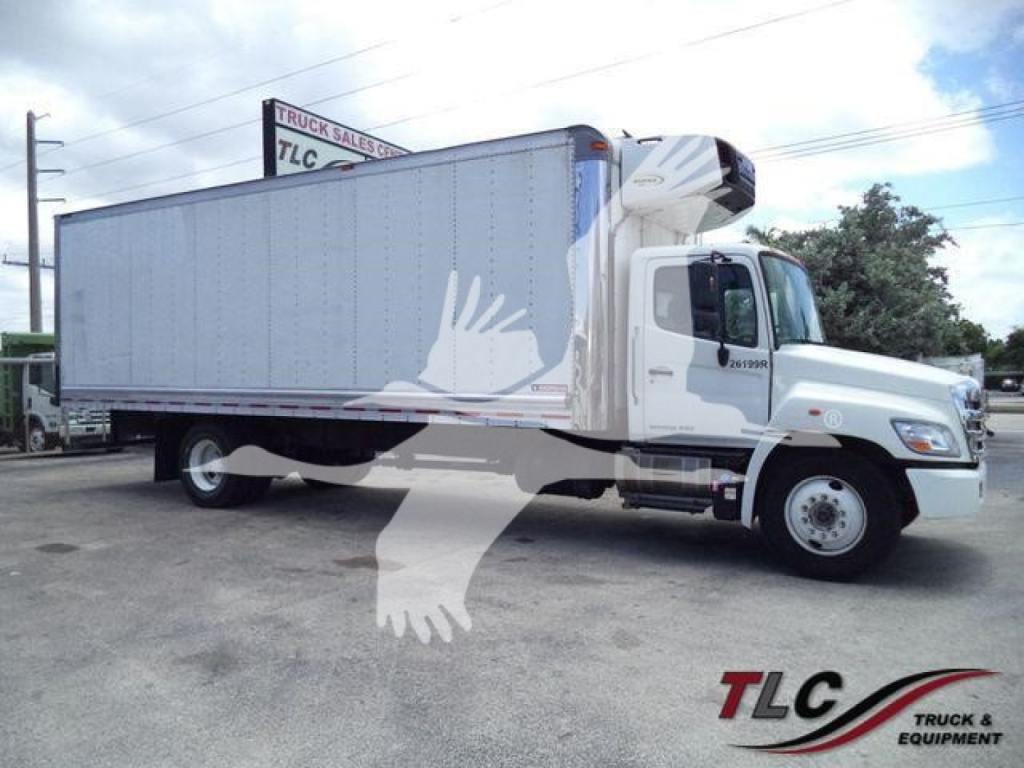
Selling a used 2019 refrigerated truck? List your used 2019 refrigerated truck for sale and reach thousands of commercial buyers.
Used 2019 Refrigerated Trucks
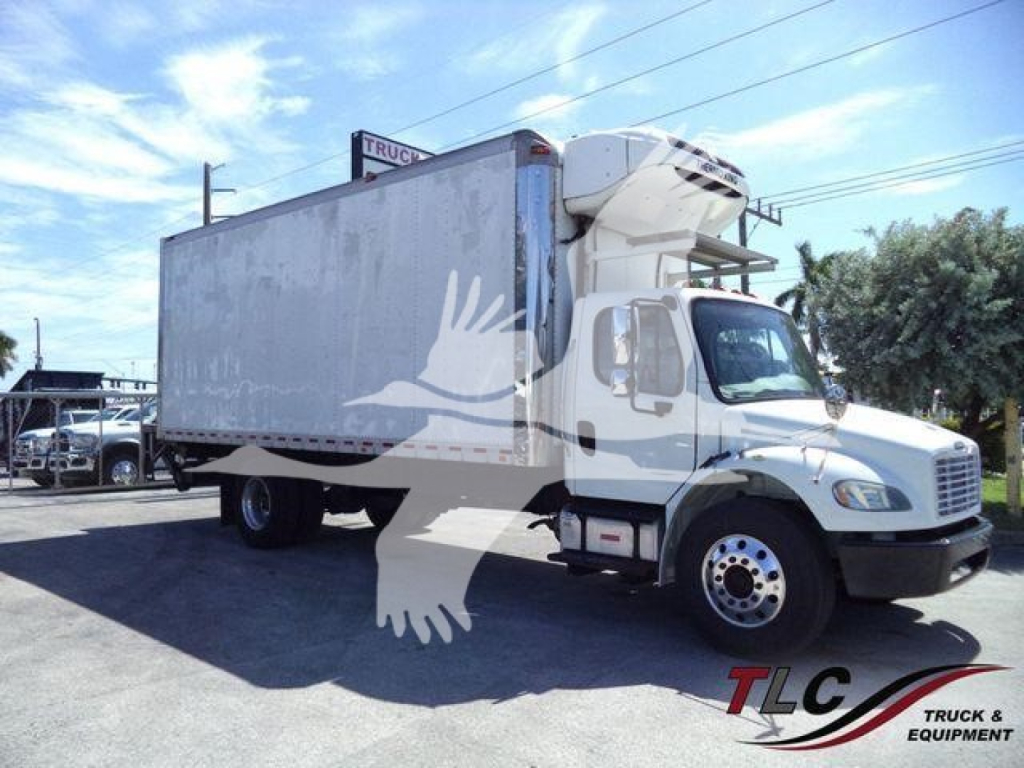
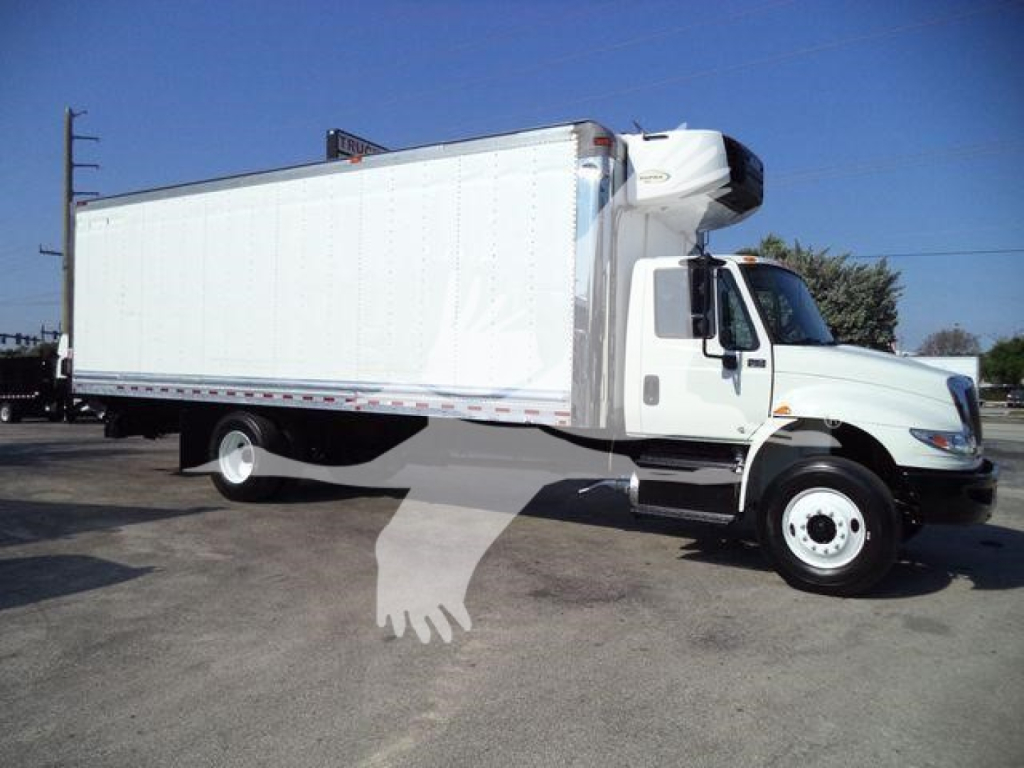
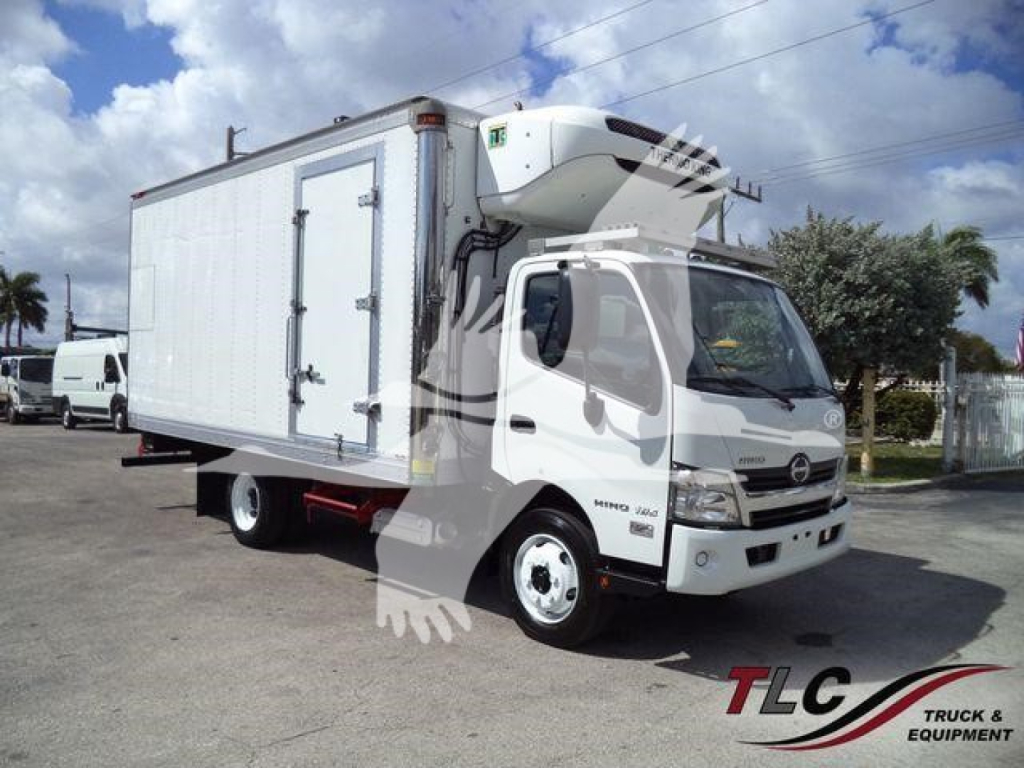
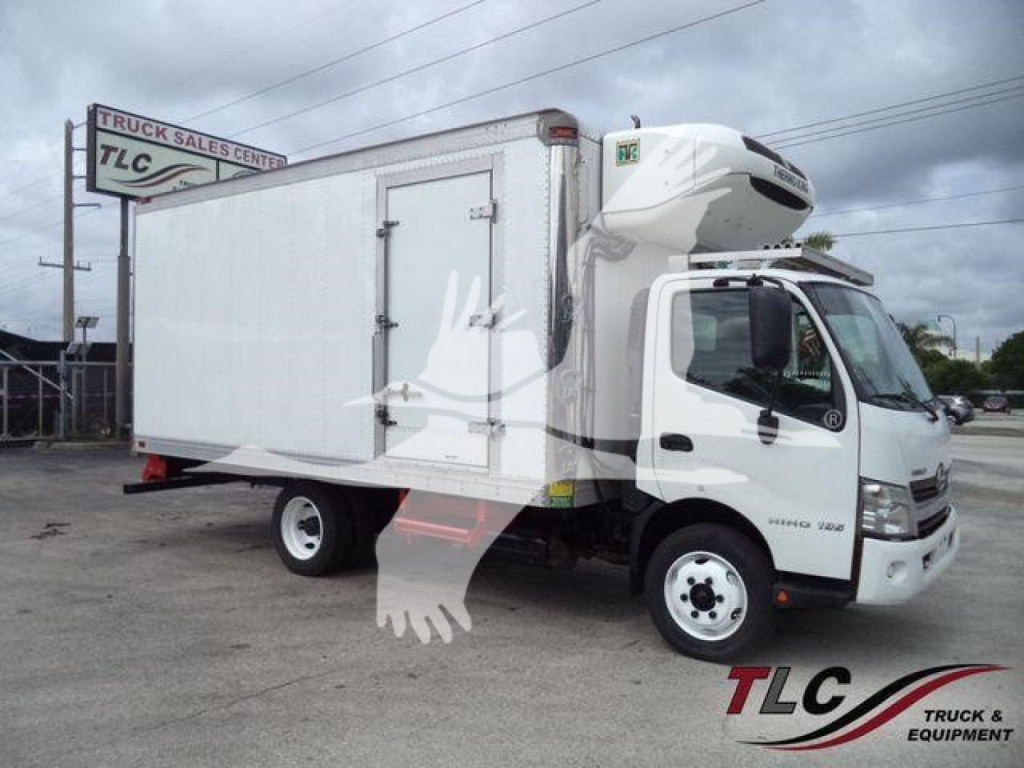
The reefer unit deserves as much attention as the chassis. Common setups on 2019 refrigerated trucks include Thermo King and Carrier systems sized for local and regional distribution, with features such as electric standby, multi-temp capability, bulkheads, and liftgates depending on the application. Reefer hours, maintenance history, pull-down performance, and the condition of the evaporator, condenser, and insulation package all matter. On the box side, buyers should look at interior dimensions, wall thickness, floor condition, door seal integrity, and whether the truck is equipped with a roll-up rear door, side door, scuff liner, E-track, or a tuck-under liftgate. These details affect loading speed, temperature retention, and how well the truck fits palletized freight versus hand-unload routes.
Chassis spec still drives operating cost. A 2019 refrigerated truck may be powered by a smaller diesel in an under-CDL platform or by a Cummins ISB class engine paired with an Allison automatic in a heavier 26,000 GVWR configuration. The lighter trucks are easier to route in urban delivery work and can reduce driver constraints, while larger trucks offer more cube, more payload, and better fit for multi-stop wholesale delivery. Check axle ratings, brake type, tire size, wheelbase, and suspension setup against the body length and the cargo you intend to carry. Reefer trucks live hard lives with frequent starts, door cycles, idle time, and curbside loading, so service records for both the truck and refrigeration unit are especially valuable.
For a used 2019 reefer truck, the best buy is usually the one with the cleanest cold-box condition and documented reefer service, not just the lowest odometer reading. A truck can have moderate miles and still be a better candidate if the box holds temperature properly, the liftgate cycles correctly, and the reefer has been maintained on schedule. Buyers comparing listings should weigh reefer hours, body manufacturer, door configuration, and liftgate capacity alongside engine and transmission specs. In this category, uptime depends on the full package working together: chassis, insulated body, refrigeration unit, and delivery equipment.
Frequently Asked Questions about Used 2019 Refrigerated Trucks
What should I check first on a used 2019 refrigerated truck?
Start with the refrigeration system and the insulated body, because that is what separates a reefer truck from a standard box truck. Verify reefer hours, service records, temperature pull-down, box insulation condition, door seals, floor condition, and evaporator operation. After that, review chassis mileage, engine and transmission maintenance, brake type, tire condition, and liftgate function if equipped. A sound chassis does not make up for a weak reefer unit or a box that leaks temperature.
Are 2019 refrigerated trucks available in under-CDL configurations?
Yes. Many 2019 refrigerated trucks were built at 19,500 to 25,950 GVWR, which can keep them under CDL thresholds depending on the exact rating and local operating requirements. These trucks are common in 16-foot to 20-foot reefer body applications and are popular for city delivery, catering, and specialty distribution. Buyers still need to confirm the specific GVWR on the door tag and make sure payload needs fit the truck once the reefer body and refrigeration unit are factored in.
How important are reefer hours on a 2019 refrigerated truck?
Reefer hours are very important because they reflect wear on the refrigeration unit in the same way chassis miles reflect wear on the truck. A unit with higher hours is not automatically a bad buy, but it should have documented maintenance and strong operating performance. Look for regular servicing, clean operation, steady temperature control, and no signs of hard starting, abnormal cycling, or poor pull-down. Comparing reefer hours alongside chassis miles gives a more accurate picture of total asset use.
What body and equipment features matter most on a reefer truck?
Body length, interior cube, and loading equipment should match the route. Common features that matter include roll-up rear doors, side doors, scuff liners, E-track, bulkheads, and liftgates rated for the products being delivered. A tuck-under liftgate is useful for palletized freight and dock-independent delivery, while a pull-out ramp may be enough for lighter hand-cart routes. Buyers should also check floor type, wall condition, and seal integrity, because temperature retention and washdown durability affect daily performance.
Which is better for cold-chain delivery, a lighter 19,500 GVWR truck or a 26,000 GVWR reefer truck?
It depends on the route structure and payload. A 19,500 GVWR refrigerated truck is easier to maneuver in urban areas, can reduce driver qualification issues, and is often ideal for tighter multi-stop delivery work. A 26,000 GVWR truck usually gives you more body length, more payload, and better suitability for wholesale or higher-volume distribution. The right choice comes down to cube, weight, stop frequency, dock access, and whether the freight is palletized, hand-unloaded, or temperature-segregated.